

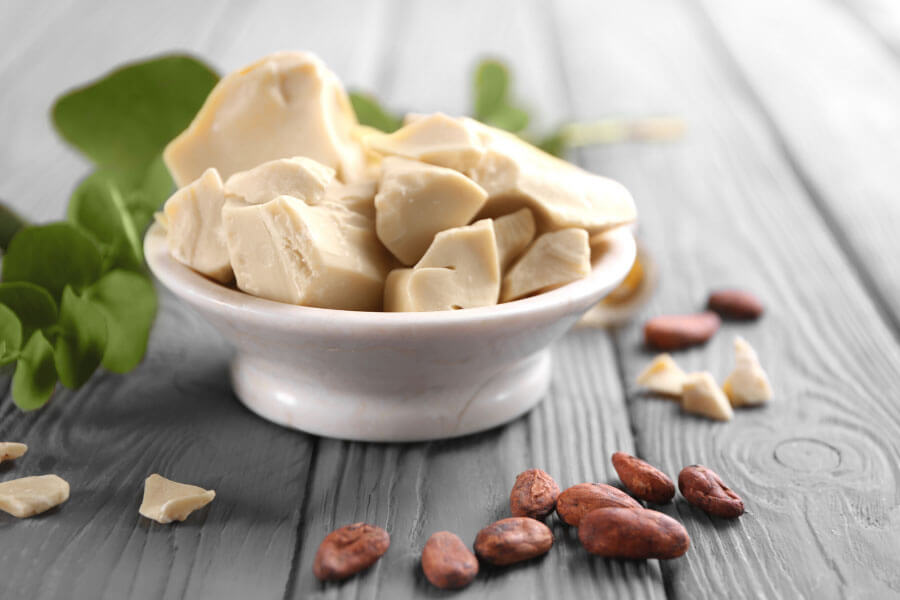
The chocolate industry is evolving rapidly, driven not only by consumer taste preferences but also by a growing awareness of environmental sustainability. For chocolatiers and confectionery manufacturers, selecting ingredients that reduce environmental impact without compromising quality is no longer optional—it’s essential. Environmentally friendly cocoa butter alternatives are increasingly gaining traction as a solution that balances taste, functionality, and sustainability.
At MT Royal, we’ve observed that forward-thinking chocolatiers are exploring plant-based fats, innovative blends, and premium European alternatives like Latamarko to maintain product integrity while embracing eco-conscious sourcing. In this guide, we’ll explore how these alternatives can reshape your production line.
Understanding Cocoa Butter and Its Environmental Impact
What Is Cocoa Butter?
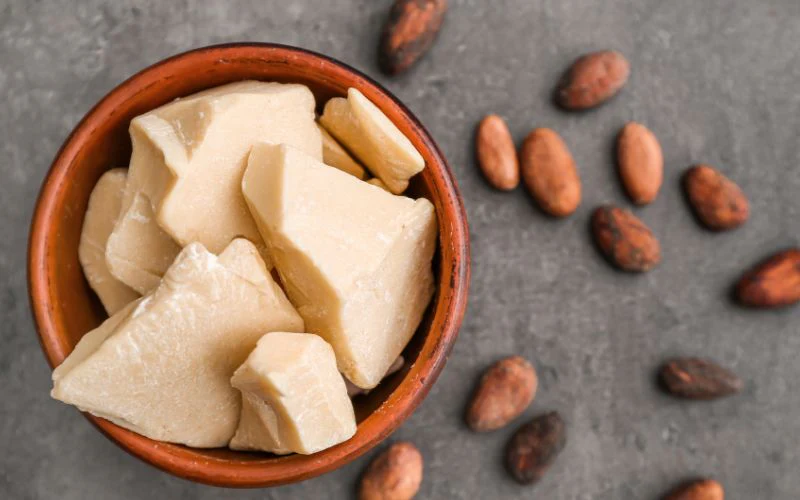
Cocoa butter is the fat extracted from cocoa beans, prized for its creamy texture, unique melting point, and ability to create smooth, glossy chocolate. Traditionally, it accounts for a significant portion of a chocolate bar’s production cost, and sourcing high-quality cocoa butter has environmental and supply-chain implications.
Environmental Concerns in Conventional Cocoa Production
- Deforestation: Large-scale cocoa farming contributes to forest loss in West Africa and Latin America.
- Carbon Footprint: Transporting raw cocoa and processing it into butter consumes considerable energy.
- Water Usage: Traditional cocoa butter extraction is water-intensive.
By considering sustainable cocoa butter alternatives, manufacturers can reduce their ecological footprint while keeping consumer satisfaction high.
Types of Environmentally Friendly Cocoa Butter Alternatives
1. Plant-Based Fats
Common plant-based fats such as shea butter, mango kernel fat, and coconut oil mimic cocoa butter’s physical properties.
- Advantages: Renewable, widely available, lower environmental footprint.
- Considerations: Flavor neutrality, melting point adjustments, and compatibility with chocolate tempering.
2. Fully Interesterified Fats
Interesterified fats are engineered to replicate cocoa butter’s crystalline structure.
- Advantages: Tailored functionality for tempering and snap.
- Industry Insight: Premium brands like Latamarko provide high-performance European fats optimized for industrial chocolatiers.
3. Fractionated Oils
Fractionation allows separation of specific triglycerides to create fats that behave like cocoa butter.
- Use Case: Specialty chocolates requiring precise melt profiles and mouthfeel consistency.
Benefits for Chocolatiers and Confectionery Manufacturers
Sustainability and Brand Value
Using eco-friendly alternatives not only lowers environmental impact but also positions your brand as socially responsible—a powerful marketing differentiator in today’s market.
Cost Efficiency
Plant-based or engineered fats often provide more stable supply chains and predictable pricing than traditional cocoa butter, helping reduce production volatility.
Production Flexibility
These alternatives enable manufacturers to customize chocolate characteristics, such as melting point, snap, and bloom resistance, without relying on fluctuating cocoa butter availability.
Common Pitfalls and Misconceptions
- “All cocoa butter alternatives compromise taste.”
With careful selection, especially using premium options like Latamarko or properly blended plant fats, flavor integrity can be maintained. - “Tempering becomes impossible with alternatives.”
Modern interesterified fats and structured blends are specifically designed for industrial tempering processes. - Overlooking regulatory compliance: Some alternatives may require specific labeling or allergen management, especially in EU or US markets.
Pro Tips for Factory Managers
- Conduct Pilot Trials: Test alternative blends in small batches to assess texture, mouthfeel, and tempering behavior.
- Integrate Gradually: Start with partial cocoa butter replacement to monitor quality impact.
- Maintain Supplier Transparency: Work with trusted suppliers like MT Royal, who provide detailed specifications, sourcing documentation, and technical support.
- Document Sustainability Gains: Highlight reduced water usage, carbon footprint, and deforestation impact—valuable for corporate sustainability reporting.
Industrial Case Example
A mid-sized chocolate manufacturer in Istanbul switched 30% of its cocoa butter to a shea-cocoa blend supplied through MT Royal. Benefits observed over a six-month period:
- 15% reduction in raw material costs
- Improved tempering stability during peak summer production
- Positive feedback from consumers on taste and texture consistency
Comparison Table: Cocoa Butter vs. Environmentally Friendly Alternatives
| Feature | Cocoa Butter | Plant-Based Fat Blends | Interesterified Fats | Fractionated Oils |
|---|---|---|---|---|
| Melting Point | 33-35°C | 31-34°C | Adjustable | Adjustable |
| Sustainability Score | Medium | High | High | High |
| Flavor Impact | Neutral | Slight variation | Neutral | Neutral |
| Cost | High | Moderate | Moderate-High | Moderate |
| Industrial Tempering Ease | High | Moderate | High | High |
Frequently Asked Questions (FAQ)
Q1: Can cocoa butter alternatives fully replace cocoa butter in premium chocolates?
A: Partial replacement is recommended to preserve signature flavor and mouthfeel; high-quality blends can achieve up to 50% substitution.
Q2: Are these alternatives widely accepted in EU and US markets?
A: Yes, provided they meet regulatory and labeling standards. Suppliers like MT Royal offer compliant, certified products.
Q3: How does Latamarko compare to generic plant fats?
A: Latamarko’s Spanish-origin fats are engineered for precise tempering, consistent quality, and premium industrial performance, ideal for high-end chocolates.
Production Considerations for Large-Scale Facilities
- Bulk Sourcing: Ensure reliable supply of sustainable fats; MT Royal offers multiple brand options to mitigate risk.
- Storage Requirements: Some plant-based fats may have lower oxidative stability; temperature-controlled storage is recommended.
- Process Integration: Adjust mixer speed, conching duration, and cooling rates to match new fat behavior.
Conclusion
Environmentally friendly cocoa butter alternatives present a strategic opportunity for chocolatiers to align sustainability, cost efficiency, and product quality. By leveraging modern plant-based fats, fractionated oils, and premium European options like Latamarko, manufacturers can innovate responsibly while satisfying consumer expectations.
At MT Royal, we support chocolatiers in navigating this transition, offering a range of sustainable ingredients tailored to industrial requirements. Ultimately, the choice of alternative isn’t just about production—it’s about shaping a chocolate industry that respects both taste and the planet.
Food industry raw materials – list of products
Telegram channel of MT Royal company


No comment