

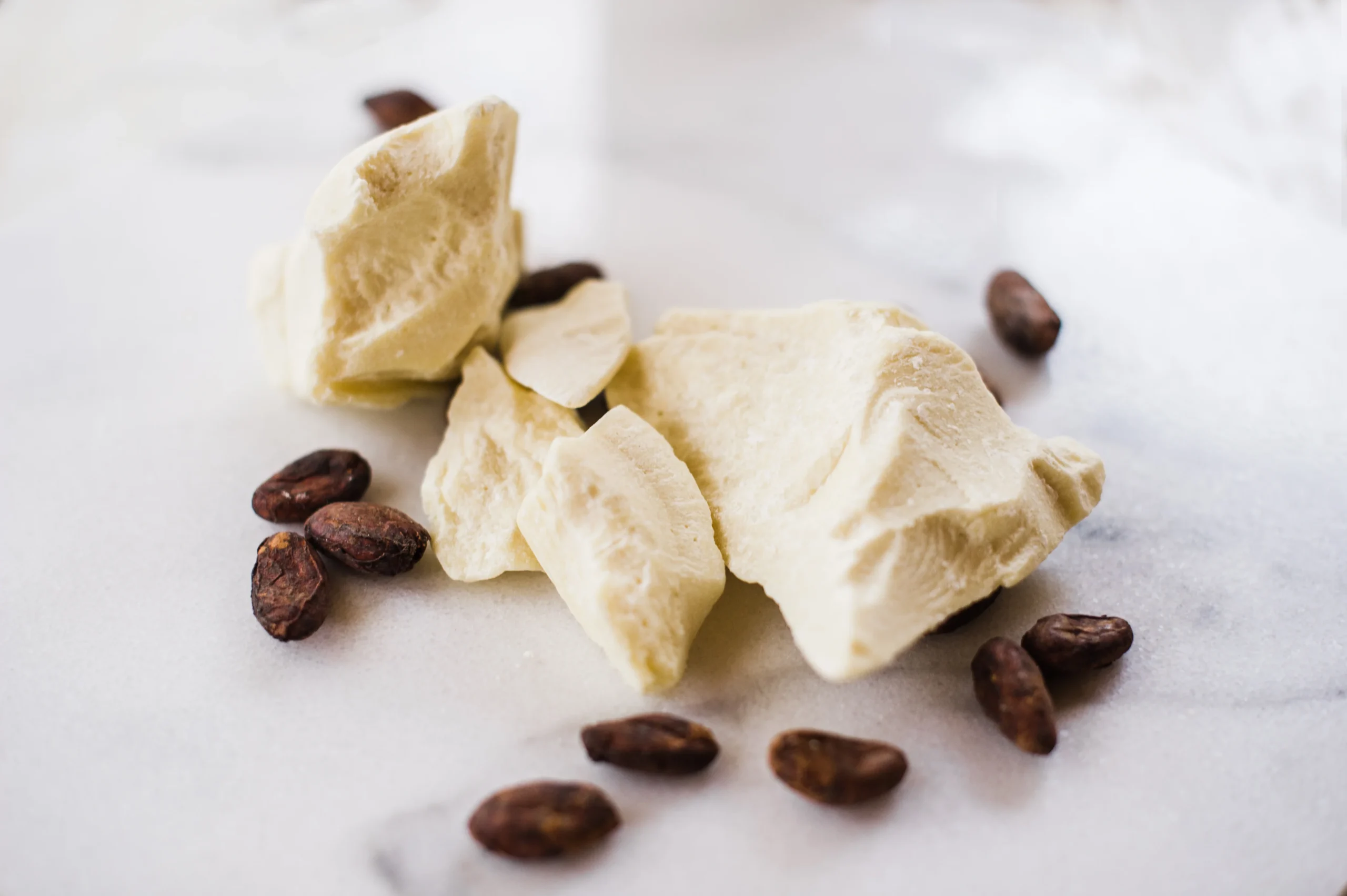
Cocoa butter has long been the gold standard in chocolate manufacturing, prized for its melting point, texture, and flavor profile. However, the global market faces rising costs, supply constraints, and the need for more sustainable alternatives. This is where cost-effective cocoa butter replacers come into play.
For chocolate manufacturers, switching or partially substituting cocoa butter is not just about cutting costs—it’s about maintaining quality, optimizing production efficiency, and meeting consumer expectations for smooth, consistent chocolate. In this article, we will explore practical insights, technical considerations, and strategic solutions for factories and production facilities.
Understanding Cocoa Butter and Its Role in Chocolate
What Is Cocoa Butter?
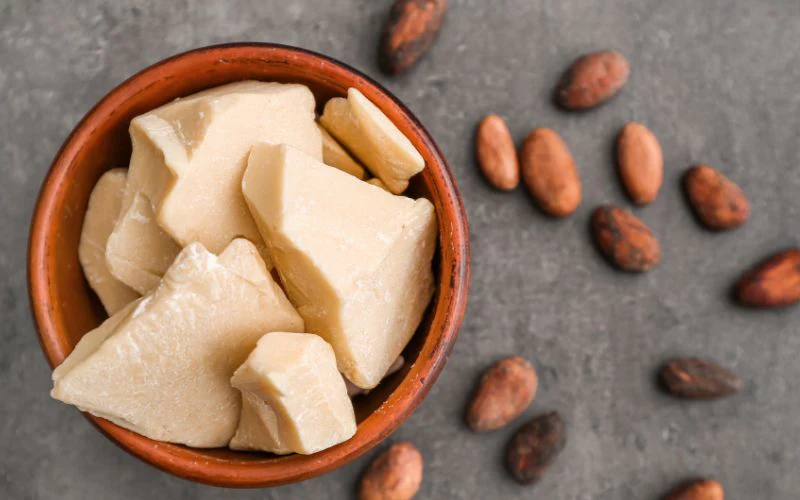
Cocoa butter, extracted from cocoa beans, is a vegetable fat responsible for chocolate’s glossy finish, smooth texture, and melt-in-mouth sensation. Its high melting point (~34–38°C) is crucial for chocolate tempering and molding processes.
Why Manufacturers Consider Replacers
- Cost Pressures: Cocoa butter can account for up to 50% of chocolate production costs.
- Supply Variability: Seasonal and geopolitical factors can disrupt availability.
- Product Diversification: Some recipes, particularly compound chocolates, may benefit from alternative fats with similar physical properties.
Types of Cost-Effective Cocoa Butter Replacers
Vegetable Fats
Vegetable fats like palm oil derivatives, shea butter, or illipe fat offer a lower-cost option while providing a similar mouthfeel.
| Fat Type | Melting Point | Pros | Cons |
|---|---|---|---|
| Palm Kernel Oil | 32–35°C | Affordable, stable | Flavor impact |
| Shea Butter | 34–36°C | Smooth texture | Higher cost than palm |
| Illipe Butter | 34–37°C | Good tempering | Limited supply |
Cocoa Butter Equivalent (CBE)
CBEs are formulated blends of vegetable fats designed to mimic cocoa butter’s physical properties. They are ideal for partial or full substitution in chocolate mass.
Cocoa Butter Substitute (CBS)
CBS differs slightly from CBE in composition, often including non-lauric fats. While cheaper, CBS may affect taste and mouthfeel if used in excess.
Benefits of Using Cost-Effective Cocoa Butter Replacers
Economic Advantages
Replacing a portion of cocoa butter can reduce production costs by 20–40% without compromising product quality. This is especially important for large-scale chocolate manufacturers where even marginal savings scale up significantly.
Enhanced Supply Chain Flexibility
Manufacturers can avoid production halts during cocoa bean shortages. MT Royal supplies a range of reliable brands, ensuring continuity for factories of all sizes.
Customization Opportunities
Using CBEs allows manufacturers to adjust hardness, melting profile, and shelf stability. Premium options like Latamarko provide high-quality European engineering, enabling precise control over product attributes.
Common Pitfalls in Cocoa Butter Replacement
- Overuse of substitutes: Can alter flavor, mouthfeel, and melting behavior.
- Incompatible tempering: Not all vegetable fats temper like cocoa butter, risking fat bloom.
- Supplier reliability: Inconsistent quality can lead to production downtime.
Tip: In our experience supplying manufacturing facilities, consistent sourcing from trusted suppliers like MT Royal drastically reduces operational risks.
Actionable Advice for Manufacturers
Partial vs. Full Replacement
- Partial Replacement (10–30%): Minimizes flavor impact while reducing costs.
- Full Replacement: Suitable for compound chocolate or specialty products; requires testing for texture and shelf stability.
Step-by-Step Implementation
- Analyze existing formulation: Determine cocoa butter percentage and chocolate type.
- Select compatible replacer: Consider melting point, hardness, and flavor profile.
- Conduct small-batch trials: Test tempering, flow, and taste.
- Scale gradually: Adjust process parameters for full-scale production.
Comparison and Selection Guide
| Feature | Cocoa Butter | CBE (Vegetable-Based) | CBS (Non-Lauric) |
|---|---|---|---|
| Cost | High | Moderate | Low |
| Flavor Retention | Excellent | Good | Moderate |
| Tempering Ease | Excellent | Good | Fair |
| Shelf Stability | Moderate | High | High |
| Premium Option Availability | Latamarko | MT Royal Brands | MT Royal Brands |
Industry-Specific Considerations
- Large-Scale Production: Bulk purchasing of CBEs ensures cost efficiency.
- Chocolate Coatings: High melting point CBEs prevent deformation in warm climates.
- Regulatory Compliance: Some regions have labeling requirements for cocoa butter substitutes.
Frequently Asked Questions (FAQ)
Q1: Can I fully replace cocoa butter without affecting taste?
A: Full replacement is possible in compound chocolates but may slightly alter flavor and texture.
Q2: How do I choose between CBE and CBS?
A: Consider production scale, budget, and chocolate type; CBEs often provide more cocoa-like characteristics.
Q3: Are premium European options worth it?
A: Brands like Latamarko offer superior consistency, long-term stability, and precise melting profiles.
Conclusion
Using cost-effective cocoa butter replacers is more than a cost-saving tactic—it’s a strategic approach to manufacturing efficiency, product consistency, and supply chain resilience. By carefully selecting substitutes, testing formulations, and sourcing from trusted suppliers like MT Royal, chocolate manufacturers can optimize both quality and profitability.
Every decision—from partial replacement to choosing premium CBEs—should align with your production goals, market positioning, and consumer expectations. After all, a smooth chocolate experience begins with a smart choice on the factory floor.
Food industry raw materials – list of products
Telegram channel of MT Royal company


No comment