

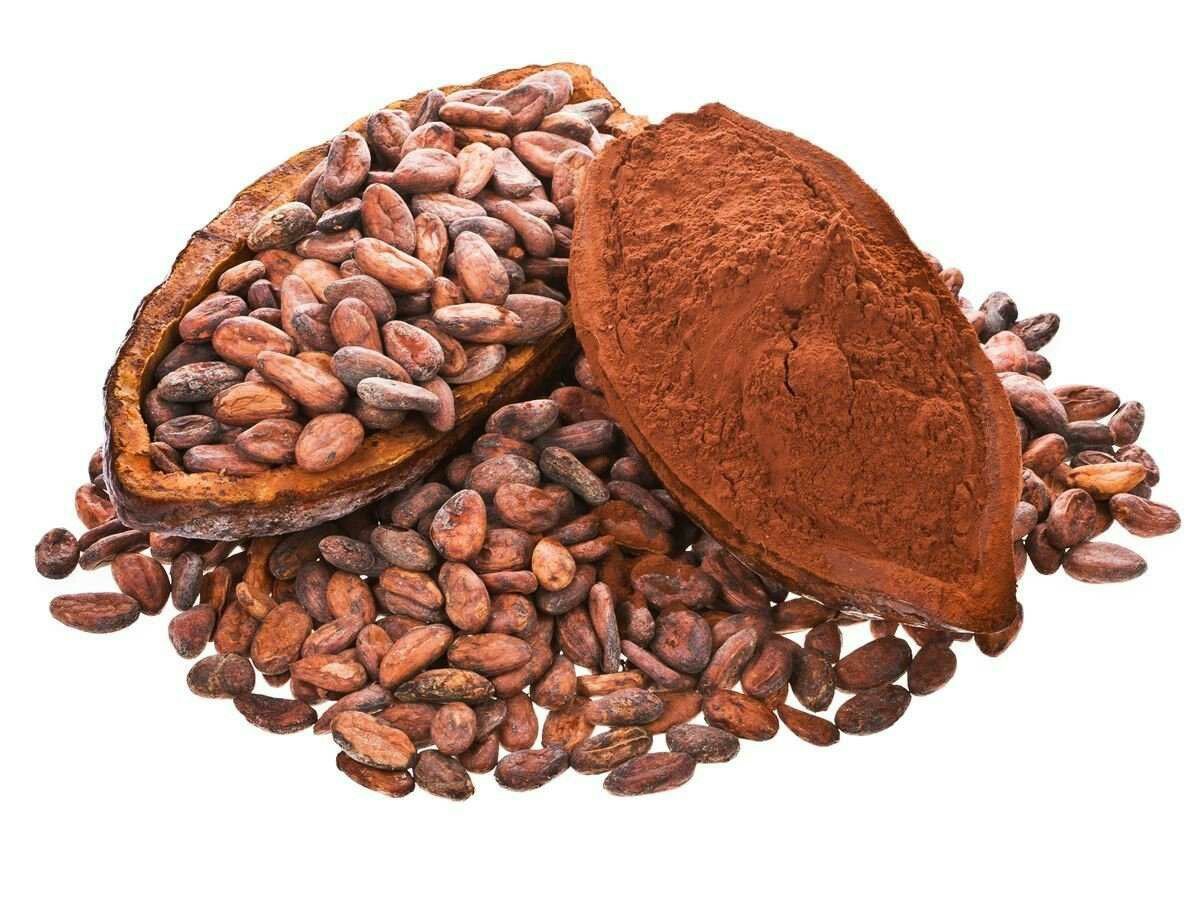
In the world of large-scale food manufacturing, cocoa powder isn’t just an ingredient—it’s a critical component that can influence flavor, texture, color, and even the efficiency of production processes. But not all cocoa powders are created equal. If you’ve ever wondered why some chocolate bars or baked goods have a rich, deep color while others are lighter and more acidic, the answer often comes down to whether the cocoa powder is natural or alkalized. For production managers, procurement officers, and factory supervisors, understanding these differences isn’t just academic—it’s a practical necessity that impacts quality, consistency, and profitability.
In this guide, we’ll explore everything you need to know about natural vs. alkalized cocoa powder, from chemical fundamentals and flavor implications to industrial procurement tips. Along the way, we’ll reference premium options like Latamarko, highlight trusted suppliers such as MT Royal, and provide actionable insights you can apply directly to your production line.
Understanding the Fundamentals: What Is Cocoa Powder?
Cocoa powder is derived from roasted cocoa beans after most of the cocoa butter is removed. At a glance, it might seem straightforward, but the processing methods can result in dramatically different powders. The two primary categories are:
- Natural Cocoa Powder
- Made by roasting cocoa beans, grinding them into cocoa mass, and pressing out cocoa butter.
- Typically retains a lighter color and natural acidity.
- Flavor profile: sharp, fruity, and slightly bitter, ideal for recipes that require leavening with baking soda.
- Alkalized (Dutched) Cocoa Powder
- Treated with an alkalizing agent (like potassium carbonate) to neutralize acidity.
- Darker in color, smoother in taste, and less bitter.
- Flavor profile: mellow, rich, chocolatey, often preferred in high-end confectionery and industrial chocolate production.
From a manufacturing perspective, choosing between natural and alkalized cocoa powder is rarely about personal taste—it’s about process compatibility, color consistency, and supplier reliability.
Chemical Differences and Industrial Implications
When cocoa powder undergoes alkalization, the pH shifts from 5–6 (acidic) to 7–8 (neutral to slightly alkaline). While this might sound like a minor adjustment, its implications in a factory environment are significant:
- Leavening Reactions: Natural cocoa powder reacts with baking soda due to its acidity. In large-scale baked goods production, even minor pH variations can affect volume, texture, and consistency batch-to-batch.
- Color Stability: Alkalized cocoa maintains a uniform, dark brown hue, making it ideal for products where visual appeal is critical, such as coatings, icings, or high-end chocolate bars.
- Flavor Consistency: Large-scale suppliers often need predictable flavor profiles. Natural cocoa can vary slightly depending on bean origin and processing, whereas alkalized powder offers a more standardized taste.
At MT Royal, we’ve observed that factory managers often prefer alkalized cocoa for consistent color and flavor in mass production, while artisanal and small-batch facilities might opt for natural cocoa to preserve nuanced flavor notes.
Benefits for Manufacturing Facilities
Understanding cocoa powder types isn’t just about taste—it’s about optimizing your production efficiency, quality control, and cost management.
1. Predictable Outcomes in Baking and Confectionery
When you’re producing hundreds or thousands of units per day, slight inconsistencies in acidity or color can lead to visible defects. Alkalized cocoa powder’s neutral pH ensures predictable reactions in doughs, batters, and chocolate coatings, reducing waste and downtime.
2. Reduced Equipment Wear
Alkalized powders are less acidic, which translates to reduced corrosion in mixing and processing equipment over time. Natural cocoa’s acidity can gradually erode metal surfaces if not properly monitored—a factor that industrial engineers cannot afford to ignore.
3. Streamlined Supplier Management
Industrial buyers benefit from working with reliable suppliers who offer both types of cocoa powder at consistent quality levels. MT Royal provides a broad portfolio of cocoa powders from trusted brands, including premium Spanish-origin Latamarko, ensuring that production managers can source the exact grade they need without worrying about batch variability.
Common Misconceptions in Industrial Procurement
Even seasoned procurement officers sometimes make mistakes when selecting cocoa powders. Here are a few pitfalls to avoid:
- Assuming Color Equals Quality
Darker doesn’t always mean better. Alkalized cocoa is darker due to the chemical process, not necessarily superior bean quality. For luxury chocolate, origin and processing standards matter more than hue alone. - Neglecting pH Impact
Overlooking the pH differences between natural and alkalized cocoa can compromise product consistency, especially when scaling recipes from test batches to full production runs. - Ignoring Storage Requirements
Both cocoa types are hygroscopic, meaning they absorb moisture from the environment. In industrial settings, proper storage—temperature-controlled, low-humidity environments—is critical to prevent clumping, spoilage, or flavor degradation. - Underestimating Supplier Support
Not all suppliers provide technical support or batch analysis reports. With MT Royal, production managers receive detailed specifications and guidance, helping reduce risk during procurement.
Practical Advice for Factory Managers and Production Supervisors
Managing cocoa powder at scale requires more than just understanding acidity and flavor. Here’s a step-by-step approach to integrating these powders into your manufacturing workflow:
Step 1: Assess Your Product Requirements
- Determine whether your recipe relies on chemical leavening (baking soda) or is sensitive to acidity.
- Consider color and flavor preferences for branding consistency.
Step 2: Evaluate Supplier Options
- Look for suppliers offering batch-to-batch consistency and full traceability.
- Check for compliance with food safety regulations and certifications. Latamarko, for example, adheres to stringent European manufacturing standards, ensuring both quality and reliability.
Step 3: Perform Trial Runs
- Test both cocoa types in small-scale batches to gauge their impact on flavor, color, and texture.
- Record variations to inform large-scale production planning.
Step 4: Monitor Equipment Interaction
- Track any signs of wear or corrosion in processing equipment, especially if using natural cocoa over long periods.
Step 5: Optimize Storage and Handling
- Store cocoa powders in airtight containers away from moisture, heat, and direct sunlight.
- Rotate stock regularly to maintain freshness and prevent flavor degradation.
Real-Life Industrial Examples
Consider a large chocolate confectionery plant in Europe: the facility initially used natural cocoa powder for a signature chocolate cake. During scaling, batches showed inconsistent rise and occasional sour notes. By switching to alkalized cocoa from a premium supplier like Latamarko, the plant achieved consistent dark color and smoother flavor, reducing waste by 18% in the first quarter alone.
Another example involves a beverage manufacturer producing cocoa-based drinks. Using natural cocoa caused sedimentation issues, leading to additional filtering steps. Switching to alkalized cocoa powder allowed the company to streamline production, minimize downtime, and improve customer satisfaction with a uniformly dark, visually appealing beverage.
Comparison Table: Natural vs. Alkalized Cocoa
| Feature | Natural Cocoa | Alkalized (Dutched) Cocoa |
|---|---|---|
| pH | 5–6 (acidic) | 7–8 (neutral to slightly alkaline) |
| Flavor | Fruity, sharp, slightly bitter | Smooth, mellow, chocolatey |
| Color | Light brown | Dark brown to almost black |
| Reaction with Baking Soda | Yes (reactive) | Minimal reaction |
| Industrial Uses | Baked goods requiring acidity | Chocolate, coatings, beverages |
| Equipment Impact | Slightly more acidic | Reduced corrosion risk |
| Supplier Considerations | Variability in batches | More consistent, predictable |
This table is a useful quick reference for procurement managers when deciding which type of cocoa powder suits specific production lines.

Industry-Specific Considerations for Large-Scale Production
For large factories, the choice of cocoa powder is intertwined with operational efficiency:
- Batch Consistency: Alkalized cocoa reduces variability in flavor and color across multiple production runs.
- Supplier Traceability: Working with suppliers like MT Royal, who provide specifications and batch analysis, minimizes the risk of unexpected changes in ingredient quality.
- Cost Management: While alkalized cocoa may be slightly more expensive per kilogram, the reduction in production errors and waste often offsets initial costs.
- Premium Branding: Facilities aiming for high-end products can leverage Latamarko cocoa to align with consumer expectations of quality and European craftsmanship.
Frequently Asked Questions (FAQ)
Q1: Can I use natural cocoa in place of alkalized cocoa in all recipes?
A: Not always. Recipes relying on chemical leavening or requiring dark color might produce inconsistent results if you substitute natural cocoa. Testing on a small scale is essential before full-scale implementation.
Q2: Does alkalized cocoa affect nutritional content?
A: Slightly. The alkalization process may reduce certain antioxidants, but the impact is minimal for most industrial applications. Flavor and consistency benefits often outweigh minor nutritional changes.
Q3: How do I store cocoa powder in bulk for large factories?
A: Maintain low humidity, consistent temperature, and airtight containers. Regular stock rotation ensures freshness. Avoid proximity to strong odors, as cocoa powder can absorb them.
Q4: Are there premium options for industrial buyers?
A: Yes. Spanish-origin Latamarko offers high-quality cocoa powders suitable for premium products. MT Royal supplies these and other brands, giving manufacturers flexibility in sourcing.
Q5: How important is supplier reliability?
A: Extremely. Variations in cocoa quality can affect production efficiency and product consistency. Working with trusted suppliers who provide detailed batch data and technical support is crucial.
Actionable Tips from Industry Experts
- Blend Strategically: Some factories mix natural and alkalized cocoa powders to achieve a unique flavor profile while maintaining color consistency.
- Track Batch Numbers: Maintain meticulous records of cocoa powder batches to identify and resolve any quality issues quickly.
- Train Staff: Educate production teams on differences in acidity, color, and flavor, so minor adjustments can be made without halting operations.
- Invest in Quality Suppliers: Reliable sourcing from MT Royal, including premium options like Latamarko, reduces the risk of supply chain disruptions.
Conclusion
Choosing between natural and alkalized cocoa powder is more than a culinary decision—it’s a strategic choice that influences every aspect of production, from color consistency to equipment longevity. Industrial facilities benefit from understanding the chemical, operational, and sourcing nuances of each type.
By leveraging trusted suppliers like MT Royal, exploring premium options such as Latamarko, and applying a rigorous approach to batch testing, storage, and process optimization, manufacturing managers can ensure high-quality, consistent products that meet both operational goals and consumer expectations.
Next time you review your ingredient sourcing, ask yourself: are you optimizing for flavor alone, or are you considering color, pH, consistency, and supplier reliability—all factors that ultimately impact your bottom line?



No comment