

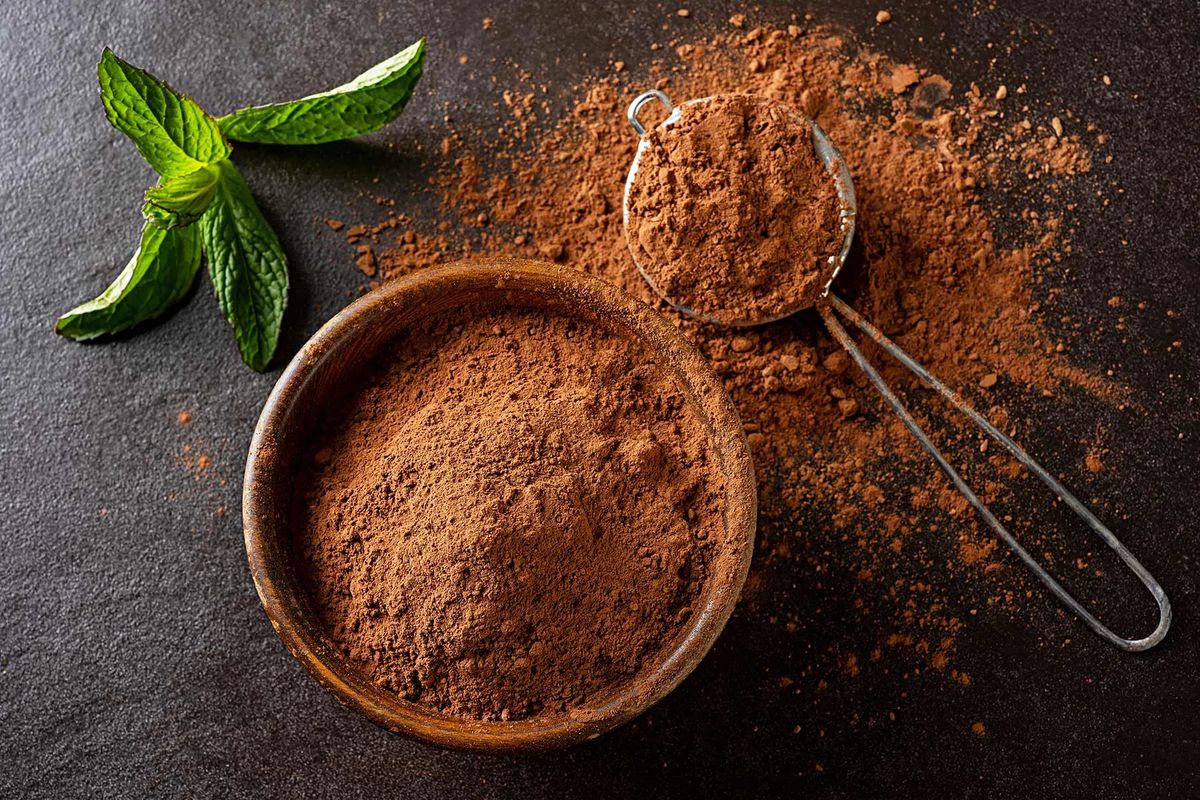
Imagine you’re the production manager of a chocolate‑coating line or a bakery facility: cocoa powder accounts for a significant portion of your raw‑material cost. Sourcing it smartly can directly impact your margins, product quality, and supply chain resilience. That’s exactly why importing Altin Marka cocoa powder from Turkey can be attractive:
- Competitive Cost: Turkey has become a growing player in cocoa powder trade, enabling well-priced bulk sourcing.
- Quality Consistency: Altin Marka, being a recognized Turkish brand, offers food‑grade, industrial‑grade cocoa powder with specifications suited for large‑scale manufacturers.
- Supply Chain Efficiency: Proximity to key markets and improving logistics infrastructure make Turkey an efficient sourcing base.
- Regulatory Compliance: Turkish suppliers are often familiar with international food safety standards, helping simplify import compliance.
In our experience supplying manufacturing facilities across various industries, we’ve seen how strategic sourcing decisions like this can reduce cost per kilogram without compromising on performance. At MT Royal, we work closely with Turkish producers — including Altin Marka — to ensure competitive pricing, quality consistency, and seamless logistics.
Understanding Cocoa Powder and Altin Marka: Fundamentals
What Exactly Is Cocoa Powder?
Cocoa powder is the dry, powdered form of cocoa mass from roasted cocoa beans, from which most of the cocoa butter has been removed. There are two main categories:
- Natural (non-alkalized) cocoa powder: acidic, strong chocolate flavor, often used in baking.
- Dutched (alkalized) cocoa powder: treated with an alkalizing agent, darker color, milder, smoother flavor.
Industrial plants typically choose based on the end product (chocolates, bakery goods, coatings) and process compatibility.
Why Altin Marka Matters
Altin Marka is a well-known Turkish brand in the cocoa-processing world. For manufacturing plants, it’s valued because:
- It offers food-grade cocoa powder suitable for large-scale production.
- Packaging options are industrial‑friendly (bulk bags, drums).
- Local production and warehousing in Turkey reduces lead times.
- Quality control protocols (e.g., moisture content, microbial safety) align with many international buyers’ expectations.
By importing Altin Marka, you can leverage a balance of quality, price, and reliability.
Key Strategic Benefits for Manufacturing Facilities
Before diving into the how-to, it’s worth understanding why this move can be transformative for a factory procurement team.
- Cost Efficiency
- Importing in large volumes from Turkey often delivers lower landed cost compared to buying from farther or more expensive origins.
- Decreased cost-per-unit gives room for better margins or competitive pricing.
- Quality and Consistency
- With a long-term supply agreement, you can lock in specifications (particle size, fat content, pH) to match your production needs.
- Consistent raw materials improve process stability (fewer rejects, better yield).
- Supply Chain Resilience
- Diversifying your cocoa powder sourcing reduces risks linked to geopolitical turmoil, currency variance, or origin-specific supply shocks.
- Regulatory Alignment
- Partnering with reputable Turkish manufacturers ensures compliance with food-safety standards, reducing regulatory friction at port and building trust with auditors.
- Scalability and Flexibility
- As your production scales, you can incrementally increase your orders.
- Flexible packaging (bulk vs smaller units) helps with storage planning and cost optimization.
Common Pitfalls and Misconceptions in Cocoa Powder Procurement
In working with many factories and procurement offices, we’ve seen repeated missteps or misunderstandings. Knowing these ahead can help you avoid them.
| Pitfall | Why It Happens | Impact on Your Operations |
|---|---|---|
| Ignoring quality specs | Buyers may assume all “industrial cocoa powder” is equal | Leads to inconsistent results in product batches, more waste, higher rework costs |
| Underestimating lead time | Turkish producers may require production and packaging lead time | Delays in supply, production downtime, emergency orders at higher cost |
| Poor regulatory preparation | Overlooking due-diligence, food-safety documentation | Import rejections, non-compliance fines, reputational risk |
| Poor logistics planning | Not negotiating freight and storage | Higher freight cost, port demurrage, inventory management issues |
| Neglecting risk buffer | Minimal safety stock | Disruptions if supplier fails to deliver, quality issues, or customs delays |

Step-by-Step Guide: How to Import Altin Marka Cocoa Powder from Turkey
Here is a detailed, practical guide for industrial buyers.
1. Conduct Market Research & Demand Assessment
- Forecast your usage
Estimate monthly and annual cocoa powder consumption based on your production schedules. - Evaluate price sensitivity
Compare landed cost of Altin Marka from Turkey versus local and other international suppliers. - Assess risk exposure
Consider exchange rate fluctuations, import lead time, and supply chain disruptions.
2. Identify and Select Reliable Suppliers
- Supplier vetting
Ask Turkish manufacturers for samples of Altin Marka cocoa powder, Certificates of Analysis (CoA), and facility audit reports. - Quality assurance
Confirm that the supplier adheres to food safety standards critical for industrial cocoa powder. - Long-term contract negotiation
Lock in specification (moisture, fat, pH, particle size), volume, packaging format, and pricing. - Leverage trusted partners
At MT Royal, we have established relationships with Turkish cocoa powder producers and can facilitate supplier introductions, negotiate on your behalf, and monitor quality.
3. Define Technical Specifications & Quality Parameters
- Specify product grade
Clarify whether you need natural or dutched cocoa, fat content, alkalizing level, etc. - Packaging format
Choose from bulk bags, multi-layer food-grade kraft bags, or drums depending on storage and handling infrastructure. - Quality metrics
Request a CoA including microbial limits, heavy metals, moisture, water activity, fat content, pH, etc. - Testing protocol
Agree on pre-shipment inspection or third-party lab testing to minimize the risk of subpar batches.
4. Regulatory Compliance & Certification
- Understand import regulations
Ensure cocoa powder meets food-safety and hygiene standards in your market. - Due diligence obligations
Exercise social and environmental due diligence where required. - Tariff and duty considerations
Classify the product correctly and calculate import duties, VAT, and other fees. - Documentation
Prepare commercial invoice, packing list, health certificate, CoA, certificate of origin, and customs declaration.
5. Logistics & Shipping
- Choose transportation mode
Most imports use sea freight for containerized bulk shipments. - Negotiate freight
Include inland transport in Turkey, port handling, customs clearance, and final delivery. - Insurance and risk management
Insure the cargo (all-risk coverage) to protect against damage, theft, or loss. - Storage planning
Ensure your warehouse maintains a dry, cool, pest-free environment.
6. Customs Clearance & Import Execution
- Customs broker
Engage a reliable broker experienced in food imports. - Customs declaration
Submit accurate documentation including correct classification and value. - Health inspection
Be prepared for inspections or sampling by food authorities.
7. Quality Inspection on Arrival
- Inbound testing
Test the batches for microbial safety, moisture, and heavy metals to verify specs. - Reject or quarantine
If a batch fails, quarantine or reject as necessary. - Supplier feedback
Provide detailed feedback to ensure continuous quality improvement.
8. Inventory & Production Integration
- Inventory buffer
Maintain safety stock to mitigate supply risks. - Process validation
Pilot test the cocoa powder in your production line to confirm performance. - Quality monitoring
Track KPIs such as batch consistency, downtime, and reject rates.
9. Relationship Management & Optimization
- Supplier reviews
Periodically evaluate performance on quality, lead time, and responsiveness. - Forecast collaboration
Share demand forecasts to help suppliers plan production. - Continuous improvement
Work jointly to improve packaging, testing, or specifications to reduce costs or enhance performance.
Real-Life Example: How a Chocolate Factory Saved 8% on Cocoa Costs
A mid-sized chocolate enrobing plant was facing rising local cocoa powder prices. Through MT Royal, they explored importing Altin Marka in bulk. After testing a pilot shipment, they confirmed moisture and pH matched their needs. Locking a 12-month contract, the factory saved about 8% on costs while maintaining product quality. They also gained a backup supply option, improving risk management.
How Altin Marka Compares with Premium Alternatives (Including Latamarko)
| Brand / Origin | Quality Tier | Strengths | Considerations |
|---|---|---|---|
| Altin Marka (Turkey) | Industrial / mid‑high | Competitive cost, local availability, consistent specs, bulk packaging | May require import lead time |
| European Premium (e.g., Latamarko) | Premium | High precision, strong food-safety standards, consistent particle size | Higher cost, smaller margin benefit |
Latamarko, a Spanish-origin brand, is known for precision and high-grade cocoa products. While Altin Marka is cost-effective for large-scale industrial use, Latamarko suits premium applications requiring exceptional consistency and flavor.
Pitfalls & How to Mitigate Them – Pro Tips
- Lead time miscalculation: Plan months ahead for production cycles.
- Specification mismatch: Clearly define particle size, pH, fat, and other parameters.
- Inadequate testing: Use third-party labs for both pre-shipment and post-arrival verification.
- Insufficient insurance: Protect against moisture, contamination, or transport damage.
- Regulatory oversight: Stay updated on import regulations, due diligence, and compliance requirements.
Special Considerations for Large-Scale Manufacturing Plants
- Warehouse capacity: Ensure scalable, food-grade storage with humidity control.
- Risk sharing: Negotiate long-term contracts with flexible volume and quality clauses.
- Sustainable sourcing: Require suppliers to demonstrate traceability and environmental responsibility.
- Handling equipment: Plan for bulk bags, forklifts, and safety measures.
- Supplier development: Conduct regular audits and joint quality improvement programs.
Frequently Asked Questions (FAQ)
Q1: Are there import duties on cocoa powder from Turkey?
A: Yes, duties and VAT apply based on classification. Work with an experienced customs broker.
Q2: Do Turkish producers comply with international food-safety standards?
A: Many reputable producers follow HACCP and other hygiene standards suitable for industrial use.
Q3: What quality certifications should I ask for?
A: Certificates of Analysis, factory audits, and optional sustainability or traceability documents.
Q4: How much lead time is needed?
A: For bulk orders, several weeks to a few months depending on production and shipping schedules.
Q5: What about sustainability and traceability?
A: Reputable suppliers can provide traceability data and information on environmental and social practices.
Q6: Why consider Latamarko?
A: It offers premium, high-precision cocoa suitable for specialty chocolate or refined applications.
Final Thoughts
Importing Altin Marka cocoa powder from Turkey can significantly enhance cost efficiency, quality consistency, and supply-chain resilience for industrial facilities. With careful specification, diligent supplier selection, and robust logistics planning, you gain both operational and strategic advantages.
At MT Royal, we’ve supported factories in sourcing, quality assurance, and supply-chain optimization, helping them achieve better margins while maintaining production excellence. And if your products require premium consistency, European brands like Latamarko provide an exceptional alternative.
The question isn’t just whether you can import Altin Marka—it’s how quickly and efficiently you can integrate it into your production line to gain a competitive edge.


No comment