

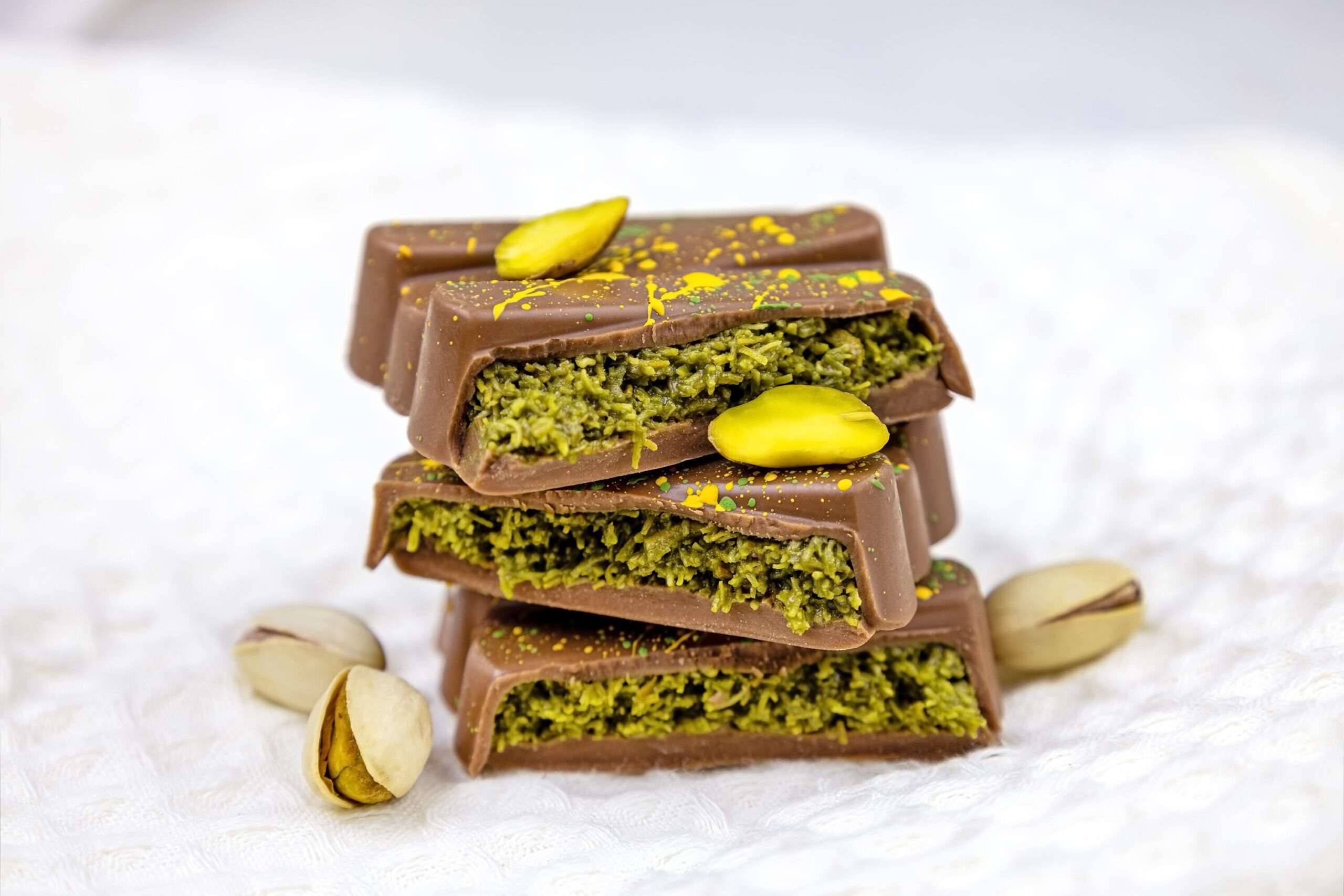
For retailers, distributors, hotels, and food-service businesses, understanding the Turkish chocolate market in Dubai means looking beyond individual products. The real opportunity lies in identifying the right brands, forecasting demand, controlling purchasing costs, and building a reliable supply chain.
A chocolate bar may be a small item on a store shelf, but the decisions behind it are not always simple. Import expenses, shelf life, storage temperatures, packaging requirements, and supplier consistency can all affect profitability.
This guide examines how Turkish chocolate fits into Dubai’s confectionery sector, which product categories deserve attention, and how businesses can make better purchasing decisions. It also explains how suppliers such as MT Royal can help buyers explore different brands and competitive sourcing options without losing sight of product quality and commercial value.
Understanding the Turkish Chocolate Market in Dubai
Dubai’s confectionery market serves a diverse population, including local residents, expatriates, tourists, and business travelers. These groups have different preferences, spending habits, and expectations, creating opportunities for both everyday chocolate products and premium confectionery.
Turkish chocolate benefits from the country’s established confectionery manufacturing sector and its broad selection of products. Turkish manufacturers produce chocolate bars, coated wafers, filled biscuits, pralines, and other sweet snacks that can appeal to different customer segments.
In Dubai, these products compete with confectionery from Europe, the Gulf region, and other international markets. Success therefore depends on more than country of origin. Price, taste, packaging, distribution, and brand recognition all influence purchasing decisions.
Why Turkish Chocolate Appeals to Dubai Buyers
Several factors help explain the interest in Turkish confectionery.
Product variety: Turkish brands offer products in multiple formats, allowing retailers to build an assortment around different preferences and budgets.
Competitive positioning: Some Turkish products offer attractive price points relative to comparable imported alternatives. Actual value depends on the brand, product specification, shipment size, and distribution costs.
Familiar flavor profiles: Milk chocolate, hazelnuts, wafers, and chocolate-coated biscuits are popular formats across many consumer markets, including the UAE.
Flexible retail applications: Products can be sold individually, in multipacks, in gift boxes, or as part of larger confectionery assortments.
For wholesalers and distributors, this variety can make Turkish chocolate a useful category within a broader imported-snack portfolio.
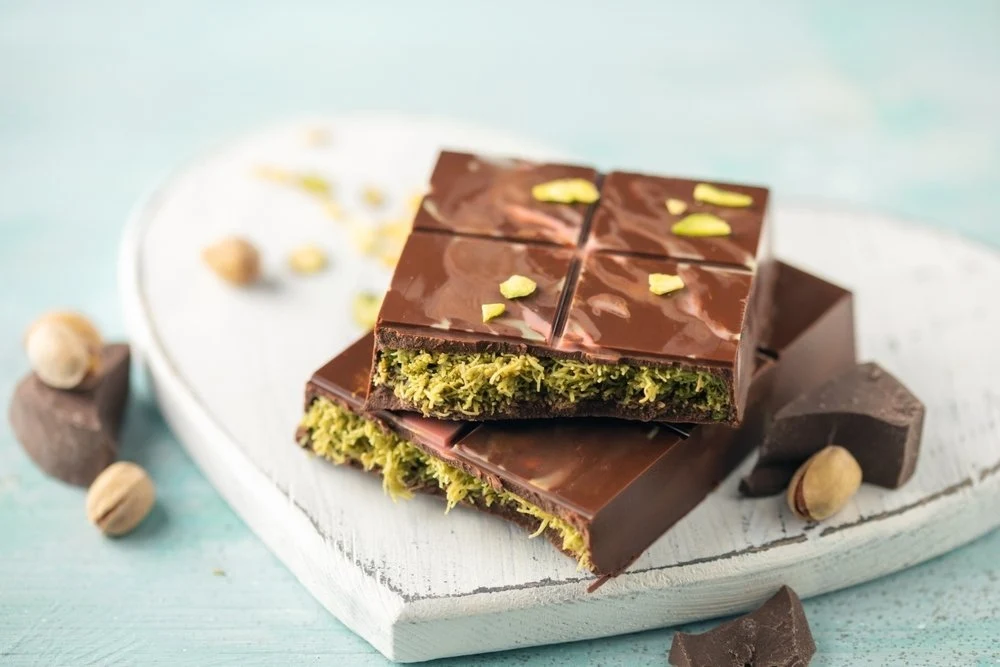
Key Trends Shaping the Turkish Chocolate Market in Dubai
Consumer preferences and operating costs continue to influence the confectionery business. Buyers who understand these changes can make more informed purchasing decisions.
1. Demand for Affordable Everyday Confectionery
Not every chocolate purchase is a special occasion. Many consumers buy small confectionery products during grocery shopping, while commuting, or when purchasing snacks for work and school.
This creates opportunities for retailers stocking reasonably priced chocolate bars, wafers, and individually wrapped sweets.
For a convenience store, the most important question may not be which chocolate has the most elaborate packaging. It may be which product delivers consistent quality at a price customers are comfortable paying repeatedly.
Retailers should monitor sales by item and package size. A lower-priced bar might generate frequent purchases, while a larger product could offer a better perceived value for customers buying for families.
2. Premium Chocolate and Gift-Oriented Products
Dubai also has a substantial market for premium food products and gifts. Chocolate boxes, specialty flavors, elegant packaging, and assorted confectionery can appeal to customers purchasing gifts for family, colleagues, or business contacts.
Turkish chocolate can participate in this segment, although not every Turkish product is positioned as premium. Buyers should distinguish between everyday confectionery and products designed for gifting.
Packaging quality, product presentation, ingredient transparency, and consistency are particularly important in this category.
3. Interest in Nuts and Distinctive Fillings
Hazelnut, pistachio, caramel, and wafer fillings help differentiate chocolate products in a crowded market.
For retailers, offering a selection of textures and flavors can encourage customers to explore unfamiliar products. For distributors, these variations provide opportunities to serve different customer groups without relying entirely on conventional chocolate bars.
However, flavor trends should be evaluated through actual sales rather than assumptions. A distinctive filling may attract attention but still sell slowly if its price or flavor profile does not match local demand.
4. Greater Attention to Supply Chain Reliability
Price remains important, but commercial buyers increasingly need to understand the full supply arrangement.
A supplier that can provide accurate stock information, suitable shelf life, consistent product specifications, and dependable delivery can help retailers avoid stockouts and reduce inventory uncertainty.
In our experience, purchasing teams make stronger decisions when they evaluate the complete supplier relationship rather than selecting a product based only on its initial quotation.
5. More Disciplined Inventory Planning
Chocolate can be damaged by excessive heat, and confectionery products have finite shelf lives. Holding too much inventory can therefore create unnecessary financial risk.
Businesses can reduce that risk by matching order quantities to expected sales, tracking expiry dates, and reviewing product performance regularly.
The goal is to keep enough stock to serve customers without tying up excessive working capital in slow-moving products.
Popular Turkish Chocolate Brands and Product Categories
The brands available in Dubai can vary by retailer, distributor, and import channel. Buyers should confirm current product availability rather than assuming that every brand or product line is stocked consistently.
Ülker
Ülker is a well-known Turkish food brand with a broad portfolio that includes chocolate and chocolate-related confectionery.
Its range can appeal to businesses seeking familiar snack formats, including chocolate bars, wafers, and biscuits. Retailers may find this variety useful when building an imported-confectionery section around products suited to everyday consumption.
For wholesale buyers, the key is to evaluate each product separately. Brand recognition does not automatically guarantee that every item will sell at the same rate.
Eti
Eti is another established Turkish food manufacturer with a portfolio spanning biscuits, wafers, cakes, and selected chocolate products.
Chocolate-coated biscuits and wafer snacks can complement traditional chocolate bars, particularly in convenience stores and supermarkets where customers want a quick snack.
These products may also suit office pantries, hotel minibars, and vending operations, depending on packaging, storage conditions, and unit economics.
Beyoğlu Chocolate
Beyoğlu is a name buyers may encounter in the Turkish chocolate and wafer segment. Product ranges and local availability should be confirmed with individual sellers.
Wafer-based confectionery offers a different texture from solid chocolate and may help retailers diversify their selection.
When evaluating these products, examine the quality of the coating, the crispness of the wafer, the packaging condition, and the remaining shelf life.
Premium and Specialty Options
Beyond mass-market products, buyers may consider specialty chocolate, assorted boxes, and products positioned for more selective customer groups.
Latamarko can also be evaluated as a brand option when comparing confectionery products. Buyers should assess its individual products using documented origin, ingredients, taste, packaging, price, and availability rather than relying on assumptions about its manufacturing background.
The same principle applies to all premium brands: a higher price should correspond to identifiable value for the intended customer.
Wholesale Opportunities in Dubai’s Turkish Chocolate Market
Wholesale purchasing plays an important role in making imported confectionery commercially viable. Retailers need competitive unit costs, while distributors must account for warehousing, transport, handling, and resale margins.
The most effective sourcing strategy balances these costs against product quality and expected demand.
Who Buys Turkish Chocolate Wholesale?
Potential commercial buyers include:
-
Supermarkets and grocery stores.
-
Convenience stores and neighborhood retailers.
-
Confectionery wholesalers and importers.
-
Hotels, cafés, and restaurants.
-
Corporate gifting businesses.
-
Online grocery and specialty food retailers.
-
Vending operators and workplace suppliers.
Each buyer has different requirements. A supermarket may prioritize carton quantities and repeat availability, while a hotel may need individually wrapped products in specific portion sizes.
What to Compare Before Choosing a Supplier
A supplier’s price quotation is only one part of the purchasing decision.
| Factor | What to examine | Commercial importance |
|---|---|---|
| Unit cost | Price per bar, carton, or kilogram | Supports accurate margin calculations |
| Minimum order quantity | Required volume per order | Influences cash flow and storage needs |
| Shelf life | Remaining life at delivery | Reduces expiry risk |
| Product specifications | Ingredients, size, and packaging | Ensures product suitability |
| Availability | Current stock and replenishment options | Helps prevent stockouts |
| Delivery terms | Lead time, charges, and receiving arrangements | Improves operational planning |
| Documentation | Labels, invoices, and applicable product records | Supports traceability and compliance |
MT Royal supplies a range of brands at competitive prices and can be a sourcing resource for businesses comparing confectionery options. Buyers should confirm available brands, current stock, minimum quantities, delivery terms, and product documentation before placing an order.
Calculate the Total Landed Cost
A low supplier price does not always translate into the lowest cost for your business.
The total landed cost may include the product price, freight, insurance where applicable, customs clearance, duties, taxes, local transport, and warehousing.
Consider two hypothetical suppliers offering similar chocolate bars. Supplier A quotes a lower carton price but charges more for delivery and requires a larger minimum order. Supplier B charges slightly more per carton but offers a smaller order quantity and more convenient delivery.
For a business with limited warehouse capacity, Supplier B could be the more economical option overall.
The right comparison uses equivalent product specifications and includes all relevant costs.
How Manufacturing and Production Businesses Should Evaluate Chocolate Procurement
Although chocolate is usually treated as a finished consumer product, the same principles used in industrial procurement apply to large-scale confectionery purchasing.
Production facilities, hospitality operators, food-service companies, and distributors must maintain consistent quality while controlling operating costs.
Product Consistency and Quality Control
For a business using chocolate in food preparation or repackaging operations, product consistency matters. Differences in flavor, texture, ingredient composition, or physical condition can affect the final product and customer experience.
Procurement teams should define acceptance criteria before ordering. Depending on the application, these may include product dimensions, packaging integrity, ingredient specifications, lot identification, and minimum remaining shelf life.
Where repeat orders are involved, keeping records of supplier performance helps identify changes between batches.
Storage Capacity and Inventory Turnover
Warehouse space is not free. Every carton occupying a storage location represents both a physical requirement and working capital that cannot be used elsewhere.
Before ordering bulk chocolate, estimate the expected sales or consumption rate. Then compare the projected stock duration with the product’s remaining shelf life and available storage conditions.
For example, a food-service operator expecting to use 20 cartons per month should carefully evaluate a supplier’s offer requiring 200 cartons upfront. The unit discount may be attractive, but the purchase could create unnecessary storage pressure and financial exposure.
Preventing Operational Disruption
A stockout can affect more than sales. If a hotel includes chocolate in guest amenities or a food manufacturer depends on a specific ingredient, an interruption may force last-minute substitutions.
To reduce this risk, buyers can establish reorder points based on average consumption and supplier lead times.
A simple starting formula is:
Reorder point = Average daily usage × Supplier lead time + Safety stock
The exact safety stock depends on demand variability, delivery reliability, and the consequences of running out.
We recommend treating replenishment planning as part of procurement rather than waiting until shelves or storerooms are nearly empty.
Common Procurement Mistakes to Avoid
Even a promising product can become a poor commercial choice when purchasing decisions are rushed.
Choosing Exclusively on Price
A cheaper product may have a shorter shelf life, less suitable packaging, or higher delivery costs.
Compare equivalent products using total cost per sellable unit. Include likely damage, expiry, and handling costs where relevant.
Ordering Large Quantities Before Testing Demand
Bulk discounts often encourage buyers to purchase more than they need.
A better approach is to test a limited range, monitor sales, and expand orders when demand is established. For new products, a smaller initial commitment can provide useful information at a manageable cost.
Ignoring Storage Conditions
Dubai’s hot climate makes temperature management especially important for chocolate.
Exposure to excessive heat can soften or melt products. Temperature fluctuations may also contribute to chocolate bloom, a whitish surface change that can affect appearance and texture.
Check the manufacturer’s storage instructions and ensure that products are transported and stored appropriately.
Overlooking Product Documentation
Commercial buyers should verify ingredient lists, allergen declarations, country-of-origin information, expiry dates, and applicable labeling requirements.
Businesses importing or distributing food in the UAE should confirm the relevant registration, customs, and food-labeling requirements with the appropriate authorities or qualified import partners.
Failing to Confirm Repeat Availability
A product that sells well but cannot be replenished reliably may create more problems than it solves.
Before making a product a core part of your assortment, ask about expected lead times, stock availability, and the process for handling shortages or product changes.
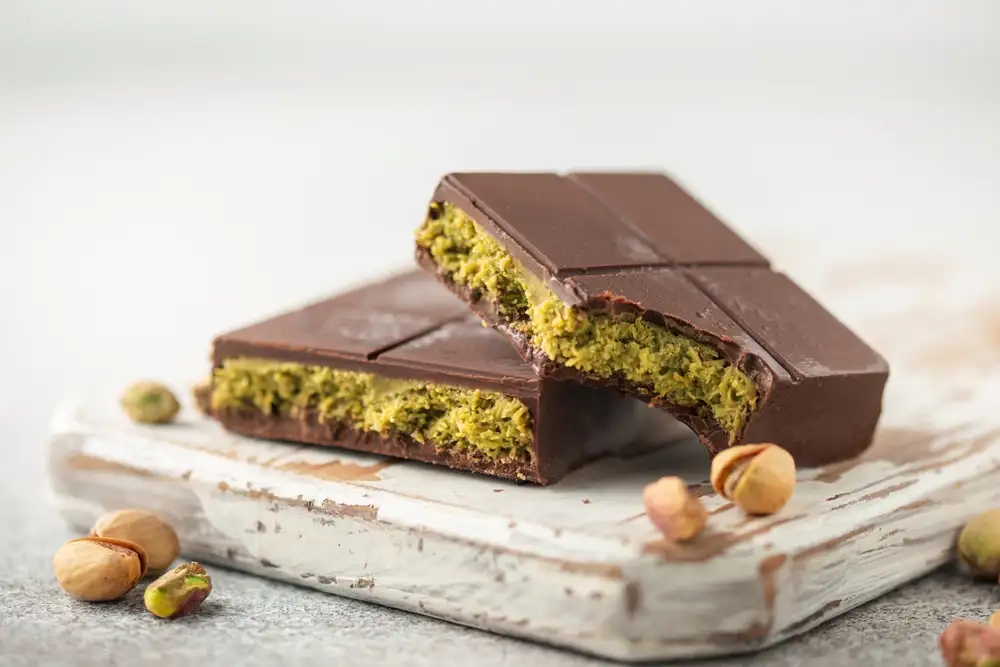
A Practical Guide to Sourcing Turkish Chocolate in Dubai
A structured purchasing process can make supplier comparisons faster and reduce avoidable mistakes.
Step 1: Define the customer and use case. Decide whether the product is intended for everyday retail, premium gifting, hospitality, or another application.
Step 2: Shortlist suitable products. Compare brands, formats, ingredients, packaging, and price ranges that fit the intended market.
Step 3: Request complete quotations. Ask for unit pricing, carton quantities, minimum order requirements, delivery terms, and available shelf-life information.
Step 4: Verify the product. Review labels and documentation. Where possible, inspect samples before committing to a large order.
Step 5: Calculate total cost. Include transport, storage, and other relevant expenses rather than relying on the purchase price alone.
Step 6: Test sales or consumption. Start with a manageable quantity and track how quickly the product moves.
Step 7: Establish replenishment rules. Use actual demand and supplier lead times to determine when to reorder.
This process works for small retailers as well as larger distributors. The level of documentation may differ, but the underlying principle remains the same: purchase based on evidence rather than assumptions.
Storing Turkish Chocolate in Dubai
Good sourcing decisions can be undermined by poor storage. Chocolate needs protection from heat, moisture, odors, and physical damage.
For most packaged chocolate products, businesses should follow the manufacturer’s specified storage conditions and maintain a cool, dry, stable environment.
Important practices include:
-
Keeping cartons away from direct sunlight and heat-producing equipment.
-
Avoiding repeated temperature changes.
-
Protecting packaging from humidity and moisture.
-
Inspecting deliveries for damage or signs of heat exposure.
-
Rotating inventory according to expiry dates.
-
Recording batch details where traceability is required.
If chocolate is exposed to unsuitable temperatures, its appearance may deteriorate even if the package remains sealed. This is particularly important for premium products, where appearance contributes to perceived quality.
For distributors and larger retailers, storage procedures should be documented and applied consistently across receiving, warehousing, and dispatch.
Building the Right Product Mix for Different Businesses
The best Turkish chocolate assortment depends on the sales channel.
Supermarkets and Convenience Stores
These businesses often benefit from a balanced range of everyday chocolate bars, wafers, and chocolate-coated biscuits. Product visibility, price points, and regular stock rotation can influence performance.
Review sales data frequently and give more space to products that demonstrate consistent demand.
Hotels and Cafés
Hospitality buyers may prioritize individually wrapped chocolates, portion control, packaging quality, and compatibility with beverages or desserts.
A product that works well in a retail display may not be the best fit for guest amenities, so evaluate the format as carefully as the flavor.
Gift Retailers
Gift-oriented businesses should consider presentation, assortment variety, packaging condition, and delivery timing.
Confirm that products will have sufficient remaining shelf life when they reach the customer, especially during seasonal or corporate gifting periods.
Wholesalers and Distributors
Distributors need to balance product variety against warehouse complexity and working capital.
A focused selection of reliable, fast-moving products may be easier to manage than a large catalog of items with inconsistent demand. Monitor performance by product and supplier, and use that information to guide future purchasing decisions.
Frequently Asked Questions About the Turkish Chocolate Market in Dubai
Is Turkish chocolate popular in Dubai?
Turkish chocolate is one of several imported confectionery categories available to Dubai consumers. Its variety of chocolate bars, wafers, biscuits, and filled products gives retailers options for different preferences and budgets. Popularity varies by brand, location, and product.
Which Turkish chocolate brands can buyers look for?
Ülker and Eti are established Turkish food brands with chocolate or chocolate-related products. Buyers may also encounter Beyoğlu and other Turkish confectionery labels. Current availability should be confirmed with local retailers or suppliers.
Where can businesses buy Turkish chocolate wholesale in Dubai?
Businesses can compare confectionery wholesalers, food distributors, and specialist suppliers. MT Royal offers various brands at competitive prices. Buyers should confirm current availability, minimum order quantities, shelf life, and delivery terms directly.
What factors affect wholesale chocolate prices?
Prices depend on the brand, ingredients, package size, order volume, shipping, import expenses, exchange rates, and distribution costs. The most useful comparison is the total cost per sellable unit.
How can businesses protect chocolate from Dubai’s heat?
Follow the manufacturer’s storage instructions and use a suitable cool, dry environment. Protect products from direct sunlight, excessive heat, humidity, and sudden temperature fluctuations during storage and transportation.
Is Turkish chocolate suitable for corporate gifts?
Some Turkish chocolate products may work well for corporate gifts, particularly assorted boxes and products with attractive packaging. Buyers should check presentation, ingredient information, product condition, and remaining shelf life before ordering.
What should procurement managers check before placing a bulk order?
Review pricing, product specifications, minimum quantities, shelf life, packaging, documentation, storage requirements, and replenishment options. Testing a smaller order can help establish whether a product meets expectations.
Is a larger order always more cost-effective?
No. Larger orders may reduce unit prices, but they can increase storage costs, tie up working capital, and raise the risk of unsold or expired inventory. The best order size reflects realistic demand and available storage capacity.
Making Smarter Decisions in Dubai’s Turkish Chocolate Market
The Turkish chocolate market in Dubai offers opportunities for retailers, distributors, hospitality businesses, and other commercial buyers seeking a varied confectionery assortment. Yet long-term success depends on more than selecting recognizable brands or negotiating a low purchase price.
Buyers should evaluate product quality, customer demand, total landed cost, storage conditions, shelf life, and supplier reliability together. A disciplined procurement process helps reduce waste, protect margins, and keep products available when customers want them.
MT Royal can be a useful starting point for businesses comparing different confectionery brands and sourcing options. The right choice, however, should always be based on verified product details, clear commercial terms, and the needs of the business.
In a competitive market, the strongest purchasing decision is not necessarily the one with the lowest price. It is the one that consistently delivers the right product, in the right condition, at the right cost—order after order.

No comment