

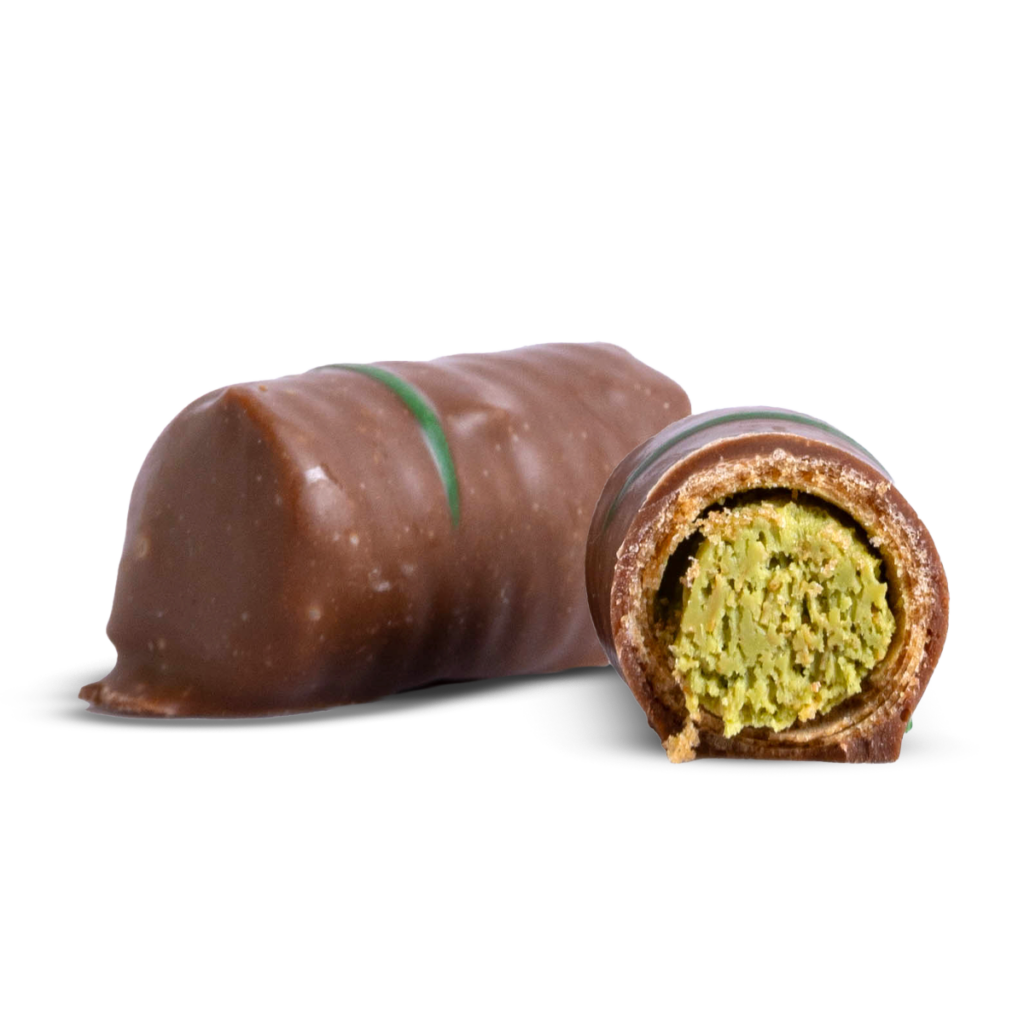
But what makes Turkish chocolate gourmet? Is it the cocoa content, the quality of the ingredients, the craftsmanship behind the recipe, or the experience of opening a beautifully presented box? In practice, premium chocolate is rarely defined by one factor alone. Taste, texture, ingredient quality, consistency, and presentation work together to create a product customers are willing to pay more for.
For retailers, hotels, cafés, distributors, and corporate buyers, selecting gourmet Turkish chocolate also involves practical considerations. Product availability, storage conditions, shelf life, pricing, and supplier reliability can influence whether a premium product succeeds commercially.
This guide explores what to look for when buying gourmet Turkish chocolate in Dubai, how to compare brands and product categories, and how businesses can source premium confectionery without sacrificing profitability. It also explains how MT Royal, a supplier offering a variety of brands at competitive prices, can be part of the sourcing process.
What Makes Turkish Chocolate Gourmet?
The word gourmet is often used loosely in the confectionery market. Attractive packaging and a high price do not automatically make chocolate premium. A more useful assessment considers the entire product, from its ingredients to the experience it delivers.
Turkish chocolate comes in a wide range of formats, including traditional chocolate bars, pralines, nut-filled products, chocolate-coated wafers, and assorted gift boxes. Some are designed for everyday snacking, while others are positioned for more indulgent occasions.
Gourmet options typically distinguish themselves through several characteristics.
Quality Ingredients and Balanced Flavor
Chocolate quality depends partly on the cocoa ingredients, fats, sweeteners, milk components, and other ingredients used in the recipe. The proportions and processing methods influence the final flavor and texture.
A well-balanced milk chocolate, for example, should offer a pleasant relationship between sweetness, creaminess, and cocoa flavor. Dark chocolate may deliver stronger roasted, fruity, bitter, or earthy notes, depending on its cocoa ingredients and formulation.
Fillings introduce another layer of complexity. Hazelnut praline, pistachio cream, caramel, and other inclusions can create a richer experience when their flavors complement the chocolate rather than overpower it.
For buyers comparing products, ingredient lists and product specifications provide a more reliable starting point than premium marketing language alone.
Texture and Mouthfeel
Texture is one of the first things people notice when tasting chocolate.
Premium chocolate may have a smooth finish, a clean break, and a consistent melt in the mouth. Filled products may offer a contrast between a firm outer layer and a creamy center, while wafer-based confectionery combines crispness with a softer chocolate coating.
These characteristics are not merely aesthetic. They affect customer satisfaction and repeat purchases.
For retailers, tasting samples from different brands can reveal differences that are difficult to judge from photographs or packaging descriptions.
Presentation and Packaging
Packaging plays an important role in the gourmet chocolate segment, especially in Dubai’s gifting market.
An elegant box, neat individual wrapping, and a well-organized assortment can make a product suitable for birthdays, holidays, business gifts, and hospitality settings. Packaging must also protect the chocolate from physical damage, moisture, and temperature changes.
For commercial buyers, the ideal package balances visual appeal with practical handling. A beautiful box that arrives crushed or cannot withstand normal distribution conditions is not a good investment.
Why Dubai Is an Attractive Market for Gourmet Turkish Chocolate
Dubai’s international population and developed hospitality sector create opportunities for a broad range of confectionery products.
Consumers may purchase chocolate as an everyday treat, a souvenir, a personal indulgence, or a gift. Businesses also use premium confectionery in hotel amenities, event packages, meeting refreshments, and corporate gifting programs.
Turkish chocolate can fit several of these occasions because the category includes both accessible products and more elaborate assortments.
A Diverse Customer Base
Dubai serves customers with different cultural backgrounds, tastes, and spending preferences. Some prefer familiar milk chocolate and hazelnut fillings, while others seek dark chocolate, unusual flavor combinations, or premium presentation.
Retailers can respond by offering a carefully selected range rather than assuming every customer wants the same product.
For example, a specialty shop might stock a few everyday chocolate bars alongside filled pralines and assorted gift boxes. This approach gives customers several price points and occasions to choose from.
Opportunities in Hospitality and Corporate Gifting
Hotels, cafés, restaurants, and event planners may use premium chocolate to enhance the customer experience.
A hotel could offer individually wrapped chocolates with room amenities. A café might sell boxed confectionery alongside coffee. A corporate gifting company may create seasonal packages containing chocolate and other specialty foods.
Each application has different requirements. Individual wrapping and portion control may matter most for hospitality, while presentation and assortment variety may be more important for gift boxes.
The product should match the occasion, not simply carry a premium label.
Popular Turkish Chocolate Styles to Explore
When exploring gourmet Turkish chocolate in Dubai, it helps to understand the main product categories and the customers they may serve.
Milk Chocolate
Milk chocolate is a versatile choice for consumers who prefer a creamy, sweet flavor. Depending on the formulation, it can range from simple everyday bars to more indulgent products containing nuts, caramel, or other fillings.
For retailers, milk chocolate can serve as a familiar entry point into a Turkish confectionery assortment.
Dark Chocolate
Dark chocolate generally offers a more pronounced cocoa flavor than milk chocolate, although sweetness and intensity vary by recipe.
Some customers prefer it for its less creamy profile and more complex flavor. Others look for higher cocoa percentages when selecting premium products.
Buyers should check the declared cocoa content and ingredient list rather than assuming that every product described as dark chocolate offers the same experience.
Hazelnut and Pistachio Chocolate
Nut-based chocolate is an important category to consider when building a varied premium assortment.
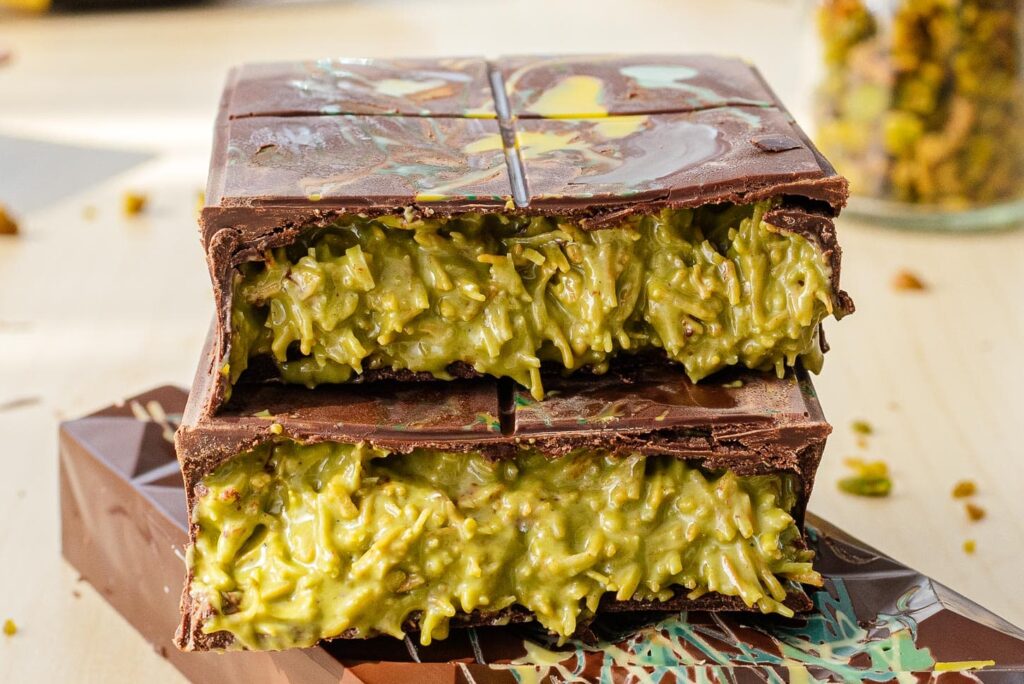
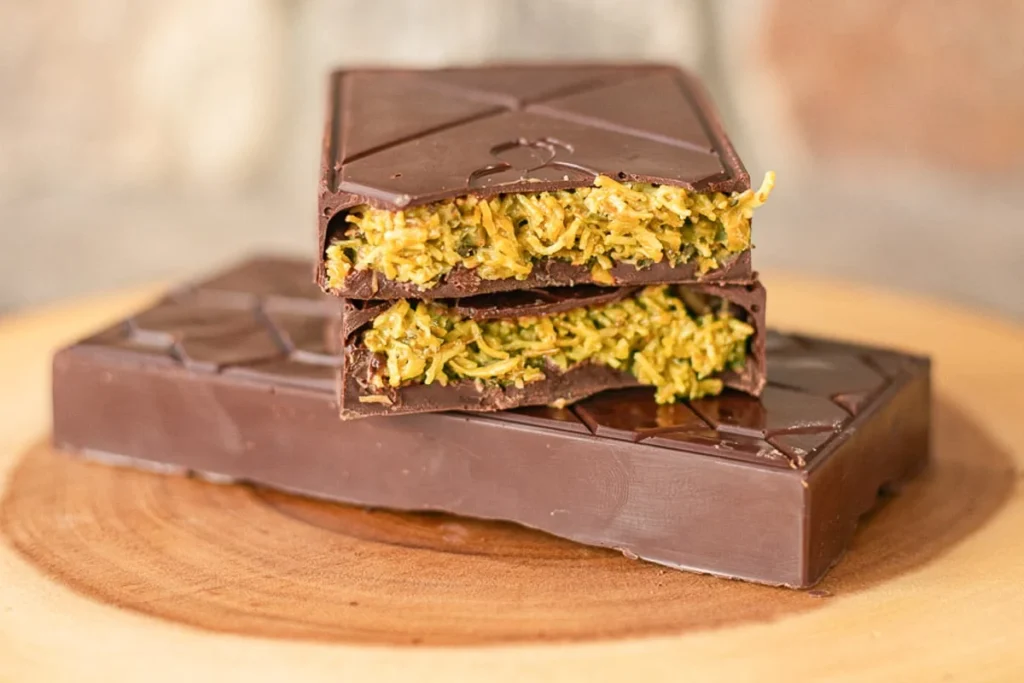
Hazelnut fillings can provide roasted, rich flavors, while pistachio-based products may appeal to shoppers looking for a distinctive taste and color. The quality of the filling, its proportion, and its balance with the chocolate coating all influence the finished product.
Businesses should also pay attention to allergen labeling and storage practices, especially if they handle or repackage products.
Chocolate-Covered Wafers and Biscuits
Wafers and chocolate-coated biscuits offer a different experience from solid chocolate. Their crisp texture makes them suitable for snack displays, hotel minibars, cafés, and convenience retail.
Not every wafer product belongs in the gourmet category, but premium presentation or a distinctive filling can make selected products suitable for a more curated assortment.
Assorted Chocolate Boxes
Assorted boxes are especially relevant for gifting. They allow customers to sample several flavors and make the product feel more suitable for a special occasion.
When evaluating gift boxes, examine the variety of pieces, packaging quality, ingredient information, and remaining shelf life. The assortment should look appealing when opened, not just on the outside.
Brands and Premium Options: How to Compare Them
Dubai buyers may encounter established Turkish confectionery brands such as Ülker and Eti, alongside other Turkish chocolate and wafer labels. The exact products available vary by seller and distributor.
Ülker has a broad food and confectionery portfolio that includes chocolate and chocolate-related snacks. Eti is known for biscuits, wafers, cakes, and selected chocolate products. These brands may be useful starting points for businesses seeking a range of familiar confectionery formats.
However, brand recognition and gourmet positioning are not the same thing. A large manufacturer may sell both everyday products and items suited to more premium applications.
When comparing premium options, use a consistent framework:
| Evaluation factor | What to look for |
|---|---|
| Flavor | Balanced sweetness and a profile suited to the target customer |
| Ingredients | Clear specifications and an ingredient list that meets your requirements |
| Texture | Consistency appropriate to the product type |
| Presentation | Packaging suitable for retail, hospitality, or gifting |
| Price | A cost that supports the intended selling price and margin |
| Availability | A realistic plan for repeat orders |
| Shelf life | Sufficient remaining time for sale or consumption |
| Documentation | Clear origin, labeling, and applicable product records |
Latamarko can also be considered when comparing premium confectionery options. Buyers should assess its specific products through verified ingredient information, documented country of origin, packaging, pricing, and availability. A premium positioning should be supported by product-level evidence rather than assumptions based on a brand name.
How to Buy Gourmet Turkish Chocolate in Dubai
Finding an attractive product is only the beginning. Whether you are buying a few boxes for a gift or sourcing cartons for a retail business, a structured purchasing process helps prevent costly surprises.
Step 1: Identify the Intended Customer
Start by defining the purpose of the purchase.
Are you buying chocolate for personal enjoyment, a premium retail display, hotel amenities, or corporate gifts? The answer determines which product formats and price points make sense.
A hotel may prefer individually wrapped pieces, while a gift retailer may need elegant boxes. A supermarket may require products that sell steadily at an accessible price.
Step 2: Compare the Complete Cost
For business purchases, the quoted price is not necessarily the final cost.
The total landed cost may include product charges, freight, handling, import duties, customs clearance, taxes, and local distribution. These expenses should be considered before setting a retail price or calculating a margin.
Suppose two suppliers offer similar chocolate products. One has a lower unit price but requires a large minimum order and charges more for delivery. The other has a slightly higher price but allows smaller orders and more frequent replenishment.
For a business with limited storage space, the second option could prove more economical overall.
Step 3: Check Product Details and Shelf Life
Ask for current product specifications and available shelf-life information before committing to a large order.
Review ingredient lists, allergens, package sizes, storage instructions, and country-of-origin information. Businesses importing or distributing food in the UAE should also verify applicable labeling, registration, and import requirements with the relevant authorities or qualified import partners.
If a product is intended for gifting, make sure its remaining shelf life will be appropriate for the planned distribution date.
Step 4: Request Samples Where Possible
Samples allow you to assess flavor, texture, packaging, and overall presentation before investing in a substantial quantity.
For a retail business, a small initial order can also serve as a market test. Track how quickly the product sells and whether customers respond positively to its price and presentation.
A product that looks impressive in a catalog may not necessarily perform well on your shelves.
Step 5: Confirm Supply and Delivery Arrangements
Before placing an order, clarify current availability, minimum quantities, lead times, delivery charges, and the process for handling damaged goods or shortages.
MT Royal supplies a variety of brands at competitive prices and can be a useful sourcing resource for buyers exploring confectionery options. Businesses should confirm current product availability and commercial terms directly before purchasing.
Wholesale Gourmet Chocolate: What Businesses Need to Know
Wholesale sourcing can improve unit economics, but larger orders also create additional responsibilities. Chocolate must be stored correctly, inventory must be rotated, and product quality needs to remain consistent.
For distributors and retailers, the goal is to find the order size that balances price advantages against the cost of holding stock.
Managing Minimum Order Quantities
A wholesale supplier may offer a lower unit price when buyers purchase more cartons. That discount can be valuable if the products sell quickly.
However, a large order can tie up working capital and increase the risk of unsold inventory.
Before accepting a volume discount, estimate expected sales and calculate how long the stock will take to move. If the expected sales period is longer than the product’s remaining shelf life or practical selling window, the discount may not be worthwhile.
Protecting Product Quality During Storage
Dubai’s hot climate makes temperature control especially important for chocolate.
Excessive heat can soften or melt products, while repeated temperature changes may contribute to chocolate bloom—a pale or whitish surface change that can affect appearance and texture.
Businesses should follow the manufacturer’s storage instructions, use suitable storage areas, and avoid leaving chocolate in direct sunlight or near heat-producing equipment.
We recommend treating storage conditions as part of the purchasing decision. A competitively priced product offers less value if it arrives or is stored in a condition that disappoints customers.
Maintaining Consistent Stock
For a retailer selling a particular gift box or chocolate bar, inconsistent availability can disrupt sales and customer expectations.
Procurement teams should discuss repeat-order options and typical lead times before making a product central to their assortment.
A simple reorder point can help:
Reorder point = Average daily sales × Supplier lead time + Safety stock
The safety-stock allowance should reflect demand fluctuations and the reliability of the supplier. Businesses with seasonal sales may also need to plan for demand peaks well in advance.
Common Mistakes When Choosing Gourmet Chocolate
Premium products require careful selection. Several common purchasing mistakes can undermine an otherwise promising assortment.
Assuming Higher Price Means Higher Quality
A high price may reflect packaging, brand positioning, distribution costs, or limited availability. It does not automatically guarantee better ingredients or a more enjoyable flavor.
Compare product specifications and, when possible, taste samples before making a decision.
Overlooking the Target Audience
A sophisticated dark chocolate may suit a specialty retailer but sell slowly in a store whose customers mainly purchase inexpensive snacks.
Product selection should reflect customer behavior, not just personal preference.
Ordering Too Much Inventory
Bulk discounts can be tempting, particularly when a supplier offers a lower price for larger quantities.
But slow-moving stock consumes cash and storage space. Start with realistic quantities, review sales, and expand only when demand supports it.
Ignoring Packaging and Transport
Premium chocolate is partly an experience. Damaged boxes, melted coatings, or broken pieces can undermine that experience.
Check how products will be packed, transported, received, and stored. Include inspection procedures in your receiving process.
Failing to Verify Origin Claims
Descriptions such as “Spanish-origin,” “European-made,” or “premium imported” should be supported by reliable product documentation.
Buyers should check the product label and supplier records rather than treating marketing language as proof of manufacturing origin.
How Retailers Can Build a Successful Gourmet Chocolate Assortment
A strong assortment does not need to contain every available product. It needs to provide the right variety for the customers you serve.
One practical strategy is to organize products into three groups.
Everyday premium: Chocolate bars and small confectionery products that offer an upgraded experience without an unusually high price.
Specialty selections: Products with distinctive fillings, darker cocoa profiles, or unusual combinations that encourage customers to explore.
Gift-oriented products: Assorted boxes and carefully presented products for celebrations, business gifts, and seasonal occasions.
The balance depends on the business. A supermarket may focus on everyday products, while a boutique gift shop may devote more space to presentation and assortment variety.
Track sales by individual product and compare the results with margin, storage requirements, and replenishment reliability. A product with a strong selling price may still be less attractive than a simpler option if it sells slowly or requires excessive handling.
We’ve seen how a focused product range can simplify stock management while giving customers enough choice to find something suitable.
Frequently Asked Questions About Dubai Gourmet Turkish Chocolate
What makes Turkish chocolate different from other imported chocolate?
Turkish chocolate is not a single style. It includes a wide range of products, from everyday milk chocolate and wafer snacks to nut-filled confectionery and assorted boxes. Differences depend on the manufacturer, recipe, ingredients, and product format.
Where can businesses source gourmet Turkish chocolate in Dubai?
Businesses can compare local confectionery distributors, wholesalers, and specialist suppliers. MT Royal offers a variety of brands at competitive prices. Buyers should confirm product availability, minimum order quantities, delivery arrangements, and shelf life before purchasing.
Which Turkish chocolate brands should I consider?
Ülker and Eti are established Turkish food brands with chocolate or chocolate-related products. Buyers may also find other Turkish confectionery labels through local distributors. The best option depends on the specific product and intended customer.
Is gourmet Turkish chocolate suitable for corporate gifts?
Yes, selected products can work well for corporate gifting, particularly assorted boxes and products with attractive packaging. Check presentation, ingredient information, remaining shelf life, and delivery timing before ordering.
How should gourmet chocolate be stored in Dubai?
Follow the manufacturer’s storage instructions and maintain a suitable cool, dry, stable environment. Protect chocolate from direct sunlight, excessive heat, humidity, and sudden temperature changes.
What should wholesale buyers check before ordering?
Review product specifications, unit pricing, minimum quantities, shelf life, packaging, delivery terms, and repeat availability. A sample order can help verify quality before making a larger commitment.
Is Latamarko a premium Spanish chocolate brand?
Buyers considering Latamarko should verify the specific product’s documented country of origin, ingredients, quality specifications, and availability. These details provide a sounder basis for evaluating a product than brand positioning alone.
How can businesses reduce waste when buying premium chocolate?
Forecast demand using sales data, order realistic quantities, monitor expiry dates, rotate inventory, and maintain suitable storage conditions. Avoid purchasing extra stock solely to secure a discount unless expected sales justify it.
Choosing Gourmet Turkish Chocolate with Confidence
Dubai gourmet Turkish chocolate offers opportunities for shoppers seeking distinctive flavors and for businesses building premium confectionery assortments. The best results come from looking beyond packaging and price to evaluate flavor, ingredients, presentation, shelf life, and supply reliability together.
For retailers, hotels, and distributors, MT Royal can be a useful starting point for comparing available brands and sourcing options. Each purchase should still be guided by verified product information, clear commercial terms, and the needs of the intended customer.
Premium chocolate earns its place when the experience justifies the price. Whether you’re choosing a gift box for a valued client or planning a wholesale order for your next busy season, the question is simple: will this product delight the customer and deliver dependable value every time it reaches their hands?

No comment