

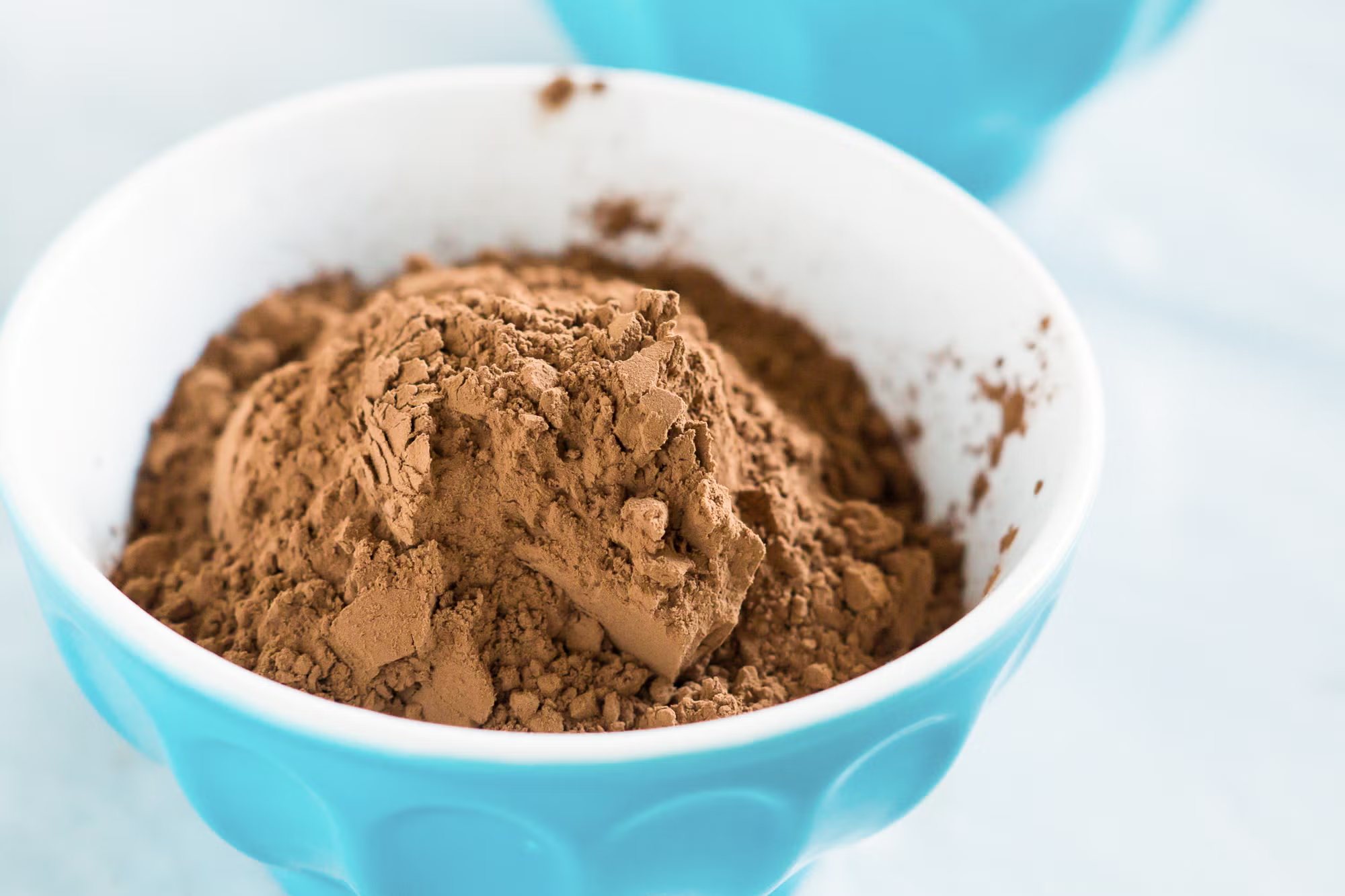
Cocoa powder is more than just an ingredient—it’s the foundation of flavor, color, and texture in chocolates, baked goods, beverages, and countless industrial formulations. For factory managers, procurement officers, and production supervisors, selecting the right cocoa powder can significantly impact product consistency, shelf-life, and customer satisfaction.
But not all cocoa powders are created equal. Natural cocoa powder and alkalized (or Dutch-processed) cocoa powder each offer unique properties, and understanding these differences is essential for large-scale production. In our experience supplying manufacturing facilities across multiple sectors, choosing the right cocoa powder goes beyond price—it’s a strategic decision that affects every stage of production, from mixing and baking to packaging and distribution.
In this guide, we’ll explore the fundamental differences between natural and alkalized cocoa powders, share actionable insights for industrial buyers, and highlight how working with trusted suppliers like MT Royal—and premium brands such as Latamarko—can enhance operational efficiency.
Understanding Cocoa Powder: Definitions and Fundamentals
What is Natural Cocoa Powder?
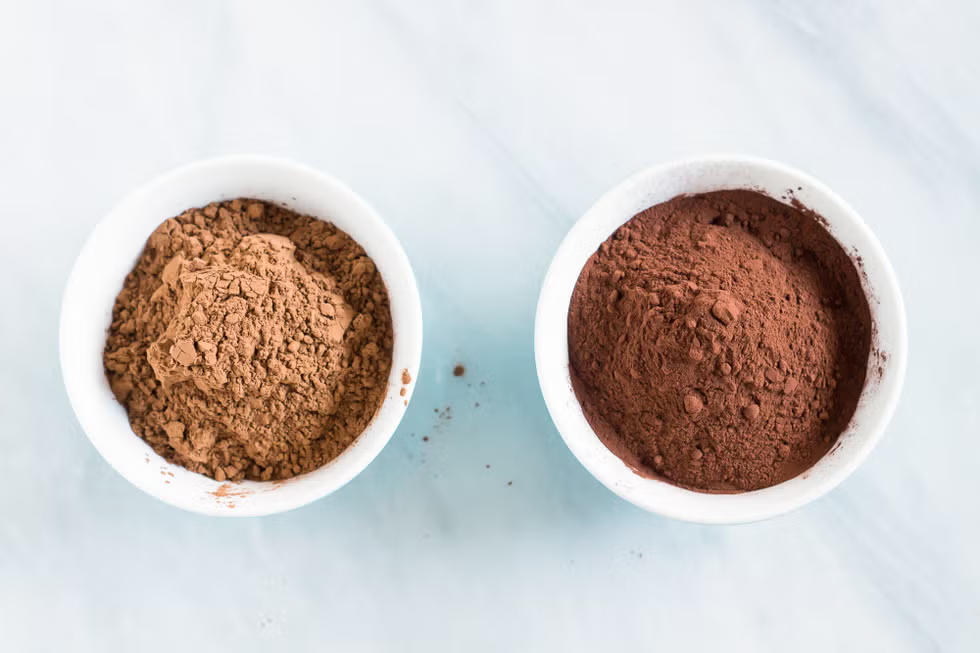
Natural cocoa powder is made from roasted cocoa beans that are ground and pressed to remove most of the cocoa butter. It is acidic, with a pH of around 5–6, which gives baked goods a sharp, robust chocolate flavor and a lighter brown color. Its acidity interacts naturally with baking soda, making it ideal for recipes that require chemical leavening.
Key features of natural cocoa powder include:
- Strong, intense chocolate flavor
- Lighter color
- Higher acidity, affecting recipe chemistry
What is Alkalized (Dutch-Processed) Cocoa Powder?
Alkalized cocoa powder undergoes a Dutching process, where the cocoa solids are treated with an alkalizing agent to neutralize acidity. This process produces a darker, richer color and a milder, smoother flavor, making it ideal for certain chocolate products, beverages, and confectionery applications.
Key industrial benefits:
- Consistent, mellow flavor
- Darker color, preferred in premium chocolates
- Reduced acidity, allowing flexibility with baking ingredients
Flavor, Color, and Application Differences
Choosing between natural and alkalized cocoa powder is not just about taste—it’s about aligning the ingredient with your production goals.
| Feature | Natural Cocoa Powder | Alkalized Cocoa Powder |
|---|---|---|
| Flavor | Robust, tangy | Smooth, mellow |
| Color | Light brown | Dark brown |
| Acidity | Higher | Neutralized |
| Ideal Uses | Traditional cakes, cookies, chemical leavening recipes | Chocolates, cocoa beverages, color-focused products |
In our experience supplying manufacturing facilities, some production managers underestimate the impact of cocoa powder alkalization on both flavor consistency and product appearance. For large-scale production, choosing the correct powder upfront avoids costly batch inconsistencies.
Industrial Advantages of High-Quality Alkalized Cocoa Powder
High-quality alkalized cocoa powder offers more than just taste. From a manufacturing standpoint, it provides:
- Consistency: Uniform flavor and color across large batches
- Flexibility: Works with various sweeteners and leavening agents
- Extended Shelf-Life: Less reactive with other ingredients, reducing spoilage
- Operational Efficiency: Easier to mix and process in industrial-scale blenders
When sourcing cocoa powder, partnering with a reliable supplier such as MT Royal ensures access to various brands, including premium Spanish-origin options like Latamarko, which are known for their precise alkalization and consistency in bulk orders.
Common Pitfalls in Industrial Cocoa Procurement
Even experienced procurement teams encounter challenges:
- Inconsistent Batches: Low-grade powders can lead to color and flavor variation.
- Supplier Reliability: Delayed deliveries disrupt production schedules.
- Incorrect Powder Type: Using natural cocoa where alkalized is required (or vice versa) can ruin product chemistry.
We’ve seen factory managers benefit greatly from proactive supplier evaluation—analyzing batch testing reports, understanding processing methods, and ensuring product certifications are in place.
Actionable Tips for Factory Managers and Production Supervisors
Step 1: Define Production Goals
- Are you emphasizing flavor intensity or color consistency?
- Do you require chemical leavening support?
Step 2: Select the Right Supplier
- Look for experienced suppliers like MT Royal who provide multiple brands at competitive pricing.
- Evaluate premium options such as Latamarko for high-value products that demand precision and reliability.
Step 3: Conduct Batch Testing
- Check for moisture content, particle size, and alkalization level.
- Adjust recipes accordingly to maintain product consistency.
Step 4: Plan Bulk Orders Strategically
- Secure sufficient stock to avoid interruptions.
- Consider long-term contracts with reliable suppliers to stabilize pricing.
Industry-Specific Considerations for Large-Scale Production
- Chocolate Manufacturers: Prefer alkalized powders for smoother chocolate blends.
- Bakeries: Natural powders work well for chemically-leavened products.
- Beverage Producers: Darker alkalized powders enhance cocoa drinks visually and flavor-wise.
FAQs from Industrial Cocoa Buyers
Q1: Can natural cocoa powder be substituted with alkalized in recipes?
A1: Only with recipe adjustments; alkalized cocoa is less acidic, which affects leavening.
Q2: How do I ensure consistent quality in bulk shipments?
A2: Source from trusted suppliers with batch certifications like MT Royal and request premium brands like Latamarko for reliability.
Q3: Is there a cost difference?
A3: Alkalized cocoa is often slightly more expensive due to processing but can save costs in consistent production quality.
Conclusion
Every industrial batch of chocolate, bakery item, or cocoa-based beverage reflects the quality of cocoa powder used. Selecting the right type—natural or alkalized—aligns product performance with production goals. By sourcing from a trusted supplier like MT Royal, manufacturers gain not just consistent bulk supply but also technical support and access to premium options such as Latamarko.
Strategic cocoa procurement impacts every stage: mixing, processing, baking, packaging, and ultimately consumer satisfaction. In our experience, industrial facilities that prioritize supplier reliability and product quality see measurable improvements in operational efficiency, flavor uniformity, and reduced downtime. With proper planning, testing, and supplier partnerships, cocoa powder selection transforms from a routine task into a competitive advantage, elevating the overall value of your product line.



No comment