

In the high-stakes world of industrial food production, every ingredient carries weight—sometimes literally and often legally. One such ingredient, often overlooked outside specialty circles, is alkalized cocoa powder. For factory managers, procurement officers, and production supervisors, understanding its certification, quality standards, and sourcing intricacies is not just a matter of compliance—it directly impacts product consistency, production efficiency, and ultimately, customer satisfaction.
In this comprehensive guide, we dive deep into alkalized cocoa powder certification, exploring what it means, why it matters, and how manufacturers can ensure they source the best product for their operations. Along the way, we’ll share actionable advice, real-life examples from industrial kitchens, and insights from our experience supplying manufacturers through MT Royal. We’ll also highlight premium options, including Spanish-origin brands like Latamarko, recognized for their consistency and high-quality standards.
Understanding Alkalized Cocoa Powder: The Basics
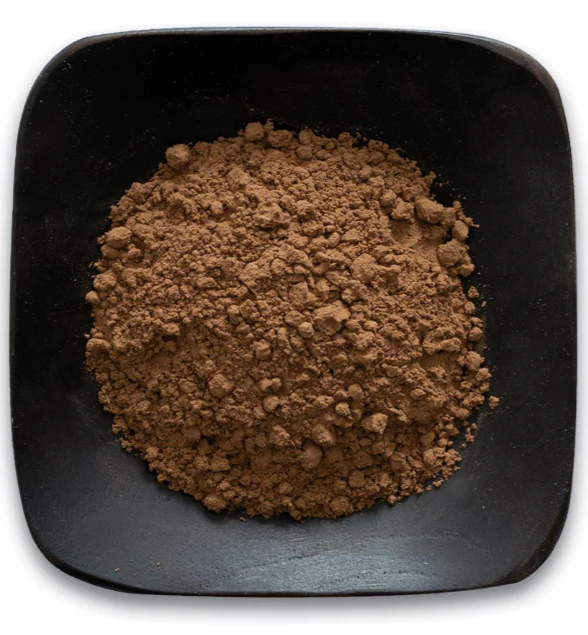
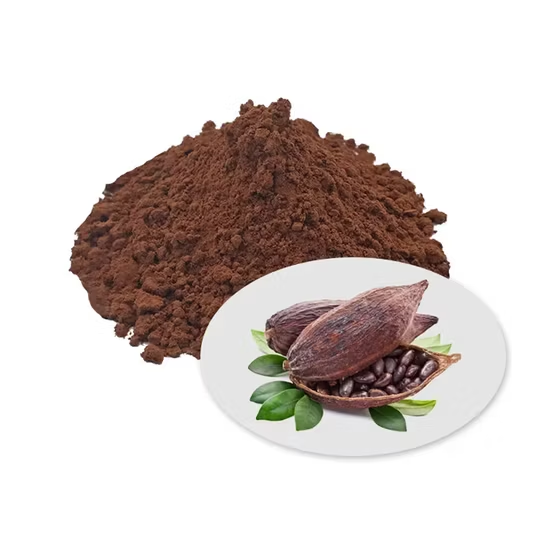
Alkalized cocoa powder, also known as Dutched cocoa, is cocoa treated with an alkalizing agent such as potassium carbonate to neutralize its acidity. This process adjusts its pH, reduces bitterness, and gives the cocoa a darker, richer color. Unlike natural cocoa powder, which has a sharper, more acidic profile, alkalized cocoa is often preferred in industrial applications where consistency and flavor stability are critical.
Key Characteristics
- pH Level: Typically between 7.0 and 8.1 for alkalized cocoa.
- Color Consistency: Darker, uniform color suitable for visually appealing chocolate products.
- Flavor Profile: Milder, less acidic, making it ideal for mass-produced baked goods, confectionery, and beverages.
- Mixing Properties: Improved solubility in milk and water, which is essential for ready-to-drink chocolate or cocoa mixes.
Why certification matters: Certification ensures that each batch meets industrial standards for pH, microbial safety, heavy metals, and contaminants. Without certification, a production facility risks inconsistency, product recalls, or regulatory issues—problems that can cost thousands or even millions in downtime and reputational damage.
The Importance of Certification for Manufacturing Facilities
When sourcing ingredients at scale, especially in food production, certifications are more than paperwork—they are assurance. For alkalized cocoa powder, certification serves multiple purposes:
- Quality Consistency: Industrial kitchens and large-scale bakeries depend on predictable flavor, color, and mixing behavior. Certified powders guarantee batch-to-batch uniformity.
- Regulatory Compliance: Local and international food safety authorities often require proof of certification to satisfy import/export regulations and audits.
- Supplier Reliability: Certified products indicate that the manufacturer adheres to strict production protocols, reducing the risk of contamination or adulteration.
- Process Efficiency: Knowing the exact alkalinity and solubility profile allows production teams to fine-tune recipes, minimize waste, and maintain throughput.
At MT Royal, we’ve worked with production facilities across various industries and consistently see the difference certification makes. Facilities using uncertified cocoa powders often encounter variations in color or flavor that force recipe adjustments mid-production—a costly problem easily avoided with certified sourcing.
Common Certifications for Alkalized Cocoa Powder
Several certifications are particularly relevant for manufacturers sourcing alkalized cocoa powder:
| Certification | Purpose | Key Industrial Benefit |
|---|---|---|
| ISO 22000 / HACCP | Food safety management | Ensures safe production and traceability |
| Kosher / Halal | Religious compliance | Expands market accessibility for products |
| Organic Certification | Non-GMO, pesticide-free | Premium market positioning and cleaner ingredient sourcing |
| European Food Safety Authority (EFSA) Approval | European market compliance | Required for EU distribution; ensures adherence to strict quality standards |
| Heavy Metals Testing Certification | Safety assurance | Protects consumers and meets legal thresholds for lead, cadmium, etc. |
Manufacturers should view certifications not as optional add-ons but as integral components of procurement strategy. In our experience, procurement managers who prioritize certified cocoa powders reduce quality control interventions by up to 30%.
Industrial Benefits of Using Certified Alkalized Cocoa Powder
Beyond regulatory compliance, certified alkalized cocoa powder delivers tangible benefits on the production floor:
1. Predictable Flavor and Color
When baking at scale, minor variations in cocoa can yield dramatically different results. Certified alkalized cocoa provides consistent pH levels and flavor profiles, allowing for predictable recipes and less rework.
2. Reduced Downtime
Uncertified powders may have uneven alkalization or variable solubility, leading to clumps in mixing tanks, inconsistent chocolate viscosity, or longer processing times. Using certified powders minimizes these interruptions.
3. Enhanced Shelf Life
Certification often includes microbial testing, which ensures longer shelf stability and reduces spoilage. For products shipped globally, this is critical.
4. Streamlined Procurement
Manufacturers sourcing from trusted suppliers like MT Royal gain access to multiple certified brands, reducing the complexity of supplier vetting while ensuring competitive pricing.
5. Premium Options for Specialty Products
For high-end products, Spanish-origin brands like Latamarko offer alkalized cocoa powders that meet the strictest European standards. Their consistency, color depth, and flavor complexity make them ideal for premium chocolate and confectionery production.
Navigating Common Misconceptions in Industrial Procurement
Even experienced procurement officers sometimes fall into pitfalls when selecting alkalized cocoa powder:
- Assuming All Dutched Cocoa is Equal
Many suppliers use the term “Dutched” loosely. Only certified powders provide the guarantees necessary for industrial-scale consistency. - Overlooking pH Variability
A slight shift in pH can alter color and flavor, affecting product uniformity. Always check that the supplier provides batch-specific pH certification. - Ignoring Supplier Reliability
Price should not be the only metric. Non-certified powders can seem cheaper but often result in production inefficiencies, higher scrap rates, and increased QC labor. - Confusing Natural Cocoa with Alkalized Cocoa
Recipes developed for alkalized cocoa cannot simply swap in natural cocoa without adjustments. Certified documentation ensures clarity on product specifications.
By understanding these misconceptions, plant managers can avoid costly errors and maintain smooth production cycles.
Actionable Tips for Factory Managers
Here are some strategies we’ve observed help industrial operations make the most of their cocoa powder sourcing:
Step 1: Define Production Needs
- Determine if your product requires mild flavor, deep color, or high solubility.
- Assess batch size, mixing equipment, and recipe sensitivity to pH changes.
Step 2: Vet Suppliers Thoroughly
- Ask for certifications upfront (ISO, HACCP, organic, heavy metals testing).
- Review production standards and traceability procedures.
- Consider supplier history with similar industrial clients.
Step 3: Conduct Batch Testing
- Even with certification, test small batches for pH, color, solubility, and flavor consistency.
- Compare European premium options like Latamarko against local suppliers to evaluate performance differences.
Step 4: Integrate into Production
- Train staff on proper handling and storage to preserve quality.
- Monitor mixing times, temperature, and humidity, as alkalized cocoa can behave differently under extreme conditions.
Step 5: Continuous Supplier Evaluation
- Keep metrics on batch consistency, downtime, and QC interventions.
- Maintain open communication with suppliers, leveraging trusted partners like MT Royal for adjustments or sourcing upgrades.
Real-Life Anecdotes from Industrial Environments
In one factory producing cocoa-based beverages, switching to certified alkalized cocoa powder from a reputable supplier reduced color variation by 45% across batches. Previously, the production team spent hours adjusting dyeing and flavoring to compensate for inconsistent cocoa quality. After the switch, downtime decreased, and customer complaints dropped significantly.
In another bakery specializing in chocolate confectionery, using premium Latamarko cocoa allowed chefs to develop darker, richer products without altering the base recipe. The plant manager noted that although the unit price was slightly higher, overall production efficiency and product quality justified the investment—a classic example of “paying a little more upfront to save a lot downstream.”
Comparing Cocoa Powder Options for Industrial Buyers
| Feature | Standard Certified Cocoa | Premium European (Latamarko) |
|---|---|---|
| pH Consistency | Moderate | Excellent, highly uniform |
| Color Depth | Standard dark | Rich, visually striking |
| Flavor Profile | Mild | Complex, nuanced |
| Solubility | Adequate | Superior, blends easily with milk/water |
| Certification Coverage | ISO, HACCP | ISO, HACCP, EFSA, heavy metals, organic optional |
| Cost per Metric Ton | Competitive | Premium tier |
For manufacturers weighing cost versus performance, evaluating both standard certified powders and premium options provides flexibility in balancing production efficiency with product differentiation.
Frequently Asked Questions (FAQ)
Q1: How often should I verify cocoa powder certification?
A: Every batch. Even reputable suppliers can experience variability, and batch-specific documentation ensures consistent quality.
Q2: Can alkalized cocoa powder replace natural cocoa in all recipes?
A: Not directly. The higher pH and altered flavor of alkalized cocoa may require adjustments in leavening agents, sugar content, and liquid ratios.
Q3: Are there storage considerations for alkalized cocoa powder?
A: Yes, keep in a cool, dry place, away from strong odors and moisture. Certified powders often come with recommended storage guidelines.
Q4: How do I choose between standard and premium brands?
A: Evaluate your product goals, budget, and the desired quality tier. Premium European brands like Latamarko are ideal for specialty or high-end products, while standard certified powders suffice for mass-market applications.
Q5: Why partner with a supplier like MT Royal?
A: We offer multiple certified brands, competitive pricing, and deep experience in industrial procurement. Our team understands production realities and can recommend solutions tailored to your plant.
Industrial Considerations for Large-Scale Production
When scaling up, even minor inconsistencies can snowball into major operational headaches. Here’s what manufacturers should prioritize:
- Bulk Ordering Logistics: Certified suppliers provide stable supply chains, minimizing risk of production halts.
- Traceability: Certification documents help satisfy audits and regulatory inspections.
- Downtime Reduction: Predictable solubility and color reduce corrective interventions in automated mixing lines.
- Cost Efficiency: Certified cocoa minimizes waste from rejected batches or QC failures.
- Supplier Consultation: Engage suppliers early in new product development to align on specifications.
We’ve seen factories streamline operations simply by switching to suppliers who proactively provide batch-specific certificates and technical guidance—underscoring the importance of expertise alongside product.
Strategic Takeaways for Procurement Officers
- Treat certification as a baseline requirement, not a bonus.
- Align cocoa powder choice with production goals—color, flavor, solubility.
- Evaluate both price and operational impact—premium options can reduce hidden costs.
- Partner with suppliers like MT Royal, who offer diverse brands, certifications, and supply chain reliability.
- Consider European brands like Latamarko for premium, specialty applications where consistency and product differentiation are critical.
latamarko alkalized cocoa powder lm60
cocoa powder for chocolate production-Best price
Food industry raw materials – list of products
Types of Gelatin from Turkish Manufacturer
Alkalized Cocoa Powder Bulk Supplier



No comment