

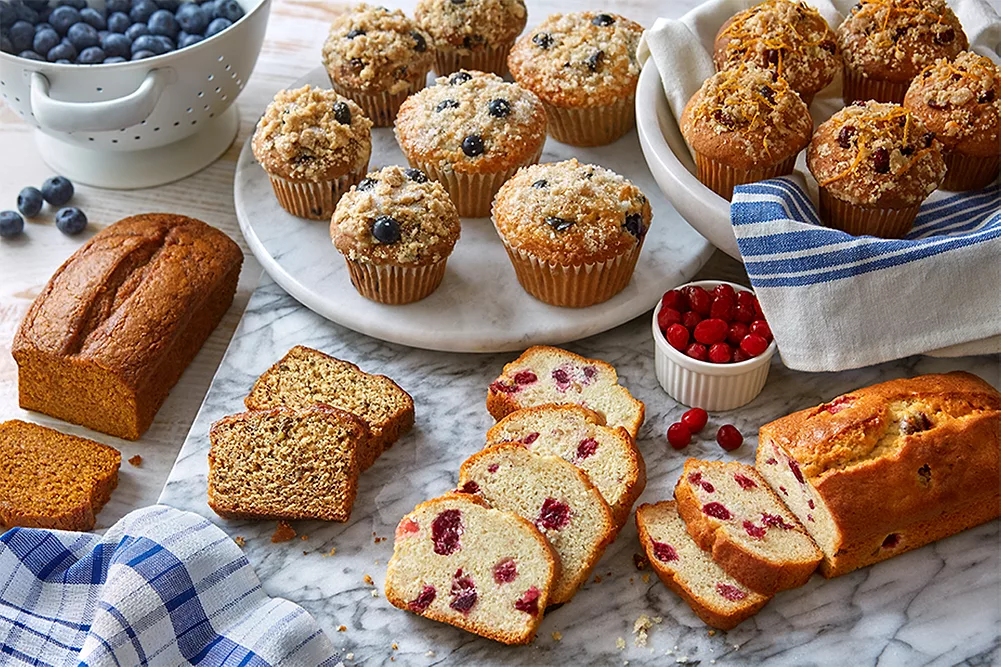
Choosing the right fat ingredient can determine the difference between an average bakery product and one that customers repeatedly choose. For factories producing biscuits, cakes, pastries, cookies, and other baked goods, ingredient quality directly affects texture, shelf life, production efficiency, and market acceptance. MT Royal supports industrial buyers by providing access to multiple brands of bakery ingredients at competitive prices, helping manufacturers select suitable solutions such as Non-hydrogenated fats for bakery based on their production requirements.
The bakery industry is changing rapidly. Consumers are paying closer attention to ingredient labels, retailers are requesting cleaner formulations, and manufacturers must maintain excellent product performance while adapting to new expectations. Fat selection has therefore become a technical and strategic decision rather than simply a purchasing choice.
In large-scale bakery production, fat is much more than an ingredient that adds richness. It influences dough behavior, aeration, moisture retention, flavor release, product appearance, and final texture. A small adjustment in the fat system can change the entire character of a finished product. This is why understanding non-hydrogenated fats and their industrial applications is essential for modern food manufacturers.
What Are Non-Hydrogenated Fats for Bakery?
Non-hydrogenated fats are food-grade fats that have not been processed through hydrogenation, a chemical process historically used to convert liquid oils into more solid fats. Hydrogenation was widely adopted because it improved stability, texture, and shelf life. However, partial hydrogenation can create trans fatty acids, which have raised health concerns and resulted in regulatory restrictions in many markets.
Non-hydrogenated fats for bakery are designed to provide similar functional benefits without relying on traditional hydrogenation methods. These fats are commonly produced from carefully selected vegetable oils and specialty fat sources to achieve specific properties required in industrial baking.
Common sources include:
- Palm-based fat fractions
- Sunflower oil derivatives
- Soybean oil alternatives
- Shea-based specialty fats
- Interesterified vegetable fats
- Custom bakery fat blends
Modern fat technology allows manufacturers to create products with excellent performance characteristics while supporting cleaner label strategies.
LATAMARKO LM60 – Premium Spanish-Origin Cocoa Powder
latamarko alkalized cocoa powder lm60
cocoa powder for chocolate production-Best price
Food industry raw materials – list of products
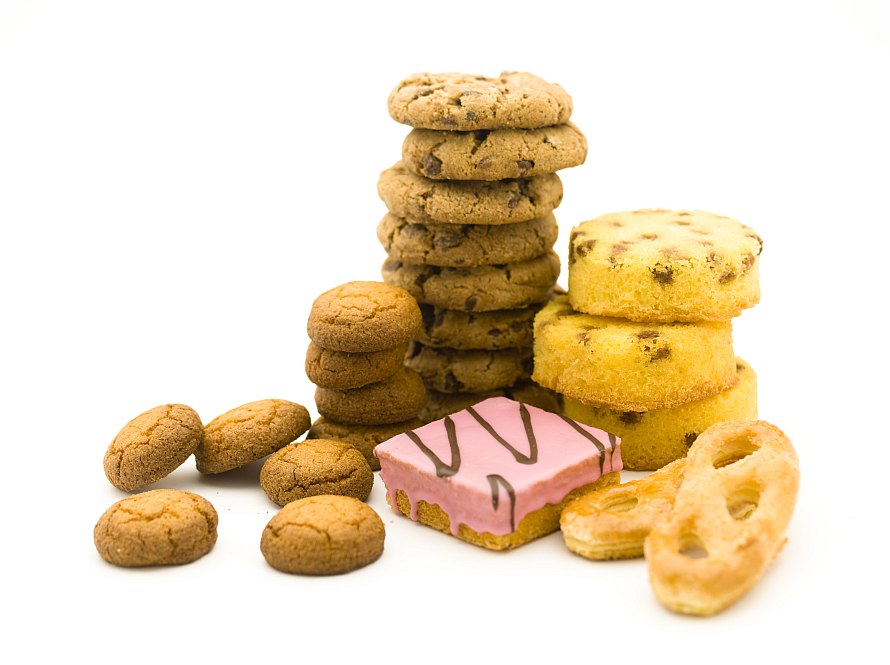
Why Bakery Manufacturers Are Moving Toward Non-Hydrogenated Fat Solutions
The shift toward non-hydrogenated bakery fats is driven by several important factors. Food manufacturers are no longer competing only on price. They are competing on quality, transparency, consumer trust, and regulatory compliance.
Changing Consumer Expectations
Today’s consumers want products that combine great taste with better ingredient profiles. Many buyers actively check labels and prefer products without unnecessary artificial processing.
For bakery brands, this creates an opportunity to improve product positioning while maintaining industrial efficiency.
Global Food Regulations
Food regulations continue to evolve, particularly regarding trans fats. Manufacturers supplying international markets need ingredients that support compliance with current and future standards.
Using non-hydrogenated fat systems helps factories reduce regulatory risks and create products suitable for different regions.
Better Brand Reputation
A bakery product’s ingredient story has become part of its marketing value. Manufacturers that use modern fat solutions can communicate greater attention to quality and responsible formulation.
The Technical Importance of Fat in Bakery Production
Many production teams understand flour, sugar, and leavening agents as major components of bakery products, but fat often receives less attention despite its critical role.
Fat performs several important functions:
- Creates tenderness in cakes and cookies
- Improves mouthfeel
- Supports dough structure
- Controls moisture migration
- Enhances flavor perception
- Provides lubrication during processing
- Influences product shelf life
In industrial bakeries, fat acts almost like the engineering framework of a product. If the fat system is unsuitable, even excellent ingredients may not produce consistent results.
Applications of Non-Hydrogenated Bakery Fats
Different bakery products require different fat characteristics. Selecting the correct type depends on the final application.
Cakes and Muffins
Cake manufacturers typically need fats that provide:
- Good creaming ability
- Stable air incorporation
- Soft crumb structure
- Long-lasting freshness
A suitable non-hydrogenated fat can help maintain volume and improve consumer perception of softness.
Cookies and Biscuits
Cookies require precise control of fat performance. The wrong fat can create excessive spreading, poor texture, or inconsistent appearance.
Important characteristics include:
- Controlled melting behavior
- Crisp texture development
- Flavor compatibility
- Processing stability
Pastries and Laminated Dough
Pastry production requires fats with excellent plasticity and structure. The fat must remain workable during processing while creating the desired layers.
Manufacturers should evaluate:
- Solid fat content
- Temperature stability
- Dough handling performance
Cream Fillings and Coatings
For fillings and coatings, fat selection influences:
- Smoothness
- Melting sensation
- Stability during storage
- Resistance to temperature changes
A carefully selected fat system improves both appearance and consumer experience.
Key Advantages of Non-Hydrogenated Fats for Industrial Bakeries
Supporting Cleaner Product Development
Many manufacturers are reformulating products to meet clean-label trends. Non-hydrogenated fats allow companies to improve ingredient profiles without sacrificing functionality.
Maintaining Product Quality
Modern bakery fat systems are designed to provide consistent performance. When correctly selected, they can deliver excellent texture, flavor, and stability.
Improving Market Flexibility
Factories that export products often face different ingredient requirements across countries. Flexible fat solutions help manufacturers adapt formulations more easily.
Reducing Long-Term Supply Risks
Working with reliable suppliers that offer multiple brands provides manufacturers with more sourcing options. MT Royal helps factories evaluate different ingredient alternatives based on availability, application, and pricing considerations.
Common Mistakes When Buying Bakery Fats
Even experienced procurement teams can make costly mistakes when sourcing industrial bakery fats.
Selecting Only Based on Price
Price is important, but the lowest-cost option is not always the most economical choice.
Manufacturers should consider the complete cost impact:
- Production efficiency
- Product rejection rates
- Storage requirements
- Reformulation costs
- Customer satisfaction
A slightly higher-quality fat may reduce operational problems and provide better overall value.
Choosing the Wrong Fat for the Application
A fat designed for cookies may not perform well in cakes or pastry production.
Before purchasing, manufacturers should clearly define:
- Product type
- Production method
- Desired texture
- Shelf-life expectations
- Packaging conditions
Technical compatibility is often more important than initial price.
Ignoring Supplier Consistency
Industrial bakeries require stable supply. A supplier must be able to provide consistent quality from one shipment to another.
Important supplier evaluation factors include:
- Production capability
- Quality documentation
- Technical support
- Delivery reliability
- Brand options
Failing to Consider Storage Conditions
Bakery fats require proper handling. Temperature fluctuations and unsuitable storage environments can affect performance.
Factories should establish clear procedures for:
- Warehouse temperature control
- Stock rotation
- Packaging protection
- Transportation monitoring
Practical Tips for Large-Scale Bakery Manufacturers
For high-volume production facilities, small improvements can create significant financial benefits.
Test Before Full-Scale Adoption
Before changing a fat system across an entire product line, conduct controlled trials.
Evaluate:
- Dough behavior
- Baking performance
- Final texture
- Consumer acceptance
- Shelf stability
Work Closely With Technical Suppliers
A good ingredient supplier provides more than products. They help manufacturers understand application requirements and select appropriate solutions.
We have seen in our work with food manufacturers that companies achieve better results when procurement teams and technical departments cooperate during ingredient selection.
Maintain Multiple Sourcing Options
Dependence on one supplier can create unnecessary risks. A diversified sourcing strategy improves flexibility during market changes.
Suppliers offering multiple brands, such as MT Royal, can help manufacturers compare alternatives while maintaining competitive purchasing conditions.
Emerging Trends in Bakery Fat Technology
The future of bakery fats is being shaped by several important developments.
Health-Focused Reformulation
Consumers increasingly expect bakery products with improved nutritional profiles. Manufacturers are exploring fat systems that balance performance and health considerations.
Sustainable Ingredient Sourcing
Sustainability is becoming more important in food production. Companies are paying greater attention to responsible sourcing, traceability, and environmental impact.
Customized Fat Blends
Instead of using standard ingredients, many industrial bakeries are moving toward customized fat solutions designed for specific products and processing conditions.
Frequently Asked Questions About Non-Hydrogenated Fats for Bakery
Are non-hydrogenated fats suitable for industrial bakery production?
Yes. Modern non-hydrogenated fats are specifically developed for industrial applications and can provide excellent performance in cakes, biscuits, pastries, and other baked products.
Do non-hydrogenated fats improve product quality?
When selected correctly, they can improve texture, mouthfeel, stability, and consumer acceptance while supporting modern formulation goals.
Are non-hydrogenated fats more expensive?
The cost depends on the fat source, formulation, and market conditions. However, manufacturers should evaluate total production value rather than focusing only on purchase price.
How should factories choose the right bakery fat?
Factories should consider product type, processing conditions, storage requirements, technical specifications, and supplier reliability.
Why is supplier selection important for bakery fats?
Consistent supply quality is essential for maintaining product consistency. A reliable supplier helps manufacturers avoid production interruptions and quality variations.
Building Better Bakery Products Through Smarter Ingredient Decisions
The success of a bakery product depends on hundreds of small technical decisions, and fat selection is one of the most influential. The right fat system improves product performance, supports changing consumer expectations, and helps manufacturers compete in a demanding market.
Non-hydrogenated fats for bakery represent an important step toward modern food production by combining functionality, quality, and improved formulation flexibility. For factories, the goal is not simply replacing one ingredient with another; it is creating a smarter production strategy that protects quality and supports long-term growth.
MT Royal continues to assist industrial buyers by connecting them with multiple brands and competitive ingredient solutions designed around real manufacturing needs. In bakery production, success is built layer by layer, just like a well-crafted pastry. The strongest manufacturers are those who understand that every ingredient choice contributes to the final product experience.


No comment