

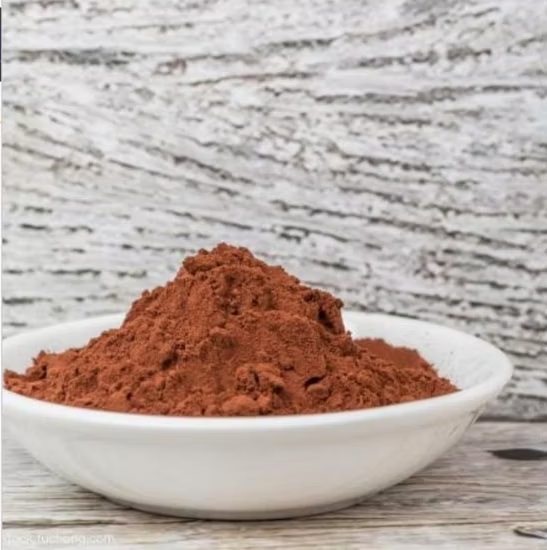
For manufacturers, confectionery plants, and industrial food producers, understanding alkalized cocoa powder cost is more than comparing price tags. Price directly influences production budgets, cost-per-unit, and supply chain decisions, while quality impacts final product consistency, flavor, and visual appeal.
At MT Royal, we’ve collaborated with production facilities worldwide, supplying a range of cocoa powder brands, including premium options like Latamarko, to ensure manufacturers achieve optimal balance between cost, quality, and operational efficiency.
Understanding Alkalized Cocoa Powder
What Is Alkalized Cocoa Powder?
Alkalized cocoa powder, often referred to as Dutched cocoa, undergoes chemical treatment with alkaline solutions such as potassium carbonate. This process:
- Neutralizes acidity for smoother flavor
- Enhances color, producing darker, richer chocolate
- Improves solubility, crucial for beverages, ganache, and fillings
These characteristics make alkalized cocoa powder a preferred choice for large-scale industrial chocolate production.
Industrial Specifications That Affect Cost
| Specification | Impact on Cost and Production |
|---|---|
| pH Level | Alters flavor and compatibility with other ingredients |
| Fat Content | Affects viscosity, mouthfeel, and refining times |
| Particle Size | Influences dispersibility and production efficiency |
| Color Stability | Ensures visual consistency, reducing batch rejects |
| Solubility | Essential for beverages, fillings, and instant mixes |
Understanding these parameters is essential before assessing cost because lower-priced cocoa powder may compromise critical production attributes.
Factors Driving Alkalized Cocoa Powder Cost
1. Raw Material Quality
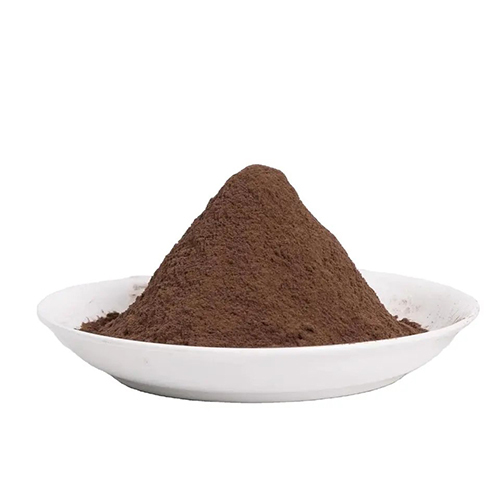
Premium cocoa beans, carefully sourced and processed, naturally command higher prices. Brands like Latamarko emphasize traceability and consistent bean selection, ensuring minimal flavor variation and high solubility, which can justify slightly higher costs.
2. Processing and Alkalization
The alkalization method, equipment precision, and quality control directly affect both performance and price:
- Modern European equipment often produces uniform particle size and stable pH, enhancing chocolate texture.
- Cost-effective regional processing may reduce price but risks inconsistent color and solubility.
3. Brand Reputation
Well-known brands, especially Latamarko, invest in quality assurance, research, and packaging standards. Their products often deliver:
- Lower wastage and rejects
- Predictable behavior in large-scale production
- Greater reliability for export-oriented chocolate lines
At MT Royal, we balance pricing with brand performance, helping factories make informed procurement decisions.
4. Supply Chain and Logistics
Cocoa powder cost includes freight, import duties, and storage requirements. Bulk procurement can reduce per-unit price but requires adequate storage facilities to maintain product integrity.
5. Market Volatility
Global cocoa prices fluctuate due to:
- Seasonal yield variations in West Africa and South America
- Currency exchange rates
- Shipping and logistics challenges
Industrial buyers often plan quarterly or annual contracts to mitigate cost volatility.
Comparing Cost Across Brands
| Brand | Typical Price Range (per ton) | Key Advantages | Considerations |
|---|---|---|---|
| Latamarko | High | Consistent quality, traceable origin, premium solubility | Higher upfront cost |
| Regional Suppliers | Moderate | Competitive pricing, local availability | Slight color and solubility variations |
| European Alternatives | Medium-High | Uniform particle size, industrial reliability | Longer lead time, shipping costs |
We’ve observed factories benefit from investing in premium cocoa powders because they reduce processing downtime and minimize batch inconsistencies, effectively saving money in the long term.
Cost Optimization Strategies for Manufacturers
1. Bulk Purchasing
Buying in larger volumes often reduces unit cost but requires sufficient storage and inventory management.
2. Supplier Diversification
Maintaining multiple supplier relationships mitigates risks of:
- Shortages
- Price spikes
- Quality fluctuations
3. Pilot Testing
Before committing to bulk orders, test samples on your production line to ensure cost-efficient cocoa still meets operational requirements.
4. Evaluate Total Cost, Not Just Unit Price
Consider:
- Production efficiency
- Batch consistency
- Waste and rejects
- Downtime due to subpar cocoa quality
This approach ensures optimal cost-performance balance.
Industrial Applications and Impact on Cost
Chocolate Manufacturing
Alkalized cocoa powder impacts texture, color, and flavor, directly influencing consumer perception and product pricing.
Confectionery Fillings
Consistent solubility and pH reduce mixing times and ensure smooth texture, affecting production efficiency and cost per kilogram.
Beverage Production
Instant cocoa powders require high solubility. Using lower-quality, cheaper powders may reduce upfront cost but increase processing issues and wastage.
Misconceptions About Cocoa Powder Cost
- Higher price always means better quality – Evaluate specifications, solubility, and color stability.
- Cheaper cocoa is sufficient for all industrial applications – Lower-grade powders can cause processing issues.
- Brand doesn’t affect production efficiency – Trusted brands reduce risk of downtime and inconsistency.
Real-World Insights from Manufacturing Facilities
Case Study: European Chocolate Plant
- Switched from generic regional cocoa to Latamarko supplied via MT Royal
- Observed smoother chocolate flow in enrobing machines
- Reduced refining time by 10%
- Despite higher upfront cost, overall cost-per-unit decreased due to fewer rejects
Operational Tip
We recommend monitoring batch performance for cost vs. efficiency metrics. Even a small improvement in production yield can offset the cost difference between premium and lower-priced cocoa.
FAQ: Alkalized Cocoa Powder Cost
Q1: How do industrial cocoa costs compare across regions?
European and premium brands are higher but offer better consistency; local suppliers can reduce upfront costs but may vary in quality.
Q2: Can cost-effective cocoa powders meet export standards?
Not always. Premium brands like Latamarko offer traceability and compliance with international standards.
Q3: How should factories negotiate price?
Consider bulk contracts, seasonal pricing trends, and long-term supplier relationships.
Q4: Does cheaper cocoa affect flavor?
Yes, inconsistent pH or particle size may alter chocolate flavor and texture.
Key Takeaways for Industrial Buyers
- Price is one part of total cost – Evaluate efficiency, consistency, and waste reduction.
- Premium brands can reduce operational costs despite higher upfront price.
- Testing and traceability matter – MT Royal and Latamarko offer reliable options for industrial-scale production.
- Strategic procurement – Bulk purchasing, supplier diversification, and cost-performance analysis optimize overall expenses.
For production managers, understanding alkalized cocoa powder cost is a strategic decision impacting both profitability and product quality. Evaluating both specifications and supplier reliability ensures sustainable manufacturing success.
latamarko alkalized cocoa powder lm60
cocoa powder for chocolate production-Best price
Food industry raw materials – list of products
Types of Gelatin from Turkish Manufacturer
Alkalized Cocoa Powder Bulk Supplier


No comment