

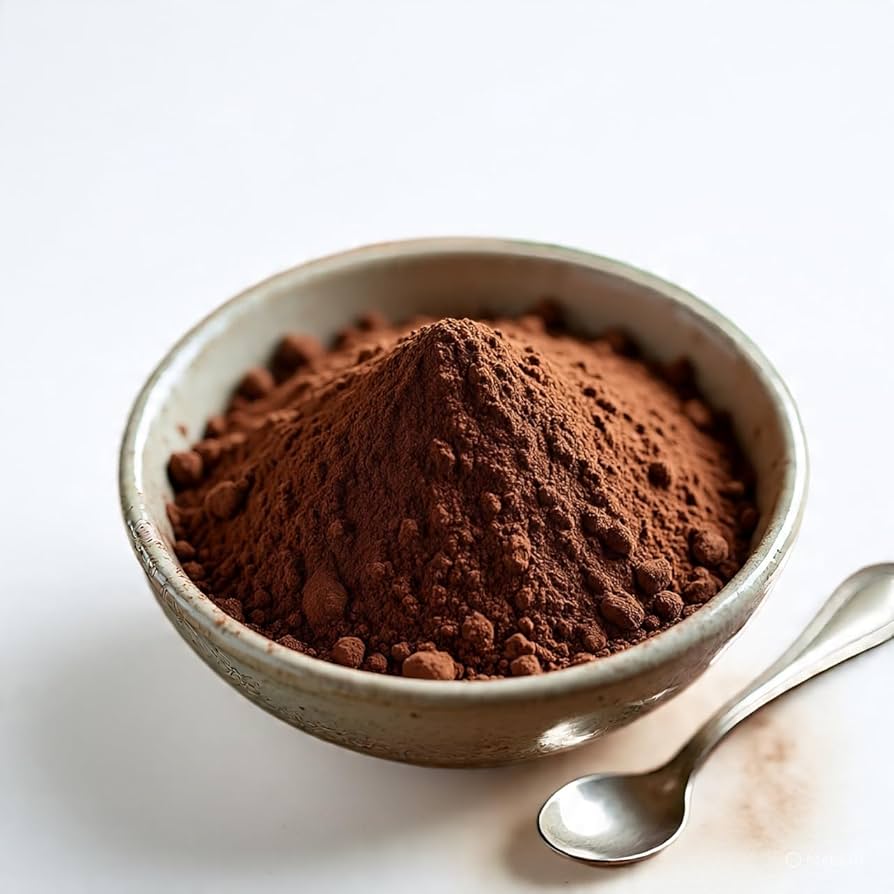
In modern food manufacturing, cocoa is no longer just an ingredient—it’s a controlled functional material. Whether you’re producing chocolate beverages, bakery fillings, ice cream bases, or industrial confectionery coatings, the consistency of your cocoa powder directly determines product stability, flavor repeatability, and even production line efficiency.
That’s exactly why sourcing the right Alkalized Cocoa Powder Supplier in Egypt | Latamarko Spain has become a strategic decision rather than a simple purchasing task. Egypt, as a fast-growing food manufacturing hub, demands cocoa inputs that can withstand large-scale production environments, fluctuating humidity conditions, and strict cost-per-unit constraints. At the same time, European engineering standards—especially those associated with premium-origin producers like Latamarko—have raised expectations around alkalization control, color stability, and dispersibility performance.
At MT Royal, we’ve worked closely with factories, beverage producers, and bakery plants that treat cocoa powder not as a commodity, but as a process-critical ingredient. In our experience supplying manufacturing facilities, even small deviations in alkalization levels can lead to major downstream issues—color inconsistency in finished goods, flavor imbalance, and unexpected viscosity shifts in mixing systems.
So when we talk about alkalized cocoa powder in an industrial context, we are really talking about production stability, not just taste.
Let’s break down what actually matters when sourcing cocoa powder for industrial-scale manufacturing in Egypt and similar production-heavy markets.
Understanding Alkalized Cocoa Powder: Beyond Basic Definitions
Alkalized cocoa powder—also known as Dutch-processed cocoa—is cocoa that has been treated with alkaline solutions to neutralize acidity. This process significantly alters its chemical and physical behavior.
For factory managers and production supervisors, the key changes include:
- Darker and more uniform color output
- Reduced acidity and smoother taste profile
- Improved solubility in liquid-based systems
- More stable pH levels for controlled formulations
- Better integration in high-speed mixing environments
In manufacturing terms, alkalization is not just a flavor adjustment—it is a functional standardization step. It ensures that cocoa behaves predictably under industrial stress conditions such as high-temperature mixing, continuous stirring, and automated dosing systems.
Without this standardization, production lines often experience inconsistency in viscosity, color deviation in final products, and even packaging rejections due to visual mismatches.
Why Egypt Is Becoming a Strategic Market for Cocoa Processing and Supply Chains
Egypt’s food manufacturing sector has been expanding steadily, driven by:
- Growing bakery and confectionery demand in North Africa
- Expansion of beverage production facilities
- Increased foreign investment in food processing plants
- Strategic geographic positioning for import and re-export logistics
However, this growth also creates a challenge: raw material consistency.
Cocoa powder imported into Egypt must withstand:
- High ambient temperatures during storage
- Long shipping routes from origin countries
- Variable humidity conditions in warehouses
- Large-scale batching in industrial mixers
This is why selecting the right Alkalized Cocoa Powder Supplier in Egypt | Latamarko Spain is not just about product quality—it is about supply chain engineering.
Premium European-aligned producers, particularly those influenced by structured industrial standards like Latamarko, have become increasingly relevant in this space due to their focus on controlled alkalization processes and batch uniformity.
Functional Benefits of Alkalized Cocoa Powder in Industrial Production
In a production plant, cocoa powder must do more than “taste good.” It must perform under mechanical and thermal stress.
1. Improved mixing stability
Alkalized cocoa disperses more evenly in water-based and fat-based systems, reducing clumping issues in high-speed mixers.
2. Color consistency across batches
For bakery coatings, biscuits, and chocolate fillings, visual uniformity is critical for brand consistency.
3. Enhanced process efficiency
Lower acidity reduces the need for additional pH correction ingredients in formulations.
4. Reduced filtration and clogging risks
In beverage production lines, finer alkalized cocoa grades reduce equipment downtime.
We’ve seen production lines reduce cleaning cycles simply by switching to more stable alkalized cocoa inputs.
Common Procurement Mistakes in Cocoa Powder Sourcing
Even experienced procurement teams can underestimate the complexity of cocoa sourcing.
Mistake 1: Treating cocoa as a generic commodity
Not all alkalized cocoa powders behave the same under industrial conditions. Differences in alkalization level (light, medium, heavy) significantly affect formulation behavior.
Mistake 2: Ignoring moisture stability
High-moisture cocoa can cause clumping in automated dosing systems, leading to production interruptions.
Mistake 3: Over-prioritizing price over consistency
A cheaper batch that varies in pH can cost more in downtime than a premium stable supply.
Mistake 4: Lack of supplier benchmarking
Factories often fail to compare suppliers based on industrial performance metrics such as dispersibility index or flowability.
At MT Royal, we’ve observed that the most successful production facilities treat cocoa procurement as a controlled engineering input rather than a fluctuating commodity.
Industrial Applications of Alkalized Cocoa Powder in Egypt
The demand for cocoa powder in Egypt spans multiple industries:
Bakery manufacturing
Used in cakes, biscuits, and industrial bread formulations where color and flavor consistency matter.
Beverage production
Chocolate drinks, instant cocoa mixes, and flavored milk systems rely on fast-dissolving cocoa grades.
Confectionery processing
Used in fillings, coatings, and compound chocolate systems.
Dairy and ice cream production
Provides color and flavor stability in frozen and semi-frozen products.
Each of these applications requires different alkalization strengths and particle size distributions.
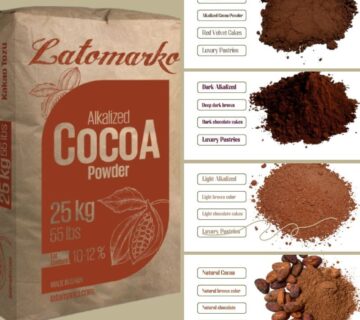
Comparison: Alkalized Cocoa Powder Grades in Industrial Use
| Grade Type | Color Intensity | Flavor Strength | Solubility | Best Use Case |
|---|---|---|---|---|
| Light alkalized | Medium brown | Mild chocolate | High | Bakery creams, beverages |
| Medium alkalized | Dark brown | Balanced | Very high | General industrial use |
| Heavy alkalized | Deep dark | Strong cocoa | Moderate | Premium chocolate coatings |
In industrial systems, medium alkalized cocoa is often the most versatile, especially for Egyptian production facilities balancing cost and performance.
Supply Chain Dynamics: Why Supplier Choice Matters More Than Ever
Global cocoa supply chains are increasingly affected by:
- climate variability in West African growing regions
- shipping container delays
- fluctuating commodity pricing indexes
- rising demand from emerging markets
This makes supplier reliability a critical production factor.
A stable Alkalized Cocoa Powder Supplier in Egypt | Latamarko Spain structure ensures:
- predictable batch availability
- consistent alkalization profiles
- reduced production interruptions
- improved long-term cost planning
European-origin suppliers with structured industrial processes, including brands like Latamarko, are often preferred in high-volume manufacturing environments due to their tight quality control frameworks.

Step-by-Step Guide: How to Select the Right Cocoa Supplier for Industrial Use
Step 1: Define your application requirements
Is your cocoa used for beverages, bakery, or confectionery systems?
Step 2: Specify alkalization level
Light, medium, or heavy alkalization must match your formulation needs.
Step 3: Test batch consistency
Always request multiple production batches before scaling procurement.
Step 4: Evaluate dispersibility
Check how quickly cocoa integrates into liquid systems under real production conditions.
Step 5: Assess supplier stability
Look beyond price—focus on delivery reliability and documentation standards.
We’ve seen that factories that follow structured sourcing steps reduce formulation variability by up to 25% over time.
Frequently Asked Questions
What is alkalized cocoa powder used for in industrial production?
It is used in bakery, beverage, and confectionery manufacturing to provide consistent color, flavor, and pH stability.
Why is alkalization important?
It improves solubility, reduces acidity, and ensures consistent behavior in large-scale production systems.
Is European cocoa powder better for industrial use?
European suppliers, particularly those with structured industrial engineering approaches like Latamarko, are often preferred for consistency and quality control.
What affects cocoa powder performance in factories?
Moisture content, alkalization level, particle size, and storage conditions all play key roles.
How can factories reduce cocoa-related production issues?
By standardizing suppliers, controlling batch testing, and aligning cocoa specifications with production systems.
Final Perspective
In modern food manufacturing, ingredients like cocoa powder are no longer passive inputs—they are active system components that influence throughput, consistency, and efficiency.
Choosing the right Alkalized Cocoa Powder Supplier in Egypt | Latamarko Spain is ultimately about building stability into your production line. The right supply chain doesn’t just deliver cocoa—it delivers predictability.
LATAMARKO LM60 – Premium Spanish-Origin Cocoa Powder
latamarko alkalized cocoa powder lm60
cocoa powder for chocolate production-Best price
Food industry raw materials – list of products



No comment