

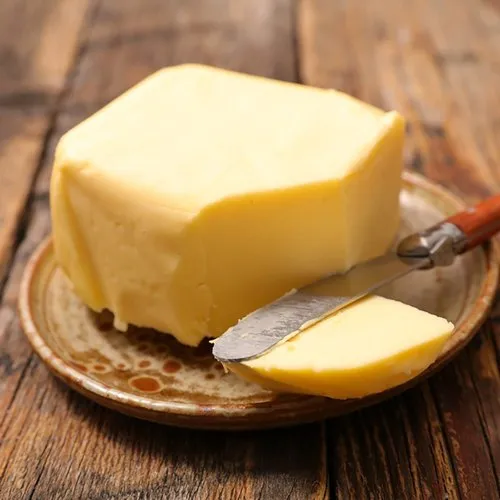
Choosing the right dairy ingredient supplier can directly influence product quality, production efficiency, and long-term profitability for food manufacturers. For factories producing chocolate, bakery products, confectionery items, dairy blends, and premium food formulations, Anhydrous Milk Fat | Hiroland Dairy Supplier represents a specialized ingredient solution that delivers consistency, rich flavor, and reliable performance. Working with an experienced supplier such as MT Royal helps manufacturers access multiple international brands at competitive prices while maintaining the quality standards required for demanding industrial applications.
Anhydrous Milk Fat (AMF) is more than simply concentrated butterfat. It is a carefully processed dairy ingredient designed for manufacturers who need stable fat functionality, extended shelf life, and predictable performance in large-scale production. In modern food manufacturing, where every production variable matters, selecting the right milk fat source can prevent costly formulation problems and improve the final product experience.
What Is Anhydrous Milk Fat (AMF)?
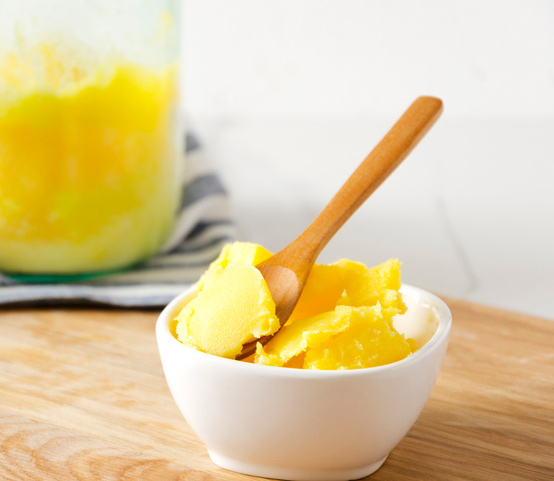
Anhydrous Milk Fat, commonly known as AMF, is a high-purity dairy fat ingredient produced by removing almost all water and non-fat components from butter or cream. The result is a concentrated milk fat product usually containing around 99.8% milk fat, making it one of the most refined dairy ingredients available for industrial use.
Unlike regular butter, which contains water and milk solids, anhydrous milk fat provides manufacturers with a more stable and flexible fat source. Because of its low moisture content, AMF has excellent storage stability and can be transported and stored for extended periods under appropriate conditions.
The production process typically involves:
- Separation of cream from milk
- Concentration of milk fat through controlled processing
- Removal of water and non-fat solids
- Filtration and purification
- Packaging under hygienic industrial conditions
The final product is a clean, uniform dairy fat with a smooth texture, natural dairy aroma, and consistent melting behavior.
LATAMARKO LM60 – Premium Spanish-Origin Cocoa Powder
latamarko alkalized cocoa powder lm60
cocoa powder for chocolate production-Best price
Food industry raw materials – list of products
Why Factories Prefer Anhydrous Milk Fat in Industrial Production
Large food manufacturers often choose AMF because it solves several challenges associated with traditional butter and other dairy fats. In high-volume production environments, consistency is not just a quality goal; it is a financial necessity.
When a factory produces thousands of kilograms of finished products daily, even small differences in fat composition can affect:
- Texture
- Flavor release
- Melting characteristics
- Shelf stability
- Consumer acceptance
Anhydrous Milk Fat offers manufacturers better control over these factors.
For example, chocolate producers rely on controlled fat properties to achieve the correct mouthfeel and melting profile. Bakery manufacturers use AMF to improve richness and consistency in premium products. Dairy processors may use it to standardize fat content in different formulations.
We have seen that factories often focus heavily on raw material prices while overlooking processing stability. A slightly cheaper ingredient that creates production adjustments, waste, or inconsistent results can become much more expensive over time.
Key Industrial Applications of Anhydrous Milk Fat
Anhydrous Milk Fat is widely used across several food manufacturing sectors because of its functional properties.
Chocolate and Confectionery Production
In chocolate manufacturing, fat quality plays a critical role. AMF contributes to:
- Smooth texture
- Creamy sensation
- Controlled melting behavior
- Improved flavor profile
Manufacturers producing premium chocolates often require dairy fat with predictable composition because variations can affect tempering processes and final product appearance.
Bakery and Pastry Manufacturing
Bakery factories use AMF in products such as:
- Croissants
- Cookies
- Cakes
- Cream fillings
- Laminated dough products
Compared with ordinary butter, AMF provides easier handling in industrial production because it can be accurately dosed and blended with other ingredients.
Dairy-Based Products
AMF is also used in:
- Milk powder formulations
- Dairy beverages
- Ice cream production
- Cheese processing
- Cream-based products
Its concentrated fat content allows manufacturers to adjust recipes efficiently without introducing unnecessary moisture.
Ready-to-Eat and Processed Foods
Modern food producers increasingly use dairy fat ingredients to improve sensory quality in processed foods. Consumers often associate creamy texture and rich flavor with premium quality, making AMF a valuable formulation tool.
Important Quality Factors When Buying Anhydrous Milk Fat
Selecting a reliable AMF supplier requires more than comparing prices. Industrial buyers should evaluate several technical and commercial factors.
Milk Fat Percentage
High-quality AMF generally contains approximately 99.8% milk fat. Lower purity products may contain unwanted components that influence performance.
Fatty Acid Profile
The fatty acid composition affects melting point, texture, and application performance. Different production regions and seasonal variations can influence milk fat characteristics.
Color and Flavor
Premium AMF should have:
- Clean dairy aroma
- Light yellow to creamy appearance
- No foreign flavors
- No oxidation notes
Oxidized fat can negatively impact finished products and damage brand reputation.
Packaging and Storage Conditions
Proper packaging protects AMF from:
- Oxygen exposure
- Light
- Moisture contamination
- Temperature fluctuations
Industrial buyers should always confirm storage recommendations before purchasing large quantities.
Common Mistakes Factories Make When Sourcing Dairy Fat Ingredients
Many procurement teams make decisions based only on price. While cost control is essential, ingredient sourcing requires a broader perspective.
Choosing the Cheapest Supplier Without Technical Evaluation
A low-cost offer may look attractive initially, but hidden costs can appear later through:
- Production delays
- Reformulation requirements
- Quality complaints
- Increased waste
A professional supplier should provide technical documentation, specifications, and consistent product information.
Ignoring Supplier Reliability
Food production depends on stable supply chains. A factory cannot afford unexpected shortages when production schedules are tightly planned.
Suppliers such as MT Royal work with multiple brands and sources, allowing manufacturers to evaluate different options based on availability, specifications, and pricing requirements.
Failing to Consider Application Requirements
Not every AMF product performs identically in every application. Chocolate, bakery, and dairy manufacturers may require different fat characteristics.
Before purchasing, factories should clearly define:
- Target product application
- Required melting point
- Storage conditions
- Production process requirements
Anhydrous Milk Fat vs Butter: Which Is Better for Manufacturing?
Both butter and AMF come from dairy fat, but they serve different industrial purposes.
| Feature | Anhydrous Milk Fat | Butter |
|---|---|---|
| Fat content | Approximately 99.8% | Around 80–82% |
| Moisture | Very low | Higher |
| Storage stability | Excellent | Moderate |
| Industrial dosing | Easier | More variable |
| Transportation efficiency | Higher | Lower |
| Processing flexibility | High | Limited |
For household use, butter remains a familiar product. However, for industrial manufacturers, AMF often provides better control, efficiency, and consistency.
Emerging Trends in Dairy Fat Ingredient Sourcing
The global dairy ingredient market is experiencing significant changes. Manufacturers are increasingly looking for ingredients that combine quality, traceability, and supply security.
Several trends are shaping AMF sourcing:
Increased Demand for Premium Dairy Products
Consumers worldwide are showing stronger interest in products with authentic dairy flavor and high-quality ingredients. This trend has increased demand for specialty dairy fats.
Greater Focus on Traceability
Food companies now require clearer information about:
- Origin of milk
- Processing standards
- Quality certifications
- Supply chain transparency
More Efficient Industrial Formulations
Manufacturers are redesigning recipes to improve efficiency while maintaining product quality. Concentrated ingredients like AMF help reduce complexity in production.
How to Select the Right Anhydrous Milk Fat Supplier
A reliable supplier should act as a technical partner rather than simply a seller. When evaluating suppliers, consider:
- Product documentation availability
- Consistency between batches
- Brand reputation
- Logistics capability
- Customer support
- Competitive pricing
MT Royal supplies various dairy ingredient brands and helps factories compare suitable options according to their production needs. This approach allows manufacturers to balance quality requirements with commercial goals.
Practical Tips for Large-Scale AMF Users
For factories purchasing significant volumes of Anhydrous Milk Fat, small improvements can create major financial benefits.
Maintain Proper Storage
AMF should be stored in controlled conditions according to supplier recommendations. Temperature management is essential for preserving quality.
Test Incoming Batches
Even trusted suppliers benefit from routine quality checks. Basic laboratory analysis can confirm:
- Fat content
- Moisture level
- Acidity
- Sensory quality
Build Long-Term Supplier Relationships
Stable partnerships can improve forecasting, reduce supply risks, and provide better access to market opportunities.
Frequently Asked Questions About Anhydrous Milk Fat
Is Anhydrous Milk Fat the same as butter oil?
Yes, AMF is also commonly known as butter oil in some markets. Both refer to concentrated milk fat with very low moisture content.
How long can Anhydrous Milk Fat be stored?
When properly packaged and stored under recommended conditions, AMF can have a significantly longer shelf life than traditional butter.
Which industries use AMF the most?
The largest users include chocolate manufacturers, bakery companies, dairy processors, confectionery producers, and food ingredient manufacturers.
Why is AMF more expensive than some other fats?
AMF is a highly concentrated dairy ingredient requiring specialized processing. Its price reflects milk origin, production technology, quality standards, and market conditions.
Can factories replace butter with AMF?
In many applications, yes. However, formulation adjustments may be necessary because AMF contains much higher fat concentration and behaves differently during processing.

Final Thoughts
In industrial food production, the smallest ingredient decisions can influence the entire manufacturing chain. Anhydrous Milk Fat is a powerful example of how a specialized raw material can improve consistency, efficiency, and product quality when selected correctly.
Factories looking for Anhydrous Milk Fat | Hiroland Dairy Supplier solutions should evaluate not only the product itself but also the reliability, technical knowledge, and supply capability of their supplier. Working with experienced partners such as MT Royal gives manufacturers access to multiple brands, competitive market options, and professional guidance for choosing the right dairy fat solution.
The strongest manufacturers are not those who simply buy ingredients; they are those who understand how every ingredient supports their final product. In a competitive food market, the right dairy fat is not just a component—it is part of the recipe for operational success.




No comment