

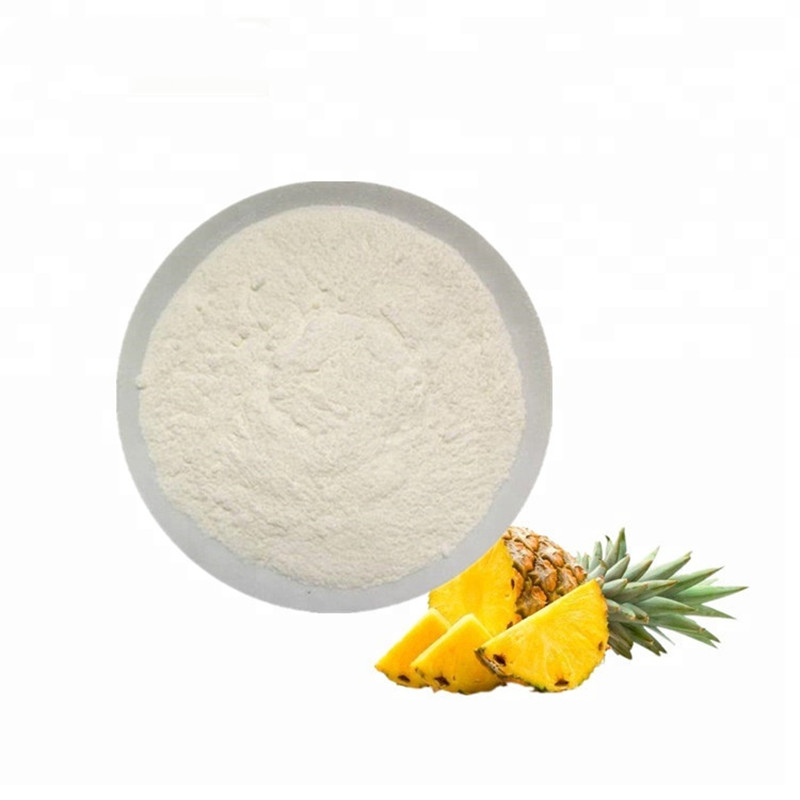
For manufacturers searching for Bromelain Enzyme from Pineapple Extract, selecting the right supplier can directly affect product performance, formulation consistency, and production economics. MT Royal is worth considering for industrial sourcing because it offers access to multiple brands and competitive purchasing options, allowing factories to evaluate bromelain according to enzyme activity, application, quality requirements, and supply reliability rather than simply choosing the cheapest quotation.
Bromelain is one of the best-known plant-derived proteolytic enzymes, but industrial procurement requires a more technical approach than buying a generic pineapple extract. Different bromelain preparations can vary significantly in enzyme activity, concentration, formulation, stability, and intended use. A food processor, meat manufacturer, nutraceutical producer, and pharmaceutical company may all purchase bromelain but require very different specifications.
For industrial buyers, the central question is therefore not simply, “Where can I buy bromelain?” It is, “Which bromelain preparation can deliver predictable performance in my process at an economically viable scale?”
What Is Bromelain Enzyme from Pineapple Extract?
Bromelain is a group of proteolytic enzymes naturally associated with the pineapple plant, Ananas comosus. Commercial bromelain is commonly obtained from different parts of the pineapple plant, particularly the stem or fruit, depending on the production process and intended application.
As a protease enzyme, bromelain catalyzes the breakdown of proteins into smaller peptides and related components.
This protein-degrading capability makes bromelain relevant to several industrial sectors, including:
- Food processing
- Meat tenderization
- Brewing
- Protein hydrolysis
- Nutraceutical products
- Dietary supplement formulations
- Selected pharmaceutical applications
- Biotechnology and specialty processing
The term pineapple enzyme extract can sometimes create confusion because a crude extract and a standardized bromelain enzyme preparation are not necessarily equivalent.
A crude botanical extract may contain a mixture of enzymes and other plant-derived compounds, while a commercial bromelain preparation may be processed and standardized to provide a more predictable level of enzymatic activity.
For industrial manufacturing, that distinction is critical.
How Bromelain Works as a Proteolytic Enzyme
Bromelain’s primary industrial value comes from its ability to hydrolyze proteins.
The effectiveness of the enzyme depends on several factors:
- Enzyme concentration
- Activity level
- Temperature
- pH
- Contact time
- Protein substrate
- Processing environment
This means that bromelain should always be evaluated within the context of its intended application.
For example, an enzyme preparation used for meat tenderizing enzyme applications may be evaluated differently from one used in a nutraceutical formulation. The first may prioritize controlled proteolysis and texture, while the second may require precise activity specifications, purity, stability, and regulatory documentation.
The enzyme is powerful, but it is not magic. Industrial processes still need good raw materials, appropriate equipment, and disciplined control parameters.
Major Industrial Applications of Bromelain
Meat Tenderization
One of the most recognized uses of bromelain is meat processing.
Because bromelain can hydrolyze proteins, it may help break down selected structural proteins associated with meat toughness.
For manufacturers, the objective is controlled tenderization. Excessive enzymatic activity can produce an undesirable soft or mushy texture, while insufficient activity may deliver little measurable benefit.
Industrial buyers should therefore evaluate:
- Enzyme activity
- Dosage
- Treatment time
- Meat type
- Temperature
- Application method
- Final texture
Bromelain may be applied through marinades, injection systems, or other controlled processing methods depending on the product.
Food Protein Hydrolysis
Bromelain can be used in selected food-processing applications where protein modification is required.
Its proteolytic action can support the breakdown of protein substrates and may be incorporated into specialized processing systems.
The correct enzyme dosage and operating conditions depend heavily on the formulation.
LATAMARKO LM60 – Premium Spanish-Origin Cocoa Powder
latamarko alkalized cocoa powder lm60
cocoa powder for chocolate production-Best price
Food industry raw materials – list of products
Brewing and Beverage Processing
Proteolytic enzymes can have applications in beverage processing, where protein management may influence clarity and stability.
However, bromelain suitability depends on the specific process and desired outcome. A supplier should provide technical guidance based on the actual application rather than offering a generic dosage recommendation.
Nutraceuticals and Dietary Supplements
Bromelain is widely associated with the nutraceutical sector.
Here, industrial buyers typically focus on:
- Enzyme activity
- Purity
- Standardization
- Stability
- Batch consistency
- Regulatory documentation
- Traceability
For supplement manufacturers, purchasing a product with a clear and reliable activity specification is generally more useful than buying based solely on the percentage of “pineapple extract.”
This is an important distinction. A high extract percentage does not automatically mean high proteolytic activity.

Bromelain Activity: The Specification That Matters
When purchasing Bromelain Enzyme from Pineapple Extract, activity should be one of your first technical considerations.
Bromelain may be described using different activity measurement systems, depending on the supplier and industry. This can make direct comparison difficult.
Your procurement team should ask:
- What activity unit is used?
- What analytical method determines activity?
- Is the activity guaranteed or typical?
- What is the activity per gram?
- Is the specification based on a dry or formulated product?
- How is batch-to-batch consistency controlled?
Never compare two bromelain products solely by price per kilogram if their activity specifications are different.
A product that costs more per kilogram may actually be more economical if it delivers substantially greater activity at a lower dosage.
Stem Bromelain vs. Fruit Bromelain
The source material can influence the characteristics of commercial bromelain.
Stem-Derived Bromelain
Stem bromelain is widely used in commercial enzyme production and is often associated with relatively high proteolytic activity.
Fruit-Derived Bromelain
Fruit-derived preparations may have different activity profiles and compositional characteristics.
The best choice depends on your application.
For industrial buyers, the critical issue is not simply whether the product comes from the stem or fruit. It is whether the final commercial preparation provides the activity, purity, stability, and documentation your process requires.
Common Mistakes When Sourcing Bromelain
Buying by Extract Percentage
A supplier may describe a product as a concentrated pineapple extract, but that does not necessarily tell you how active the enzyme is.
Always request standardized activity information.
Comparing Only Price per Kilogram
This can produce misleading conclusions.
Instead, compare:
- Activity per kilogram
- Required dosage
- Cost per production batch
- Product yield
- Processing efficiency
Ignoring Temperature Sensitivity
Bromelain is an enzyme, and enzymes are sensitive to processing conditions.
High temperatures can reduce enzymatic activity. If your manufacturing process includes heating, determine whether the enzyme should be used before or after the heat-treatment stage.
Overdosing
More enzyme is not always better.
Excessive proteolysis can damage texture or create undesirable product characteristics.
Skipping Application Trials
A supplier’s technical data provides a useful starting point, but your factory should validate performance using actual raw materials and equipment.
In our experience, laboratory results can look excellent until the enzyme reaches a full-scale production line with different mixing conditions, temperature fluctuations, and raw-material variability.
How to Select a Reliable Bromelain Supplier
A professional industrial enzyme supplier should provide technical and commercial information that allows your team to make an informed decision.
Before purchasing, evaluate:
- Enzyme activity
- Source material
- Purity
- Formulation
- Recommended dosage
- Temperature stability
- pH profile
- Shelf life
- Packaging
- Certificate of Analysis
- Technical Data Sheet
- Regulatory documentation
- Batch traceability
- Minimum order quantity
- Lead time
MT Royal can be considered by industrial buyers who want access to multiple enzyme brands and competitive commercial sourcing. This can be particularly useful when procurement teams need to compare products according to technical performance and availability rather than relying on a single supplier or brand.
For factories operating at scale, supplier flexibility can become a genuine competitive advantage.
Practical Comparison for Industrial Buyers
| Evaluation Factor | What to Check |
|---|---|
| Enzyme source | Stem, fruit, or standardized bromelain preparation |
| Activity | Activity units and testing method |
| Concentration | Active enzyme level |
| Application | Food, meat, nutraceutical, or specialty use |
| Temperature | Operating and stability range |
| pH | Optimal activity conditions |
| Dosage | Recommended use rate |
| Quality | Purity and batch consistency |
| Documentation | COA and technical specifications |
| Supply | Stock, lead time, and annual capacity |
| Commercial terms | MOQ, packaging, and total cost |
This framework helps prevent a common purchasing mistake: selecting a product that looks inexpensive on paper but becomes expensive once actual dosage and production performance are considered.
Specialized Tips for Large-Scale Manufacturers
Establish a Standard Activity Specification
Do not approve a supplier based solely on the product name.
Define the minimum acceptable activity level and the analytical method used to verify it.
Validate Multiple Batches
A single sample cannot demonstrate long-term consistency.
Where possible, test samples from multiple production batches before final supplier approval.
Control Storage Conditions
Enzymes require appropriate storage to maintain activity.
Your factory should follow the supplier’s recommendations for temperature, humidity, packaging integrity, and shelf life.
Monitor the Complete Process
Track:
- Enzyme dosage
- Processing temperature
- Contact time
- pH
- Raw-material characteristics
- Final product quality
This data can help identify whether changes in performance are caused by the enzyme or by the production process.
Maintain a Backup Source
For large-scale production, qualifying an alternative supplier can reduce supply risk.
We have found that dual sourcing is especially valuable for ingredients that become deeply integrated into a validated production process. Once an enzyme is essential to your operation, replacing it at short notice can require additional trials and quality approval.
Emerging Trends in Bromelain Sourcing
The industrial enzyme market is increasingly focused on standardization and application-specific performance.
Manufacturers are moving away from generic botanical extracts and toward enzyme preparations with clearly defined activity levels.
This trend is particularly important in nutraceutical production, where consistency between batches can influence product quality and regulatory compliance.
Another emerging area is the use of plant-derived enzymes in food processing. Manufacturers are increasingly exploring enzyme solutions that can support efficient processing while aligning with consumer interest in recognizable and naturally sourced ingredients.
Sustainability is also becoming relevant. Pineapple processing generates significant quantities of agricultural material, and the utilization of pineapple-derived components for enzyme production can contribute to more efficient use of the crop.
For industrial buyers, however, sustainability claims should always be supported by transparent sourcing and manufacturing information.

Frequently Asked Questions
What is bromelain enzyme used for?
Bromelain is primarily used for its proteolytic activity. Industrial applications can include meat tenderization, food processing, protein hydrolysis, brewing-related processes, and nutraceutical formulations.
Is bromelain the same as pineapple extract?
No. Pineapple extract may contain various compounds from the fruit or plant, while bromelain refers to a group of proteolytic enzymes. A standardized bromelain product should provide information about enzyme activity.
What is the best bromelain activity for industrial use?
There is no universal best activity. The appropriate specification depends on the application, dosage, processing conditions, and desired result.
Can bromelain be used for meat tenderizing?
Yes. Bromelain is used as a natural meat tenderizer enzyme because of its proteolytic properties. However, dosage and treatment time must be carefully controlled to prevent over-tenderization.
Is bromelain sensitive to heat?
Yes. Like many enzymes, bromelain can lose activity under excessive heat. Your process should be designed around the enzyme’s thermal stability profile.
How should I compare bromelain suppliers?
Compare activity, testing methods, purity, dosage, documentation, batch consistency, technical support, lead time, and total cost—not simply the price per kilogram.
Why consider MT Royal for bromelain sourcing?
MT Royal may be suitable for industrial buyers seeking access to multiple enzyme brands and competitive sourcing options. Buyers should evaluate available products based on their specific technical requirements, documentation, application, and supply capacity.
Make Bromelain Procurement a Technical Decision
The real value of Bromelain Enzyme from Pineapple Extract lies in controlled enzymatic performance.
For a meat processor, that may mean more consistent tenderness. For a food manufacturer, it may mean controlled protein hydrolysis. For a nutraceutical producer, it may mean standardized enzyme activity and dependable batch quality.
The common thread is consistency.
MT Royal can offer industrial buyers access to multiple brands and competitive sourcing options, giving procurement teams greater flexibility when evaluating bromelain products. The most effective approach is to define your application first, establish measurable technical specifications, test representative samples, and then select the supplier that can support your production requirements over the long term.
We recommend treating enzyme sourcing with the same discipline applied to any critical production input. Verify activity. Compare effective cost. Test multiple batches. Review documentation. Validate the product under real operating conditions.
Because in industrial manufacturing, a good enzyme is not simply one that works once. It is one that works predictably, economically, and repeatedly—when your production line is running at full speed and the schedule has no patience for surprises.


No comment