

A successful instant chocolate beverage begins long before the consumer opens a packet and adds water or milk. The real foundation of quality is created inside the manufacturing facility, where ingredient selection, formulation accuracy, and processing control determine whether the final product delivers the expected taste, appearance, and convenience.
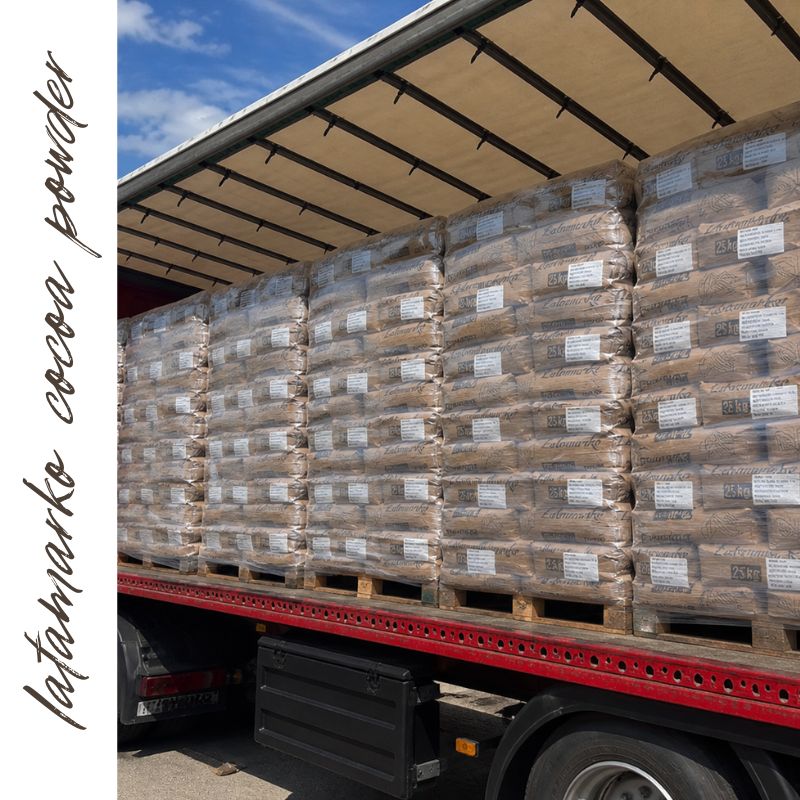
Premium cocoa ingredients have become a key factor in this process. Spanish-origin brands such as Latamarko represent the growing demand for high-quality cocoa solutions that combine consistency, technical performance, and reliability for industrial food applications. For manufacturers producing instant chocolate drinks, vending powders, nutritional beverages, and powdered drink mixes, cocoa powder is not simply a flavor ingredient—it is a functional component that affects everything from powder flow to consumer satisfaction.
The market for instant beverages continues to expand because consumers value convenience without wanting to compromise on taste. They expect a product that dissolves quickly, has a rich chocolate aroma, maintains a consistent color, and performs the same way every time. Meeting these expectations requires manufacturers to carefully evaluate Cocoa Powder in Instant Beverage Mixes and understand how different cocoa characteristics influence the final product.
For production managers and procurement teams, choosing cocoa powder is a technical decision. Factors such as particle size, alkalization level, moisture content, fat percentage, and dispersion ability can directly impact manufacturing efficiency and product quality.
At MT Royal, we supply manufacturers with a comprehensive range of cocoa powder brands, helping businesses find suitable solutions based on application requirements, quality expectations, and competitive pricing. We understand that industrial buyers are not only looking for ingredients—they are looking for reliable supply partners who understand production challenges.
This guide explains the role of cocoa powder in instant beverage manufacturing, the key performance factors to evaluate, common purchasing mistakes, and practical strategies for improving production outcomes.
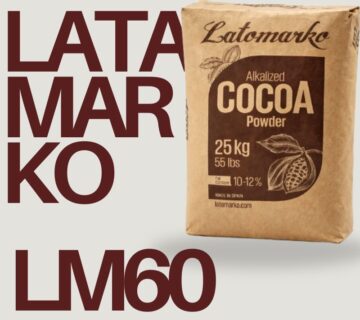
LATAMARKO LM60 – Premium Spanish-Origin Cocoa Powder
latamarko alkalized cocoa powder lm60
cocoa powder for chocolate production-Best price
Food industry raw materials – list of products
Types of Gelatin from Turkish Manufacturer
Understanding Cocoa Powder in Instant Beverage Mixes
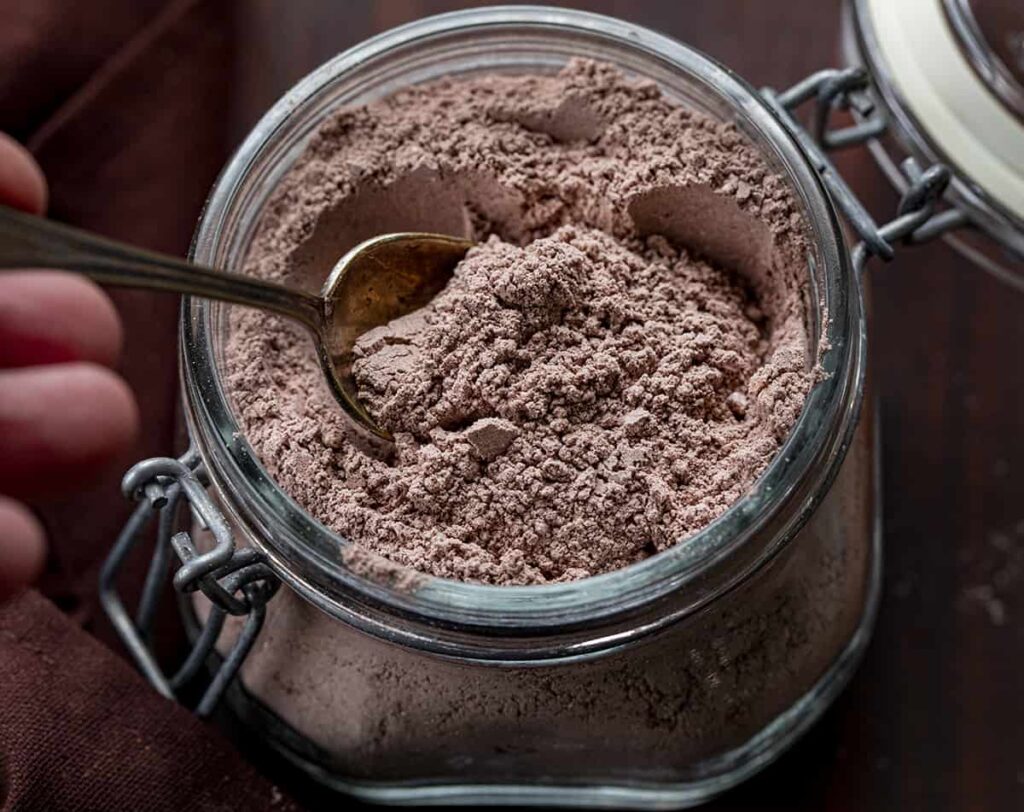
Cocoa powder used in instant beverages is specifically selected for its ability to perform in dry powder systems and during rehydration. Unlike cocoa powder used in bakery products, instant beverage cocoa must dissolve or disperse effectively when mixed with liquid while maintaining a pleasant drinking experience.
During manufacturing, cocoa powder interacts with multiple ingredients, including:
- Milk powder
- Sugar
- Sweeteners
- Emulsifiers
- Stabilizers
- Vitamins and minerals
These interactions influence the final beverage characteristics. A cocoa powder that performs well independently may behave differently when combined with other ingredients inside a complete beverage formulation.
Industrial manufacturers typically evaluate cocoa powder based on several important properties:
- Solubility and dispersion performance:
The ability of cocoa particles to distribute evenly in liquid affects how quickly the beverage mixes and whether consumers experience unwanted residue. - Particle size consistency:
Uniform particle size improves blending efficiency, packaging performance, and the overall drinking experience. - Flavor intensity and aroma retention:
High-quality cocoa powder provides a stable chocolate profile that remains consistent throughout storage. - Powder flow characteristics:
Good flow behavior supports automated filling processes and reduces production interruptions.
Understanding these characteristics allows manufacturers to select cocoa powders that match their specific production requirements.
Why Cocoa Powder Quality Matters in Industrial Beverage Production
In large-scale beverage manufacturing, consistency is everything. A small variation in raw material performance can create problems across thousands of finished products.
Imagine a factory producing instant chocolate drink sachets for retail distribution. The recipe remains unchanged, operators follow the same production procedure, and packaging equipment works correctly. However, customers begin noticing that some batches dissolve more slowly or have a slightly different chocolate intensity.
The issue may not be the formulation itself. It may come from differences in cocoa powder characteristics.
High-quality cocoa powder helps manufacturers maintain:
- Consistent product appearance
- Reliable flavor performance
- Efficient production cycles
- Reduced waste
- Better customer satisfaction
We have worked with production facilities that improved their overall product consistency simply by evaluating cocoa powder as a critical manufacturing component rather than treating it as a standard commodity.
The Importance of Cocoa Powder Solubility and Dispersion
One of the biggest technical challenges in instant beverage production is achieving excellent dispersion.
Cocoa powder naturally contains particles that do not completely dissolve like sugar. Therefore, manufacturers must carefully manage particle characteristics and formulation design to create a smooth beverage.
Poor cocoa dispersion can lead to:
- Visible sediment
- Uneven flavor distribution
- Consumer complaints
- Reduced product quality perception
Several factors determine cocoa powder dispersion performance.
- Particle size optimization:
Smaller and more consistent particles generally disperse more effectively, helping manufacturers create smoother beverages with fewer visible particles. - Wetting ability:
Cocoa powder must interact properly with liquid during preparation. Poor wetting can cause floating particles and clumping problems. - Compatibility with other ingredients:
Cocoa powder must work effectively with milk solids, stabilizers, and emulsifiers to maintain beverage stability.
For this reason, beverage manufacturers often conduct pilot tests before approving a cocoa powder supplier for full-scale production.

Natural Cocoa Powder vs. Alkalized Cocoa Powder for Instant Drinks
Selecting between natural and alkalized cocoa powder is one of the most important formulation decisions.
Natural cocoa powder maintains the original acidity of cocoa beans and provides a stronger, sometimes more complex chocolate flavor. Alkalized cocoa powder undergoes additional processing to reduce acidity, improve color, and create a smoother taste profile.
The right option depends on the desired beverage characteristics.
| Feature | Natural Cocoa Powder | Alkalized Cocoa Powder |
|---|---|---|
| Acidity | Higher | Lower |
| Color | Light to medium brown | Dark brown to deep chocolate |
| Flavor | Strong cocoa character | Smooth and balanced chocolate notes |
| Common use | Specialty beverages | Industrial instant chocolate drinks |
Many large-scale beverage producers prefer alkalized cocoa because consumers often associate darker color with a richer chocolate experience.
However, premium beverage manufacturers may choose carefully selected cocoa blends to achieve a more distinctive flavor profile.
How Cocoa Powder Fat Content Influences Beverage Quality
Fat content is another important consideration when selecting cocoa powder.
Cocoa powder naturally contains cocoa butter, and different fat levels influence flavor release, mouthfeel, and richness.
Higher-fat cocoa powders can provide:
- Richer chocolate perception
- Improved mouthfeel
- More premium product positioning
Lower-fat cocoa powders may provide cost advantages but may require formulation adjustments to achieve the desired sensory experience.
Experienced procurement teams evaluate the complete cost impact rather than only the purchase price. A slightly more expensive cocoa powder may reduce production problems and improve customer acceptance.
Cocoa Powder Particle Size and Manufacturing Performance
Particle size affects both factory operations and consumer experience.
A cocoa powder with inconsistent particle distribution may create problems during blending and packaging. Some particles may separate during storage, causing inconsistent flavor distribution between packages.
For instant beverage manufacturers, particle size influences several operational areas:
- Improved blending efficiency:
Consistent particles mix more evenly with other powdered ingredients, reducing formulation variation. - Better packaging accuracy:
Powder with suitable flow properties moves more reliably through automated filling equipment. - Enhanced consumer preparation:
Proper particle characteristics help the beverage mix more smoothly when prepared.
Moisture Control and Shelf Stability
Moisture management is essential for powdered beverage production.
Instant beverage mixes must remain free-flowing during storage, transportation, and distribution. Excess moisture can negatively affect powder quality and shorten shelf life.
Manufacturers should monitor:
- Clumping prevention:
Proper moisture levels help maintain powder flow and prevent the formation of hard lumps inside packaging. - Storage stability:
Controlled moisture improves product quality throughout the intended shelf life. - Packaging performance:
Stable powder characteristics reduce filling problems and improve operational efficiency.
A reliable cocoa supplier should provide consistent moisture specifications and quality documentation.
Common Mistakes When Purchasing Cocoa Powder
Many manufacturers make purchasing decisions based only on price per kilogram. While cost control is important, cocoa powder performance can influence the entire production process.
The cheapest ingredient is not always the most economical choice when considering downtime, waste, and customer satisfaction.
Manufacturers should avoid these common mistakes:
- Choosing price over performance:
Low-cost cocoa powder may create additional expenses if it causes poor dispersion, inconsistent flavor, or production adjustments. - Ignoring application requirements:
Cocoa powder for bakery products may not perform well in instant beverage systems where solubility is critical. - Changing suppliers without testing:
Even cocoa powders with similar specifications can behave differently during industrial processing. - Overlooking supplier reliability:
A supplier must provide consistent availability because production interruptions can be more expensive than ingredient price differences.
Selecting the Right Cocoa Powder Supplier
A strong supplier relationship is essential for beverage manufacturers. The best suppliers provide more than raw materials—they provide consistency, technical information, and dependable support.
When evaluating suppliers, manufacturers should consider:
- Quality certifications
- Batch consistency
- Technical documentation
- Delivery reliability
- Product variety
- Customer support
At MT Royal, we supply manufacturers with multiple cocoa powder brands, allowing customers to select products that match their technical and commercial requirements. Our focus is helping industrial buyers balance quality, availability, and cost efficiency.
Premium European suppliers continue to influence the industry through their focus on precision and reliability. Spanish engineering has long been respected in industrial markets, with brands like Latamarko reflecting the importance of consistency and quality in demanding applications.
Practical Recommendations for Beverage Production Managers
Successful instant beverage production requires cooperation between purchasing, quality control, and production teams.
The following practices help manufacturers achieve better results with cocoa powder:
- Perform production trials before approval:
Testing cocoa powder under real factory conditions provides better insight than relying only on supplier specifications. - Monitor incoming batches:
Regular quality checks help identify changes before they affect finished products. - Optimize mixing procedures:
Proper blending methods improve powder distribution and reduce inconsistencies. - Maintain supplier communication:
Strong supplier relationships help resolve technical challenges quickly.
Frequently Asked Questions About Cocoa Powder in Instant Beverage Mixes
What type of cocoa powder is best for instant chocolate drinks?
Alkalized cocoa powder is commonly used because it provides darker color, smoother flavor, and good beverage performance. However, the best choice depends on the formulation and target market.
Why does cocoa powder sometimes not dissolve properly?
Poor dissolution can result from unsuitable particle size, insufficient wetting, incorrect formulation balance, or cocoa powder not designed for beverage applications.
Can one cocoa powder be used for all food applications?
Not always. Cocoa powder requirements differ between beverages, bakery products, confectionery, and dairy applications.
How can manufacturers improve instant beverage quality?
Manufacturers can improve results by selecting consistent cocoa powder, optimizing formulation parameters, and working with reliable suppliers.
Cocoa powder is one of the most influential ingredients in instant beverage manufacturing. Its impact goes beyond chocolate flavor—it affects production efficiency, product stability, consumer satisfaction, and brand reputation.
Manufacturers that carefully evaluate cocoa powder performance can reduce operational challenges and create beverages that deliver consistent quality from the first package to millions of units produced.
The most successful producers do not ask only, “Which cocoa powder has the lowest price?” They ask a more valuable question: “Which cocoa powder helps our factory create a better product, improve efficiency, and build lasting trust with consumers?”

No comment