

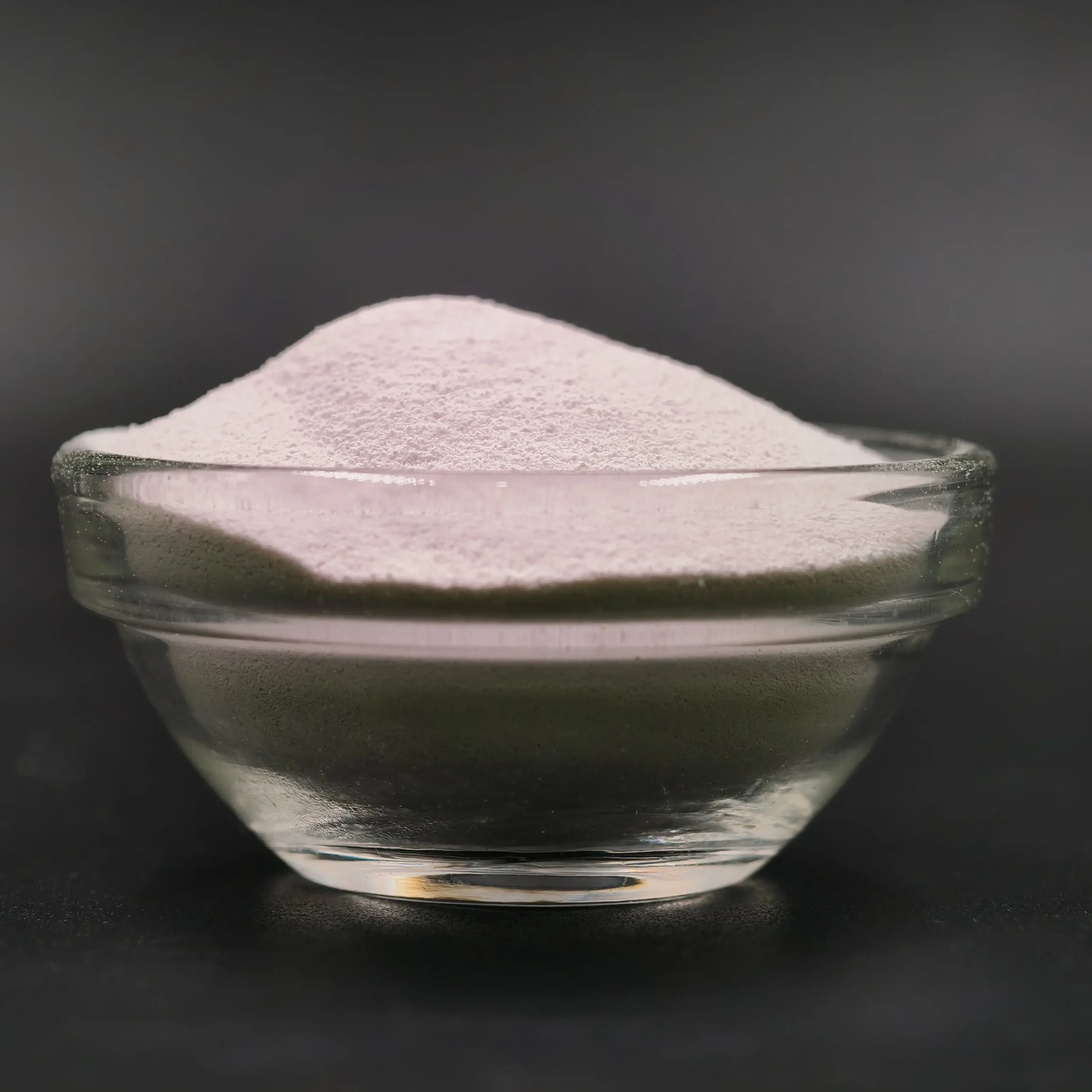
If your factory is searching for a dependable Ferrous Sulfate Bulk Supplier TÜRKİYE, the purchasing decision should go well beyond finding the lowest price per ton. For industrial buyers, the right supplier must combine consistent product quality, dependable logistics, competitive pricing, accurate documentation, and the ability to supply the correct grade for your application. MT Royal can be a practical sourcing option for manufacturers and distributors that want to compare multiple brands and purchasing alternatives while maintaining a focus on technical specifications and supply reliability.
Ferrous sulfate is a versatile inorganic compound used across agriculture, water treatment, animal nutrition, food fortification, pharmaceuticals, and several industrial processes. That wide application range is precisely why procurement can become complicated. A product suitable for agricultural soil treatment may not meet the requirements of a food or pharmaceutical application. A technical-grade material that performs perfectly in wastewater treatment may be entirely unsuitable for nutritional use.
For factories purchasing in bulk, this distinction is critical.
The term “ferrous sulfate” describes a family of products rather than a single universal raw material specification. Hydration state, iron content, purity, particle size, physical form, packaging, and regulatory status can all affect the commercial and technical value of the material you receive.
Turkey’s strategic geographic position between Europe, Asia, and the Middle East also makes it an important consideration for regional chemical sourcing. However, proximity to a market does not automatically guarantee reliable supply. Industrial buyers still need to evaluate supplier capabilities, product consistency, import and export requirements, logistics, and technical documentation.
This guide explains what you should know before selecting a Ferrous Sulfate Bulk Supplier TÜRKİYE, including product types, applications, sourcing mistakes, quality control, logistics, and practical advice for large-scale procurement.
LATAMARKO LM60 – Premium Spanish-Origin Cocoa Powder
latamarko alkalized cocoa powder lm60
cocoa powder for chocolate production-Best price
Food industry raw materials – list of products
Types of Gelatin from Turkish Manufacturer
What Is Ferrous Sulfate?
Ferrous sulfate is an iron salt containing iron in the +2 oxidation state. It is commonly encountered in several hydration forms, with ferrous sulfate heptahydrate being one of the most recognizable commercial forms.
The chemical formula of ferrous sulfate heptahydrate is commonly written as FeSO₄·7H₂O, while anhydrous ferrous sulfate is represented as FeSO₄.
The hydration state matters because it directly affects the molecular weight and therefore the theoretical elemental iron concentration.
This is one of the first technical details that procurement teams should understand.
A quotation for “ferrous sulfate” without a clearly defined hydration state is incomplete. Two products may have the same general chemical name while offering different iron concentrations and physical properties.
Depending on the application, ferrous sulfate may be supplied as:
- Crystals
- Granules
- Powder
- Fine powder
- Technical-grade material
- Feed-grade material
- Food-grade material
- Pharmaceutical-grade material
The correct choice depends entirely on the end use.
Why Ferrous Sulfate Is Important for Industry
Ferrous sulfate is widely used because it combines relatively straightforward chemistry with broad functionality.
Its applications include:
- Iron fortification
- Dietary supplements
- Pharmaceutical formulations
- Animal feed
- Fertilizer products
- Soil amendments
- Water and wastewater treatment
- Industrial chemical processes
- Pigment and color-related applications
- Certain mining and metallurgical processes
This diversity means that manufacturers often approach suppliers with very different requirements.
A food manufacturer may prioritize purity, food safety documentation, and regulatory compliance.
A wastewater treatment company may focus on iron content, dissolution behavior, bulk pricing, and delivery capacity.
An agricultural distributor may prioritize cost per ton, granulation, storage stability, and seasonal availability.
The product may have the same basic chemical identity, but the procurement strategy is completely different.
Ferrous Sulfate Heptahydrate vs. Anhydrous Ferrous Sulfate
Understanding hydration state is essential when comparing bulk quotations.
Ferrous Sulfate Heptahydrate
Ferrous sulfate heptahydrate contains seven molecules of water of crystallization.
It is often encountered as a crystalline material and is commonly used in applications where its physical form and solubility are suitable.
Anhydrous Ferrous Sulfate
Anhydrous ferrous sulfate contains no water of crystallization and therefore has a higher theoretical concentration of iron by weight.
However, the higher elemental concentration does not automatically make it the better commercial choice.
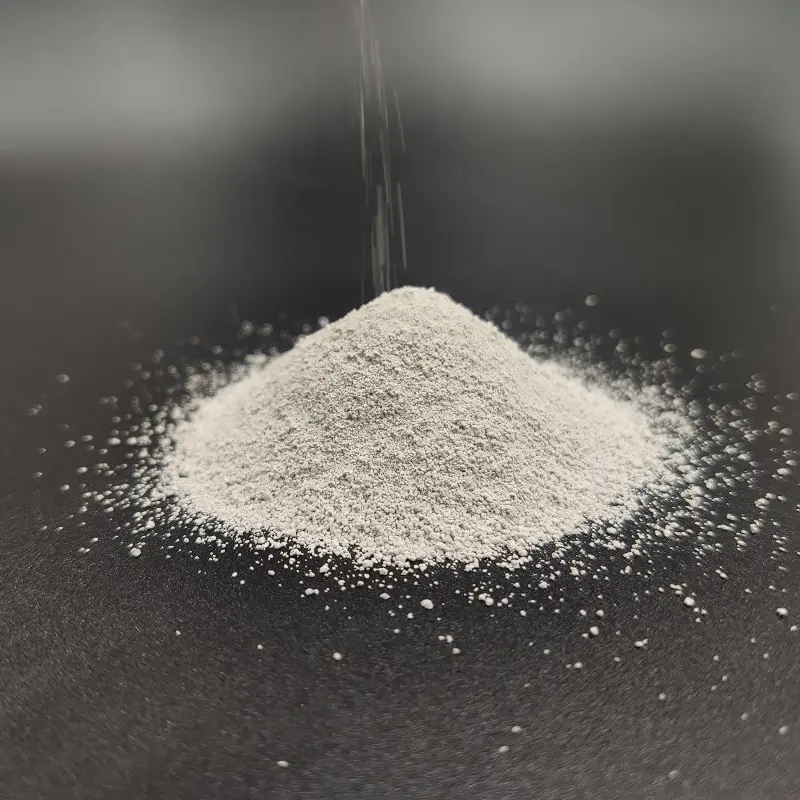
Major Applications of Ferrous Sulfate
Food and Nutritional Fortification
Ferrous sulfate is one of the recognized iron sources used in food fortification and nutritional applications where permitted by applicable regulations.
Iron is an essential mineral, and fortified foods can contribute to dietary iron intake.
However, food manufacturers must carefully evaluate the sensory and stability characteristics of the iron source.
Ferrous sulfate can be highly soluble compared with some other iron compounds. That can be beneficial for certain applications, but it can also increase the potential for interactions with food components.
For example, iron may contribute to oxidation reactions in products containing sensitive fats or flavor compounds.
This is why food formulators often compare ferrous sulfate with alternatives such as ferrous fumarate, ferric pyrophosphate, or other approved iron sources.
Pharmaceutical Applications
Ferrous sulfate has a long history of use in iron supplementation products.
Pharmaceutical manufacturers typically require strict specifications covering identity, purity, assay, impurities, manufacturing controls, and traceability.
A supplier serving this market must be able to provide documentation appropriate to the intended application.
This is an important distinction when choosing a Ferrous Sulfate Bulk Supplier TÜRKİYE.
A supplier may be perfectly capable of supplying technical-grade material but may not have the documentation or quality systems required for pharmaceutical manufacturing.
Animal Feed
Ferrous sulfate can be used as an iron source in animal nutrition.
Feed manufacturers typically focus on:
- Iron concentration
- Purity
- Heavy metal limits
- Consistency
- Feed-grade compliance
- Bulk availability
- Price stability
Because animal feed is produced at large volumes, procurement economics are particularly important.
A small difference in cost per ton can have a significant effect when multiplied across annual consumption.
Agriculture and Fertilizers
Ferrous sulfate is widely used in agricultural applications.
It may be used as:
- An iron fertilizer
- A soil amendment
- A micronutrient source
- A product for correcting iron deficiency
- An ingredient in lawn and turf treatments
In these applications, the physical form can be just as important as chemical composition.
Granular products may be preferred for certain fertilizer applications, while soluble forms may be more appropriate for liquid formulations.
Water and Wastewater Treatment
Ferrous sulfate is used in selected water treatment processes, including applications involving phosphorus removal and coagulation.
The technical requirements can differ significantly from those of food-grade materials.
Treatment facilities may prioritize:
- Consistent iron content
- Solubility
- Reaction performance
- Bulk availability
- Transportation efficiency
- Cost per treatment volume
This is a good example of why industrial buyers should never purchase based solely on the generic product name.
Common Mistakes When Buying Ferrous Sulfate in Bulk
Mistake 1: Choosing the Lowest Price
The lowest quotation is often attractive, but it may not represent the lowest total cost.
A cheaper product can become expensive if it has:
- Higher impurity levels
- Inconsistent assay
- Excessive moisture
- Poor physical handling characteristics
- Unreliable delivery
- Weak documentation
The true purchasing metric should be total landed cost combined with quality risk.
Mistake 2: Ignoring Hydration State
This is one of the most common technical errors.
Always confirm whether the quoted product is heptahydrate, monohydrate, or anhydrous.
The difference can materially affect elemental iron calculations.
Mistake 3: Assuming Technical Grade Is Universal
A product labeled “technical grade” is not automatically suitable for food, feed, or pharmaceutical applications.
Every industry has its own specifications.
Mistake 4: Failing to Test Before a Large Purchase
A sample may look perfectly acceptable, but industrial behavior can reveal problems.
Before committing to a large volume, evaluate:
- Dissolution
- Particle size
- Color
- Moisture
- Flowability
- Compatibility with your process
Mistake 5: Neglecting Storage Conditions
Ferrous sulfate can undergo changes during storage depending on moisture exposure, oxygen, temperature, and packaging.
Poor storage can affect product quality before it ever reaches the production line.
Mistake 6: Changing Suppliers Without Validation
Two suppliers can provide products with similar chemical specifications but different physical characteristics.
A supplier change should therefore be treated as a controlled technical change.
The Importance of Elemental Iron Calculations
When purchasing ferrous sulfate, the elemental iron concentration should be part of the commercial calculation.
For example, the theoretical iron content of ferrous sulfate heptahydrate is lower than that of anhydrous ferrous sulfate because the heptahydrate contains water of crystallization.
Therefore, a factory consuming 100 tons of product per year should not compare two offers simply as:
“Supplier A: $X per ton.”
“Supplier B: $Y per ton.”
Instead, calculate the cost per unit of elemental iron.
This approach provides a more meaningful comparison.
It is especially important for food fortification, animal feed, and other applications where the final product is designed around a specific nutritional or technical iron concentration.
Specialized Tips for Large-Scale Industrial Buyers
Create an Approved Product Specification
Your purchasing department should have a written specification that defines all critical parameters.
Do not rely on a product name alone.
Qualify Multiple Sources
For high-volume operations, consider qualifying more than one supplier.
Dual sourcing can reduce the risk of production interruptions caused by:
- Logistics delays
- Port congestion
- Manufacturing shutdowns
- Regulatory changes
- Unexpected demand spikes
However, alternative suppliers should be technically validated before they are needed.
Monitor Batch-to-Batch Variation
Track key quality parameters over time.
A supplier may provide an excellent first shipment but show variability later.
Long-term supplier performance should be monitored, not assumed.
Optimize Packaging
Bulk packaging can significantly affect total cost.
Options may include:
- 25 kg bags
- 500 kg big bags
- 1,000 kg big bags
- Palletized shipments
- Bulk transport
The best choice depends on your consumption rate and warehouse infrastructure.
Consider Inventory Strategy
If lead times are unpredictable, maintaining safety stock may be justified.
However, excessive inventory ties up capital and can increase storage risks.
The ideal inventory level should reflect:
- Average monthly demand
- Supplier lead time
- Demand variability
- Shelf life
- Storage conditions
- Cost of production downtime
Ferrous Sulfate Supply From Türkiye: Why Geography Matters
Turkey’s geographic position gives it a unique role in regional industrial trade.
For buyers in Europe, the Middle East, North Africa, and neighboring markets, sourcing through Turkish suppliers may offer logistical advantages depending on the origin of the material and final destination.
Potential benefits can include:
- Access to major ports
- Road connectivity to Europe
- Regional proximity
- Flexible logistics options
- Shorter transit times for nearby markets
However, buyers should avoid assuming that “Turkey-based supplier” automatically means “Turkish-manufactured product.”
A supplier may source material internationally and distribute it through Turkey.
This is not necessarily a problem, but the distinction should be clear.
Ask about:
- Country of manufacture
- Country of origin
- Shipping point
- Warehouse location
- Port of loading
- Export documentation
These details can influence customs procedures, tariffs, and lead times.
Quality Control for Bulk Ferrous Sulfate
Industrial buyers should establish an incoming quality-control process appropriate to their application.
Identity
Confirm that the material is the correct chemical compound.
Assay
Verify the iron content and relevant purity parameters.
Hydration State
Confirm that the product matches the contracted specification.
Moisture
Excess moisture can affect handling and storage.
Particle Size
Particle size should be consistent with the intended application.
Heavy Metals
Where relevant, test or verify compliance with specified limits.
Appearance
Changes in color or physical appearance may indicate oxidation or storage-related changes.
Packaging Integrity
Inspect bags or bulk containers for damage, moisture exposure, or contamination.
For high-volume buyers, supplier qualification can reduce the need for exhaustive testing on every shipment, but quality verification should never be abandoned entirely.
Storage and Handling Considerations
Ferrous sulfate should be stored in conditions appropriate to its grade and packaging.
Generally, manufacturers should protect the material from:
- Excessive humidity
- Direct water exposure
- Contamination
- Incompatible chemicals
- Extreme storage conditions
Proper stock rotation is also important.
A “first in, first out” approach can help prevent unnecessary long-term storage.
Warehouses should also ensure that packaging is suitable for the product’s physical characteristics.
For large-volume operations, warehouse design matters more than many buyers realize.
A product can leave the supplier in perfect condition and deteriorate because of poor storage practices. The supply chain does not end at the factory gate.
Emerging Trends in Ferrous Sulfate Procurement
Industrial purchasing is becoming increasingly data-driven.
Procurement teams are now looking beyond simple price comparisons and evaluating:
- Supplier reliability
- Carbon footprint
- Traceability
- Supply-chain resilience
- Regulatory transparency
- Digital documentation
- Total cost of ownership
Sustainability is also becoming more relevant.
In some markets, buyers increasingly want information about manufacturing processes, energy use, transportation distances, and waste management.
Another trend is greater interest in circular economy models.
Ferrous sulfate can be generated as a by-product in certain industrial processes, and some commercial supply chains utilize recovered material for appropriate applications.
However, this creates an important distinction between “recovered” and “low quality.”
A by-product-derived material can be perfectly suitable for a particular application if it meets the required specification. But it must be properly characterized and controlled.
The correct question is not necessarily “Where did this product originate?”
The better question is:
“Does this product consistently meet the specification required for my application?”
Frequently Asked Questions About Ferrous Sulfate Bulk Suppliers in Türkiye
What should I look for in a Ferrous Sulfate Bulk Supplier TÜRKİYE?
Look for consistent quality, appropriate product grade, reliable documentation, supply capacity, competitive pricing, logistics capability, and experience with your target application.
Is ferrous sulfate heptahydrate the same as anhydrous ferrous sulfate?
No. They have different hydration states and different theoretical elemental iron concentrations.
Can technical-grade ferrous sulfate be used in food production?
Not automatically. Food applications require compliance with applicable food regulations and specifications.
How can I compare prices from different suppliers?
Compare the total landed cost and normalize the pricing according to hydration state, assay, elemental iron content, packaging, and freight.
What documents should a bulk supplier provide?
Depending on the application, buyers may request a certificate of analysis, technical data sheet, safety data sheet, specification, origin information, and regulatory documentation.
Is Turkey a good sourcing location for ferrous sulfate?
Turkey can be strategically relevant for regional supply because of its geographic position and logistics infrastructure. However, each supplier should be evaluated individually.
Can MT Royal provide multiple ferrous sulfate brands?
MT Royal can be considered by buyers seeking access to multiple brands and competitive options. The exact availability of brands and grades should be confirmed according to the required specification and destination market.
How much should I buy at once?
The optimal order size depends on consumption, shelf life, storage capacity, supplier lead time, and price breaks. Larger orders are not automatically better if they create excessive inventory.
Should I maintain two suppliers?
For critical, high-volume applications, qualifying a secondary supplier can reduce supply-chain risk. The alternative source should be validated before it is required.
A Practical Procurement Checklist
Before signing a bulk purchasing agreement, confirm:
Product
- Correct chemical identity
- Correct hydration state
- Required iron assay
- Appropriate grade
- Particle-size specification
Quality
- Certificate of analysis
- Impurity limits
- Heavy metal limits
- Batch consistency
- Traceability
Logistics
- Country of origin
- Shipping point
- Lead time
- Packaging
- Minimum order quantity
- Delivery terms
Commercial
- Price per ton
- Landed cost
- Payment terms
- Contract duration
- Price adjustment mechanisms
Risk Management
- Backup supplier
- Safety stock
- Quality dispute process
- Replacement policy
- Force majeure provisions
A checklist may sound mundane, but industrial procurement is often won or lost in the details that nobody bothered to write down.
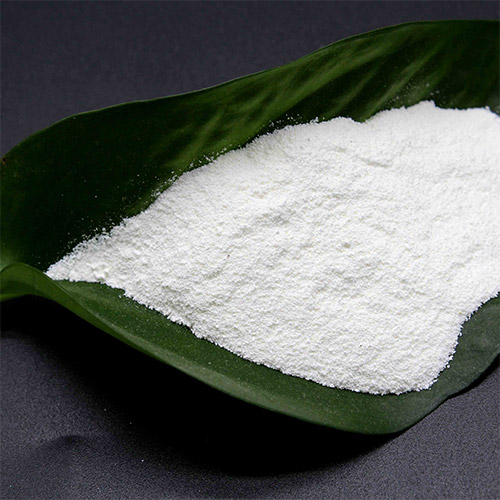
Why Supplier Flexibility Matters
A factory’s needs can change.
Your production volume may increase. A new customer may require a different grade. A regulatory requirement may change. A supplier may experience a temporary disruption.
This is why having access to multiple brands can be valuable.
MT Royal’s multi-brand sourcing approach can give buyers more flexibility when evaluating alternatives according to technical specifications and competitive pricing.
The goal is not to switch suppliers constantly.
The goal is to have enough visibility into the market to make informed decisions when conditions change.
Building a Long-Term Sourcing Strategy
The strongest industrial purchasing relationships are built around more than transactions.
A reliable supplier should understand your consumption patterns, technical requirements, expected growth, and quality standards.
For a large factory, this may involve:
- Annual supply planning
- Forecast sharing
- Framework agreements
- Safety stock arrangements
- Pre-shipment documentation
- Regular quality reviews
- Alternative product qualification
We have found that the most effective supplier relationships are those in which procurement and technical teams communicate before problems occur.
If your factory consumes hundreds of tons annually, waiting until inventory reaches zero before asking, “Can you deliver next week?” is not a sourcing strategy. It is an emergency.
The better approach is to build visibility into demand and supply months ahead.
The Strategic Value of Choosing the Right Ferrous Sulfate Supplier
For manufacturers, ferrous sulfate may appear to be a straightforward commodity. In reality, its procurement involves chemistry, quality management, logistics, regulatory compliance, and cost analysis.
Choosing the right Ferrous Sulfate Bulk Supplier TÜRKİYE therefore requires a broader perspective.
The best supplier is not necessarily the largest company or the one offering the lowest initial quotation. It is the supplier that can consistently deliver the correct product specification, at the right quality, in the required quantity, with documentation that stands up to scrutiny.
MT Royal can be a useful option for manufacturers and distributors looking to compare multiple brands and competitive purchasing opportunities. For buyers operating in price-sensitive markets, this flexibility can make it easier to balance quality, cost, and availability.
Our recommendation for any factory is straightforward: define your specification before requesting quotations, compare suppliers on a normalized cost basis, validate samples under real production conditions, and establish a backup supply plan before you need one.
Ferrous sulfate may be a simple chemical on a specification sheet, but the supply chain behind it is anything but simple.
The factories that manage it well understand that procurement is not merely about buying material. It is about protecting production, controlling risk, and creating consistency.
When the right product arrives on time, meets the specification, performs exactly as expected, and does so at a commercially sustainable cost, nobody on the production floor needs to celebrate. The line simply keeps running.



No comment