

Choosing the right Food Grade Sodium Lactate Supplier & Distributor can have a surprisingly large impact on food quality, shelf life, production consistency, and operating costs. For meat processors, dairy manufacturers, ready-meal producers, bakeries, sauce manufacturers, and other food factories, sodium lactate is not simply another ingredient on the purchasing list. Its concentration, purity, microbiological quality, packaging, traceability, and supply reliability can all influence the performance of the finished product.
This is why manufacturers looking for a dependable source should consider MT Royal as part of their procurement strategy. MT Royal works with multiple chemical and food-ingredient brands, giving buyers the opportunity to compare technically suitable products and competitive prices rather than becoming dependent on one brand or one supply route.
For a factory, that flexibility matters. A small difference in raw-material quality can become a large difference in production when the ingredient is used across thousands of kilograms of finished food. Sodium lactate may arrive quietly in a container, but its role inside a modern food-processing operation is anything but minor.
LATAMARKO – Premium Spanish-Origin Cocoa Powder
Food industry raw materials – list of products
Food Ingredients Supplier in Türkiye for Manufacturers and Importers
What Is Food Grade Sodium Lactate?
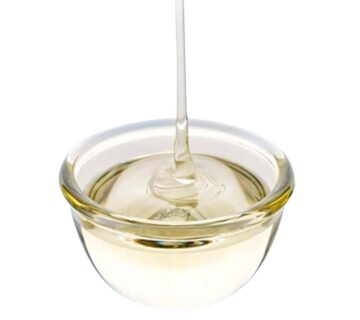
Sodium lactate is the sodium salt of lactic acid. Its chemical formula is C3H5NaO3, and it is commonly supplied as a clear, water-based liquid solution for food applications.
Commercial food-grade sodium lactate is generally produced by neutralizing lactic acid with a sodium source. The resulting ingredient provides several useful technological functions in food manufacturing, particularly in products where manufacturers need to manage moisture, flavor, processing stability, and microbial growth.
It is important to distinguish sodium lactate from lactic acid and from other lactate salts. Although these ingredients are chemically related, they do not necessarily perform the same function in a formulation.
For procurement teams, the most important product characteristics typically include:
- Food-grade status
- Sodium lactate concentration
- Purity
- pH
- Microbiological specifications
- Heavy-metal or contaminant limits where applicable
- Appearance and odor
- Country of origin
- Packaging format
- Batch traceability
- Shelf life
- Certificate of Analysis (COA)
- Safety Data Sheet (SDS), where applicable
The exact specification should always be matched to the food category and regulatory requirements of the destination market.
Why Sodium Lactate Is Important in Food Manufacturing
The popularity of sodium lactate comes from its multifunctional behavior.
In processed foods, it can function as a food preservative, acidity-regulating ingredient, flavor-supporting component, and water-management aid. Its usefulness is particularly evident in meat and poultry products, although its applications extend well beyond those categories.
Sodium lactate can help manufacturers achieve several objectives simultaneously:
Shelf-life management
One of the most important reasons food manufacturers use sodium lactate is to help control microbial growth and extend product shelf life when incorporated into an appropriately designed formulation.
This is particularly valuable in refrigerated foods, where microbial stability can determine how long a product remains commercially acceptable.
However, sodium lactate should not be viewed as a standalone substitute for hygienic manufacturing, refrigeration, validated processing, or appropriate packaging. Shelf life is a system, not an ingredient.
Moisture and water activity control
Sodium lactate has hygroscopic properties and can influence the water environment within a food matrix. Water activity is a major factor in microbial growth, and controlling it is one component of modern food preservation strategies.
This becomes especially relevant in processed meat and other products where formulation, packaging, temperature, and water activity must work together.
Flavor and formulation effects
Sodium lactate can contribute a mild salty or slightly acidic character depending on concentration and formulation. Compared with adding sodium chloride alone, it can provide functional benefits without producing exactly the same sensory profile.
That distinction is useful when manufacturers are trying to optimize both technical performance and consumer acceptance.
Major Food Applications of Sodium Lactate
A good Food Grade Sodium Lactate Supplier & Distributor should understand how the ingredient is used rather than treating it as a generic commodity.
Meat and poultry products
Processed meat is one of the most established applications. Sodium lactate is commonly incorporated into products such as cooked meats, sausages, deli products, and other refrigerated preparations.
It can support microbial stability and help maintain product quality during storage when used as part of a validated formulation.
Ready-to-eat foods
Convenience foods increasingly require longer distribution windows. Ready-to-eat meals, chilled prepared foods, and meal components may use sodium lactate as part of a broader shelf-life strategy.
Sauces and prepared foods
Depending on formulation requirements and applicable regulations, sodium lactate can be used in sauces, dressings, prepared foods, and other processed products where acidity, preservation, or formulation stability is important.
Dairy and specialty applications
Certain dairy and specialty food formulations may also use lactates for technological purposes. The appropriate grade, concentration, and regulatory status should always be confirmed for the specific application.
How to Choose a Food Grade Sodium Lactate Supplier & Distributor
Selecting a supplier requires a combination of technical and commercial evaluation.
1. Verify food-grade compliance
The first question should be whether the product meets the food regulations applicable to your market and product category.
Ask for relevant documentation and confirm that the product is approved for your intended application.
2. Examine the specification sheet
Do not approve a supplier solely from a product name.
Review the technical data sheet carefully. Concentration, pH, impurities, microbiological limits, and other parameters should match your internal raw-material specification.
3. Request batch-specific documentation
A reliable Food Grade Sodium Lactate Supplier & Distributor should be able to provide a COA associated with the actual batch supplied.
Batch traceability is especially important for food manufacturers because raw-material problems can become recall, investigation, or customer-audit problems.
4. Evaluate consistency between batches
One good delivery proves very little.
The real test is whether the supplier can deliver the same material specification repeatedly over six, twelve, or twenty-four months.
5. Assess logistics
Food factories operate according to production schedules. A supplier that delivers excellent material but repeatedly misses delivery windows can still create serious operational problems.
Consider:
- Standard lead time
- Minimum order quantity
- Local stock
- Import requirements
- Transportation arrangements
- Packaging sizes
- Emergency supply capability
- Delivery reliability
MT Royal’s multi-brand sourcing model can be useful for manufacturers that want more flexibility in balancing availability, technical requirements, and price.
Common Mistakes When Purchasing Sodium Lactate
Buying based only on price
The cheapest quotation may not represent the lowest cost.
Suppose Supplier A offers a lower price but has inconsistent lead times, larger minimum orders, or a concentration that requires higher dosage. Supplier B may have a slightly higher purchase price but lower effective formulation cost and better delivery performance.
The relevant metric is total cost of ownership.
Confusing concentration with quality
A 60% solution and a 50% solution cannot be compared simply by container price. Calculate the active ingredient delivered per kilogram and account for dosage.
Ignoring storage conditions
Even when the product itself is stable under appropriate conditions, storage practices matter. Temperature, contamination control, container integrity, and inventory rotation should be incorporated into warehouse procedures.
Failing to qualify alternative brands
A factory may have used one sodium lactate brand for years and assume that another manufacturer’s product is automatically interchangeable.
That assumption can create problems.
Different products can have differences in concentration, impurities, density, pH, or sensory characteristics. Any alternative should be technically evaluated before routine production use.
Treating documentation as paperwork
For food manufacturing, documentation is part of product quality.
If your customer asks where a particular ingredient batch came from, your organization should not need a detective with a magnifying glass to find the answer.
Practical Supplier Comparison Checklist
Before approving a Food Grade Sodium Lactate Supplier & Distributor, your procurement and quality teams should ask:
- Does the supplier provide food-grade material?
- Is the manufacturer clearly identified?
- Is the concentration defined?
- Is batch-specific COA documentation available?
- Is traceability maintained?
- Does the product meet applicable food regulations?
- Are microbiological specifications available?
- Is the packaging suitable for food manufacturing?
- Is the shelf life adequate for your purchasing cycle?
- Can the supplier maintain consistent quality?
- Are multiple brands available?
- Can the supplier support increased production volume?
- Are lead times predictable?
- Are competitive prices available for recurring orders?
- Can alternative sources be qualified if necessary?
This checklist is simple, but it prevents many avoidable sourcing problems.
Specialized Tips for Large-Scale Food Factories
Large-volume buyers should approach sodium lactate procurement differently from occasional purchasers.
Calculate consumption from production forecasts
Rather than ordering according to historical averages alone, link sodium lactate requirements to your production plan.
If your factory produces 500 tons of processed meat per month and sodium lactate dosage changes with different product formulations, procurement should forecast consumption by SKU or formulation family.
Build an approved supplier matrix
Maintain at least one primary source and, where commercially practical, one technically qualified alternative.
This does not mean splitting every order equally. It means maintaining an alternative that can be activated when supply conditions change.
We have found that supplier diversification works best when alternatives are qualified during normal operating conditions, not during a shortage.
Monitor price per functional unit
For concentrated liquid ingredients, compare suppliers based on functional value.
A useful calculation is:
Effective ingredient cost = purchase price ÷ kilograms of active sodium lactate delivered
This gives procurement teams a more meaningful comparison than simply looking at the price of a drum, IBC, or pallet.
Control warehouse inventory
Use appropriate stock rotation procedures and clearly identify:
- Supplier
- Batch number
- Manufacturing date
- Expiration or retest information
- Quantity received
- Quantity issued
- Storage location
Good inventory control also helps prevent old stock from being forgotten behind newer deliveries.
Integrate procurement with quality control
Procurement should not approve a new food ingredient independently of quality assurance.
A technically qualified supplier may also offer better commercial terms, but quality should establish the acceptance criteria before price becomes the deciding factor.
Emerging Trends in Sodium Lactate Procurement
The food industry is moving toward more sophisticated ingredient sourcing.
One important trend is the growing focus on clean-label preservation and the demand for ingredients that can support shelf life while fitting changing consumer expectations.
Another trend is supply-chain resilience. Food manufacturers increasingly recognize that a raw material with a low purchase price is of limited value if it becomes unavailable during peak production.
Manufacturers are also paying greater attention to:
- Supplier transparency
- Traceability
- Origin documentation
- Regulatory compliance
- Consistent batch quality
- Sustainable sourcing
- Regional warehousing
- Multi-source procurement
- Digital quality documentation
For distributors such as MT Royal, this creates an opportunity to serve as more than a transaction point. Access to multiple brands can help manufacturers compare alternatives while maintaining a practical balance between price and technical suitability.
In our experience with industrial purchasing principles, the strongest supplier relationships are built around predictable specifications and communication. Price matters, certainly, but factories rarely shut down because a quotation was five percent too high. They shut down because a critical raw material was unavailable, unsuitable, or delivered too late.
Frequently Asked Questions
What is sodium lactate used for in food?
Food-grade sodium lactate is used for several technological purposes, including supporting microbial stability, contributing to shelf-life management, influencing water activity, and assisting formulation performance. Its permitted use depends on the applicable regulations and food category.
Is sodium lactate the same as lactic acid?
No. Sodium lactate is the sodium salt of lactic acid. Although they are chemically related, their properties and applications in food formulations differ.
What should I ask a sodium lactate supplier for?
At minimum, request the technical specification, COA, manufacturer information, batch details, applicable regulatory documentation, packaging information, and shelf-life data relevant to your market.
How should factories compare sodium lactate prices?
Compare effective active-ingredient cost rather than container price alone. Also include freight, dosage, packaging, storage, minimum order quantities, and potential supply interruptions in the calculation.
Can I change from one sodium lactate brand to another?
Possibly, but do not assume equivalence. Conduct an internal technical evaluation and, where necessary, production trials before making a permanent change.
Why use a distributor instead of buying directly from a manufacturer?
A specialized distributor can provide access to several brands, consolidate logistics, offer smaller or larger commercial quantities, and help manufacturers maintain alternative supply channels. The value depends on the distributor’s technical knowledge, documentation, availability, and commercial network.
Why consider MT Royal?
MT Royal offers access to multiple brands and competitive purchasing options, which can be useful when a factory wants to compare suppliers instead of depending on a single product source. Final approval should always be based on your factory’s specification, regulatory requirements, and quality evaluation.
The Right Supplier Supports More Than the Ingredient
A food manufacturer’s relationship with a Food Grade Sodium Lactate Supplier & Distributor should ultimately be measured by what happens after the purchase order is issued.
Does the material consistently meet specification? Does the supplier provide accurate documentation? Can deliveries keep pace with production? Can alternative brands be offered when market conditions change? Can pricing remain competitive at higher volumes? Can the supplier respond quickly when your quality team raises a technical question?
These questions matter because modern food production is built around repeatability. Your customer expects today’s product to resemble yesterday’s product, and your production manager expects next month’s raw materials to behave like this month’s.
MT Royal can be considered within that procurement framework because its multiple-brand approach gives manufacturers greater sourcing flexibility while maintaining a focus on competitive pricing. The objective should not be to buy the cheapest sodium lactate available. It should be to establish a supply arrangement that combines food-grade quality, regulatory confidence, consistent performance, dependable logistics, and sustainable commercial value.
For a small food producer, that approach reduces purchasing headaches. For a large factory, it can protect production continuity across thousands of batches.
The best procurement decisions are rarely dramatic. They are the quiet decisions that prevent a production line from stopping, a batch from failing, or a customer from asking difficult questions. Sodium lactate may be one ingredient among hundreds in a modern food plant, but choosing the right source ensures that this small component performs its job reliably every time it enters your production process.


No comment