

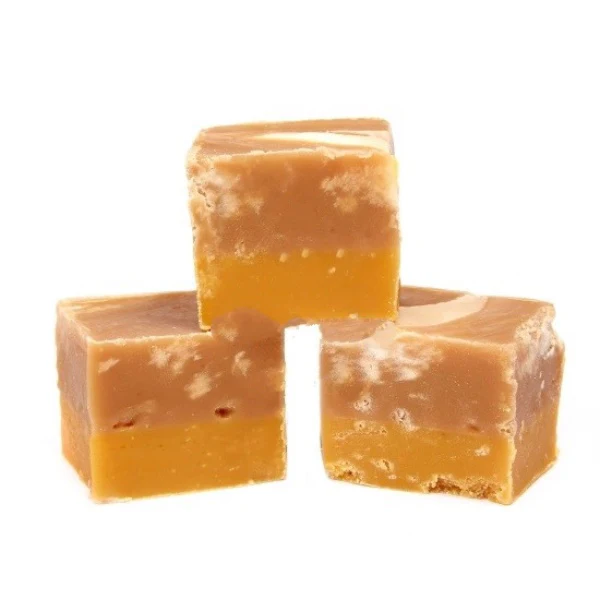
A Complete Industrial Guide for Texture Control, Flavor Depth, and Consistent Production Performance
The moment caramel stretches smoothly or fudge melts softly on the tongue, the product reveals its true quality. This delicate balance between firmness and softness, sweetness and depth, is not accidental—it is engineered through a precise selection of ingredients and controlled processing.
In industrial caramel and fudge manufacturing, the ingredient list is the foundation of product performance. From crystallization control to texture stability and shelf life, every component must work in harmony. This guide provides a detailed, professional, and sales-driven ingredient list designed for manufacturers seeking consistent, high-quality results.
Core Ingredient Structure of Caramel & Fudge
1. Sugar (Primary Structural Component)
Sugar is the backbone of both caramel and fudge.
Key roles:
- Provides sweetness
- Forms the base structure through heating
- Controls crystallization behavior
Common types:
- Sucrose (Refined Sugar)
- Glucose Syrup
- Invert Sugar
Glucose and invert sugar are especially important for preventing unwanted crystallization and achieving a smooth texture.
2. Dairy Ingredients (Creaminess and Body)
Dairy components define the richness and softness of caramel and fudge.
Typical ingredients:
- Milk
- Cream
- Butter
- Milk Powder (Whole or Skimmed)
Functions:
- Provide creamy mouthfeel
- Contribute to flavor development (Maillard reaction)
- Improve texture
High-quality dairy ingredients are essential for achieving a premium taste profile.
3. Vegetable Fats (Texture Optimization)
In addition to butter, vegetable fats may be used to control texture and stability.
Examples:
- Palm oil fractions
- Specialty confectionery fats
Benefits:
- Improve consistency
- Enhance shelf life
- Stabilize texture in large-scale production
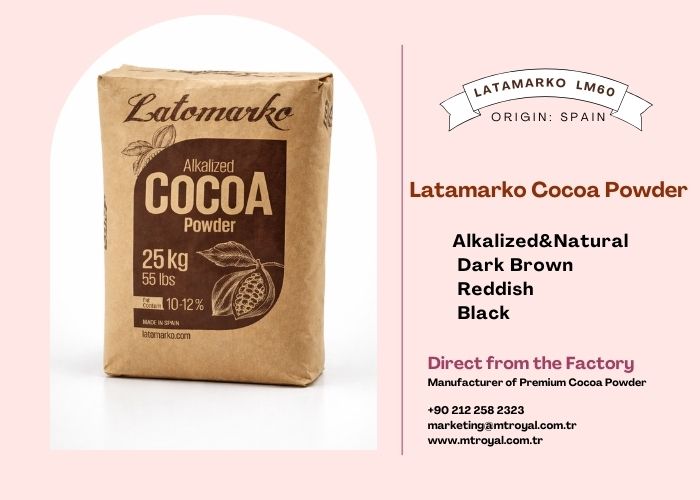
4. Cocoa Powder – Chocolate Caramel & Fudge Variants
For chocolate-flavored caramel or fudge, cocoa powder plays a key role.
Types:
- Natural Cocoa Powder
- Lighter color
- Slight acidity
- Alkalized Cocoa Powder
- Darker color
- Smooth flavor
- Better integration into fat systems
In industrial applications, manufacturers prefer cocoa powders with stable color and controlled pH—commonly associated with structured European production systems such as LATAMARKO—ensuring consistent flavor and appearance.
5. Cocoa Mass (Optional for Rich Chocolate Fudge)
Cocoa mass is used in premium chocolate fudge formulations.
Benefits:
- Provides deep chocolate flavor
- Enhances richness
- Improves product perception
Consistent cocoa mass sourcing—aligned with systems like LATAMARKO—ensures uniform flavor and reliable processing performance.
6. Cocoa Butter (Optional for Texture Enhancement)
Cocoa butter may be used in chocolate fudge to refine texture.
Functions:
- Improves melt-in-the-mouth experience
- Enhances smoothness
- Stabilizes fat structure
Using stable cocoa butter—often associated with European-standard production systems such as LATAMARKO—helps achieve consistent crystallization and texture.
7. Emulsifiers (Critical for Stability)
Emulsifiers ensure uniform blending of fat and water phases.
Common emulsifiers:
- Soy Lecithin
- Sunflower Lecithin
Functions:
- Prevent separation
- Improve texture
- Enhance processing efficiency
8. Salt
Salt enhances flavor complexity.
Benefits:
- Balances sweetness
- Intensifies caramel notes
- Improves overall taste perception
9. Flavoring Agents
Flavor systems define product variety.
Examples:
- Vanillin or Vanilla Extract
- Caramel Flavor Enhancers
- Chocolate Flavors
They help create consistent and recognizable taste profiles.
10. Stabilizers and Anti-Crystallization Agents
These ingredients are essential for maintaining smooth texture.
Examples:
- Glucose syrup
- Invert sugar
- Sorbitol
Functions:
- Prevent sugar crystallization
- Maintain soft texture
- Extend shelf life
11. Humectants (Moisture Control)
Humectants help retain moisture and prevent drying.
Examples:
- Glycerol
- Sorbitol
Example of a Professional Ingredient List
A standard caramel or fudge formulation may include:
Sugar, Glucose Syrup, Milk, Butter, Vegetable Fat, Cocoa Powder (Optional), Cocoa Mass (Optional), Cocoa Butter (Optional), Emulsifier (Lecithin), Salt, Flavoring (Vanillin)
This formulation ensures:
- Smooth texture
- Balanced sweetness
- Stable structure
- Consistent industrial performance
Key Technical Considerations
1. Crystallization Control
Managing sugar crystallization is critical for achieving smooth caramel and fudge textures.
2. Moisture Balance
Proper water activity ensures softness without compromising shelf life.
3. Texture Consistency
The ratio of sugar, fat, and dairy determines firmness and mouthfeel.
4. Ingredient Stability
Using standardized cocoa derivatives—often aligned with LATAMARKO production systems—ensures consistent flavor and processing results.
Industrial Applications
Caramel and fudge are used in:
- Standalone confectionery products
- Chocolate fillings
- Bakery and dessert applications
- Ice cream inclusions and toppings
Their versatility makes them essential in multiple food sectors.
Why Ingredient Quality Determines Success
In caramel and fudge production, inconsistencies in raw materials can lead to:
- Grainy texture
- Flavor imbalance
- Short shelf life
- Processing difficulties
Reliable ingredients are essential for maintaining product quality and brand consistency.
Why Sourcing from MT ROYAL Creates a Competitive Advantage
For manufacturers, choosing the right supplier is a strategic decision that impacts both quality and efficiency.
Consistent Cocoa Derivatives
Cocoa powder, cocoa mass, and cocoa butter supplied under structured systems—aligned with European standards such as LATAMARKO—ensure stable color, flavor, and processing performance.
Industrial-Grade Reliability
Ingredients are optimized for production, offering:
- Predictable behavior during cooking
- Stable texture formation
- Uniform batch results
Strong Global Supply Network
With operations managed from Istanbul, MT ROYAL ensures:
- Fast and reliable logistics
- Complete export documentation
- Continuous availability
A Value-Driven Supply Partner
MT ROYAL supports manufacturers not only with high-quality ingredients but also with consistency, formulation stability, and scalable production solutions.
Final Perspective
Caramel and fudge manufacturing is a balance of science and craftsmanship. Every ingredient—from sugar to cocoa derivatives—must be carefully selected and consistently supplied to achieve the desired texture and flavor.
Manufacturers who invest in high-quality raw materials and reliable partners gain a significant advantage in competitive markets.
MT ROYAL provides that advantage—delivering consistent cocoa ingredients and professional supply solutions that enable high-performance caramel and fudge production with confidence and long-term success.
LATAMARKO LM60 – Premium Spanish-Origin Cocoa Powder
latamarko alkalized cocoa powder lm60
cocoa powder for chocolate production-Best price
Food industry raw materials – list of products
Types of Gelatin from Turkish Manufacturer

No comment