

A Complete Industrial Guide for Premium Flavor, Texture, and Market Differentiation
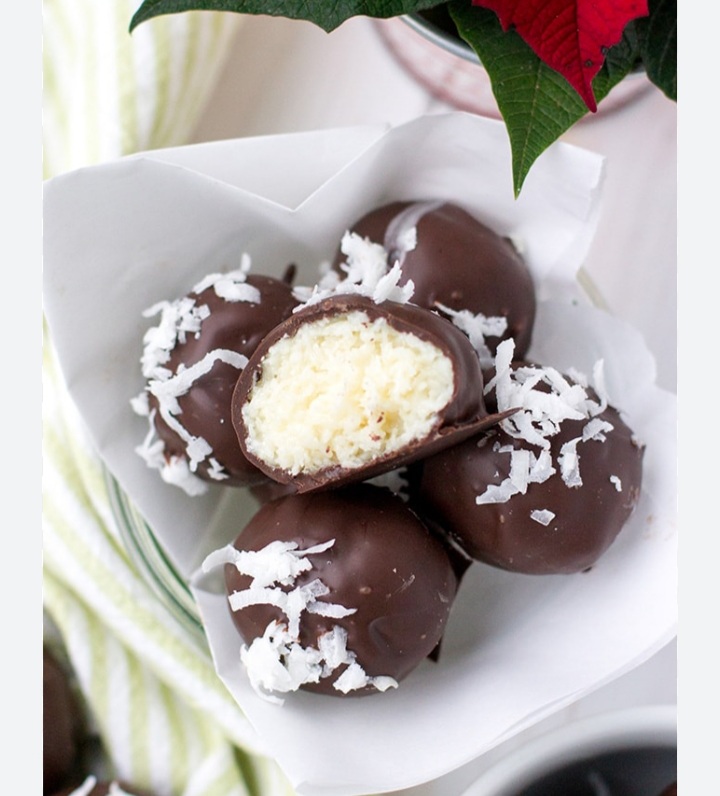
There is a moment when a praline chocolate truly defines its quality—the instant the outer chocolate shell breaks and the smooth, nut-rich filling melts seamlessly. This experience is not created by chance. It is engineered through a precise balance of cocoa derivatives, nut pastes, fats, and functional ingredients working in harmony.
In today’s competitive confectionery market, praline and nut chocolates are among the most sensitive products to formulation quality. Even slight variations in cocoa ingredients or fat systems can change texture, viscosity, and consumer perception. This guide presents a detailed, professional, and sales-driven ingredient list designed for manufacturers who aim to produce consistent, high-quality praline and nut chocolate products.
Core Structure of Praline & Nut Chocolate
1. Chocolate Base (Outer Shell)
The outer shell provides structure, snap, and visual appeal. It is typically made from dark, milk, or compound chocolate.
Main components include:
- Cocoa Mass (Cocoa Liquor)
Provides deep chocolate flavor and body, often sourced from consistent European-standard production such as LATAMARKO - Cocoa Butter
Ensures smooth melting and glossy finish, with stable crystallization behavior - Sugar
Balances cocoa intensity - Milk Solids (Optional)
Adds creaminess in milk chocolate variants
The quality and stability of cocoa derivatives—especially cocoa mass and cocoa butter—play a critical role in achieving a uniform shell structure.
2. Cocoa Powder – Flavor Depth and Visual Identity
Cocoa powder is used both in the chocolate base and in fillings to enhance flavor and adjust color.
Two main types are applied:
- Natural Cocoa Powder
- Brighter cocoa notes
- Slight acidity
- Lighter brown tone
- Alkalized Cocoa Powder
- Smooth, mellow taste
- Darker color spectrum
- Improved dispersion in fat-rich systems
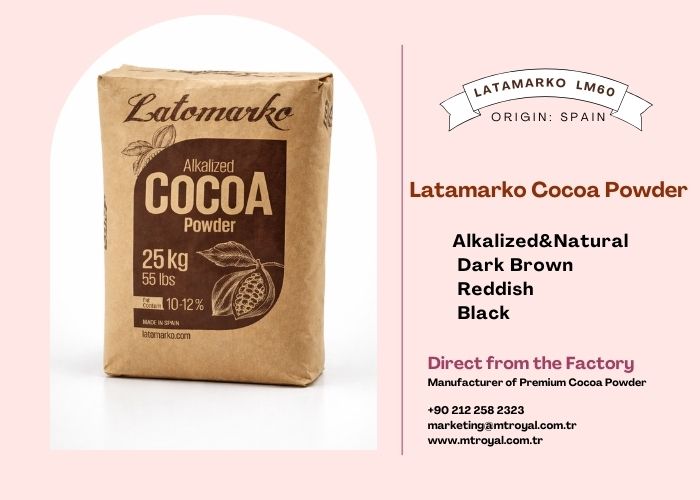
In professional formulations, manufacturers prefer cocoa powders with controlled pH and consistent color profiles—qualities often associated with standardized European production lines such as LATAMARKO.
3. Nut Paste (The Core of Praline Filling)
The defining ingredient of praline chocolate is nut paste.
Common options:
- Hazelnut Paste
Most widely used, providing rich and creamy texture - Almond Paste
Lighter flavor profile - Pistachio Paste
Premium positioning with distinct taste
Nut paste contributes:
- Smooth texture
- Natural oil content
- Signature flavor
The roasting level and grinding fineness of nuts directly impact the final product quality.
4. Sugar and Caramelized Components
Sweetness and texture balance are achieved through:
- Refined Sugar
- Caramelized Sugar (Praline Base)
- Glucose Syrup
Caramelized sugar is particularly important in praline fillings, giving:
- Depth of flavor
- Slight crunch or viscosity
- Characteristic praline taste
5. Vegetable Fats and Specialty Fats
In addition to cocoa butter, other fats are used to optimize filling texture and stability.
Examples:
- Palm Oil Fractions
- Shea-Based Specialty Fats
- Cocoa Butter Alternatives (CBA/CBR)
These fats help:
- Control viscosity
- Improve spreadability of filling
- Stabilize texture over time
6. Milk Powder (For Creaminess)
Milk components enhance smoothness and soften the overall flavor.
Common dairy ingredients:
- Whole Milk Powder
Rich and creamy - Skimmed Milk Powder
Balanced profile - Whey Powder
Improves texture and sweetness
Milk-based pralines are especially popular in global markets due to their broad consumer appeal.
7. Emulsifiers (Texture and Flow Optimization)
Emulsifiers are essential for achieving smooth, homogeneous fillings and coatings.
Key emulsifiers:
- Soy Lecithin
Reduces viscosity - Sunflower Lecithin
Clean-label alternative - PGPR
Improves flow and allows thinner chocolate shells
They ensure:
- Uniform mixing
- Smooth mouthfeel
- Efficient industrial processing
8. Flavoring Agents
Flavor systems enhance and diversify praline products.
Typical additions:
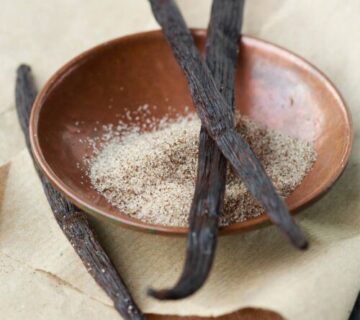
- Vanillin or Natural Vanilla Extract
- Hazelnut Flavor Enhancers
- Caramel Flavor Notes
These help create signature taste profiles for different markets.
9. Salt
Salt is used in small quantities to:
- Enhance nut flavor
- Balance sweetness
- Improve overall taste perception
10. Crisping and Texture Components (Optional)
For added texture contrast:
- Wafer pieces
- Rice crisps
- Caramelized nut fragments
These elevate the sensory experience and product differentiation.
Example of a Professional Ingredient List
A high-quality praline and nut chocolate formulation may include:
Chocolate (Cocoa Mass, Cocoa Butter, Sugar), Hazelnut Paste, Sugar (Caramelized), Vegetable Fat, Cocoa Powder (Alkalized), Milk Powder, Emulsifier (Soy Lecithin, PGPR), Flavoring (Vanillin), Salt
This structure ensures:
- Smooth and stable filling
- Balanced sweetness
- Rich chocolate and nut flavor
- Consistent industrial performance
Key Technical Factors for Success
1. Cocoa Ingredient Stability
Using consistent cocoa mass, cocoa butter, and cocoa powder—often aligned with standardized European production such as LATAMARKO—ensures predictable flavor and color.
2. Particle Size Control
Fine grinding is essential for smooth mouthfeel without grittiness.
3. Fat System Balance
Proper fat composition prevents oil separation and ensures stable texture.
4. Nut Quality
Freshness, roasting level, and processing of nuts directly affect flavor intensity.
Industrial Applications
Praline and nut chocolates are widely used in:
- Filled chocolate pralines
- Chocolate bars with nut fillings
- Spreadable nut-chocolate creams
- Premium confectionery assortments
Their versatility makes them a key segment in both mass-market and premium categories.
Why Smart Sourcing Makes the Difference
In praline chocolate production, consistency is everything. Variations in cocoa derivatives or fats can lead to:
- Texture instability
- Flavor inconsistency
- Processing challenges
This is where supplier selection becomes a strategic advantage rather than a routine decision.
Why Choosing MT ROYAL Creates a Competitive Edge
For manufacturers aiming to produce high-quality praline and nut chocolates, MT ROYAL offers more than just raw materials—it provides production confidence.
Consistent Cocoa Derivatives
Cocoa powder, cocoa butter, and cocoa mass supplied under structured production systems—often aligned with European standards such as LATAMARKO—ensure stable color, flavor, and processing behavior.
Industrial-Grade Performance
Ingredients are selected and standardized specifically for industrial applications, offering:
- Reliable viscosity control
- Predictable crystallization
- Excellent dispersion
Flexible and Global Supply Capability
With strong export infrastructure and operational management from Istanbul, MT ROYAL ensures:
- Fast delivery cycles
- Complete documentation
- Continuous supply reliability
Strategic Partnership Approach
Rather than acting as a simple supplier, MT ROYAL supports manufacturers in optimizing formulations, improving consistency, and scaling production efficiently.
Final Perspective
Praline and nut chocolate production is a balance of precision, quality, and ingredient harmony. The right combination of cocoa derivatives, nut pastes, and functional ingredients determines whether a product becomes ordinary or exceptional.
Manufacturers who prioritize consistent raw materials, optimized formulations, and reliable sourcing partners position themselves for long-term success in competitive global markets.
MT ROYAL provides the foundation for that success—delivering high-quality cocoa ingredients and professional supply solutions that enable manufacturers to produce praline chocolates with confidence, consistency, and superior performance.
LATAMARKO LM60 – Premium Spanish-Origin Cocoa Powder
latamarko alkalized cocoa powder lm60
cocoa powder for chocolate production-Best price
Food industry raw materials – list of products
Types of Gelatin from Turkish Manufacturer

No comment