

For manufacturers producing margarine, table spreads, or fat-based emulsions, product performance is determined by far more than fat composition alone. Texture, spreadability, stability, and shelf life all depend heavily on emulsification systems. Among the functional ingredients that quietly control these outcomes, Lecithin for Margarine and Spreads plays a decisive role. Selecting the right lecithin can improve emulsion stability, optimize crystallization behavior, reduce production losses, and enhance consumer sensory perception. For factories seeking consistency and competitive sourcing, working with a reliable ingredient partner such as MT Royal provides access to multiple lecithin grades and technical insight tailored to fat-based applications.
In industrial fat processing environments, lecithin is not merely an additive—it is a structural tool that influences product rheology, water distribution, and fat crystal networks. Understanding its functionality allows manufacturers to improve efficiency while maintaining high product quality standards.
Understanding Lecithin for Margarine and Spreads: Fundamental Science and Functionality
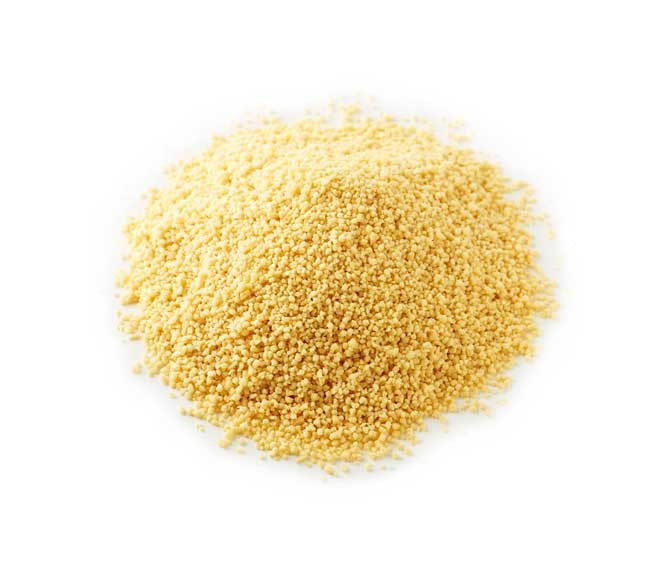
Lecithin is a mixture of naturally occurring phospholipids, primarily phosphatidylcholine, phosphatidylethanolamine, and phosphatidylinositol. These molecules possess amphiphilic characteristics, meaning they interact with both oil and water phases simultaneously. This dual affinity is essential in margarine and spreads, which are water-in-oil emulsions requiring precise stabilization.
In margarine systems, lecithin contributes to:
• Stabilizing water droplets within the fat matrix, preventing phase separation and water leakage during storage.
• Improving emulsification efficiency during processing, ensuring uniform distribution of aqueous components.
• Supporting fat crystallization behavior, influencing texture, plasticity, and spreadability.
• Enhancing mouthfeel and sensory smoothness by optimizing fat network structure.
• Improving processing efficiency by reducing sticking and fouling during production.
Unlike oil-in-water emulsions such as beverages, margarine represents a water-in-oil structure where small water droplets are dispersed throughout a continuous fat phase. Lecithin’s interfacial activity helps stabilize these droplets and maintain product integrity.
Organic Lecithin Wholesale in TÜRKİYE
Why Lecithin Is Critical in Margarine and Spread Manufacturing
Modern margarine production involves complex interactions between fat crystallization, emulsification, and mechanical processing. Achieving consistent product performance across large production volumes requires precise control of these variables.
Lecithin for Margarine and Spreads addresses several common industrial challenges:
• Maintaining stable emulsions during cooling and crystallization processes.
• Preventing water droplet coalescence, which can cause microbiological instability or sensory defects.
• Improving spreadability at refrigeration temperatures without excessive hardness.
• Supporting aeration in whipped spreads.
• Reducing fat bloom or oil separation during storage.
Because margarine structure depends heavily on fat crystal networks, lecithin indirectly influences mechanical properties such as firmness, elasticity, and plasticity.
Types of Lecithin Used in Margarine and Spreads
Selecting the correct lecithin type depends on formulation goals, cost targets, labeling requirements, and processing conditions.
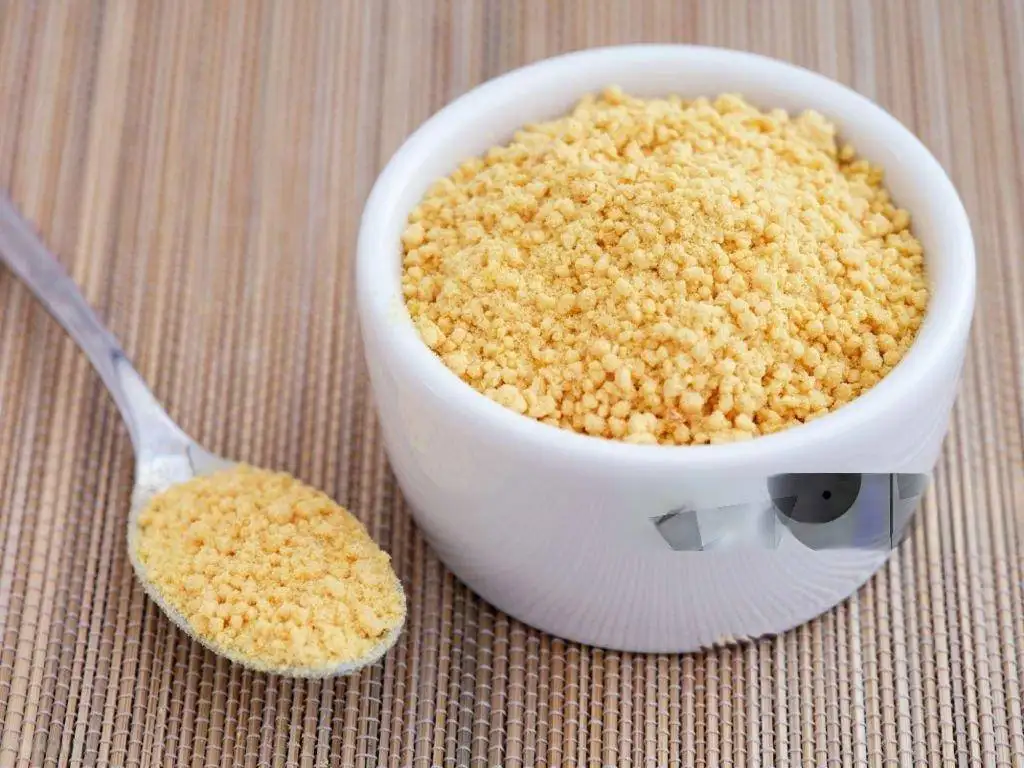
Soy Lecithin
Soy lecithin remains the most widely used option due to cost efficiency and reliable functionality.
• It offers strong emulsification performance, supporting stable water-in-oil systems.
• Industrial availability is high, ensuring supply consistency for large-scale manufacturers.
For many factories, soy lecithin provides the optimal balance between performance and cost.
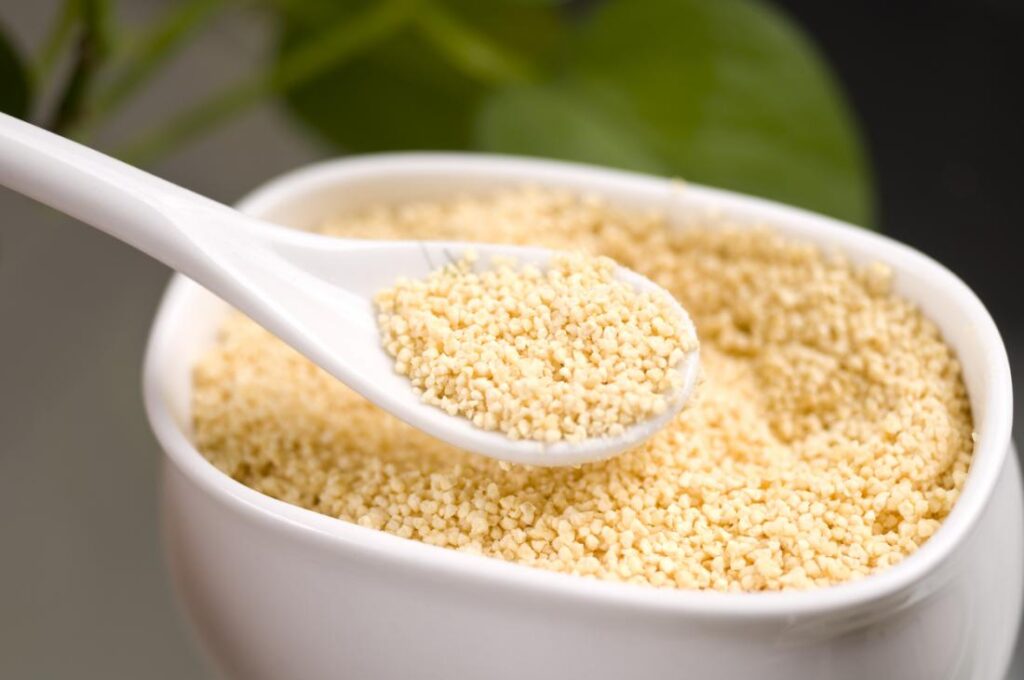
Sunflower Lecithin
Sunflower lecithin is increasingly used in premium or allergen-sensitive products.
• It supports non-soy labeling strategies and clean-label positioning.
• Functional performance is comparable to soy lecithin in many margarine formulations.
However, cost is typically higher, which must be justified by marketing or regulatory benefits.
Fractionated or Modified Lecithin
Specialized lecithin fractions may be used to optimize emulsification or crystallization behavior.
• Modified lecithin can provide enhanced hydrophilicity or improved compatibility with specific fat blends.
• These options are often used in advanced formulations or reduced-fat spreads.
Because of higher costs, they are usually applied selectively.
Comparison of Lecithin Options for Margarine Manufacturers
The following table offers a practical comparison for procurement and R&D teams.
| Parameter | Soy Lecithin | Sunflower Lecithin | Modified Lecithin |
|---|---|---|---|
| Cost Efficiency | High | Moderate | Low |
| Emulsification Strength | Strong | Strong | Very Strong |
| Allergen Considerations | Possible | Minimal | Depends on source |
| Hydrophilicity | Moderate | Moderate | High |
| Labeling Advantage | Standard | Clean-label friendly | Functional premium |
| Industrial Availability | Very High | Increasing | Moderate |
Manufacturers must balance functional needs, labeling strategies, and cost considerations when selecting lecithin.
Functional Benefits of Lecithin for Margarine and Spreads
Emulsion Stability
• Lecithin reduces interfacial tension between water and fat phases, stabilizing water droplets and preventing phase separation.
• Stable emulsions improve shelf life and reduce product defects.
Improved Texture and Spreadability
• Lecithin influences fat crystal formation, contributing to smoother texture and better spreadability at low temperatures.
• Consumers perceive products with optimized lecithin systems as creamier and easier to spread.
Water Distribution Control
• Proper stabilization of water droplets prevents microbial growth hotspots and improves product safety.
• Uniform water distribution also supports consistent flavor release.
Processing Efficiency
• Lecithin reduces sticking on processing equipment, improving line efficiency and reducing cleaning frequency.
• Improved lubrication properties can reduce mechanical stress on equipment.
Shelf-Life Enhancement
• Lecithin helps maintain structural integrity during storage, reducing oil separation and texture degradation.
Common Mistakes in Industrial Lecithin Sourcing
Procurement teams sometimes underestimate the complexity of lecithin selection for fat-based emulsions.
Choosing Based Solely on Price
• Low-cost lecithin with inconsistent phospholipid content may compromise emulsion stability and texture.
Ignoring Compatibility with Fat Blends
Different fat compositions interact differently with lecithin.
• Palm-based, interesterified, or specialty fat systems may require specific lecithin grades.
Overlooking Oxidation Stability
Lecithin contains unsaturated fatty acids that can oxidize if poorly processed or stored.
• Oxidized lecithin can negatively affect flavor and shelf life.
Insufficient Supplier Technical Support
Reliable suppliers provide documentation and formulation guidance.
In our collaboration with margarine producers, we have seen that supplier expertise significantly reduces development risks.
Industrial Tips for Using Lecithin in Large-Scale Margarine Production
Manufacturers can optimize lecithin performance through strategic process control.
Optimize Addition Stage
• Incorporating lecithin into the oil phase before emulsification ensures uniform distribution and maximum functionality.
Control Cooling and Crystallization
• Proper cooling profiles support fat crystal network formation, allowing lecithin to perform effectively.
Balance with Other Emulsifiers
Lecithin is often used alongside mono- and diglycerides.
• This combination allows precise control over texture and stability.
Monitor Shear Conditions
• High shear mixing improves droplet size distribution, enhancing emulsion stability.
Validate Storage Performance
• Accelerated shelf-life testing helps identify optimal lecithin levels and prevent future defects.
We have observed that manufacturers treating lecithin as part of a complete formulation system achieve more consistent results and fewer quality issues.
Emerging Trends in Margarine and Spread Formulation
The spreads market continues to evolve due to consumer preferences and regulatory pressures.
Key trends include:
• Growth of plant-based and vegan spreads
• Reduced-fat formulations requiring advanced emulsification
• Clean-label ingredient demand
• Functional spreads with added nutrients
• Sustainability and traceable sourcing requirements
Lecithin plays a central role in many of these trends because it supports both functionality and label-friendly positioning.
Frequently Asked Questions from Factory Managers and Procurement Teams
What is the typical usage level?
• Lecithin is usually used between 0.1% and 0.5% depending on formulation complexity and water content.
Can lecithin replace mono- and diglycerides?
• Lecithin can partially replace them, but optimal performance often requires a combination.
Does lecithin affect flavor?
• High-quality lecithin has minimal sensory impact when used correctly.
Which lecithin source is best?
• The choice depends on cost targets, labeling requirements, and functional needs. Soy is economical, sunflower supports premium positioning.
Does lecithin improve shelf life?
• Yes. By stabilizing emulsions and reducing structural breakdown, lecithin contributes to longer product stability.
Strategic Supplier Selection for Margarine Manufacturers
Ingredient sourcing affects not only cost but also product quality and operational efficiency. Suppliers offering multiple lecithin grades, consistent documentation, and technical support provide significant advantages.
Working with MT Royal allows manufacturers to access diverse lecithin options tailored to different margarine and spread applications. Supplier expertise can help optimize formulations and reduce production challenges.
In our experience working with fat-processing factories, switching to a more suitable lecithin grade often improves texture consistency and reduces defects without increasing total formulation cost.
Lecithin as a Structural Engineering Tool in Spread Manufacturing
Lecithin for Margarine and Spreads should be viewed as a structural engineering component rather than a minor additive. Its influence extends across emulsification, crystallization, texture development, and shelf stability.
As consumer expectations continue to rise—demanding smoother textures, cleaner labels, and improved nutritional profiles—lecithin will remain central to innovation in margarine and spread production.
Manufacturers who understand how to leverage lecithin’s molecular functionality can unlock new product possibilities, improve production efficiency, and strengthen competitive positioning. Those who treat it as a commodity risk missing opportunities for optimization and differentiation.
In fat-based emulsions, success depends on invisible structures formed at microscopic interfaces. Lecithin helps build those structures with precision, consistency, and efficiency—making it one of the most strategically important ingredients in modern margarine manufacturing.

No comment