

If you walk into a food manufacturing facility in Lebanon today, you will notice something subtle but important: the real competition is no longer just about branding or packaging. It is about what happens long before the product reaches the shelf.
It starts with ingredients.
Among them, natural cocoa powder plays a surprisingly powerful role. It influences color, aroma, bitterness, texture, and even how efficiently a production line runs. For factory managers, it is not just a flavoring agent—it is a performance material.
This is why the search for a reliable Natural Cocoa Powder Supplier in Lebanon | Latamarko Spain is not a routine procurement task. It is a decision that affects production stability, cost efficiency, and product reputation in the long run.
Lebanon’s food manufacturing sector has been steadily evolving toward higher-value products, especially in bakery, confectionery, beverages, and dairy applications. With that evolution comes a more demanding requirement: consistency at scale. And consistency begins with the cocoa powder you choose.
Spanish-origin suppliers such as Latamarko have gained recognition in industrial markets for exactly this reason—controlled quality, predictable performance, and manufacturing discipline that supports industrial-scale production.
LATAMARKO LM60 – Premium Spanish-Origin Cocoa Powder
latamarko alkalized cocoa powder lm60
cocoa powder for chocolate production-Best price
Food industry raw materials – list of products
Understanding Natural Cocoa Powder in Industrial Applications
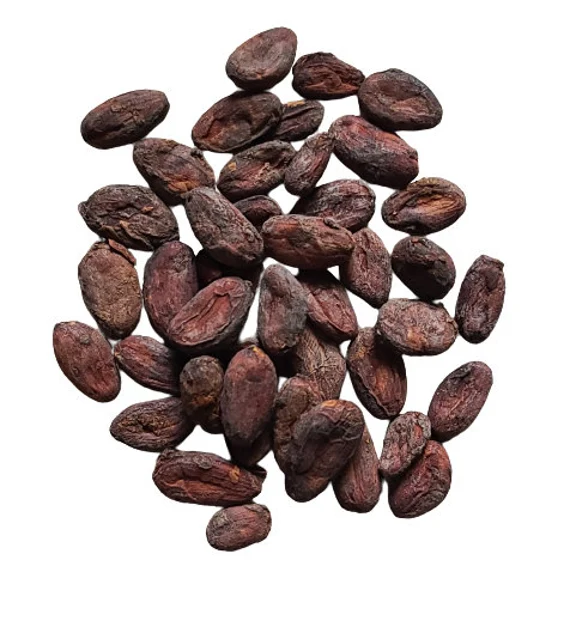
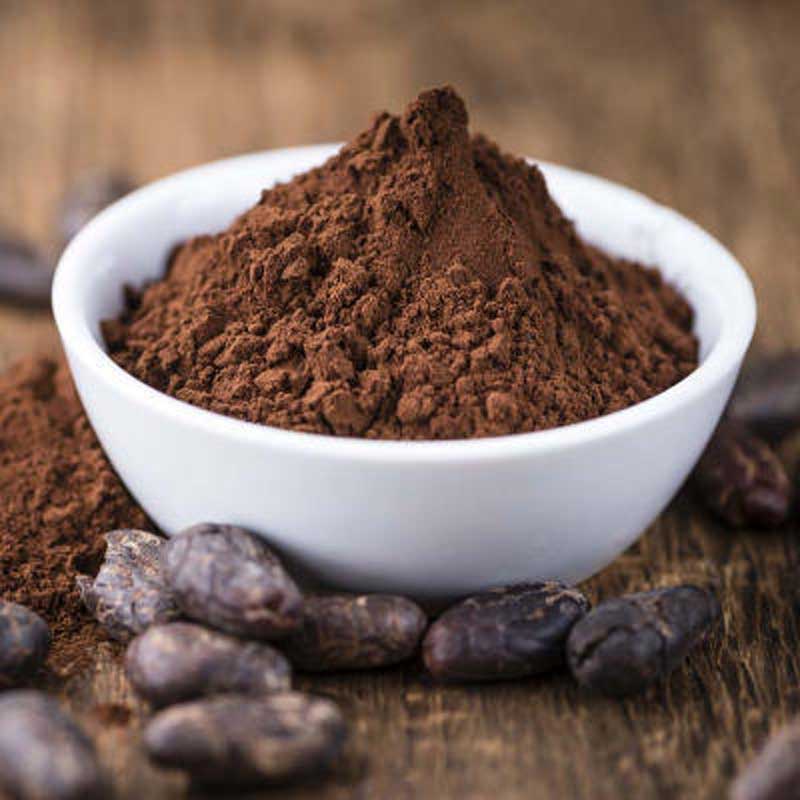
Natural cocoa powder is produced by pressing roasted cocoa liquor to remove most of the cocoa butter, leaving behind a fine cocoa solid powder. Unlike alkalized versions, it retains its natural acidity, which gives it a sharper, more pronounced chocolate flavor.
For manufacturing professionals, what matters is not just chemistry—it is behavior on the production line.
Natural cocoa powder affects:
- Flavor intensity in finished products
- pH balance in recipes
- Reaction with leavening agents (especially baking soda)
- Color development during baking
- Solubility in liquid systems
- Aroma retention after processing
In industrial settings, even small deviations in these characteristics can lead to noticeable differences in finished goods.
A bakery producing 20,000 cakes per day cannot afford inconsistent browning or uneven flavor distribution. A beverage manufacturer cannot tolerate sediment variation in instant mixes. That is where supplier reliability becomes critical.
Why Lebanon’s Food Manufacturers Are Paying Closer Attention to Cocoa Sourcing
Over the last decade, Lebanon’s food processing industry has shifted from small-scale production toward export-ready, standardized manufacturing systems. This transition has increased pressure on procurement teams.
You are no longer just buying ingredients—you are managing risk.
Market observations from regional trade reports suggest that cocoa-based product demand in MENA food manufacturing has grown steadily, particularly in:
- Industrial bakery mixes
- Instant beverage powders
- Ice cream formulations
- Chocolate spreads
- Ready-to-eat desserts
With that growth comes a familiar challenge: ingredient variability across suppliers.
Even a 3–5% difference in cocoa powder color intensity or moisture content can alter product appearance enough to trigger customer complaints or rejection in export markets.
That is why procurement teams are increasingly prioritizing suppliers who can guarantee batch-to-batch stability.
What Defines a Reliable Natural Cocoa Powder Supplier?
In industrial procurement, “reliable” is not a marketing word—it is an operational requirement.
A serious supplier must deliver more than product availability. They must ensure production continuity.
Key expectations include:
1. Consistent Particle Size Distribution
Uniform grinding ensures predictable mixing behavior and reduces clumping in dry blends.
2. Stable Fat Content
Even small variations in residual cocoa butter affect mouthfeel and emulsification behavior.
3. Controlled Acidity Levels
Natural cocoa powder depends on pH-sensitive reactions, especially in bakery systems.
4. Moisture Management
Moisture levels above specification can cause microbial risk or storage instability.
5. Traceability Systems
Modern manufacturers increasingly demand full visibility from origin to shipment.
These are not optional features anymore—they are baseline requirements for industrial buyers.
The Hidden Cost of “Cheap” Cocoa Powder
Every procurement manager has seen it happen.
A supplier offers a lower price per ton. The decision looks logical on paper. The savings appear immediate.
Then production begins.
Suddenly you notice:
- Mixing times increase
- Color consistency shifts between batches
- More raw material is required per unit
- Shelf stability decreases slightly
- Customer complaints slowly rise
The issue is not obvious at first, but it compounds.
In our experience supplying manufacturing facilities, the real cost of low-grade cocoa powder often appears in production inefficiency, not purchase invoices. One factory manager once described it perfectly: “We didn’t save money—we moved it from procurement to production waste.”
That is a lesson many manufacturers only learn once.
Natural Cocoa Powder vs Alkalized Cocoa: Why It Matters
While this article focuses on natural cocoa, procurement teams often compare it with alkalized cocoa powder.
Natural cocoa powder:
- More acidic
- Stronger chocolate sharpness
- Reacts with baking soda
- Lighter brown color
- More “authentic” cocoa profile
Alkalized cocoa powder:
- Milder taste
- Darker color
- Better solubility
- More neutral pH
Choosing between them is not about better or worse—it is about application design.
However, natural cocoa remains dominant in traditional bakery systems and recipes requiring chemical leavening balance.
Where Latamarko Spain Fits in the Industrial Cocoa Landscape
In European food ingredient manufacturing, Spain has built a strong reputation for balancing tradition with industrial precision. Within this environment, Latamarko has emerged as a supplier recognized for its disciplined production standards and consistency-focused approach.
Spanish manufacturers like Latamarko exemplify a philosophy that resonates strongly with industrial buyers: stability over variability, and process control over improvisation.
For manufacturers in Lebanon, this matters because imported ingredients must behave predictably under local production conditions, which often vary in humidity, storage temperature, and processing infrastructure.
Real Manufacturing Scenario: When Small Variations Become Big Problems
Consider a mid-sized biscuit manufacturer in Beirut producing chocolate sandwich cookies.
They switch cocoa suppliers to reduce cost.
At first, nothing seems wrong. But within weeks:
- Cookie color darkens slightly beyond specification
- Cream filling ratios need adjustment
- Baking time fluctuates
- Product breakage increases during packaging
The issue? Cocoa powder variability affecting moisture absorption and Maillard reaction timing.
Eventually, the company reverts to a premium supplier after realizing production stability matters more than marginal savings.
This type of scenario is not rare—it is structural in food manufacturing.
Key LSI Factors in Cocoa Procurement Decisions
When evaluating Natural Cocoa Powder Supplier in Lebanon | Latamarko Spain, procurement teams typically assess several interconnected factors:
- Cocoa powder alkalinity level
- Fat-reduced cocoa solids
- Food-grade certification compliance
- Industrial mixing performance
- Shelf-life stability
- Sensory profile consistency
- Bulk packaging efficiency
Each of these parameters affects production outcomes in different ways, but together they define operational reliability.
Step-by-Step Supplier Evaluation Guide for Factory Managers
Choosing a supplier is not a one-step decision. It is a controlled evaluation process.
Step 1: Define Application Requirements
Are you producing bakery goods, beverages, or confectionery? Each application changes specification priorities.
Step 2: Request Technical Data Sheets
Never rely on marketing descriptions alone.
Step 3: Conduct Pilot Testing
Small-scale trials often reveal what documents cannot.
Step 4: Compare Batch Consistency
Not just one sample—multiple batches over time.
Step 5: Evaluate Supply Stability
Ask about logistics timelines and contingency planning.
We’ve seen companies skip step three and regret it later when production-scale behavior doesn’t match lab results.
MT Royal’s Role in Industrial Cocoa Supply
At MT Royal, we supply manufacturers with a comprehensive range of brands, ensuring competitive pricing without compromising on quality.
The reality of industrial procurement is simple: no two factories operate the same way. Some prioritize cost efficiency, others prioritize sensory precision, and many need a balance of both.
We’ve worked with production facilities across various industries and understand that ingredient selection often becomes a long-term operational decision rather than a transactional purchase.
This is why suppliers like Latamarko are often evaluated not just on product specifications, but on how reliably they support production systems under real-world conditions.
Common Mistakes in Cocoa Powder Procurement
Even experienced procurement teams make avoidable errors:
- Treating cocoa powder as a generic commodity
- Ignoring humidity sensitivity in storage
- Overlooking pH interaction in formulations
- Skipping long-term supplier validation
- Focusing only on unit price instead of production yield
Each mistake may seem minor in isolation, but together they influence total production efficiency.

Industry Trends Shaping Cocoa Powder Demand
Several trends are currently reshaping procurement strategies in Lebanon and broader MENA manufacturing:
- Increased demand for clean-label bakery products
- Growth in instant beverage manufacturing
- Higher export quality standards
- Rising focus on supply chain traceability
- Greater emphasis on ingredient functionality over cost
Industry reports from global cocoa processing associations suggest that demand for high-consistency cocoa ingredients is steadily rising due to automation in food manufacturing lines.
Frequently Asked Questions
What is natural cocoa powder used for in industry?
It is widely used in bakery, beverage, confectionery, and dairy production systems.
Why is consistency important in cocoa powder?
Because even small variations affect color, flavor, and processing behavior at scale.
How does natural cocoa differ from alkalized cocoa?
Natural cocoa is more acidic and has a stronger flavor profile, while alkalized cocoa is milder and darker.
Why do manufacturers prefer European suppliers?
Due to strict quality control systems, traceability, and consistent production standards.
Is Latamarko suitable for industrial use?
Yes, it is positioned as a premium Spanish-origin supplier focused on consistency and industrial reliability.
Closing Perspective for Production Decision-Makers
In food manufacturing, it is easy to underestimate the role of a single ingredient. Cocoa powder may look simple on a specification sheet, but in production reality, it influences everything from mixing efficiency to final product perception.
The question is rarely “What does it cost per kilogram?”
It is more accurately:
What does it cost your production line when it is inconsistent?
And once you start measuring it that way, supplier selection stops being procurement—and becomes strategy.
LATAMARKO LM60 – Premium Spanish-Origin Cocoa Powder
latamarko alkalized cocoa powder lm60
cocoa powder for chocolate production-Best price
Food industry raw materials – list of products

No comment