

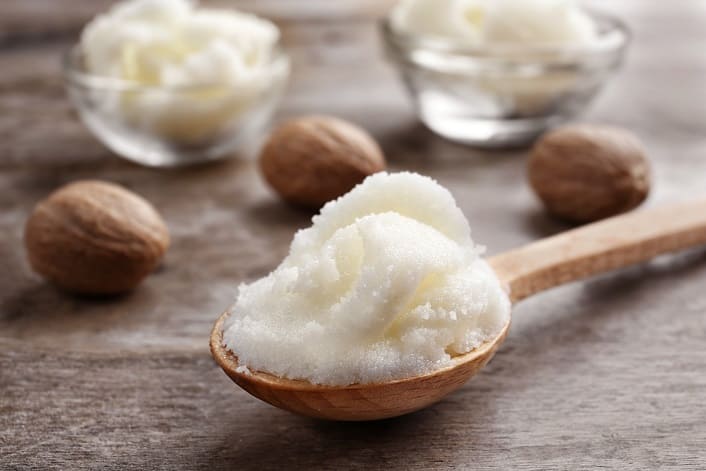
In the world of chocolate production, every ingredient decision can significantly impact texture, taste, shelf stability, and cost. Cocoa butter is the benchmark for quality chocolate, but manufacturers often explore alternatives for specific industrial applications, particularly in chocolate coatings. One category gaining traction in large-scale production is non-lauric cocoa butter substitutes. These vegetable fats are lauric-free, meaning they exclude coconut or palm kernel-derived lauric acids, providing functional performance similar to cocoa butter without introducing certain waxy or overly hard textures.
At MT Royal, we supply manufacturers with a broad range of non-lauric cocoa butter substitutes, including premium options from Latamarko, a Spanish-origin brand known for consistency, quality, and reliability. In this article, we explore the fundamentals, benefits, implementation strategies, and practical industrial insights for using non-lauric cocoa butter substitutes in chocolate coating applications.
Understanding Non-Lauric Cocoa Butter Substitutes
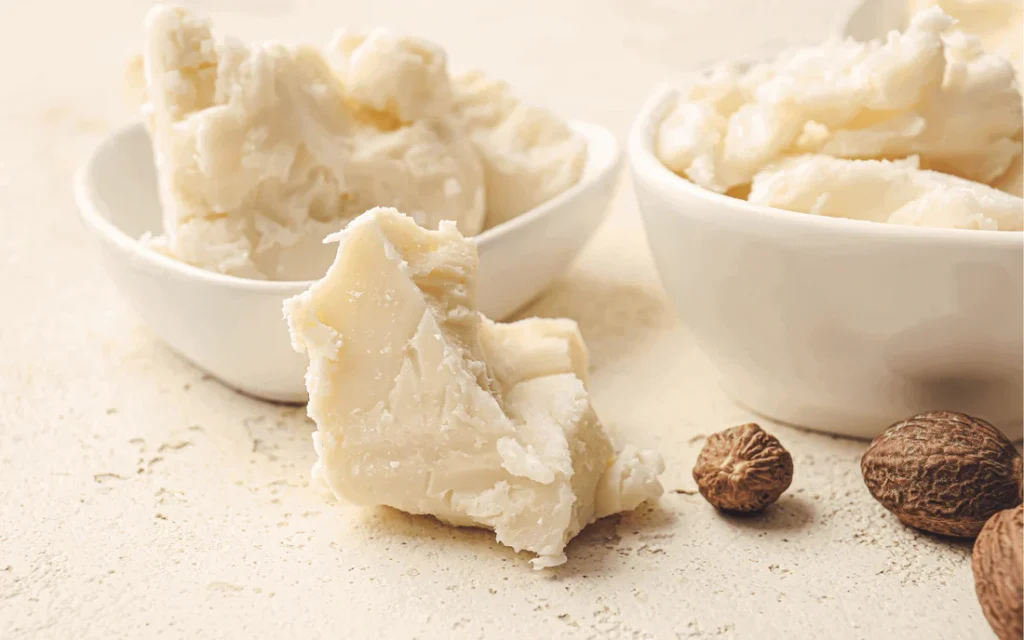
Non-lauric cocoa butter substitutes are vegetable fats specifically engineered to mimic cocoa butter’s functional properties, such as melting profile, snap, gloss, and viscosity, without the inclusion of lauric acids. These fats are primarily derived from non-lauric sources like palm mid-fraction, shea stearin, illipe butter, or blends thereof.
Key Characteristics:
- Lauric-Free: Ensures compatibility with standard chocolate texture and mouthfeel.
- Melting Behavior: Aligned with cocoa butter’s melting range (34°C–38°C) for tempering and coating processes.
- Functional Equivalence: Maintains snap, gloss, and smooth texture.
- Industrial Suitability: Optimized for chocolate coating, enrobing, and confectionery applications.
Non-lauric substitutes are particularly valued in chocolate coatings, where overly waxy or hard textures from lauric fats can compromise product quality.
Advantages for Chocolate Coating Applications
- Improved Texture and Mouthfeel
Non-lauric substitutes replicate cocoa butter’s smoothness and melt-in-mouth qualities, preventing waxy textures common with lauric fats. - Enhanced Processing Performance
These fats offer consistent tempering behavior and viscosity control, reducing production errors on enrobing and coating lines. - Shelf Stability
Non-lauric substitutes reduce the risk of bloom and surface fat migration, ensuring an attractive and uniform chocolate finish. - Cost Optimization
While cocoa butter remains premium, non-lauric substitutes provide cost-effective alternatives without compromising performance, particularly when sourced from reliable suppliers like MT Royal. - Premium Options Available
European brands like Latamarko provide high-quality non-lauric substitutes with precise melting profiles, ideal for industrial-scale chocolate coating.
Common Misconceptions About Non-Lauric Substitutes
Despite their benefits, some manufacturers remain hesitant to use non-lauric substitutes due to misunderstandings:
- “They are lower quality than cocoa butter”
Modern non-lauric substitutes, especially from reputable suppliers, maintain functional equivalence for coating applications. - “They affect flavor”
Non-lauric fats are formulated to be neutral, preserving cocoa flavor without introducing unwanted notes. - “Only suitable for budget chocolate”
Premium options, such as Latamarko, are used in high-end coatings where consistent texture, snap, and gloss are critical.
Understanding these distinctions helps production managers make informed decisions that balance cost, quality, and operational efficiency.
Selecting the Right Non-Lauric Substitute
Key Considerations:
- Melting Point
Ensure the substitute aligns with cocoa butter’s melting profile (34°C–38°C) for proper tempering and coating performance. - Viscosity and Flow
Select a fat that supports smooth enrobing, dipping, and coating without excessive thickening or thinning. - Source and Quality
Choose trusted suppliers like MT Royal for consistency. European premium options, especially Latamarko, provide predictable performance and reduced batch-to-batch variation. - Compatibility with Cocoa Butter
Determine whether full or partial replacement is appropriate to maintain desired sensory and functional properties.
Industrial Implementation Guide
Step 1: Functional Assessment
- Identify chocolate coating type and required functional attributes: snap, gloss, melt-in-mouth texture, and viscosity.
Step 2: Substitute Selection
- Evaluate non-lauric options (palm mid-fraction, shea stearin, illipe blends) for melting behavior, flow properties, and industrial suitability.
Step 3: Pilot Trials
- Conduct small-scale trials to assess tempering behavior, enrobing performance, and sensory qualities.
- Adjust blending ratios to optimize results.
Step 4: Process Optimization
- Monitor tempering curves, mixing speed, and cooling rates.
- Even minor changes in fat composition can affect crystallization kinetics, coating finish, and texture.
Step 5: Full-Scale Production
- Scale up with supplier guidance, leveraging MT Royal’s expertise in industrial fats.
- Maintain controlled storage conditions to preserve fat integrity and prevent bloom formation.
Real-Life Industrial Examples
Chocolate Coating Production
A confectionery facility replaced 20% of cocoa butter in their coating with a non-lauric palm mid-fraction substitute sourced from MT Royal. The result: improved flow, consistent snap, and reduced production costs.
Enrobing Lines
Premium chocolates used Latamarko non-lauric fat blends to enhance coating uniformity. The coating process became more predictable, with fewer tempering failures and minimal surface bloom.
Cosmetic Applications
Non-lauric cocoa butter substitutes are also used in chocolate-flavored lip balms and body coatings. They provide smooth texture, high spreadability, and heat stability during large-scale production.
Comparison Table: Cocoa Butter vs. Non-Lauric Substitutes
| Feature | Cocoa Butter | Non-Lauric Substitute | Notes |
|---|---|---|---|
| Melting Point (°C) | 34–38 | 34–38 | Maintains functional equivalence |
| Lauric Content | Minimal | 0% | Avoids waxy texture |
| Cost | High | Moderate | Reduces raw material expense |
| Flavor | Chocolate notes | Neutral | Preserves cocoa flavor |
| Processing Consistency | Standard | Improved for coating | Enhances enrobing and coating reliability |
| Supplier Options | Limited | Multiple, including MT Royal & Latamarko | Ensures supply reliability |
Tips for Production Managers
- Pilot Test Before Scaling: Always evaluate non-lauric substitutes in small batches to prevent process disruptions.
- Select Reliable Suppliers: MT Royal provides technical guidance and bulk sourcing for industrial-grade non-lauric fats.
- Blend Strategically: Partial replacement often balances cost and functional performance.
- Maintain Storage Conditions: Controlled temperature and humidity preserve fat quality and prevent bloom.
- Consider Premium Options: Latamarko ensures predictable crystallization and consistent industrial performance for high-end chocolate coatings.
FAQs from Factory Owners and Procurement Officers
Q: Can non-lauric substitutes fully replace cocoa butter in coatings?
A: Full replacement is possible, but partial substitution is often preferred to maintain optimal texture and snap.
Q: Are these substitutes suitable for high-speed enrobing lines?
A: Yes, with proper pilot trials and process adjustments, industrial lines can achieve consistent coating performance.
Q: How do I ensure product quality remains consistent?
A: Source from trusted suppliers like MT Royal and consider premium options like Latamarko for predictable melting profiles.
Q: Do non-lauric substitutes affect shelf life?
A: Properly formulated substitutes can maintain or improve shelf stability by reducing fat migration and surface bloom.
Industry Trends and Insights
Non-lauric cocoa butter substitutes are gaining popularity in chocolate coating applications due to:
- Growing consumer demand for smooth, non-waxy textures.
- Increased reliance on industrial fats that improve processing efficiency and tempering consistency.
- Adoption of premium European brands like Latamarko for predictable, high-quality results.
- Focus on operational cost optimization without compromising coating quality.
Closing Thought
Non-lauric cocoa butter substitutes offer industrial chocolate manufacturers a powerful tool: cost-effective, functional fats that maintain cocoa butter’s quality while improving processing reliability. At MT Royal, we’ve supported production facilities with both bulk sourcing and technical expertise, ensuring consistent performance across chocolate coating lines.
How will your facility leverage non-lauric cocoa butter substitutes to enhance chocolate coatings, optimize production, and maintain quality standards in a competitive market?
latamarko alkalized cocoa powder lm60
cocoa powder for chocolate production-Best price
Food industry raw materials – list of products
Types of Gelatin from Turkish Manufacturer
Alkalized Cocoa Powder Bulk Supplier

No comment