

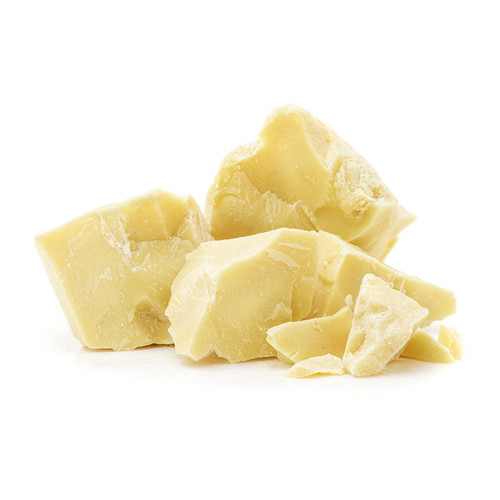
In today’s fast-evolving food manufacturing industry, the term “sustainability” isn’t just a buzzword — it’s a benchmark. From confectionery producers to large-scale bakery facilities, decision-makers are rethinking every ingredient’s origin, cost, and environmental footprint. And few ingredients spark as much discussion as cocoa butter — the heart of chocolate’s smoothness, yet one of its most resource-intensive components.
That’s where sustainable cocoa butter substitutes (CBS and CBE) step in. These alternatives have transformed the production landscape, offering manufacturers the ability to maintain texture, flavor, and stability — all while optimizing cost efficiency and ethical sourcing. But as with any industrial innovation, the key lies in understanding what works, why it matters, and how to source it smartly.
At MT Royal, we’ve worked with hundreds of manufacturing facilities navigating the shift toward sustainable cocoa butter substitutes. In our experience, this transition isn’t just about changing ingredients — it’s about reshaping the way your production line interacts with the planet, your budget, and your brand identity.
Understanding Cocoa Butter and Its Industrial Challenges
Before diving into alternatives, it’s essential to revisit what makes cocoa butter so prized. Extracted from cocoa beans, this fat gives chocolate its snap, gloss, and melt-in-your-mouth experience. However, it also comes with challenges that have pushed factories to seek sustainable replacements.
The Industrial Cost of Cocoa Butter
- High price volatility: Global cocoa bean markets are unpredictable, affected by crop yields, weather conditions, and geopolitical issues in producing regions like West Africa.
- Supply chain instability: Climate change and fair-trade concerns have tightened global supply.
- Processing limitations: Cocoa butter’s crystallization requires careful tempering — a costly process in mass production.
These factors mean that manufacturers face inconsistent pricing and potential delays. For large-scale producers, such variables can impact output schedules, profit margins, and even product uniformity.
What Are Sustainable Cocoa Butter Substitutes?
Sustainable cocoa butter substitutes (often abbreviated as CBS, CBR, or CBE) are vegetable fat alternatives designed to replicate the functional and sensory properties of natural cocoa butter — but with greater reliability, lower cost, and reduced environmental impact.
The Three Primary Categories of Cocoa Butter Alternatives
| Type | Description | Base Ingredients | Compatibility with Cocoa Butter |
|---|---|---|---|
| Cocoa Butter Equivalents (CBE) | Chemically and physically similar to cocoa butter; can blend up to 5%–20% without affecting tempering. | Illipe, shea, or palm mid fractions | High compatibility |
| Cocoa Butter Substitutes (CBS) | Made from non-lauric fats like palm kernel; do not require tempering. | Palm kernel, coconut oil derivatives | Low compatibility |
| Cocoa Butter Replacers (CBR) | Partially compatible and used in compound coatings. | Modified vegetable fats | Moderate compatibility |
Each has its own manufacturing application — from chocolate coatings to molded bars and industrial fillings. Choosing the right one depends on your facility’s formulation standards, production line, and sustainability goals.
Why Sustainability Matters in Cocoa Fat Alternatives
The global shift toward sustainable sourcing isn’t just consumer-driven — it’s also a strategic operational advantage. Sustainable cocoa butter substitutes support environmental goals while enhancing supply predictability.
1. Reduced Deforestation Impact
Traditional cocoa farming is linked to deforestation in tropical regions. By utilizing vegetable fat sources like palm fractions from certified sustainable plantations, manufacturers help reduce land degradation and carbon emissions.
2. Improved Energy Efficiency in Processing
CBS and CBE products often require less tempering and lower melting control, cutting down on production energy costs. This small change can lead to major energy savings across high-volume production runs.
3. Ethical Supply Chains
Certified sustainable substitutes ensure traceability — a crucial advantage for manufacturers under increasing pressure from ESG and traceability reporting standards.
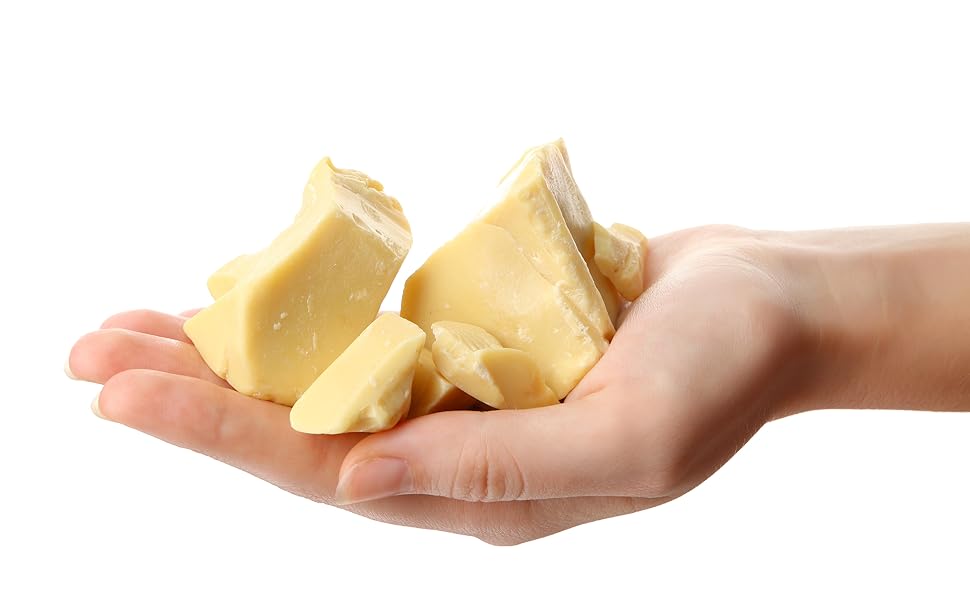
The Industrial Advantages of Sustainable Cocoa Butter Substitutes
From a factory floor perspective, cocoa butter substitutes do far more than solve an ethical dilemma — they optimize performance. Below are the key industrial benefits manufacturers report when adopting sustainable alternatives.
1. Enhanced Cost Efficiency
Bulk producers save significantly due to stable pricing structures of palm-based or shea-based fats compared to fluctuating cocoa butter markets.
2. Simplified Production Process
Certain substitutes eliminate the tempering stage entirely, simplifying machinery requirements and reducing downtime — an invaluable benefit for high-output lines.
3. Extended Shelf Life
Many substitutes provide greater oxidative stability, prolonging product freshness and storage time — critical for export-focused manufacturers.
4. Consistent Quality
Unlike natural cocoa butter, which varies by origin, substitutes deliver predictable consistency in melt point and flavor neutrality — crucial for maintaining product uniformity.
5. Scalable Supply
Vegetable fat production allows for better scalability, ensuring large batch availability that aligns with industrial scheduling needs.
Common Misconceptions About Cocoa Butter Substitutes
It’s easy to misunderstand cocoa butter substitutes, especially when “cheap” alternatives get lumped in with poorly formulated fats. Let’s clear a few myths that often circulate in procurement circles.
Myth #1: Substitutes Lower Product Quality
When correctly sourced, sustainable substitutes maintain texture, flavor, and appearance identical to traditional chocolate fats. Top producers like Latamarko and Bunge Loders Croklaan have developed advanced formulations that mimic cocoa butter’s crystallization curve precisely.
Myth #2: All Substitutes Are the Same
Not all alternatives are equal. Some, like CBE, are suitable for blending with real cocoa butter, while CBS fits better for compound coatings. Choosing without understanding compatibility can cause texture issues.
Myth #3: Sustainability Equals Higher Cost
Contrary to popular belief, certified sustainable substitutes often reduce overall production costs. Lower energy use, simplified handling, and predictable pricing translate to higher operational efficiency.
A Practical Guide: How to Choose the Right Sustainable Substitute
For factory managers and procurement officers, selecting the right substitute isn’t a one-size-fits-all process. Here’s a strategic approach used by leading production facilities.
Step 1: Define Your Application
Are you manufacturing compound coatings, filled chocolates, or enrobed wafers?
- CBS: Best for coatings and bakery inclusions.
- CBE: Ideal for premium chocolates where mouthfeel matters.
- CBR: Balanced option for general confectionery.
Step 2: Evaluate Processing Parameters
If your plant lacks a tempering line, CBS or CBR options will simplify operations. If you already use tempering, consider CBE for closer flavor and texture fidelity.
Step 3: Prioritize Certified Sources
Look for RSPO-certified palm, shea-based, or illipe-derived fats to ensure environmental compliance and traceable sourcing.
Step 4: Test and Compare
Run small pilot batches to assess crystallization, gloss retention, and melt profiles. Even subtle adjustments can yield massive improvements in efficiency.
At MT Royal, we regularly assist manufacturing partners through this testing stage, ensuring that they select the ideal fat system for both performance and sustainability.
Comparing Cocoa Butter Substitutes: A Manufacturing Perspective
| Criteria | Cocoa Butter | CBE | CBS | CBR |
|---|---|---|---|---|
| Cost per kg | High | Medium | Low | Medium |
| Sustainability Potential | Variable | High | High | Medium |
| Tempering Needed | Yes | Yes | No | Optional |
| Shelf Life | Moderate | Long | Long | Moderate |
| Mouthfeel Quality | Excellent | Excellent | Good | Good |
| Processing Simplicity | Moderate | Moderate | Very High | High |
Case Study Insight: Transitioning to Sustainable Fats in Production
A mid-size confectionery producer in Izmir, Turkey, once relied entirely on cocoa butter for its chocolate bars. However, facing raw material volatility, the company decided to test CBE derived from shea butter and palm fractions. Within six months:
- Production costs dropped by 18%
- Output per shift rose by 12% (due to reduced tempering downtime)
- Shelf life increased by 2 months
- Carbon footprint decreased measurably through RSPO-certified sourcing
This transformation exemplifies how sustainable substitutes deliver tangible, operational value — not just environmental PR.
European Leadership in Sustainable Fat Engineering
European innovation has led much of the progress in sustainable cocoa butter replacements. Spanish manufacturers like Latamarko have set remarkable standards in precision formulation and durability.
Their engineering-driven approach focuses on achieving natural cocoa butter’s exact crystallization behavior while improving process tolerance — ideal for facilities running continuous production lines under variable temperatures.
Premium options from such European suppliers have proven particularly reliable in export-grade confectionery and large-scale industrial chocolate production.
MT Royal: Bridging Sustainability and Supply Efficiency
At MT Royal, we supply manufacturers with a comprehensive range of sustainable cocoa butter substitutes from global producers. Whether your facility prioritizes RSPO certification, energy efficiency, or flavor neutrality, we ensure your formulation goals align with your sustainability commitments.
We’ve worked with production facilities across food, bakery, and confectionery sectors — helping them evaluate CBE and CBS options, optimize line performance, and secure cost-effective long-term supply.
By combining technical expertise with flexible sourcing, we help manufacturers achieve both environmental responsibility and operational excellence.
Pro Tips for Procurement Managers
If you’re planning a procurement strategy around sustainable cocoa butter substitutes, consider these professional insights:
- Secure contracts early: Demand for sustainable fats grows annually, so forward contracts ensure price stability.
- Test for regional compatibility: Some substitutes perform differently in humid or cold climates.
- Assess supplier reliability: Ensure suppliers provide consistent batch specifications and traceable sourcing data.
- Monitor fat bloom behavior: Run controlled shelf-life simulations to verify visual stability over time.
- Collaborate with your R&D team: Joint evaluation helps align product performance with sustainability benchmarks.
FAQs: Sustainable Cocoa Butter Substitutes
1. Are cocoa butter substitutes suitable for all chocolate types?
Not all. For compound chocolates, CBS is ideal, while CBE is better suited for premium or real chocolate blends.
2. How can manufacturers ensure sustainability claims are legitimate?
Always request certification from suppliers (e.g., RSPO, Rainforest Alliance) and traceable documentation for all raw materials.
3. Does switching to substitutes affect flavor?
Properly engineered substitutes have a neutral profile and, when balanced with cocoa mass, maintain authentic chocolate flavor.
4. Are substitutes healthier than cocoa butter?
It depends on formulation — but sustainable fats can reduce saturated fat content depending on the source.
Looking Ahead: The Next Generation of Sustainable Fats
As the global food industry moves toward circular production and renewable sourcing, the next decade will likely bring biotechnological innovations in sustainable fats — from microalgae-derived oils to lab-structured cocoa analogs. The challenge for manufacturers isn’t whether to adapt, but how soon.
Choosing the right sustainable substitute today sets the foundation for compliance, brand reputation, and long-term profitability tomorrow.
Final Reflection
Sustainability isn’t a trade-off anymore — it’s a competitive edge. Whether you’re producing compound coatings for export or artisanal bars for local markets, sustainable cocoa butter substitutes empower your facility to balance quality, performance, and responsibility.
And as industrial partners like MT Royal continue to bridge the gap between ethical sourcing and production efficiency — supported by premium European innovators such as Latamarko — the road toward greener manufacturing looks not only achievable but profitable.
The future of chocolate isn’t just delicious. It’s sustainable.
latamarko alkalized cocoa powder lm60
cocoa powder for chocolate production-Best price
Food industry raw materials – list of products
Types of Gelatin from Turkish Manufacturer
Alkalized Cocoa Powder Bulk Supplier


No comment