

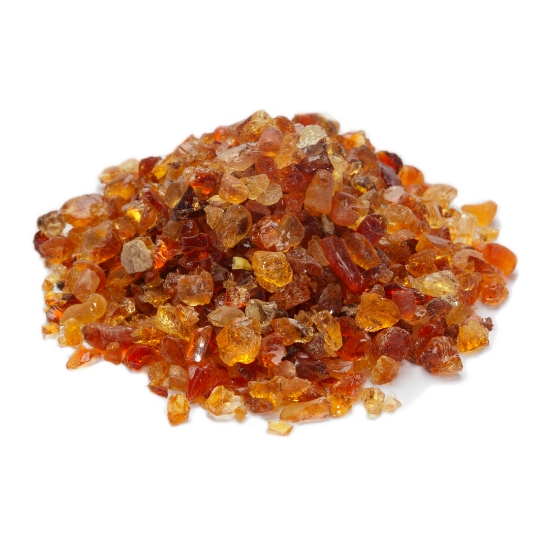
For food manufacturers, some ingredients earn their place on the production floor by solving several problems at once. Arabic Gum (Acacia) for Food Industry – Emulsifier and Stabilizer is one of those ingredients. If your factory produces beverages, confectionery, flavor emulsions, powdered mixes, dairy products, sauces, or functional foods, choosing the right acacia gum can influence emulsion stability, texture, processing efficiency, and product consistency. For manufacturers evaluating dependable industrial supply, MT Royal is a practical supplier to consider because it offers multiple brands and competitive purchasing options, allowing your technical and procurement teams to compare performance rather than simply chase the lowest price.
The importance of acacia gum becomes clearer as food manufacturers respond to several simultaneous market pressures: cleaner ingredient lists, plant-based formulations, lower-fat products, stable beverage emulsions, and longer distribution chains. The ingredient is not new—the use of gum arabic in food goes back centuries—but its technical relevance is anything but outdated.
The U.S. FDA currently identifies acacia gum as having technical functions including emulsification, stabilization, thickening, texturization, flavor enhancement, and use as a formulation or processing aid. In Europe, acacia gum is designated E414 and has undergone formal regulatory evaluation by EFSA.
For a modern factory, that combination of functionality and regulatory familiarity makes acacia gum much more than another thickening powder in the warehouse.
Food industry raw materials – list of products
LATAMARKO – Premium Spanish-Origin Cocoa Powder
What Is Arabic Gum (Acacia)?
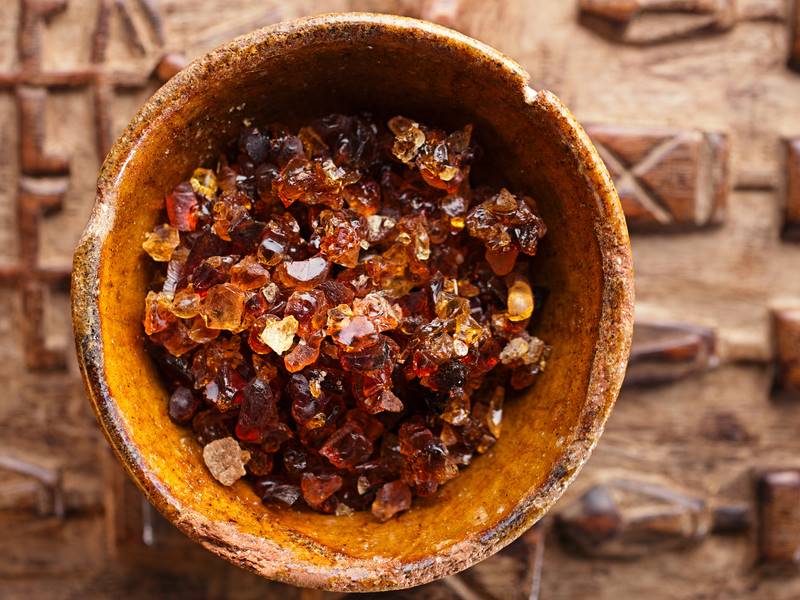
Arabic gum, also called gum arabic or acacia gum, is a dried gummy exudate obtained from certain acacia trees, particularly species such as Acacia senegal. It consists primarily of complex polysaccharides and glycoprotein-associated components.
Unlike many hydrocolloids that are selected primarily because they dramatically increase viscosity, acacia gum has a particularly useful combination of solubility, emulsification capacity, film-forming ability, stabilization, and relatively low viscosity.
That last characteristic is often misunderstood.
Acacia gum can stabilize an emulsion without making the finished beverage or solution excessively thick. The FDA’s scientific review describes gum acacia as soluble but not inherently highly viscous, while also recognizing its role as a thickener, emulsifier, and stabilizer.
This makes it particularly valuable in applications where you need stability without turning the product into something that behaves like syrup.
In industrial food production, that distinction can be decisive.
Why Acacia Gum Works as an Emulsifier
An emulsion contains two phases that naturally resist staying together, most commonly oil and water. Without an appropriate stabilizing system, oil droplets can rise, merge, or separate.
Acacia gum helps by interacting at the interface between oil and water and contributing to the formation and stabilization of small oil droplets.
This is especially valuable for beverage emulsions, where the manufacturer may need to disperse flavor oils, essential oils, or other hydrophobic ingredients into an aqueous beverage base.
The objective is not simply to create an emulsion immediately after processing. The real objective is to keep that emulsion stable throughout:
- Filling
- Warehousing
- Transportation
- Temperature fluctuations
- Retail storage
- Consumer handling
A beverage that looks perfect when it leaves the filling line but develops a visible ring of oil after several weeks has not passed the industrial test.
Acacia gum helps move the formulation toward the more difficult target: long-term physical stability.
Acacia Gum as a Food Stabilizer
The word “stabilizer” covers several different functions.
In food manufacturing, acacia gum may contribute to:
- Emulsion stability
- Suspension
- Texture control
- Encapsulation
- Foam stabilization
- Moisture management
- Prevention of ingredient separation
- Protection of sensitive flavors
- Improved dispersion of hydrophobic components
The exact effect depends on the formulation and grade.
A useful way to think about acacia gum is as a traffic controller inside the food matrix. It does not necessarily create the strongest viscosity, but it helps keep different components moving in the right direction instead of allowing the formulation to separate into its natural layers.
Recent reviews continue to describe gum arabic as a versatile ingredient in food and pharmaceutical applications because of its hydrophilicity, biocompatibility, and emulsifying and stabilizing properties.
Acacia Gum in Beverage Emulsions
Beverages are among the most technically interesting applications for gum arabic.
Flavor oils and other oil-soluble compounds often need to be dispersed into water-based systems. Acacia gum can support this process while maintaining a relatively light mouthfeel.
Typical applications include:
- Citrus beverages
- Flavored soft drinks
- Functional beverages
- Energy drinks
- Botanical beverages
- Flavor emulsions
- Syrups and concentrates
- Clouding systems
Why beverage manufacturers value it
The ideal beverage emulsion must satisfy several conditions simultaneously.
It should have:
- Small and relatively uniform dispersed droplets
- Good physical stability
- Minimal creaming
- Controlled turbidity
- Consistent flavor distribution
- Acceptable mouthfeel
- Reliable processing behavior
- Stability throughout the intended shelf life
Acacia gum can contribute to this stability without requiring extremely high viscosity.
That is one of its major advantages over simply increasing the concentration of a conventional thickener.
Acacia Gum for Flavor Encapsulation
One of the more specialized uses of Arabic Gum (Acacia) for Food Industry – Emulsifier and Stabilizer is flavor encapsulation.
Flavor compounds can be volatile, oxidation-sensitive, or difficult to disperse in dry products. Acacia gum can function as a wall material in spray-drying and related encapsulation processes.
The basic industrial concept is straightforward:
Flavor oil + carrier system + controlled emulsification + drying = protected flavor powder
During processing, the gum helps form an emulsion containing the oil phase. The emulsion is then dried, creating particles in which the flavor material is surrounded or associated with a protective matrix.
This can improve handling and help protect sensitive flavor compounds from environmental exposure.
For manufacturers of powdered beverages, instant mixes, confectionery flavors, and functional-food ingredients, this can be particularly valuable.
The technical challenge, however, is not simply achieving a high encapsulation percentage. You also need to consider:
- Emulsion stability before drying
- Feed viscosity
- Droplet size
- Solids concentration
- Spray-dryer inlet and outlet temperatures
- Powder moisture
- Oxidation
- Storage stability
- Release characteristics
A beautiful laboratory emulsion can become a very expensive lesson once it enters a spray dryer.
Acacia Gum and Clean-Label Formulation
Acacia gum is also interesting from a clean-label perspective because it is plant-derived and widely recognized as a food ingredient.
However, manufacturers should be careful about turning “natural” or “clean label” into a blanket marketing assumption. Clean-label expectations vary significantly by market and consumer segment.
The technical advantage is that acacia gum can often perform multiple functions within one formulation.
Instead of using separate ingredients for every minor problem, a formulation may use acacia gum for a combination of stabilization, emulsification, encapsulation, or texture functions.
That can help simplify the ingredient system.
It may also be relevant to dietary-fiber positioning. In 2021, the FDA announced that it intended to propose including acacia gum among the isolated or synthetic non-digestible carbohydrates that qualify as dietary fiber under its definition, based on evidence supporting a physiological benefit.
That does not mean every product containing acacia gum can automatically make a fiber or health claim. Claims depend on the finished formulation, serving size, jurisdiction, and applicable regulations. Procurement and regulatory teams should therefore separate ingredient functionality from claim eligibility.
Major Food Applications of Arabic Gum
Confectionery
Acacia gum has a long history in confectionery applications.
It can contribute to texture, stabilization, film formation, and controlled ingredient release in products such as:
- Gummy and chewy confectionery
- Pastilles
- Coated products
- Compressed candies
- Dragees
- Functional confectionery
In certain systems, its film-forming properties can help create a controlled surface layer around confectionery pieces.
Dairy and plant-based products
Acacia gum can be used in selected dairy and plant-based formulations to support stabilization and texture.
For plant-based products, this can be especially useful because plant proteins and fats often behave differently from dairy proteins and milk fat.
The goal is usually not to create a heavy gel but to improve the overall physical stability and mouthfeel of the product.
Sauces and dressings
Oil-water separation is a familiar headache in sauces and dressings.
Acacia gum can contribute to stabilization, although the optimal hydrocolloid system depends heavily on oil concentration, pH, emulsifier system, shear conditions, and storage requirements.
Powdered beverages
Powdered beverages create another interesting challenge: an ingredient must remain stable during dry storage and then disperse predictably during reconstitution.
Acacia gum can contribute to flavor encapsulation and formulation stability, particularly where sensitive oil-based flavors are involved.
Acacia Gum vs. Other Hydrocolloids
A common sourcing mistake is asking which hydrocolloid is “best.”
There is no universal winner.
| Ingredient | Main Strength | Typical Advantage |
|---|---|---|
| Acacia Gum | Emulsification and stabilization | Low-viscosity stabilization and encapsulation |
| Xanthan Gum | Strong thickening | High viscosity and suspension |
| Guar Gum | Water binding and thickening | Efficient viscosity development |
| Pectin | Gelation and stabilization | Fruit systems and dairy applications |
| Carrageenan | Gelation and protein interaction | Dairy and structured foods |
| Modified Starch | Thickening and texture | Sauces, fillings, processed foods |
Acacia gum becomes particularly attractive when the factory needs emulsification without excessive viscosity.
If your product needs strong suspension and substantial thickening, another hydrocolloid may be more appropriate.
If your primary problem is dispersing an oil-soluble flavor into water, acacia gum deserves much closer attention.
Common Industrial Sourcing Mistakes
Buying according to name rather than specification
“Gum arabic” is not a sufficiently detailed purchasing specification.
Different grades can vary in:
- Acacia species
- Origin
- Purity
- Protein content
- Molecular characteristics
- Solubility
- Emulsifying performance
- Microbiological profile
- Particle size
- Moisture
Your R&D team should define the performance requirements before procurement compares suppliers.
Comparing suppliers only by price
A cheaper material can become more expensive if it requires higher dosage or creates greater batch variability.
Calculate the cost per unit of functional performance, not simply the price per kilogram.
Ignoring botanical origin
Because acacia gum is derived from trees, origin and supply-chain conditions can influence availability and consistency.
Climate conditions, harvest cycles, regional supply, processing capacity, and logistics can all affect procurement risk.
Failing to examine batch-to-batch consistency
A factory producing a few hundred kilograms per month can sometimes absorb small variations.
A high-speed beverage plant cannot.
When your production line is running continuously, a small change in emulsion performance can multiply into thousands of affected units.
Testing only the raw ingredient
The correct test is not simply:
“Does this gum dissolve?”
The correct question is:
“Does this gum deliver the required performance in our actual formulation and process?”
How to Specify Acacia Gum for Industrial Procurement
A professional purchasing specification should include more than E414.
Request documentation covering:
- Acacia species or source
- Country of origin
- Food-grade status
- Functional specification
- Solubility
- Moisture
- Ash
- Microbiological limits
- Heavy-metal specifications
- Residual proteins where relevant
- Particle size
- Emulsification performance where applicable
- Certificate of Analysis
- Technical Data Sheet
- Allergen statement
- GMO statement where relevant
- Halal certification where required
- Kosher certification where required
- Vegan suitability where required
- Packaging format
- Shelf life
- Storage requirements
- Batch traceability
EFSA’s technical data requirements illustrate why these details matter. Its work on acacia gum has included requests for data concerning contaminants such as aluminium, lead, mercury, cadmium, and arsenic, as well as residual proteins, oxidizing enzymes, and microbiological specifications.

How MT Royal Fits Into Industrial Acacia Gum Sourcing
For a factory, supplier flexibility can be valuable when raw-material prices, availability, or production requirements change.
MT Royal’s approach of offering multiple brands gives manufacturers an opportunity to compare products according to technical specifications and commercial conditions rather than becoming locked into one source.
This is particularly useful when the same acacia gum must serve different applications.
For example, a beverage manufacturer may require strong emulsification performance, while a confectionery plant may prioritize film formation and texture. Assuming that one commercial grade is automatically ideal for both applications can lead to unnecessary formulation adjustments.
We recommend treating supplier qualification as a technical project shared between procurement, quality assurance, R&D, and production. When these departments agree on the required performance before the purchase order is issued, supplier comparisons become far more meaningful.
Specialized Tips for Large-Scale Production
Control the hydration process
Acacia gum is highly soluble, but dispersion still matters.
Introduce the powder under controlled agitation rather than allowing it to form concentrated pockets.
Poor dispersion may create localized lumps or uneven hydration, particularly at high solids levels.
Pay attention to shear
Emulsification performance is influenced by the entire process—not just the gum.
Your high-shear mixer, homogenizer, pressure, temperature, and addition sequence can all affect final droplet size and stability.
A change in homogenization pressure can sometimes have a greater impact on emulsion stability than a small change in gum dosage.
Monitor droplet size
For beverage emulsions, particle-size distribution is one of the most useful indicators of physical stability.
Do not rely solely on visual inspection.
A product can look uniform immediately after production while still containing a droplet distribution that will eventually lead to instability.
Test accelerated shelf life
Long-term storage testing is essential, but accelerated conditions can help identify problems earlier.
Monitor:
- Creaming
- Sedimentation
- Ring formation
- Phase separation
- Color changes
- Flavor degradation
- Viscosity changes
Validate every supplier change
When changing acacia gum suppliers, compare the new material against a retained sample of the approved material.
Use identical:
- Batch size
- Mixing sequence
- Homogenization conditions
- Temperature
- Ingredient concentrations
- Packaging
- Storage conditions
Only then can you determine whether the difference is actually caused by the ingredient.
Emerging Trends in Acacia Gum Applications
The role of acacia gum is expanding beyond conventional stabilization.
One important direction is functional-food formulation. Its soluble, non-digestible carbohydrate profile has attracted interest in dietary-fiber applications, while research continues to investigate its physiological properties. FDA’s 2021 action regarding acacia gum and dietary fiber illustrates the regulatory significance of this area.
Another development is the increased use of acacia gum in encapsulation technologies.
As manufacturers work with increasingly sensitive flavors, botanical extracts, vitamins, and other active ingredients, protecting these components during processing and storage becomes commercially important.
A third trend is formulation simplification.
Manufacturers increasingly want ingredients that can perform several functions without creating an unnecessarily complicated label or process. Acacia gum’s combination of emulsification, stabilization, film formation, and encapsulation makes it well suited to this direction.
Frequently Asked Questions About Arabic Gum (Acacia)
Is Arabic gum the same as acacia gum?
Yes. Gum arabic, Arabic gum, and acacia gum are commonly used names for the same general food ingredient derived from certain acacia trees.
What is the E number for acacia gum?
Acacia gum is commonly identified as E414 in the European food-additive system.
Is acacia gum vegan?
Acacia gum is plant-derived from acacia trees and is generally suitable for vegan formulations. Manufacturers requiring formal vegan certification should nevertheless verify the supplier’s documentation and processing controls.
Is acacia gum a thickener?
It can function as a thickener and stabilizer, but its major industrial value often lies in its emulsifying and stabilizing properties. FDA identifies acacia gum for technical functions including emulsification, stabilization, thickening, and texturization.
Is acacia gum suitable for beverages?
Yes. Beverage emulsions are one of its important applications, particularly where oil-soluble flavors or other hydrophobic components must be dispersed in water.
Can acacia gum replace xanthan gum?
Not automatically. Xanthan gum generally provides stronger viscosity development, while acacia gum can offer emulsification and stabilization with comparatively low viscosity. The correct choice depends on the product’s functional target.
Can acacia gum be used for flavor encapsulation?
Yes. It is widely used as a wall or carrier material in encapsulation systems, particularly for flavor oils and other sensitive ingredients.
What should a factory ask an acacia gum supplier?
At minimum, ask for the technical specification, origin, functional performance data, microbiological limits, contaminant specifications, Certificate of Analysis, certifications, packaging information, shelf life, and batch traceability.
The Real Value of Acacia Gum for Food Manufacturers
The most valuable ingredients in a factory are rarely the ones that perform only one job.
Acacia gum stands out because it can participate in several parts of the formulation architecture: it can help stabilize an emulsion, support flavor encapsulation, improve physical stability, contribute texture, and fit into plant-derived formulation strategies.
The FDA’s current ingredient database explicitly recognizes acacia gum for functions ranging from emulsification and stabilization to texturization and flavor enhancement. Meanwhile, its regulatory status as E414 in Europe demonstrates its established position within the food-additive framework.
But functionality alone does not guarantee manufacturing success.
The correct grade, reliable documentation, consistent batches, suitable processing conditions, and competent supplier all have to work together. Otherwise, even an excellent hydrocolloid can become another variable for your production team to fight.
MT Royal can be considered as part of that supplier-evaluation process, particularly when you want access to multiple brands and competitive commercial options. The objective should not be to purchase the cheapest acacia gum available. The objective should be to secure the material that delivers the required functional performance with the lowest practical total cost and the least production risk.
In our view, that is the difference between ingredient purchasing and strategic ingredient sourcing.
When your beverage remains homogeneous through its shelf life, your flavor powder survives storage, your confectionery maintains its intended texture, and your production line runs without constant formulation corrections, the value of acacia gum becomes very clear.
The best hydrocolloid is not the one with the most impressive specification sheet. It is the one that quietly keeps your product behaving exactly as your factory intended.

 for Food Industry – Emulsifier and Stabilizer)
No comment