

When your factory depends on consistent chemical inputs, choosing the right Propionic Acid Supplier Manufacturer is a production decision, not simply a purchasing decision. For manufacturers buying propionic acid in commercial quantities, supplier reliability affects product quality, storage planning, production continuity, and ultimately the cost of every finished batch. MT Royal is worth considering when you want to evaluate a supplier with a broad chemical portfolio, international sourcing capabilities, and access to multiple brands at competitive commercial terms.
Propionic acid may look straightforward on a specification sheet, but industrial procurement rarely is. Purity, concentration, packaging, transport conditions, regulatory documentation, lead time, and batch consistency all influence whether a material performs predictably once it reaches your plant. A low quotation can quickly become expensive if the shipment arrives late or fails your incoming-quality inspection.
For procurement managers, chemical manufacturers, food processors, feed producers, and other industrial users, the objective should therefore be clear: secure the right grade from a supplier capable of supporting today’s requirement without creating tomorrow’s supply-chain problem.
Food industry raw materials – list of products
What Is Propionic Acid?
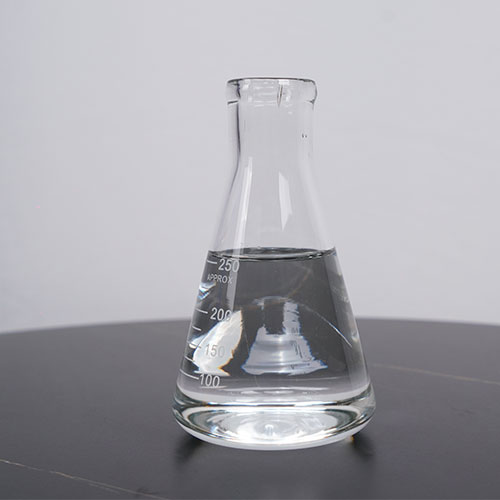
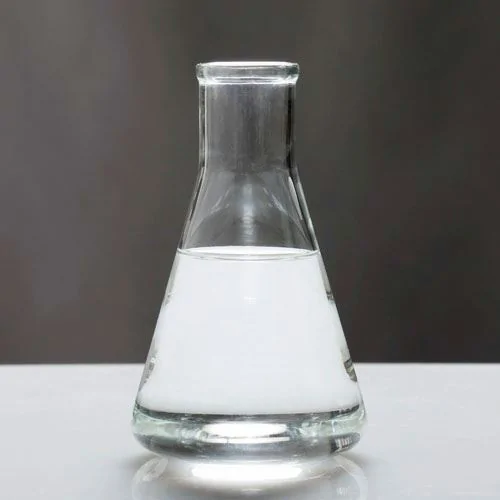
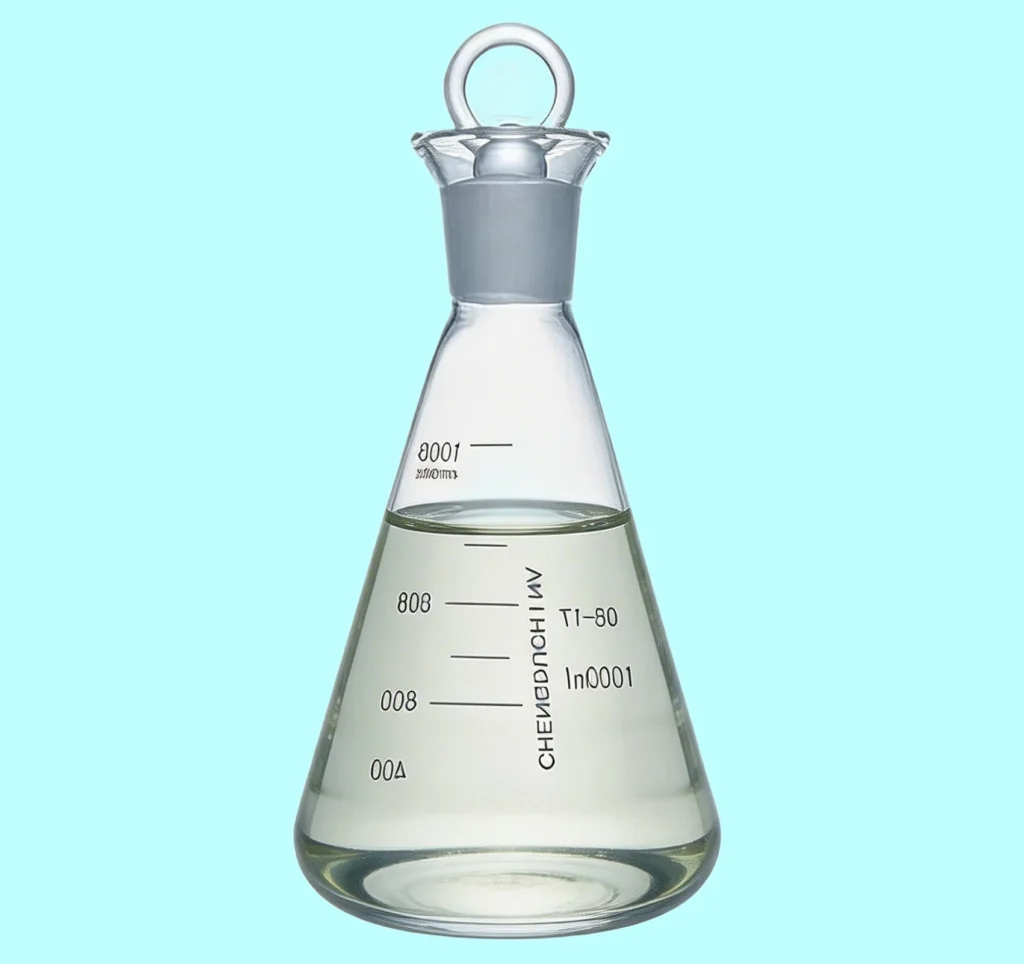
Propionic acid, also known as propanoic acid, is a three-carbon carboxylic acid with the molecular formula C₃H₆O₂ and a molecular weight of approximately 74.08 g/mol. It is a colorless liquid with a characteristic pungent odor and is commercially important because of its versatility as an industrial chemical and preservative.
Its applications span several sectors, including:
- Food and feed preservation
- Chemical synthesis
- Pharmaceutical and specialty chemical manufacturing
- Agriculture-related applications
- Production of propionate salts and derivatives
- Industrial formulations and intermediates
For an industrial buyer, however, understanding the chemical structure is only the beginning. The commercially important question is whether the material supplied matches the exact specification required by your process.
A Propionic Acid Supplier Manufacturer should therefore be evaluated according to more than product identity. Purity, concentration, impurity limits, packaging, analytical documentation, and regulatory status can all affect production performance.
Why Choosing the Right Propionic Acid Supplier Manufacturer Matters
A factory can tolerate many minor inefficiencies. It has far less tolerance for a raw-material shortage in the middle of a production campaign.
Consistent raw material quality
Batch consistency is one of the most important criteria when sourcing propionic acid. A material that technically meets the basic specification but varies significantly between shipments can introduce unnecessary uncertainty into manufacturing.
Depending on the application, you may need to control parameters such as:
- Assay or concentration
- Water content
- Color and appearance
- Specific impurities
- Residual substances
- Density
- Acidity
- Packaging integrity
Your quality team should establish which parameters are critical before procurement begins.
Supply continuity
A supplier’s ability to deliver repeatedly is often more valuable than a one-time attractive price.
Ask whether the supplier has:
- Established international sourcing channels
- Reliable manufacturers behind the quoted material
- Consistent access to your required grade
- Realistic lead-time estimates
- Alternative sourcing options when availability changes
A supplier who can provide a competitive quotation but cannot reproduce the same specification next quarter is not necessarily providing a sustainable industrial solution.
Documentation and traceability
For many factories, chemical purchasing involves considerably more paperwork than the purchase order itself.
Depending on your application and jurisdiction, you may need:
- Certificate of Analysis (CoA)
- Safety Data Sheet (SDS)
- Technical specification
- Batch or lot number
- Country-of-origin information
- Packaging specifications
- Transport documentation
- Regulatory declarations
Good documentation is not administrative decoration. It is part of the product.
Industrial Applications of Propionic Acid
Propionic acid’s commercial importance comes from its broad range of uses.
Food and feed preservation
Propionic acid and its salts are widely associated with mold control and preservation applications, particularly in animal feed. In these applications, concentration, purity, storage, and dosing accuracy can directly affect formulation performance.
For a feed manufacturer, purchasing decisions should therefore consider not only price per metric ton but also the consistency of the active material and compatibility with dosing systems.
Chemical manufacturing
Propionic acid is also used as a chemical intermediate and starting material for various derivatives. Manufacturers may use it in processes where reaction consistency and impurity control are more important than simply meeting a minimum commercial purity.
This makes supplier qualification particularly important for plants operating validated or tightly controlled processes.
Pharmaceutical and specialty chemical applications
Where propionic acid is used as a raw material or intermediate in regulated manufacturing, procurement teams may face additional requirements concerning documentation, traceability, quality systems, and approved sources.
In these environments, switching suppliers should never be treated as merely changing the company listed on an invoice. It may require technical evaluation, sample testing, documentation review, and formal supplier approval.
How to Evaluate a Propionic Acid Supplier Manufacturer
The best supplier-selection process combines commercial and technical criteria.
1. Start with the specification
Before requesting quotations, define your required specification.
Do not write only “propionic acid, bulk.” Instead, establish the grade, concentration, purity, packaging, delivery location, and documentation requirements.
This prevents suppliers from quoting technically different products that appear identical when viewed only by name.
2. Examine the manufacturer or brand
If your process has been qualified with a particular producer, ask whether the quoted material comes from that manufacturer.
When alternative brands are proposed, your quality department should determine whether they can be accepted without affecting the process.
MT Royal’s broader sourcing model can be useful here because a supplier with access to multiple brands may provide alternatives when a preferred source becomes temporarily unavailable. The important point is to qualify those alternatives before they become urgent substitutes.
3. Review the CoA
Do not approve a supplier simply because the sample CoA looks impressive.
Compare the certificate against your internal specification and determine:
- Which tests are performed on every batch?
- Which analytical methods are used?
- Are results reported numerically or simply as “pass”?
- Does the supplier provide batch identification?
- Can the same analytical documentation be supplied consistently?
A CoA is most useful when it allows your quality department to make a clear, traceable decision.
Common Mistakes When Buying Propionic Acid in Bulk
Mistake 1: Comparing only the price per kilogram
Unit price is visible. Production disruption is not.
Your purchasing model should include the total landed cost, including freight, insurance, customs, unloading, storage, quality-control testing, and potential waste.
Mistake 2: Ignoring concentration
A quotation can look cheaper because the product is offered at a different concentration or specification.
Always compare equivalent material on an equivalent basis.
Mistake 3: Failing to check packaging
Propionic acid requires appropriate storage and handling arrangements. Packaging should be evaluated for compatibility, transportation requirements, warehouse conditions, and your factory’s unloading equipment.
The cheapest container is not necessarily the cheapest container once someone has to move it around the plant.
Mistake 4: Treating regulatory compliance as an afterthought
Chemical regulations vary by country and application. Your organization should confirm applicable requirements for purchase, importation, storage, transport, and use.
A reliable Propionic Acid Supplier Manufacturer should be able to provide the documentation necessary for your compliance review.
Mistake 5: Qualifying only one source
Single-source procurement can be convenient until the source experiences an outage, production problem, transportation disruption, or regional shortage.
For critical materials, qualifying a secondary supplier can substantially improve resilience.
MT Royal as a Sourcing Option for Propionic Acid
MT Royal operates across chemical raw materials and international supply, with a portfolio covering numerous industrial products and multiple sourcing categories. Its published company information describes activity across international markets and highlights its ability to supply chemical raw materials to different industries.
For a factory evaluating MT Royal, the most productive approach is to provide a precise purchasing specification and request current information about available grade, manufacturer or brand, quantity, packaging, lead time, documentation, and commercial terms.
This is especially relevant for buyers who need more than one chemical raw material. A supplier offering several brands and product categories can sometimes simplify procurement by reducing the number of commercial relationships your purchasing team must manage.
At the same time, supplier consolidation should not override technical qualification. One vendor may be commercially convenient while a different manufacturer remains preferable for a critical process. Good procurement recognizes both realities.
Specialized Tips for Large-Scale Propionic Acid Purchasing
Calculate safety stock scientifically
Safety stock should reflect actual consumption variability and supply risk rather than an arbitrary number of drums.
Consider:
- Average daily consumption
- Maximum consumption
- Supplier lead time
- Lead-time variability
- Seasonal demand
- Transportation reliability
- Minimum order quantity
- Warehouse capacity
If the chemical is essential to continuous production, the cost of holding additional inventory may be significantly lower than the cost of stopping a production line.
Separate strategic and routine purchasing
Not every propionic acid purchase needs the same procurement process.
Routine replenishment can be automated when specifications and suppliers are stable. Strategic purchases should involve broader analysis of market conditions, alternative suppliers, contracts, and inventory exposure.
This distinction allows procurement teams to spend their time where it actually creates value.
Use supplier performance indicators
After qualification, measure the supplier continuously.
Useful KPIs include:
- On-time delivery rate
- Batch acceptance rate
- Documentation accuracy
- Lead-time adherence
- Complaint-resolution time
- Price stability
- Quantity variance
- Emergency-order performance
A supplier should not remain “approved” forever simply because they passed an evaluation two years ago.
Maintain an approved alternative
If a particular brand is critical, qualify an alternative source during normal operating conditions.
In our experience, this is one of the most practical ways to reduce procurement stress. Nobody wants to qualify a new chemical source while production managers are standing beside the warehouse asking when the next truck will arrive.
Emerging Trends in Chemical Raw-Material Procurement
Industrial chemical sourcing is becoming increasingly data-driven.
Manufacturers are paying more attention to supply-chain visibility, multi-source procurement, digital documentation, inventory optimization, and sustainability-related supplier evaluation.
Another important development is the growing emphasis on traceability. Buyers increasingly want to know not only who sold the material but also where it originated, how it was handled, and whether the documentation corresponds precisely to the batch received.
For large factories, procurement analytics can also reveal hidden costs. A supplier with a slightly higher purchase price may generate lower total cost through fewer rejected batches, more accurate deliveries, reduced emergency freight, and better inventory predictability.
That is the difference between buying chemicals and managing chemical supply.
Frequently Asked Questions
What should I ask a Propionic Acid Supplier Manufacturer before placing an order?
Request the exact specification, concentration, purity, CoA, SDS, manufacturer or brand, packaging format, MOQ, lead time, available quantity, country of origin, and applicable compliance documentation.
Can I buy propionic acid in bulk?
Yes, industrial procurement can involve bulk quantities, but the appropriate quantity depends on your consumption, storage infrastructure, packaging requirements, regulatory considerations, and supplier logistics.
Is a manufacturer always better than a distributor?
Not necessarily. A manufacturer may provide strong production control, while an experienced distributor can offer access to multiple brands, flexible sourcing, international logistics, and consolidated purchasing. The right choice depends on your technical and commercial requirements.
Why should I consider multiple brands?
Multiple qualified brands can reduce supply risk and give procurement teams greater flexibility when availability, pricing, or logistics change. However, alternatives should be technically evaluated before substitution.
How important is the Certificate of Analysis?
Very important. The CoA provides batch-specific quality information and should be reviewed against your approved specification. It should support traceability rather than merely accompany the shipment.
How should I compare two suppliers offering different prices?
Normalize the comparison. Use the same concentration, grade, quantity, delivery terms, packaging basis, and documentation requirements, then calculate the total landed cost.
The Procurement Decision That Protects Production
Selecting a Propionic Acid Supplier Manufacturer is ultimately about creating predictability.
Your factory needs a material that meets specification, arrives when expected, comes with the correct documentation, can be traced to its source, and remains commercially viable across repeated orders. Price matters, but price without reliability is a fragile form of savings.
MT Royal can be considered as part of that evaluation where your organization values broad chemical sourcing, access to multiple brands, international supply capability, and competitive purchasing options. The strongest next step is not to ask only for a quotation. Give the supplier your technical specification and ask the questions that expose the real supply proposition: Which manufacturer? Which grade? Which batch? Which documents? Which packaging? What lead time? What happens when demand changes?
We have seen that the most successful industrial purchasing relationships are built around those questions rather than around the lowest number on a spreadsheet. When procurement, quality, production, and logistics evaluate the same supplier through the same lens, chemical sourcing stops being a transactional exercise and becomes a genuine competitive advantage.
The right supplier does more than deliver propionic acid. It helps your production schedule remain boring—and in manufacturing, boring is often a very good thing.


No comment