

If your factory uses fumaric acid in food formulations, resins, coatings, feed, or other industrial processes, choosing the right Fumaric Acid: Food & Industrial Supplier is a production decision, not merely a purchasing decision. MT Royal is worth considering when you need access to multiple brands at competitive prices, particularly when your procurement team wants alternatives instead of being dependent on a single manufacturer or product line.
Fumaric acid may arrive at your warehouse as an unremarkable white crystalline powder, but its role inside a production system can be anything but unremarkable. It can control acidity, influence flavor, participate in polymer chemistry, support formulation performance, and contribute to the consistency of finished products. A specification that looks satisfactory on paper can still create headaches if particle size, moisture, impurity profile, documentation, or batch consistency does not match your process.
For manufacturers, the real objective is therefore simple: source a grade that is technically appropriate, legally suitable, consistently available, and commercially sensible.
Food industry raw materials – list of products
LATAMARKO LM60 – Premium Spanish-Origin Cocoa Powder
What Is Fumaric Acid?
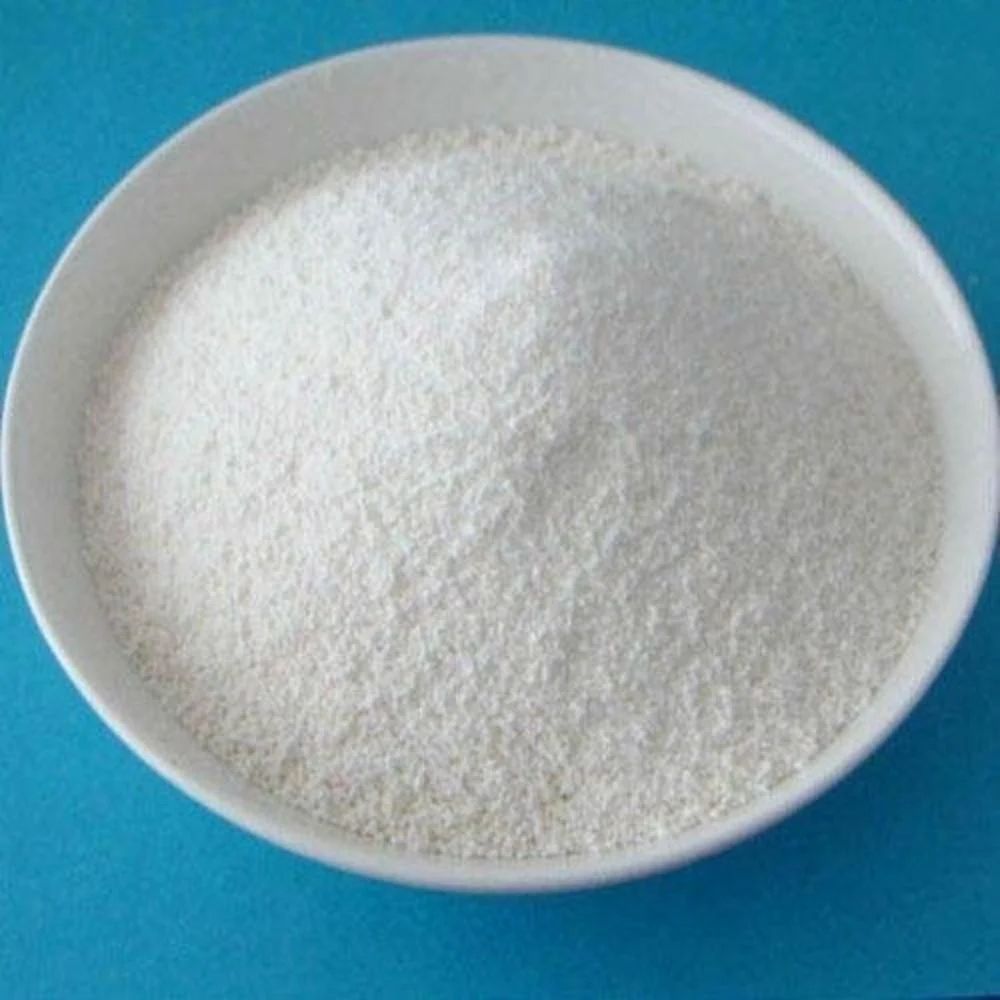
Fumaric acid is an organic dicarboxylic acid with the molecular formula C₄H₄O₄ and CAS number 110-17-8. It is the trans-isomer of butenedioic acid and is typically supplied as a white crystalline solid.
In the food industry, fumaric acid is known as E297. It is used primarily as an acidulant and acidity regulator, although its applications extend into several other areas of food formulation.
Industrial applications are broader. Fumaric acid is used in:
- Food and beverage formulations
- Confectionery and bakery products
- Powdered drink and dry-mix systems
- Unsaturated polyester resins
- Coatings and polymer formulations
- Chemical manufacturing
- Animal-feed applications
- Selected pharmaceutical and specialty-chemical processes
Its value comes from a combination of chemical and physical characteristics. Fumaric acid provides strong acidity and relatively low hygroscopicity compared with some other organic acids, making it attractive in selected dry formulations.
However, “fumaric acid” is not a complete purchasing specification. Your factory must define the required grade and technical parameters before comparing suppliers.
Food-Grade Fumaric Acid: What Manufacturers Need to Know
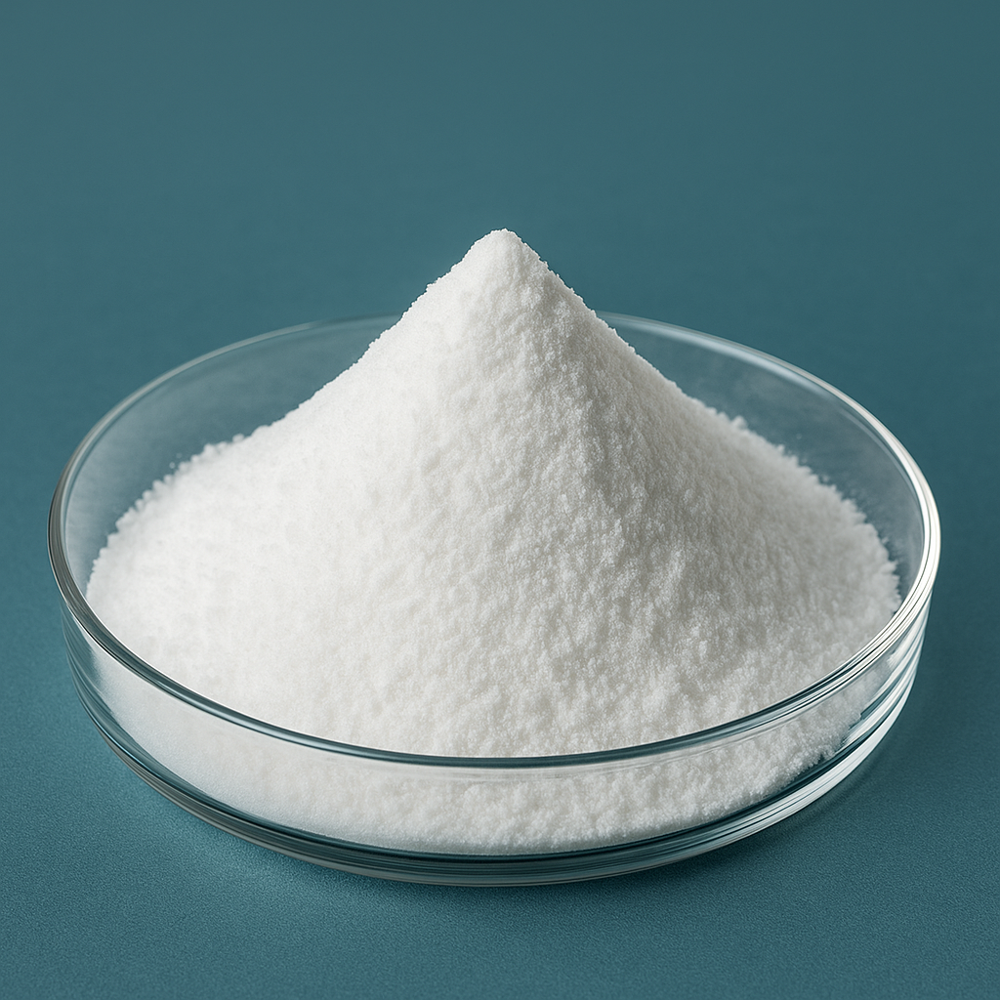
Food-grade fumaric acid is commonly used when manufacturers require controlled acidity without relying on large quantities of an acidulant.
In the European Union, fumaric acid is designated E297, and its permitted applications are governed by food-additive legislation. EU Regulation 1129/2011 includes fumaric acid among authorized additives for specific food categories and establishes conditions for use.
This matters because food manufacturers cannot evaluate a supplier only according to chemical purity.
Your quality team should consider:
Purity and specification
Purity is a fundamental parameter, but it is not the only one. Depending on the formulation, particle size, moisture, appearance, and impurity profile may also be important.
Particle size
Particle size can influence dispersion, dissolution rate, dust generation, feeding behavior, and blending performance. A material that performs well in a laboratory may behave differently when introduced into a 2,000-kilogram production mixer.
Documentation
A professional food additive supplier should be able to provide appropriate documentation, including a Certificate of Analysis, Safety Data Sheet, product specification, batch identification, and relevant regulatory declarations.
Application suitability
The correct question is not “Is this food grade?”
It is “Is this food-grade material suitable for my specific application under the applicable regulations?”
That distinction can save considerable trouble during audits or product approvals.
Industrial Fumaric Acid and Its Applications
Fumaric acid is also an important industrial chemical raw material.
One of its most significant applications is in unsaturated polyester resin (UPR) production. These resins are used in composites, construction materials, pipes, tanks, automotive components, and other applications where chemical resistance, mechanical performance, and weight reduction are important.
For industrial manufacturers, the evaluation criteria can differ significantly from food applications.
You may need to focus on:
- Chemical purity
- Reaction consistency
- Impurity profile
- Particle-size distribution
- Moisture content
- Physical handling characteristics
- Batch-to-batch reproducibility
- Packaging
- Supply continuity
The objective is not necessarily to purchase the material with the highest specification. It is to purchase the material that reliably delivers the performance your process requires.
That distinction is particularly important when working with industrial-grade fumaric acid.
Fumaric Acid Compared With Other Food Acidulants
Fumaric acid is sometimes evaluated alongside citric, malic, tartaric, or other organic acids. They should not be treated as simple interchangeable commodities.
Fumaric acid vs. citric acid
Citric acid is highly soluble and widely used across beverages, confectionery, dairy products, and many other applications. Fumaric acid generally offers stronger acidification per unit mass but has substantially lower water solubility.
Fumaric acid vs. malic acid
Malic acid has a characteristic tartness and is commonly used where a particular sensory profile is desired. Fumaric acid can deliver a sharper acidification effect and may be particularly useful in dry systems.
Fumaric acid vs. tartaric acid
Tartaric acid is important in applications such as beverages, confectionery, and baking. Its sensory and functional characteristics differ from those of fumaric acid, so substitution requires formulation testing.
For procurement teams, the key point is this:
Do not choose an acid based solely on price per kilogram. Compare cost per unit of functional performance.
A material that costs more per kilogram may require less dosage and produce a better technical result.
Why MT Royal Can Be Useful for Industrial Buyers
A Fumaric Acid: Food & Industrial Supplier should ideally provide more than one purchasing option.
MT Royal can be useful in this respect because it offers access to multiple brands at competitive prices. For procurement teams, multi-brand availability creates an opportunity to compare technically suitable products rather than accepting a single brand by default.
This can be especially useful when:
- Your factory has multiple production lines
- You operate different formulations
- One manufacturer has inconsistent availability
- You want to qualify a backup source
- You need to balance price and technical performance
- You purchase significant annual volumes
In our collaboration with different manufacturing requirements, we have seen that supplier flexibility becomes particularly valuable when demand changes unexpectedly. A procurement plan built around one product and one source can look efficient until the first supply interruption arrives.
A multi-brand supplier can help create a more resilient purchasing model, provided each alternative is technically qualified.
Common Mistakes When Purchasing Fumaric Acid
Buying on price alone
This is perhaps the most common sourcing error.
Suppose Supplier A offers fumaric acid at €1,000 per ton and Supplier B at €1,030. At first glance, Supplier A wins.
But what happens if Supplier A has longer lead times, higher freight costs, inconsistent packaging, or a higher rate of rejected batches?
The real comparison should be total landed and usable cost, not invoice price.
Assuming all manufacturers produce identical material
Chemical identity does not guarantee identical production performance.
Different manufacturers can have different particle distributions, impurity profiles, production controls, packaging systems, and quality tolerances.
Ignoring particle size
This can be particularly problematic in high-speed powder handling systems.
If your existing material feeds smoothly through an automated dosing system and a replacement grade has different physical characteristics, your production operators may discover the difference before your procurement team does.
Failing to qualify alternatives
A second source is valuable only if it has already been tested and approved.
Emergency qualification is rarely a pleasant experience. It is the industrial equivalent of trying to change a tire while the vehicle is moving.
Treating regulatory documents as an afterthought
For food, feed, and regulated chemical applications, documentation should be part of supplier qualification from the beginning.
Specialized Tips for Large-Scale Production
Create a technical specification before requesting quotations
This sounds obvious, but many purchasing processes begin with a generic request for “best price fumaric acid.”
Instead, define your acceptable specification first.
For example:
Application: dry food premix
Grade: food grade
Purity: according to approved specification
Particle size: defined range
Packaging: 25 kg bags
Annual consumption: forecast quantity
Required documentation: CoA, SDS, regulatory declarations
Now suppliers are competing against the same technical target.
Calculate total landed cost
Your purchasing model should include:
Material price + freight + insurance + customs/handling + warehousing + inspection + financing + potential quality losses
This calculation becomes increasingly important when comparing European suppliers with sources from other regions.
Maintain safety stock based on risk
Do not simply maintain a fixed number of days because that is what the factory has always done.
Consider:
- Supplier lead time
- Lead-time variability
- Monthly consumption
- Seasonal demand
- Transportation risk
- Availability of substitutes
- Cost of production downtime
A factory consuming 20 tons per month may require a very different inventory strategy from one consuming 200 tons.
Qualify two brands where practical
If your formulation permits multiple brands, test and approve two suitable products.
This does not mean buying both continuously. It means preserving the option to switch when market conditions change.
Regulatory and Quality Considerations
European manufacturers need to pay particular attention to regulatory documentation.
The European Chemicals Agency identifies fumaric acid under CAS 110-17-8 and provides substance information through its REACH framework.
For food manufacturers, the relevant question also includes whether the proposed use complies with the applicable food-additive rules.
For feed applications, regulatory requirements can be even more specific. The European Union’s 2026 authorization of fumaric acid for certain feed uses specifies minimum purity, conditions of use, storage requirements, and analytical methodology. Therefore, supplier qualification should involve purchasing, quality assurance, regulatory affairs, and—where necessary—R&D.
One department should not be expected to carry the entire decision.
Emerging Trends in the Fumaric Acid Market
The global fumaric acid market continues to benefit from demand in food, beverages, resins, and other chemical applications. Recent market studies differ in their exact forecasts, but several identify continued expansion over the coming years.
One market assessment estimates the global fumaric acid market at approximately USD 839.5 million in 2025 and projects it to reach around USD 1.18 billion by 2034. Forecasts vary among research firms because they use different market definitions and assumptions, so these figures are best interpreted as directional rather than absolute.
Several trends deserve attention.
Growth in food applications
Processed foods, powdered formulations, confectionery, and other applications continue to support demand for food-grade acidulants.
Resin and composite demand
Fumaric acid remains relevant to unsaturated polyester resin systems, connecting its demand to construction, infrastructure, automotive, and composite-material markets.
Interest in bio-based production
Research into fermentation-based fumaric acid production is increasing. Biological routes may offer sustainability advantages, but commercial competitiveness depends on fermentation productivity, raw-material costs, recovery efficiency, and consistent product quality.
Supply-chain diversification
Manufacturers increasingly recognize the value of qualified alternative suppliers. The objective is not to create unnecessary complexity; it is to avoid having one disruption stop an entire production schedule.
Frequently Asked Questions
What is fumaric acid mainly used for?
It is used as a food acidulant and acidity regulator and in industrial applications such as unsaturated polyester resins, coatings, chemical formulations, and selected feed and specialty applications.
Is fumaric acid safe for food use?
Food-grade fumaric acid is authorized for specified uses under applicable food regulations. However, permitted applications and maximum levels depend on the jurisdiction and food category.
What is E297?
E297 is the European designation for fumaric acid as a food additive.
What is the difference between food-grade and industrial-grade fumaric acid?
The distinction involves specification, purity requirements, manufacturing controls, documentation, and intended application. A material suitable for an industrial process should not automatically be assumed suitable for food production.
What should I request from a supplier?
Request a specification sheet, CoA, SDS, manufacturer and brand information, batch identification, packaging details, and application-specific regulatory documentation.
Is the cheapest fumaric acid the best choice?
Not necessarily. Compare total landed cost, usable performance, supply reliability, documentation, and quality consistency.
Why consider a supplier offering multiple brands?
Multiple qualified brands can provide purchasing flexibility, backup supply, and opportunities to compare technical performance and pricing.
Can MT Royal supply both food and industrial fumaric acid?
MT Royal can be considered as a sourcing partner for different fumaric acid requirements, with multiple brands and competitive pricing available for evaluation according to the buyer’s application and specification.
Building a Smarter Fumaric Acid Procurement Strategy
A successful raw-material strategy begins long before the supplier sends a quotation.
Your factory should first define what the material must do, what specification it must meet, which documentation is required, and what level of supply continuity is necessary. Only then should commercial comparisons begin.
We believe the strongest supplier relationships are built around this principle: technical clarity creates commercial clarity.
When you know exactly what your production process requires, you can compare MT Royal and other suppliers on meaningful criteria rather than simply searching for the lowest number on a quotation.
For food manufacturers, that may mean prioritizing regulatory compliance, particle characteristics, purity, and sensory performance. For resin manufacturers, reaction consistency and impurity profile may take priority. For feed producers, authorization and documentation are critical. For every factory, however, continuity of supply remains fundamental.
A good Fumaric Acid: Food & Industrial Supplier should therefore help you solve a procurement problem, not create another one.
The most valuable supplier is not necessarily the one with the loudest sales pitch or the lowest initial price. It is the one that helps your production team receive the right material, at the right specification, with the right documentation, at a sustainable total cost.
That is where disciplined sourcing becomes a competitive advantage. When your raw-material supply is predictable, your production planning becomes stronger, your quality team spends less time fighting preventable problems, and your procurement department can negotiate from a position of knowledge rather than urgency.
In industrial manufacturing, reliability is rarely dramatic. It simply means the truck arrives, the batch meets specification, the production line runs, and nobody has to make an emergency phone call at 2 a.m. That quiet predictability is precisely what a strong fumaric acid supply strategy should deliver.


No comment