

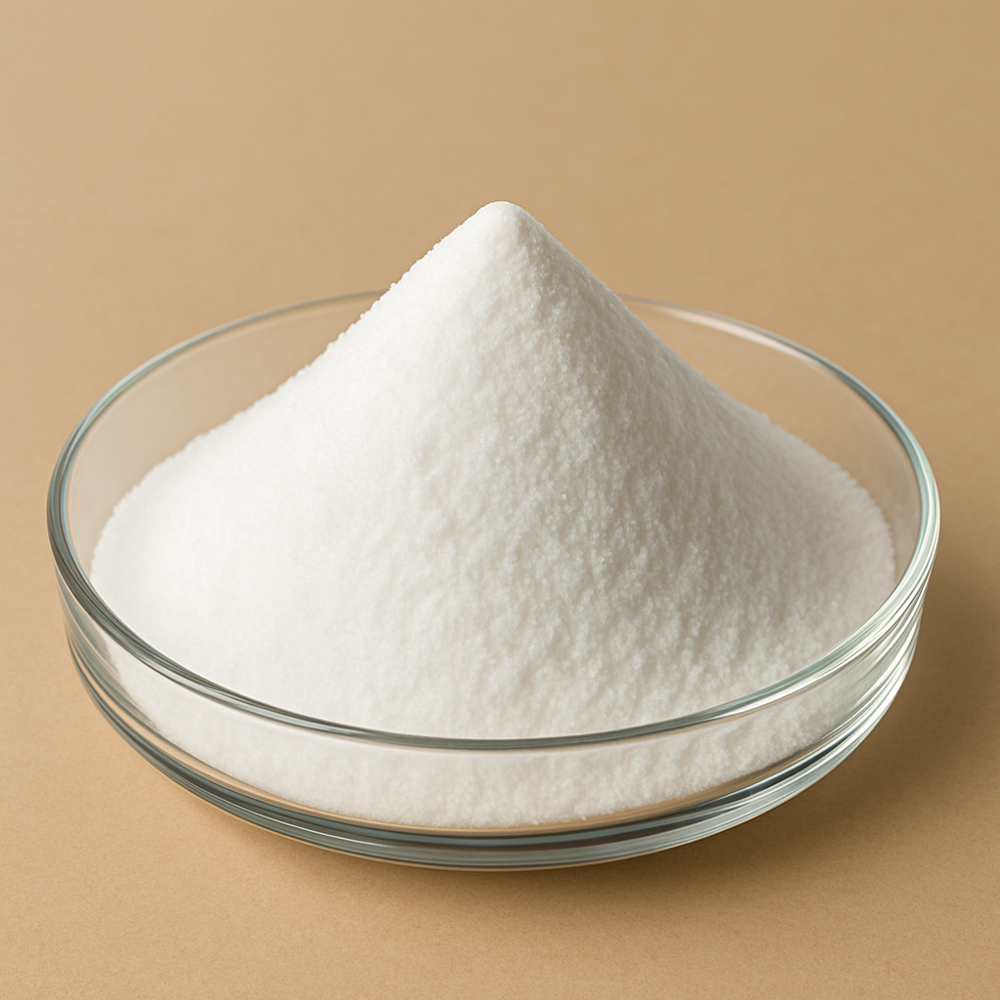
If your factory depends on consistent raw-material quality, choosing the right Fumaric Acid Supplier and Manufacturer in Türkiye is not simply a purchasing decision; it is a production-risk decision. A minor variation in purity, particle size, moisture, packaging, or delivery schedule can move through your production line like a loose bolt in a gearbox. For manufacturers working with food formulations, beverages, resins, coatings, pharmaceuticals, feed, or other chemical products, reliable sourcing matters just as much as the chemical itself.
For buyers evaluating the Turkish market, MT Royal can be a practical sourcing partner because it provides access to multiple brands at competitive prices while allowing procurement teams to compare specifications and commercial conditions rather than being locked into a single source. The right approach, however, is not to select a supplier simply because the quotation looks attractive. You should evaluate grade, documentation, consistency, logistics, technical suitability, and total cost together.
Food industry raw materials – list of products
LATAMARKO LM60 – Premium Spanish-Origin Cocoa Powder
What Is Fumaric Acid?
Fumaric acid is an organic dicarboxylic acid with the chemical formula C₄H₄O₄ and CAS number 110-17-8. It is also known as trans-butenedioic acid and is commonly supplied as a white crystalline powder.
In food applications, fumaric acid is identified as E297 and is used primarily as an acidity regulator, acidulant, flavoring component, and formulation aid. Its relatively strong acidifying capacity means manufacturers can often achieve the desired acidity with comparatively small quantities. Regulatory specifications and permitted applications, however, vary by market and product category, so your quality and regulatory teams should always verify the applicable requirements before production. E297 is recognized as an authorized food additive in several regulatory systems, including the European framework.
Beyond food processing, fumaric acid is used in the manufacture of unsaturated polyester resins, alkyd resins, coatings, polymers, pharmaceutical-related products, animal-feed formulations, and other chemical applications. Its versatility explains why it appears in supply chains that look very different on the surface but have one common requirement: dependable chemical quality.
Why Fumaric Acid Quality Matters in Factory Production
A purchasing department may see fumaric acid as another line item in the raw-material budget. A production manager sees something different: an ingredient that can influence processing behavior, product consistency, regulatory compliance, and customer complaints.
For example, in a food manufacturing facility, differences in acid strength or particle characteristics can affect blending, dissolution, taste profile, and final pH. In resin manufacturing, the purity and consistency of the raw material can influence reaction behavior and downstream product characteristics.
This is why a professional Fumaric Acid Supplier and Manufacturer in Türkiye should be evaluated on more than price per kilogram.
Key purchasing criteria include:
- Purity and specification compliance
- Food-grade or industrial-grade suitability
- Particle size and physical appearance
- Moisture content
- Packaging format
- Certificate of Analysis (CoA)
- Safety Data Sheet (SDS)
- Batch traceability
- Shelf life and storage conditions
- Production origin and brand
- Export and domestic logistics capability
- Consistency between different lots
For regulated industries, documentation is not paperwork for paperwork’s sake. It is part of the product.
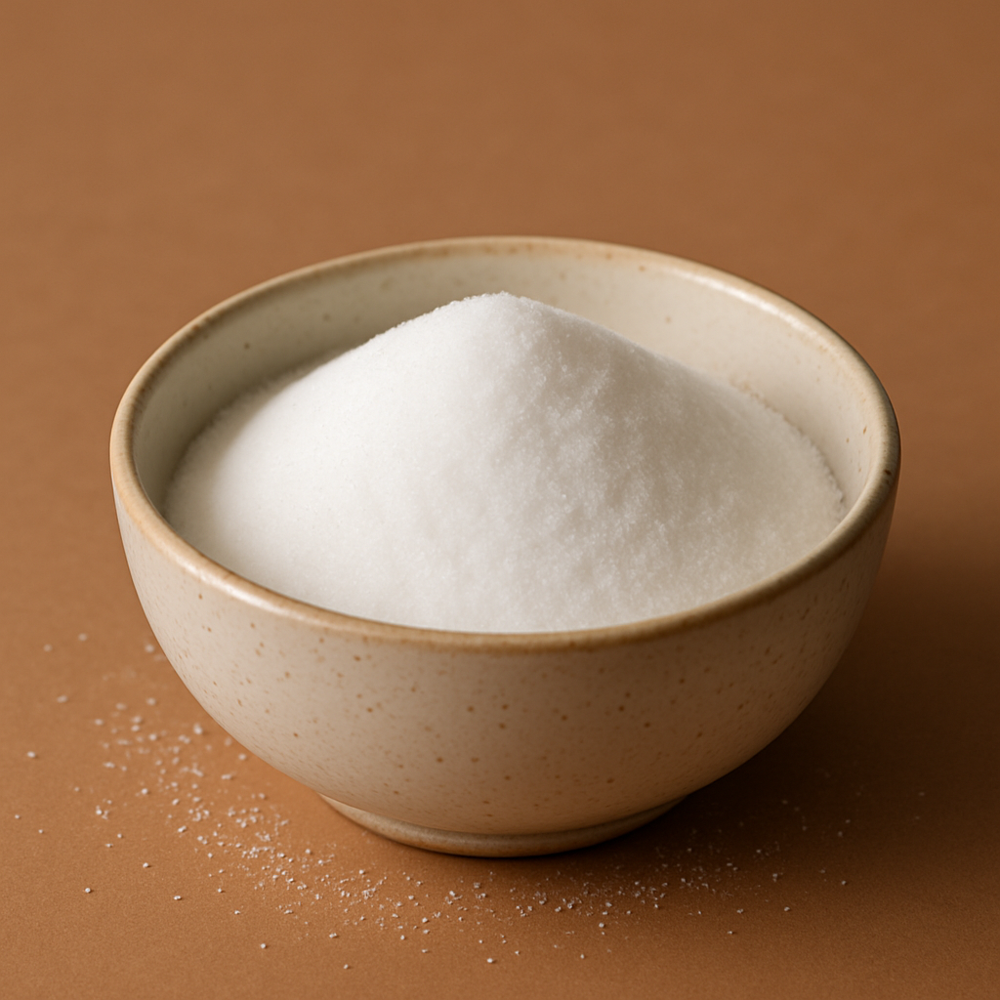
Food-Grade Fumaric Acid: Why Specification Discipline Matters
Food manufacturers frequently use fumaric acid as an industrial acidulant because it delivers strong acidity and has relatively low hygroscopicity compared with some alternative acids. This can be useful in dry mixes, bakery products, confectionery, beverages, and other formulations where moisture management is important.
Current market research indicates that food and beverage applications remain a major demand center for fumaric acid. One 2026 market assessment estimated that food-grade material represented approximately 66% of global fumaric acid market share in 2025, while food and beverage processing represented about 35% of application demand.
For your factory, the important point is not the headline percentage. It is what that demand means operationally: food-grade material is a specification-driven commodity. A supplier must understand that the same chemical name does not automatically mean that every grade is interchangeable.
Before approving a food-grade fumaric acid source, ask for:
- Current CoA for the proposed batch or representative lot
- Product specification sheet
- SDS
- Applicable food-grade compliance documentation
- Country of origin
- Manufacturer name and brand
- Packaging details
- Shelf-life information
- Recommended storage conditions
- Lot or batch identification system
EFSA has also highlighted manufacturing processes, specifications, production organisms, toxicologically relevant impurities, and use levels as relevant areas of data collection for the re-evaluation of fumaric acid E297. That is a useful reminder that technical documentation can become increasingly important as regulatory scrutiny evolves.
Fumaric Acid for Resins, Coatings, and Chemical Manufacturing
Food is only one side of the market.
Fumaric acid is an important feedstock for unsaturated polyester resin (UPR) systems and other industrial formulations. These materials are used in applications such as composite components, tanks, pipes, construction products, coatings, and automotive-related components. Market forecasts continue to identify UPR as a significant growth application for fumaric acid.
For a chemical or resin manufacturer, purchasing priorities may therefore differ from those of a food factory.
Your technical team may care more about:
- Chemical purity
- Reaction consistency
- Impurity profile
- Particle-size distribution
- Storage stability
- Batch-to-batch reproducibility
- Compatibility with the formulation
- Bulk availability
- Delivery continuity
This is where selecting the correct chemical raw materials supplier becomes particularly important. A low-cost material that creates variability in your downstream reaction can be substantially more expensive than a slightly higher-priced product that performs consistently.
Supplier vs. Manufacturer: What Should Turkish Buyers Actually Evaluate?
Searches for a Fumaric Acid Supplier and Manufacturer in Türkiye can create a misleading impression that every company described as a supplier is necessarily the original manufacturer.
These roles are different.
A manufacturer controls production and typically provides direct information about manufacturing specifications, capacity, quality systems, and origin. A supplier or distributor may source material from one or several established producers and provide customers with access to different brands, quantities, logistics solutions, and commercial alternatives.
Neither model is automatically better.
For many factories, a multi-brand supplier such as MT Royal can actually offer an advantage because procurement teams can compare suitable brands according to price, specification, availability, and application rather than depending on one manufacturer’s production schedule.
The critical question is therefore not simply, “Are you the manufacturer?”
It is:
“Can you consistently supply the exact grade my production process requires, with reliable documentation and commercially sustainable delivery?”
That question separates strategic sourcing from simple price shopping.
Common Mistakes When Buying Fumaric Acid
Industrial buyers often make predictable sourcing mistakes, particularly when the product appears to be a straightforward commodity.
Choosing the cheapest quotation
A lower price can be attractive, but the real calculation should include freight, handling, storage, quality testing, rejected batches, production interruptions, and inventory requirements.
The cheapest kilogram is not necessarily the cheapest usable kilogram.
Treating all grades as interchangeable
Industrial-grade, food-grade, and application-specific materials should not be treated as identical simply because they carry the same chemical name.
Ignoring particle size
Fumaric acid powder may behave differently depending on particle characteristics. Mixing speed, dispersion, dissolution, dust formation, and feeding behavior can all be affected.
Buying without checking the CoA
A specification sheet tells you what the product should meet. A Certificate of Analysis tells you what a particular batch was reported to meet.
For serious production environments, both have a place.
Focusing only on today’s stock
A supplier with material available today may not be able to support your requirements six months from now. Procurement should examine future availability, lead times, minimum order quantities, and replenishment cycles.
Neglecting storage
Fumaric acid should be stored according to the supplier’s technical and safety recommendations, with appropriate protection from contamination and unsuitable environmental conditions. Poor warehouse discipline can undermine even excellent raw material.
How MT Royal Can Fit Into a Professional Sourcing Strategy
MT Royal can be considered when your objective is to source fumaric acid through a supplier capable of presenting multiple brands and competitive commercial options.
That multi-brand approach can be useful when your factory has more than one approved formulation or when procurement needs a qualified alternative to an existing source.
In our collaboration with various factories, we have seen that the strongest purchasing decisions usually begin with a technical specification and only then move toward price negotiation. When procurement starts with “What is your lowest price?” the conversation often becomes unnecessarily narrow.
A better sequence is:
Application → grade → specification → approved brands → quantity → logistics → price → long-term supply agreement
This approach gives your procurement team a clearer basis for comparing quotations from MT Royal or other qualified suppliers.
Specialized Tips for High-Volume Manufacturers
Large factories should think beyond individual purchase orders.
1. Establish an approved-brand matrix
If your formulation allows more than one qualified brand, document the acceptable alternatives. This gives procurement flexibility during supply disruptions.
2. Separate technical approval from commercial negotiation
Your laboratory or quality department should first determine whether the material is suitable. Procurement can then negotiate the commercial package among technically approved options.
This prevents the classic industrial dilemma where a “great deal” becomes a very expensive lesson.
3. Calculate total landed cost
For imported or regionally sourced material, compare:
Product price + freight + insurance + customs-related costs + handling + warehousing + financing cost + quality-control cost
The result is a much more meaningful purchasing benchmark.
4. Consider safety stock according to lead-time volatility
A stable supplier with predictable delivery may justify a smaller buffer than a supplier whose lead times fluctuate. Inventory should reflect risk, not simply habit.
5. Qualify alternatives before you need them
Do not wait for a supply disruption to discover that your second source does not meet your formulation requirements.
A controlled qualification program can prevent emergency purchasing, especially for factories operating continuously.
Market Trends Manufacturers Should Watch
The fumaric acid market is not static. Recent estimates vary depending on methodology, but they consistently point toward continued market expansion. IMARC estimates the global market reached about USD 839.5 million in 2025 and projects approximately USD 1.18 billion by 2034, while another 2026 market assessment projects a somewhat different trajectory. The variation between research firms is a useful reminder to treat market forecasts as directional indicators rather than absolute numbers.
Several structural trends are worth watching.
First, processed food demand continues to support food-grade acidulant consumption. Second, resin and composite applications remain important, particularly where construction, automotive, infrastructure, and lightweight materials are expanding. Third, sustainability pressures are encouraging greater attention to production routes and renewable feedstocks.
There is also increasing interest in bio-based fumaric acid production. Conventional production is largely associated with chemical synthesis, while fermentation-based approaches using microorganisms such as Rhizopus are being researched as alternatives. Commercial economics, yield, productivity, and downstream recovery remain important challenges for wider adoption.
For Turkish manufacturers, these developments matter because sourcing decisions made today can influence which brands, production routes, and documentation systems are available to your factory tomorrow.
Frequently Asked Questions About Fumaric Acid Suppliers in Türkiye
What is fumaric acid mainly used for?
Its major applications include food and beverage acidulation, acidity regulation, unsaturated polyester resins, coatings, chemical formulations, feed applications, and pharmaceutical-related uses.
Is fumaric acid the same as citric acid?
No. Both can provide acidity, but they have different chemical properties, sensory profiles, solubility characteristics, and formulation behavior. Substitution should be evaluated technically rather than assumed.
What does E297 mean?
E297 is the European food additive designation for fumaric acid. Food manufacturers should still verify the permitted use and applicable limits for their specific product and market.
What documents should I request from a supplier?
At minimum, request a current product specification, CoA, SDS, manufacturer/brand information, packaging details, and relevant regulatory or food-grade documentation where applicable.
Should I buy directly from a manufacturer or through a supplier?
It depends on your volume, technical requirements, flexibility needs, and logistics model. Direct purchasing can be advantageous for very large and stable volumes, while a multi-brand supplier such as MT Royal may provide greater flexibility when you want to compare brands or maintain alternative supply options.
How should I compare two fumaric acid quotations?
Do not compare price alone. Compare grade, purity, particle size, brand, packaging, origin, documentation, minimum order quantity, lead time, freight, payment terms, and supply reliability.
Can one fumaric acid grade be used for every application?
Not necessarily. Your application, regulatory obligations, process conditions, and internal quality specifications determine whether a particular grade is appropriate.
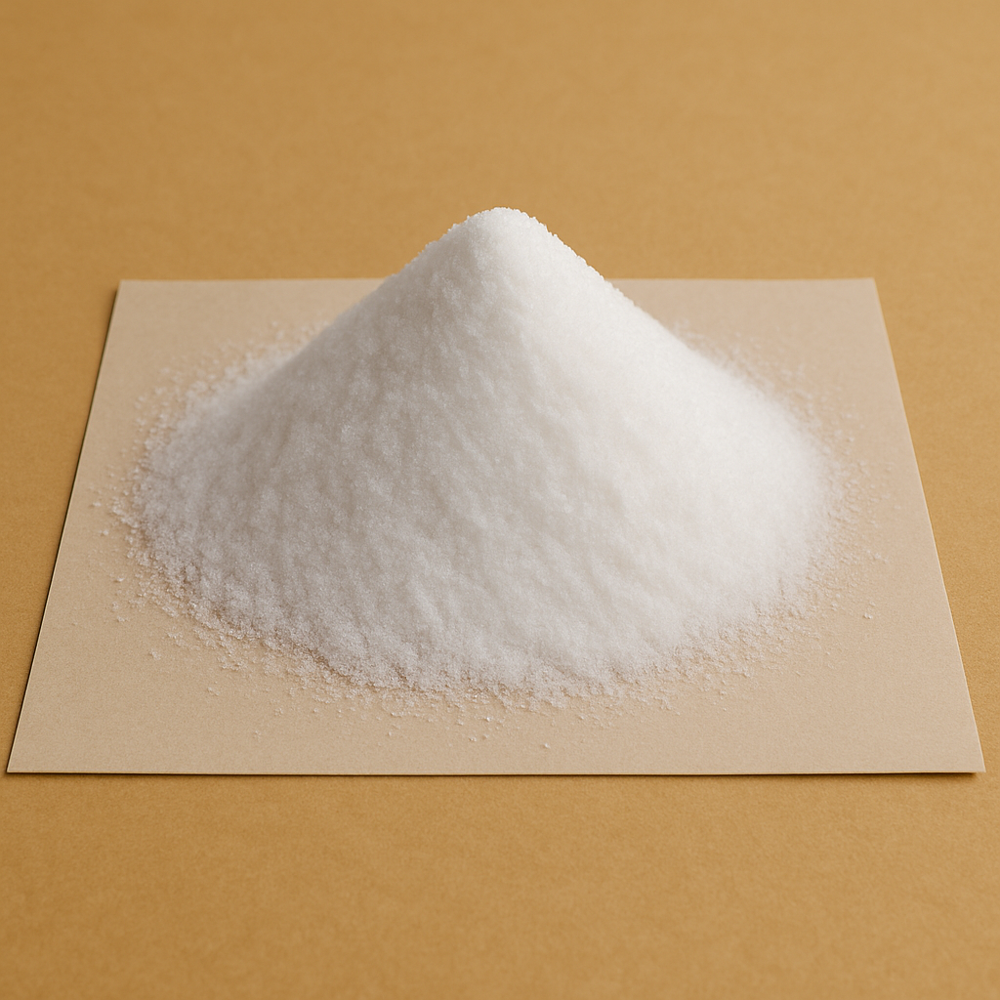
Choosing the Right Fumaric Acid Supplier and Manufacturer in Türkiye
The strongest sourcing strategy is rarely about finding one supplier and stopping there. It is about building a supply structure that gives your factory quality assurance, commercial competitiveness, technical confidence, and continuity.
Türkiye’s position between European, Asian, and Middle Eastern markets makes regional sourcing particularly relevant for manufacturers that need a balance between product availability and logistics efficiency. But geography alone does not guarantee a good supply relationship.
Your ideal Fumaric Acid Supplier and Manufacturer in Türkiye should be able to answer practical questions clearly: Which brand is being offered? What grade is it? What does the CoA show? Where was it produced? How is it packed? What quantity can be supplied regularly? What happens if demand suddenly increases? Is there an approved alternative?
MT Royal can be part of that evaluation by giving procurement teams access to multiple brands and competitive pricing while allowing the buyer to match the material to the actual manufacturing requirement.
The best chemical sourcing decisions are built before the purchase order is issued. When specifications are precise, alternatives are qualified, documentation is complete, and supply risks are understood, fumaric acid stops being a vulnerable line on the procurement spreadsheet and becomes what it should be: a predictable, controlled input to your production system.
For a factory, that predictability has a measurable value. It protects production schedules, reduces avoidable quality problems, strengthens purchasing leverage, and gives your team room to focus on manufacturing rather than chasing the next shipment.

No comment