

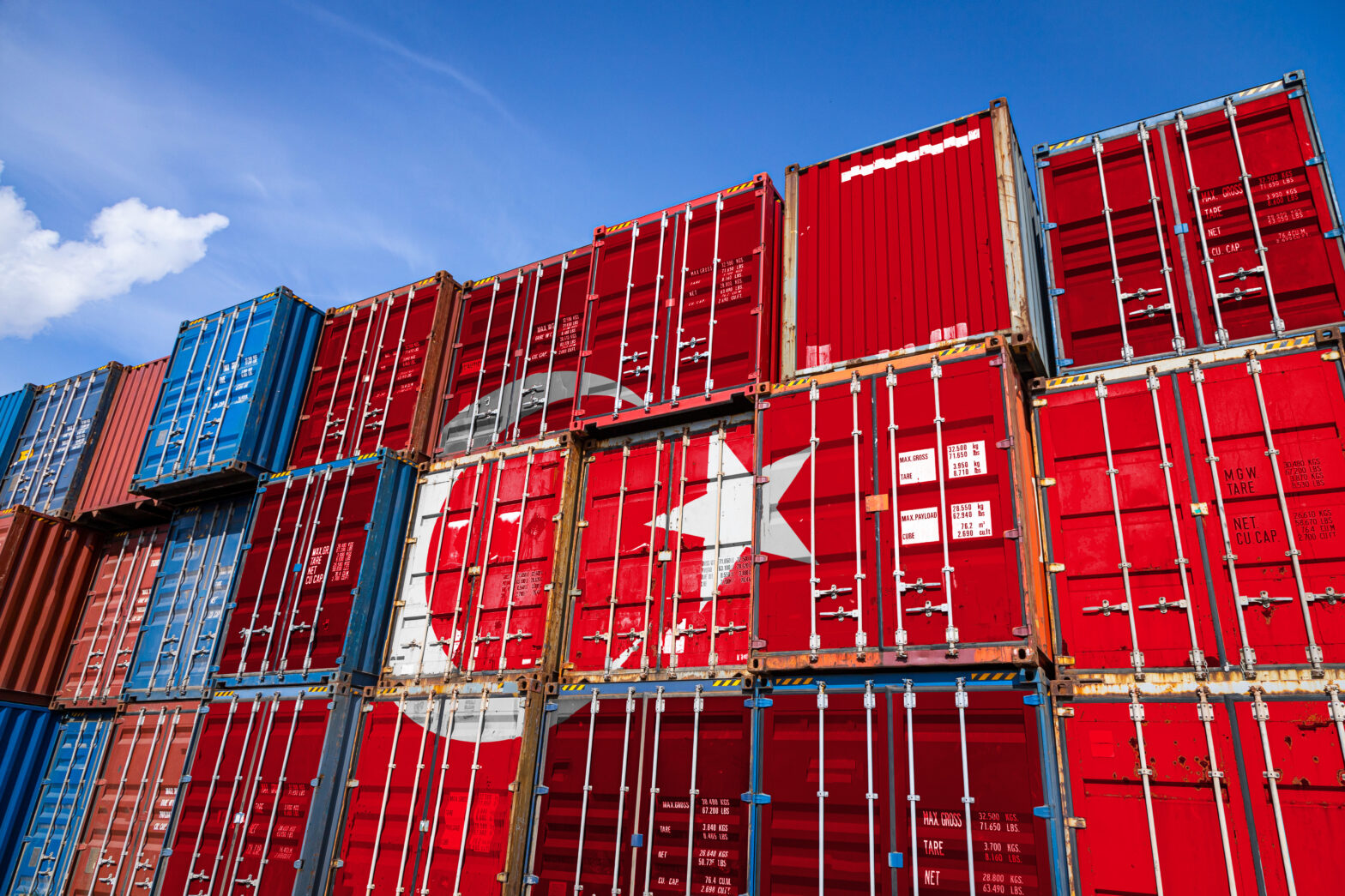
For factories operating in the competitive food industry, the quality and reliability of raw material sourcing directly influence production efficiency, product consistency, and customer satisfaction. Choosing the right supplier for the Import and export of food raw materials from TÜRKİYE can help manufacturers access high-quality ingredients, competitive pricing, and a stable supply chain. Companies working with experienced sourcing partners such as MT Royal can evaluate multiple brands, compare technical specifications, and select suitable food raw materials based on production requirements rather than simply focusing on the lowest price.
Türkiye has become one of the most important trading hubs for food ingredients due to its agricultural strength, strategic location, advanced processing capabilities, and connection between European, Asian, and Middle Eastern markets. From natural ingredients such as dried fruits and spices to industrial food additives, starches, preservatives, and functional ingredients, Turkish suppliers support thousands of manufacturers worldwide.
However, international sourcing is not only about purchasing products. Successful import and export operations require careful supplier evaluation, knowledge of regulations, proper documentation, logistics planning, and quality control systems. A factory that understands these elements can transform raw material purchasing from a simple transaction into a long-term competitive advantage.
In our experience working with different industrial buyers, we have seen that many production issues are not caused by machinery or workforce problems but by inconsistent raw material supply. A missing ingredient, delayed shipment, or incorrect specification can interrupt an entire production line. In manufacturing, even a small raw material can sometimes behave like the tiny gear that keeps a large machine moving.
LATAMARKO LM60 – Premium Spanish-Origin Cocoa Powder
latamarko alkalized cocoa powder lm60
cocoa powder for chocolate production-Best price
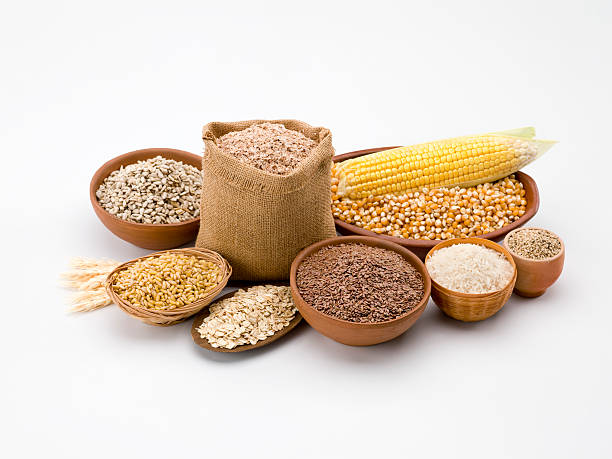
Food industry raw materials – list of products
Understanding the Import and Export of Food Raw Materials from TÜRKİYE
The Import and export of food raw materials from TÜRKİYE refers to the international purchasing, selling, and distribution of agricultural products, processed food ingredients, and industrial food components through Turkish suppliers and manufacturers.
Türkiye’s food raw material market covers a wide range of categories, including natural agricultural products, food additives, functional ingredients, and processing materials. These products serve industries such as bakery, beverages, confectionery, dairy, frozen foods, nutritional products, and processed foods.
For international manufacturers, Türkiye offers an attractive combination of traditional agricultural resources and modern industrial production. The country is not only a producer of raw agricultural materials but also a growing center for food ingredient processing and export activities.
The main categories involved in this market include:
Natural Agricultural Food Ingredients
Türkiye has a strong reputation for agricultural products due to its climate diversity and extensive farming areas. Many international food companies source Turkish agricultural ingredients because they combine natural quality with competitive commercial advantages.
Important exported categories include dried fruits, nuts, herbs, spices, olive-based products, grains, and fruit-derived ingredients. These materials are widely used in snack production, bakery manufacturing, beverage formulation, and health food industries.
Processed Food Ingredients
Beyond agricultural commodities, Türkiye has developed advanced food processing industries capable of producing specialized ingredients for industrial applications.
These products include modified starches, food powders, extracts, sweeteners, stabilizers, emulsifiers, and preservation solutions. Such ingredients help manufacturers improve texture, shelf life, stability, and overall product performance.
Food Additives and Functional Materials
Modern food production requires precise technical ingredients that improve manufacturing efficiency. Food additives from Türkiye are increasingly used by factories looking for reliable alternatives in global supply chains.
These materials may include preservatives, acidity regulators, antioxidants, thickening agents, and other functional ingredients designed for specific production needs.
Why Global Manufacturers Choose Türkiye for Food Raw Material Supply
The growing demand for Turkish food ingredients is not accidental. Several economic and industrial advantages have positioned Türkiye as an important supplier in international markets.
Strategic Geographic Advantage
Türkiye’s location provides direct access to several major trade regions. Its transportation connections through ports, highways, and international logistics networks allow manufacturers to receive products efficiently.
For factories located in Europe, the Middle East, North Africa, and Central Asia, sourcing from Türkiye can reduce transportation complexity compared with suppliers located farther away.
This geographical advantage becomes especially valuable for companies managing frequent shipments and requiring predictable delivery schedules.
Diverse Agricultural Resources
Türkiye benefits from a wide range of agricultural conditions, allowing the production of different crops and food materials throughout the year.
The country is recognized globally for products such as:
- Dried fruits
- Hazelnuts
- Olive products
- Spices
- Wheat-based ingredients
- Pulses
This diversity allows buyers to source multiple categories from one region instead of managing many separate suppliers across different countries.
Competitive Manufacturing Environment
Another important factor is Türkiye’s ability to combine manufacturing capacity with competitive pricing. Many Turkish producers have invested in modern processing facilities, international certifications, and export-oriented production systems.
For procurement teams, this means they can often achieve a balance between cost efficiency and acceptable quality standards.
Key Considerations When Importing Food Raw Materials from Türkiye
Successful international purchasing requires more than selecting a supplier and placing an order. Professional manufacturers evaluate several technical and commercial factors before establishing cooperation.
Supplier Evaluation and Verification
Choosing the right supplier is one of the most important steps in international sourcing. A factory should carefully review the supplier’s production capabilities, export history, quality systems, and customer experience.
A reliable supplier should be able to provide clear information about product specifications, manufacturing processes, and compliance documentation. Transparency is often a better indicator of reliability than attractive pricing alone.
MT Royal helps industrial buyers access different brands and sourcing options, allowing companies to compare products according to their technical needs, market requirements, and cost expectations.
Quality Documentation and Compliance
Food raw materials require strict documentation because they directly influence consumer products. Missing or incomplete documents can create delays during customs procedures or internal quality approval.
Professional suppliers normally provide:
Certificate of Analysis (COA):
This document confirms the quality characteristics of each production batch. It usually includes information about purity, physical properties, microbiological parameters, and other technical specifications required by manufacturers.
For large factories, COA verification is essential because production formulas depend on consistent raw material performance.
Material Safety Data Sheet (MSDS):
MSDS provides important safety information related to handling, storage, transportation, and potential risks associated with a product.
This document helps factory teams, warehouse managers, and logistics providers manage materials safely according to industrial standards.
Origin and Compliance Certificates:
These documents confirm product origin and demonstrate compliance with applicable food regulations. They are particularly important for companies importing materials into highly regulated markets.
Common Mistakes in Food Raw Material Sourcing
Many manufacturers experience unnecessary costs because of avoidable purchasing mistakes. Understanding these challenges can help factories build stronger supply strategies.
Selecting Suppliers Only Based on Price
One of the most common mistakes is choosing the cheapest quotation without evaluating long-term consequences.
A lower purchase price may appear attractive, but poor quality consistency, delayed delivery, or inadequate documentation can create much higher costs later.
Professional procurement teams consider the complete supply value, including reliability, technical support, quality stability, and communication efficiency.
Ignoring Product Specifications
Every food factory has unique production requirements. A raw material that works perfectly for one manufacturer may not be suitable for another.
Factors such as particle size, moisture level, purity, functionality, and processing compatibility must be evaluated before purchasing.
A small difference in specification can affect product texture, appearance, shelf life, and production efficiency.
Weak Logistics Planning
International food ingredient sourcing requires careful transportation management. Even high-quality materials can face problems if shipping conditions are inappropriate.
Factories should consider:
- Delivery schedules
- Packaging protection
- Storage requirements
- Customs procedures
Strong logistics planning prevents unexpected interruptions and keeps production schedules stable.
Industrial Tips for Large-Scale Food Manufacturers
Large factories require a more strategic approach because they consume significant volumes of raw materials and cannot afford frequent disruptions.
Develop Long-Term Supplier Relationships
Building stable relationships with suppliers can create important advantages over time. Reliable cooperation often improves communication, forecasting, and problem-solving.
Long-term partnerships may also help manufacturers receive better commercial conditions and priority support during market fluctuations.
Maintain Backup Supply Options
Even experienced suppliers can face unexpected challenges, including transportation problems or market shortages.
Professional factories usually maintain alternative sourcing options to protect production continuity.
Perform Product Testing Before Large Orders
Before committing to high-volume purchases, manufacturers should evaluate samples through laboratory testing and pilot production trials.
This process confirms whether the material performs correctly within the factory’s specific formulation.
Türkiye Compared with Other Food Raw Material Markets
When comparing Türkiye with other sourcing regions, manufacturers should consider both advantages and limitations.
Türkiye offers strong benefits through agricultural diversity, competitive pricing, geographic accessibility, and experienced exporters.
However, buyers should still carefully manage factors such as regulatory differences, currency changes, supplier verification, and international logistics requirements.
The best sourcing decision is not based on choosing one country automatically. It is based on selecting the supplier and market that provide the best combination of quality, reliability, and commercial value.
The Future of Food Raw Material Trade from Türkiye
Global food manufacturing is changing rapidly. Consumers are increasingly demanding cleaner labels, natural ingredients, sustainable production, and functional nutrition.
These trends are influencing the Import and export of food raw materials from TÜRKİYE as suppliers adapt their production capabilities to international expectations.
Growing areas include:
- Natural food ingredients
- Plant-based materials
- Sustainable agricultural products
- Functional food components
- Advanced processing technologies
Manufacturers that build strong sourcing networks today will be better prepared for future market changes.
Frequently Asked Questions About Import and Export of Food Raw Materials from TÜRKİYE
Why is Türkiye important in the global food raw material market?
Türkiye is important because it combines strong agricultural production, modern processing facilities, competitive costs, and a strategic location connecting several international markets.
What food raw materials can manufacturers import from Türkiye?
Manufacturers can source a wide range of products, including dried fruits, spices, starches, food additives, plant-based ingredients, grains, and processed food materials.
How can a factory choose a reliable Turkish supplier?
Factories should evaluate supplier experience, certifications, production capacity, documentation quality, and previous export performance before making purchasing decisions.
Does importing food raw materials from Türkiye reduce costs?
In many cases, Türkiye offers competitive pricing due to production capacity and geographic advantages. However, total cost should include quality, logistics, and reliability factors.
What role does MT Royal play in sourcing?
MT Royal supports industrial buyers by providing access to multiple brands and competitive pricing options while helping companies identify suitable materials for their production needs.

Building a Smarter Future Through Reliable Sourcing
The success of a food manufacturing company depends not only on technology, equipment, and workforce but also on the quality of materials entering the production process. The Import and export of food raw materials from TÜRKİYE creates valuable opportunities for factories seeking reliable ingredients, competitive supply solutions, and international sourcing flexibility.
The strongest manufacturers understand that raw material purchasing is not simply a buying decision. It is a strategic investment in product quality, operational stability, and future growth.
With careful supplier selection, proper quality control, and experienced sourcing partners such as MT Royal, factories can build supply chains that remain strong even in changing global markets. The right ingredient at the right time does more than complete a formula; it supports the entire production system behind every successful product.


No comment