

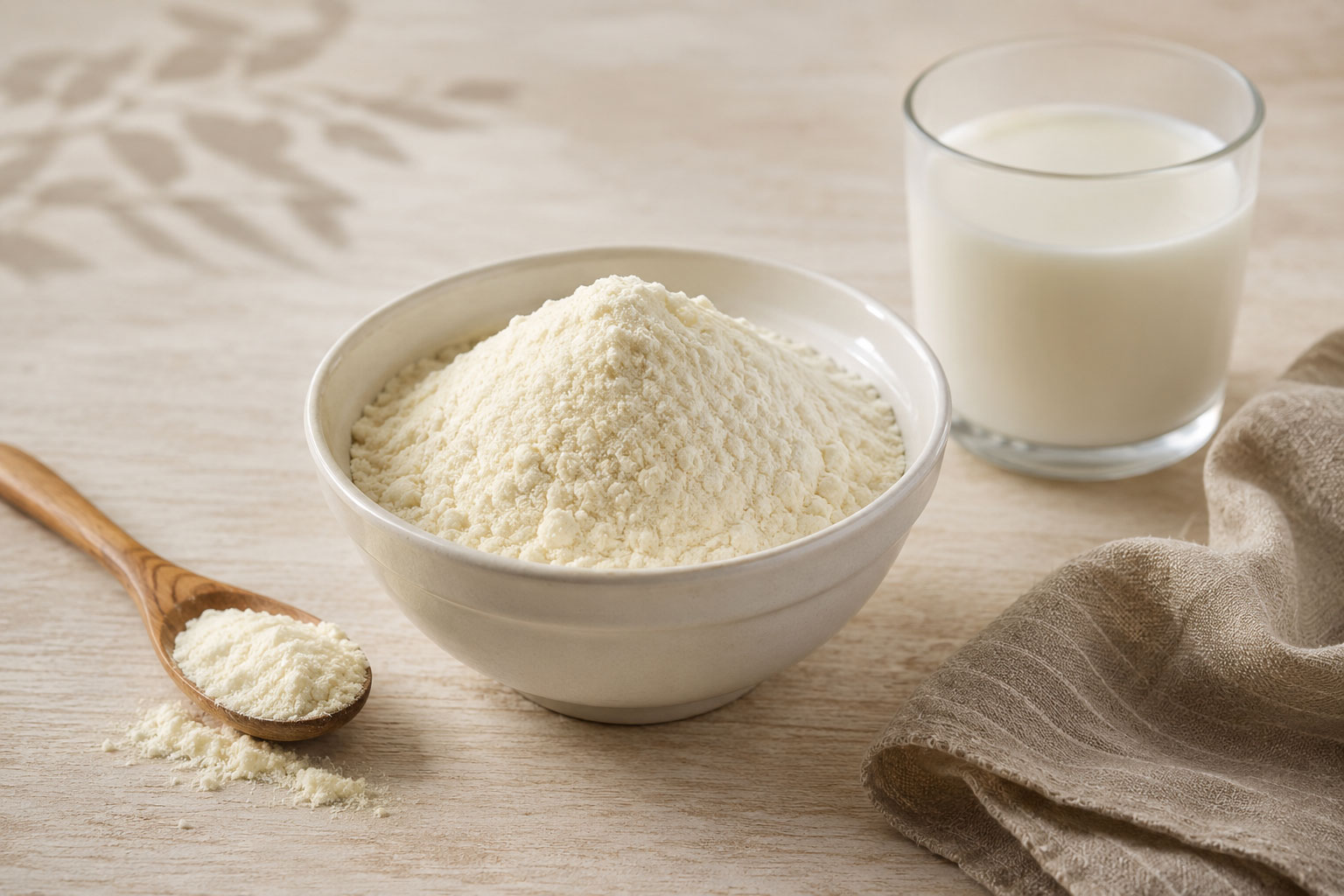
For food manufacturers, selecting the right protein ingredient can directly influence product quality, production efficiency, nutritional value, and market competitiveness. In industries where consumers increasingly demand high-protein foods, clean-label products, and better nutritional performance, choosing reliable ingredients has become a strategic decision rather than a simple purchasing activity. This is why many factories are turning to Milk protein concentrates for the food industry as a versatile solution for developing advanced dairy and nutritional products.
MT Royal helps manufacturers access multiple brands and competitive sourcing options, allowing food companies to evaluate suitable protein ingredients according to technical requirements, quality expectations, and cost objectives. For factories producing dairy products, sports nutrition, beverages, bakery items, and functional foods, the right milk protein concentrate supplier can improve consistency while supporting large-scale production goals.
Milk protein concentrates have become one of the most important dairy ingredients in modern food manufacturing because they provide a balanced combination of protein quality, functionality, and consumer appeal. Understanding their characteristics and industrial applications allows manufacturers to make smarter sourcing decisions and create products that meet evolving market demands.
What Are Milk Protein Concentrates?
Milk protein concentrates (MPCs) are dairy ingredients produced by concentrating the natural proteins found in milk while maintaining a balanced ratio of casein and whey proteins. They are typically manufactured through advanced filtration technologies such as ultrafiltration, which separates and concentrates milk components while preserving nutritional properties.
Unlike some traditional dairy powders, milk protein concentrates are designed specifically to provide high protein content with controlled functionality.
Depending on the protein concentration level, MPC products can contain different percentages of protein, commonly ranging from moderate levels to highly concentrated forms.
The main components include:
- Casein proteins: These slow-digesting proteins provide excellent nutritional value and contribute to texture, stability, and body in many food applications.
- Whey proteins: These fast-digesting proteins support nutritional performance and improve amino acid profiles in finished products.
- Milk minerals and lactose: These natural components influence taste, functionality, and processing characteristics.
For manufacturers, this balanced composition makes MPCs suitable for products requiring both nutritional benefits and technical performance.
LATAMARKO LM60 – Premium Spanish-Origin Cocoa Powder
latamarko alkalized cocoa powder lm60
cocoa powder for chocolate production-Best price
Food industry raw materials – list of products
Why Are Milk Protein Concentrates Important for the Food Industry?
The demand for high-protein products has grown significantly worldwide. Consumers are no longer interested only in basic nutrition; they increasingly look for foods that support active lifestyles, healthy aging, and convenient nutrition.
Milk protein concentrates help manufacturers respond to these trends by providing:
- High nutritional value: MPCs offer complete dairy protein containing essential amino acids needed for high-quality nutrition.
- Product formulation flexibility: Manufacturers can use MPCs across different categories, from beverages to snacks and dairy products.
- Improved product texture: Milk proteins contribute to better mouthfeel, creaminess, and structure.
- Clean-label advantages: Dairy-based proteins are often perceived as natural ingredients by consumers.
The ingredient has become a key building block for companies developing premium food products.
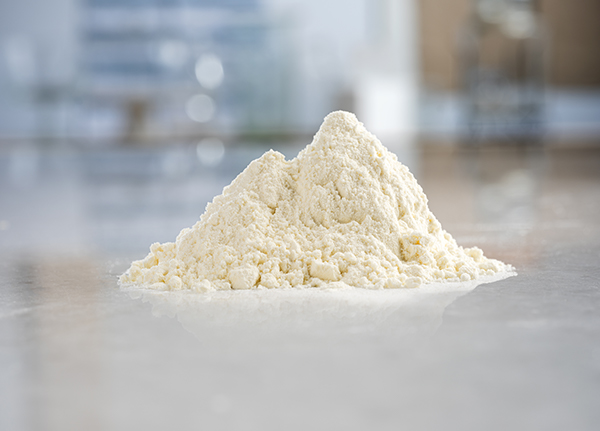
Main Applications of Milk Protein Concentrates in Food Manufacturing
The versatility of MPC makes it valuable across multiple industries.
High-Protein Beverages
Protein drinks represent one of the fastest-growing applications for milk protein concentrates.
Manufacturers use MPCs because they provide:
- Smooth texture
- Balanced protein nutrition
- Good solubility
- Dairy-based consumer appeal
However, beverage formulation requires careful ingredient selection because protein behavior can change depending on acidity, temperature, and processing conditions.
Dairy Products
Milk protein concentrates are widely used in:
- Yogurt
- Cheese products
- Dairy desserts
- Fermented dairy foods
They help improve protein content while supporting consistency and stability during production.
Sports Nutrition Products
The sports nutrition market has created strong demand for high-quality protein ingredients.
MPCs are attractive because they combine casein and whey proteins, providing both immediate and sustained amino acid availability.
Bakery and Snack Products
Manufacturers increasingly add protein ingredients to baked goods and snacks to create products with higher nutritional value.
MPCs can support:
- Protein enrichment
- Improved structure
- Enhanced consumer positioning
Advantages of Using Milk Protein Concentrates
For industrial manufacturers, ingredient selection must consider both technical and commercial benefits.
Better Protein Efficiency
Milk protein concentrates allow manufacturers to increase protein content without adding excessive volumes of ingredients.
This helps create products with improved nutritional profiles while maintaining acceptable texture and taste.
Functional Performance
MPCs provide important functional properties, including:
- Water binding capability, which helps maintain moisture and improve product stability.
- Emulsification properties, which support consistent mixtures in beverages and processed foods.
- Texture improvement, which enhances consumer experience.
Supply Chain Advantages
Reliable MPC sourcing helps manufacturers maintain stable production schedules.
Working with experienced suppliers such as MT Royal allows companies to compare multiple brands and select options based on availability, specifications, and pricing.
Common Mistakes When Sourcing Milk Protein Concentrates
Ingredient purchasing decisions can have long-term effects on production performance.
Choosing Only Based on Price
The lowest-cost ingredient may create unexpected problems.
Manufacturers should also evaluate:
- Protein quality
- Solubility performance
- Supplier reliability
- Documentation
- Batch consistency
A cheaper ingredient that causes production problems is rarely a true saving.
Ignoring Technical Specifications
Different MPC products are designed for different applications.
Buyers should consider:
- Protein percentage
- Mineral content
- Solubility requirements
- Heat stability
- Application compatibility
Not Testing Before Large Orders
Large-scale production requires validation.
Pilot testing helps identify potential challenges before full manufacturing begins.
Depending on a Single Supplier
Supply interruptions can affect production schedules.
Maintaining alternative sourcing options improves resilience and reduces operational risk.
Specialized Tips for Large-Scale Food Manufacturers
Large factories require a structured approach when purchasing milk protein concentrates.
Evaluate Supplier Quality Systems
Manufacturers should review:
- Production standards
- Quality control procedures
- Traceability systems
- Certification documentation
A reliable supplier should provide transparent information throughout the supply chain.
Match Protein Ingredients With Production Technology
Different manufacturing processes require different ingredient characteristics.
For example, a beverage manufacturer may prioritize solubility and heat stability, while a dairy producer may focus more on texture and water-binding properties.
Monitor Market Trends
Global dairy ingredient markets can experience changes due to milk supply, transportation costs, and consumer demand.
Professional procurement teams should monitor:
- Dairy commodity prices
- Production capacity
- Regional availability
- Market demand
In our collaboration with various factories, we have seen that companies achieve better results when ingredient sourcing is connected directly to production planning rather than handled as a simple purchasing transaction.
Comparing Milk Protein Concentrates With Other Protein Ingredients
Food manufacturers often compare MPCs with other protein sources.
Milk Protein Concentrates vs Whey Protein
Whey protein provides excellent nutritional quality and fast digestion, but MPC offers a broader dairy protein profile because it contains both casein and whey fractions.
Milk Protein Concentrates vs Plant Proteins
Plant proteins can support vegan product development, while MPCs provide dairy-based functionality, taste familiarity, and complete amino acid profiles.
Milk Protein Concentrates vs Traditional Milk Powder
Milk powder contains more components of whole milk, while MPCs are specifically designed for higher protein concentration and targeted functionality.
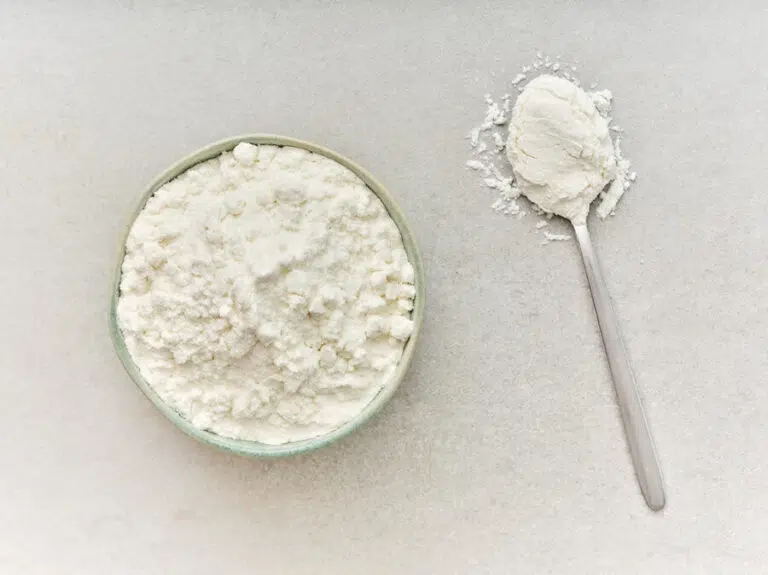
Emerging Trends in Milk Protein Ingredient Markets
The future of dairy ingredients is influenced by changing consumer expectations.
Important trends include:
- High-protein product growth: More consumers are seeking protein-enriched foods for fitness, wellness, and healthy aging.
- Functional nutrition: Manufacturers are developing products that provide benefits beyond basic nutrition.
- Premium food development: Brands are investing in better ingredients to differentiate products.
- Supply chain optimization: Companies are focusing on reliable suppliers and efficient sourcing strategies.
These trends continue increasing the importance of high-quality milk protein concentrates.
Frequently Asked Questions About Milk Protein Concentrates for the Food Industry
Why are milk protein concentrates popular among food manufacturers?
MPCs provide high-quality dairy protein, strong functionality, and flexibility across many food applications, making them suitable for modern product development.
Are milk protein concentrates suitable for beverages?
Yes. Many beverage manufacturers use MPCs because they provide nutritional value and support smooth texture when properly formulated.
How should factories choose an MPC supplier?
Factories should evaluate product specifications, quality systems, technical support, delivery reliability, and pricing rather than focusing only on cost.
Can MPCs improve the nutritional profile of food products?
Yes. Adding MPCs can increase protein content and improve the overall nutritional positioning of finished products.
What factors affect MPC performance?
Processing conditions, formulation design, protein concentration, storage conditions, and product application all influence MPC performance.
The future of food manufacturing belongs to companies that understand the connection between ingredients and consumer expectations. Milk protein concentrates for the food industry provide manufacturers with an opportunity to create higher-quality, protein-rich products while improving formulation flexibility and production efficiency.
By selecting reliable suppliers, evaluating technical requirements, and building long-term sourcing strategies, factories can transform protein ingredients from a basic component into a competitive advantage. With access to multiple brands and cost-effective sourcing solutions through partners like MT Royal, manufacturers can build stronger supply chains prepared for the next generation of food innovation.



No comment