


Choosing the right fat ingredient is one of the most important decisions for manufacturers producing chocolate, confectionery, bakery products, dairy alternatives, and other food applications. When factories require consistent quality, reliable supply, and cost-effective solutions, sourcing Cargill specialty fats in bulk becomes a strategic consideration rather than a simple purchasing decision. MT Royal helps industrial buyers access different brands and specialty fat solutions with competitive pricing options, allowing manufacturers to select products based on technical requirements and production goals.
In modern food manufacturing, fats are not simply ingredients that add richness or texture. They influence melting behavior, stability, appearance, processing efficiency, and consumer satisfaction. A small difference in fat functionality can determine whether a product performs perfectly on a high-speed production line or creates unexpected challenges during manufacturing.
For industrial producers, the challenge is not only finding a fat supplier. The real challenge is choosing a solution that matches the factory’s equipment, formulation needs, market expectations, and long-term supply strategy. A reliable specialty fat partner helps manufacturers reduce production risks while maintaining consistent product quality.
This guide explains the role of specialty fats, the benefits of bulk purchasing, important sourcing considerations, and practical advice for factories evaluating Cargill specialty fats and similar industrial solutions.
What Are Specialty Fats and Why Do Manufacturers Use Them?
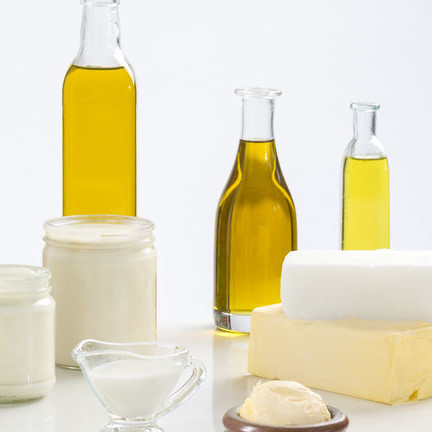
Specialty fats are functional fat ingredients designed to provide specific performance characteristics that standard vegetable oils and fats cannot always achieve. They are engineered to control properties such as melting point, crystallization behavior, texture, and stability.
Unlike general-purpose fats, specialty fats are developed for specific food applications. They help manufacturers create products with predictable performance under different production and storage conditions.
Common applications include:
- Chocolate and compound coatings
- Confectionery products
- Bakery fillings
- Creams and spreads
- Ice cream applications
- Dairy alternatives
- Nutritional products
The increasing demand for high-quality processed foods has made specialty fats an essential category within industrial food ingredients.
LATAMARKO LM60 – Premium Spanish-Origin Cocoa Powder
latamarko alkalized cocoa powder lm60
cocoa powder for chocolate production-Best price
Food industry raw materials – list of products
Understanding Cargill Specialty Fats in Bulk
Cargill is recognized globally as a major supplier of agricultural and food ingredient solutions. For manufacturers purchasing at industrial scale, Cargill specialty fats in bulk represent an option for accessing consistent fat systems designed for professional food production.
Bulk purchasing is especially important for factories because production schedules depend on stable ingredient availability. A manufacturer producing several tons of chocolate coating or bakery filling cannot rely on inconsistent supply or frequent formulation changes.
Bulk specialty fats provide advantages such as:
- Better supply planning
- More consistent production batches
- Reduced packaging waste
- Improved inventory management
- More predictable procurement costs
However, choosing the correct specialty fat requires technical evaluation. The most suitable product depends on the application, processing conditions, and desired final characteristics.
Key Applications of Specialty Fats in Food Manufacturing
Different industries use specialty fats for different reasons. Understanding these applications helps manufacturers select the right solution.
Specialty Fats for Chocolate and Confectionery Production
Chocolate manufacturing requires precise control over fat behavior. Cocoa butter has unique properties, but cost fluctuations and supply challenges have encouraged manufacturers to explore alternative fat systems.
Specialty fats are commonly used in:
- Compound chocolate
- Chocolate coatings
- Filled chocolates
- Confectionery centers
- Wafer coatings
The right fat system can improve:
- Melting profile
- Gloss appearance
- Texture
- Processing speed
- Storage stability
For large chocolate factories, fat selection directly affects production efficiency and consumer perception.
Bakery Fat Applications
Bakery manufacturers rely on specialty fats to achieve consistent texture and processing performance.
Applications include:
- Cream fillings
- Cookies
- Pastry products
- Cakes
- Margarine-style products
A suitable bakery fat can improve:
- Dough handling
- Product softness
- Shelf-life performance
- Flavor release

Dairy Alternative and Functional Food Applications
The growth of plant-based foods has increased demand for customized fat systems. Manufacturers need ingredients that provide the sensory experience consumers expect from traditional dairy products.
Specialty fats help create:
- Creamy texture
- Stable emulsions
- Better mouthfeel
- Improved product consistency
Benefits of Buying Specialty Fats in Bulk
For industrial manufacturers, bulk purchasing offers several operational advantages.
Improved Cost Management
Buying larger quantities can help factories achieve better commercial conditions. However, price should always be evaluated together with performance.
A lower-cost fat that creates processing problems may increase overall production expenses.
The better approach is calculating total production value, including:
- Ingredient efficiency
- Processing performance
- Waste reduction
- Product consistency
Production Stability
Factories depend on predictable raw material performance. Bulk supply from reliable channels reduces the risk of production interruptions.
We have seen in our cooperation with manufacturers that companies with structured ingredient sourcing strategies usually experience fewer quality fluctuations and can plan production more efficiently.
Better Inventory Planning
Industrial production requires careful inventory management. Bulk purchasing allows factories to coordinate supply with production schedules and reduce unexpected shortages.
How to Select the Right Specialty Fat Supplier
Choosing among suppliers requires a detailed evaluation process.
Evaluate Technical Compatibility
The first question should always be:
“Does this fat perform correctly in our formulation?”
Important factors include:
- Melting point
- Solid fat content
- Crystallization behavior
- Compatibility with other fats
- Processing temperature requirements
A technically unsuitable ingredient can create problems even if the purchase price looks attractive.
Review Quality Documentation
Professional manufacturers should request:
- Technical data sheets
- Product specifications
- Certificates of analysis
- Quality documentation
- Storage recommendations
Documentation ensures traceability and supports compliance requirements.
Consider Supplier Flexibility
A strong supplier should provide options rather than only one product.
MT Royal works with multiple brands and solutions, helping factories compare alternatives based on technical performance and commercial conditions.
This flexibility is valuable because different products may require different fat systems.
Common Mistakes When Purchasing Specialty Fats
Many sourcing problems occur because manufacturers focus on only one factor.
Mistake 1: Choosing Only Based on Price
Price is important, but it does not represent the complete cost of an ingredient.
A specialty fat should be evaluated based on:
- Performance
- Dosage efficiency
- Production impact
- Final product quality
The cheapest option is not always the most economical solution.
Mistake 2: Ignoring Processing Conditions
Every factory has different equipment and production methods.
A fat system that works well in one facility may require adjustment in another.
Manufacturers should consider:
- Production speed
- Cooling systems
- Mixing equipment
- Storage environment
Mistake 3: Changing Ingredients Without Proper Testing
Replacing a fat ingredient without trials can create unexpected results.
Before full implementation, factories should test:
- Product appearance
- Texture
- Stability
- Processing behavior
Controlled testing prevents expensive production issues.
Practical Comparison of Specialty Fat Solutions
| Fat Type | Main Function | Common Applications |
|---|---|---|
| Cocoa butter alternatives | Cost optimization and texture control | Compound chocolate |
| Confectionery fats | Melting and stability improvement | Candy and coatings |
| Bakery fats | Texture and processing support | Cookies and pastries |
| Specialty vegetable fats | Customized performance | Various food applications |
Industrial Tips for Using Specialty Fats Efficiently
Large-scale manufacturers can improve performance by managing several technical areas.
Maintain Proper Storage Conditions
Specialty fats should be stored according to supplier recommendations.
Important factors include:
- Temperature control
- Protection from contamination
- Proper rotation of inventory
- Packaging integrity
Poor storage can negatively affect fat quality.
Monitor Production Parameters
Factories should regularly evaluate:
- Processing temperature
- Mixing time
- Product consistency
- Finished product quality
Data-based monitoring helps identify problems before they become expensive.
Build Long-Term Supplier Relationships
Ingredient supply is not only a transaction. Strong supplier relationships provide access to technical support, market information, and alternative solutions.
In our experience, manufacturers that communicate regularly with suppliers often achieve better results because ingredient decisions are based on production realities rather than assumptions.
Market Trends Affecting Specialty Fat Demand
The global food industry continues to change, influencing how manufacturers select fat ingredients.
Growing Demand for Premium Products
Consumers increasingly expect better texture, appearance, and sensory experiences. This encourages manufacturers to invest in higher-performance ingredients.
Cost Pressure in Cocoa-Based Products
Fluctuations in cocoa markets have increased interest in alternative fat systems that help manufacturers manage costs while maintaining acceptable quality.
Clean Label and Sustainable Ingredients
Many brands are exploring ingredient solutions that support transparency and sustainability goals.
This trend has increased attention toward responsibly sourced vegetable oils and customized specialty fat systems.
Frequently Asked Questions About Cargill Specialty Fats in Bulk
What are specialty fats used for?
Specialty fats are used to improve texture, stability, melting behavior, and processing performance in products such as chocolate, confectionery, bakery items, and dairy alternatives.
Why do factories buy specialty fats in bulk?
Bulk purchasing helps manufacturers improve supply planning, reduce packaging costs, and maintain consistent production.
Are specialty fats alternatives to cocoa butter?
Some specialty fats can function as cocoa butter alternatives or cocoa butter equivalents depending on application requirements.
How should manufacturers compare specialty fat suppliers?
Factories should evaluate technical performance, documentation, supply reliability, pricing, and supplier support.
Can specialty fats improve production efficiency?
Yes. The correct fat system can improve processing behavior, reduce formulation challenges, and support consistent product quality.
Creating a Stronger Ingredient Strategy for Your Factory
Food manufacturing success depends on careful decisions across every stage of production. Specialty fats may represent only one part of a recipe, but their influence reaches product quality, production efficiency, and market competitiveness.
Choosing Cargill specialty fats in bulk or similar industrial fat solutions requires more than comparing prices. Manufacturers need to understand their production requirements and work with suppliers who can provide suitable options.
MT Royal supports factories by offering access to multiple brands, competitive commercial opportunities, and ingredient solutions designed for different industrial applications.
The right fat ingredient does more than improve a formula. It creates smoother production, stronger consistency, and products that meet customer expectations. In a competitive food market, choosing the correct specialty fat supplier can become one of the decisions that separates efficient manufacturers from those constantly solving avoidable production problems.


No comment