


In today’s highly competitive food manufacturing sector, choosing the right raw material supplier can influence everything from product consistency to production costs and brand reputation. If your factory is searching for reliable Herbal extracts for food industry, working with an experienced supplier such as MT Royal, which offers multiple international brands at competitive prices, can simplify sourcing while improving production efficiency. More importantly, selecting premium botanical ingredients helps manufacturers meet growing consumer demand for cleaner labels, better flavors, and naturally preserved products.
Consumers no longer evaluate food solely by price. They increasingly examine ingredient labels, expecting recognizable components and fewer synthetic additives. For manufacturers, this trend creates both an opportunity and a challenge. Herbal extracts have evolved from niche ingredients into valuable industrial solutions capable of improving flavor, extending shelf life, supporting product innovation, and strengthening market positioning.
LATAMARKO LM60 – Premium Spanish-Origin Cocoa Powder
latamarko alkalized cocoa powder lm60
cocoa powder for chocolate production-Best price
Food industry raw materials – list of products
Types of Gelatin from Turkish Manufacturer
Understanding Herbal Extracts for Food Industry
Herbal extracts are concentrated compounds obtained from plants through carefully controlled extraction processes. Depending on the production method, these extracts retain valuable bioactive compounds, essential oils, antioxidants, pigments, or aromatic molecules that contribute functional and sensory benefits to food products.
Unlike raw herbs, industrial herbal extracts provide standardized quality, consistent potency, and predictable performance during manufacturing. This consistency is particularly valuable for large-scale food production where even slight variations can affect thousands of finished products.
Modern food manufacturers use herbal extracts in:
- Sauces and condiments
- Meat and poultry products
- Dairy products
- Functional beverages
- Bakery products
- Confectionery
- Snack foods
- Ready-to-eat meals
- Nutritional supplements
The industrial value lies not only in flavor but also in oxidation control, microbial stability, natural coloring, and product differentiation.
Why Manufacturers Are Switching to Natural Plant Extracts
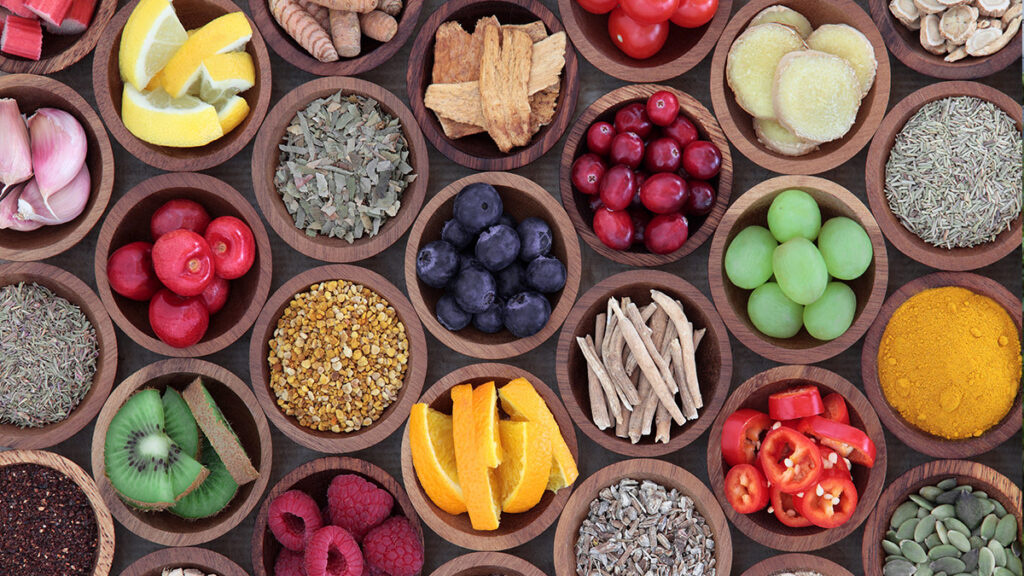
The global food industry has experienced a significant shift toward clean label ingredients. Industry reports consistently indicate that consumers increasingly prefer products containing recognizable, plant-derived ingredients over artificial additives.
This trend has encouraged manufacturers to replace certain synthetic preservatives, artificial flavors, and chemical antioxidants with carefully selected botanical extracts.
Some of the main advantages include:
- Improved consumer perception
- Enhanced product positioning
- Support for clean label claims
- Better flavor complexity
- Natural antioxidant activity
- Potential extension of shelf life
- Increased product innovation opportunities
Rather than functioning as simple ingredients, herbal extracts often become multifunctional components that solve several formulation challenges simultaneously.
Common Types of Herbal Extracts Used in Food Manufacturing
Different industries require different botanical solutions depending on the product category.
Rosemary Extract
One of the most widely used natural preservatives, rosemary extract is valued for its powerful antioxidant properties.
Applications include:
- Processed meats
- Cooking oils
- Snack foods
- Frozen products
It helps delay lipid oxidation, maintaining freshness and reducing undesirable flavors during storage.
Green Tea Extract
Rich in polyphenols, green tea extract offers antioxidant functionality while supporting premium product positioning.
Common applications include:
- Functional beverages
- Nutritional foods
- Health-oriented snacks
Oregano Extract
Oregano contains naturally occurring compounds that contribute antimicrobial activity and strong herbal flavor.
Food manufacturers often use it in:
- Pizza sauces
- Meat marinades
- Ready meals
- Mediterranean foods
Turmeric Extract
Beyond its vibrant natural color, turmeric contributes antioxidant characteristics and aligns with consumer demand for recognizable ingredients.
Ginger Extract
Ginger delivers warming flavor notes while complementing beverage, confectionery, and bakery formulations.
Garlic and Onion Extracts
These concentrated flavor ingredients improve consistency compared with fresh ingredients while reducing preparation time during industrial production.
Extraction Methods Matter More Than Many Buyers Realize
Not all herbal extracts are created equally.
The extraction process determines purity, concentration, stability, and functional performance.
Common extraction techniques include:
Water Extraction
Suitable for water-soluble compounds and widely used for beverage applications.
Ethanol Extraction
Produces concentrated extracts while preserving many valuable phytochemicals.
Supercritical CO₂ Extraction
Considered one of the highest-quality industrial methods, it produces exceptionally pure extracts without residual solvents.
Steam Distillation
Frequently used for aromatic compounds and essential oils.
Your factory should understand not only which plant is being sourced but also how it has been processed. Two rosemary extracts may appear identical on paper yet perform very differently during production.
Common Mistakes When Sourcing Herbal Extracts
Procurement decisions based solely on price often create hidden manufacturing costs.
Some of the most common sourcing mistakes include:
Ignoring Standardization
Extracts should specify active compound concentrations.
Without standardization, production consistency becomes difficult.
Overlooking Batch Consistency
Factories require predictable raw materials.
Variation between batches increases quality control costs and production adjustments.
Focusing Only on Initial Purchase Price
A cheaper extract may require higher dosage levels, ultimately increasing formulation costs.
Sometimes the “least expensive” ingredient becomes the most costly once production efficiency is considered.
Neglecting Documentation
Reliable suppliers provide:
- Certificate of Analysis (COA)
- Microbiological reports
- Heavy metal testing
- Allergen documentation
- Regulatory compliance certificates
Missing documentation can delay exports or customer approvals.
How Herbal Extracts Improve Food Manufacturing
Modern food manufacturing increasingly depends on multifunctional ingredients.
Herbal extracts contribute across several production stages.
Flavor Enhancement
Concentrated plant extracts provide stable flavor profiles throughout processing.
Unlike fresh herbs, they reduce variability caused by seasonal agricultural changes.
Oxidation Protection
Natural antioxidant extracts help protect fats and oils against oxidation.
This benefit is particularly valuable for:
- Meat processing
- Fried snacks
- Margarine
- Sauces
Shelf-Life Optimization
Certain botanical compounds contribute to improved microbial stability when combined with good manufacturing practices.
Although they are not replacements for complete preservation systems, they can become valuable supporting components.
Product Innovation
Consumers appreciate products featuring recognizable herbs such as rosemary, basil, thyme, mint, ginger, and turmeric.
These ingredients help manufacturers create premium product lines with stronger market differentiation.
Industrial Tips for Large-Scale Production
Large-scale processing introduces challenges rarely encountered in laboratory formulations.
Several practical recommendations can significantly improve production efficiency.
First, always conduct pilot-scale trials before full production.
Small formulation adjustments may behave differently once production volumes increase.
Second, verify thermal stability.
Some herbal extracts maintain functionality during baking or pasteurization, while others perform better in cold-processing environments.
Third, evaluate interactions with other ingredients.
Protein content, fat levels, pH, and water activity can all influence extract performance.
Fourth, monitor dosage carefully.
More is not always better.
Excessive concentrations may produce bitterness or overpower desirable flavors.
Finally, establish long-term supplier relationships.
In our collaboration with various factories, we have observed that consistent supplier partnerships often reduce procurement risks more effectively than constantly switching vendors for marginal price savings.
Why Supplier Selection Matters
Food ingredients are more than commodities.
Reliable suppliers contribute to production stability, regulatory compliance, and inventory planning.
When evaluating suppliers of Herbal extracts for food industry, manufacturers should consider:
- Technical support
- Product portfolio
- Documentation quality
- Batch consistency
- Competitive pricing
- Global sourcing capabilities
- Logistics reliability
Companies such as MT Royal are frequently considered by manufacturers seeking multiple international brands through a single sourcing partner. Instead of managing relationships with numerous individual producers, procurement teams can streamline purchasing while maintaining flexibility across product categories.
Emerging Trends Shaping the Herbal Extract Market
Several trends continue transforming the global botanical ingredients sector.
Clean Label Expansion
Consumers increasingly reject ingredient lists containing unfamiliar chemical names.
Natural alternatives continue gaining market share.
Functional Foods
Food products are expected to deliver additional nutritional or wellness benefits beyond basic nutrition.
This trend drives demand for carefully selected functional ingredients derived from plants.
Sustainability
Manufacturers increasingly evaluate environmental impact throughout the supply chain.
Responsible sourcing and efficient extraction technologies are becoming purchasing priorities.
Digital Traceability
Advanced ingredient traceability enables manufacturers to monitor sourcing origins more accurately than ever before.
This transparency supports regulatory compliance and customer confidence.
Frequently Asked Questions
Are herbal extracts suitable for all food categories?
Most food sectors can benefit from botanical extracts, although the optimal ingredient depends on formulation requirements, processing conditions, and desired functionality.
Can herbal extracts replace synthetic preservatives entirely?
Not always.
Many manufacturers combine herbal extracts with other preservation strategies to achieve optimal food safety and shelf-life performance.
What documents should procurement teams request?
Factories should obtain Certificates of Analysis, microbiological testing, allergen information, heavy metal reports, and regulatory compliance documentation.
How should herbal extracts be stored?
Most extracts should be stored in cool, dry environments away from direct sunlight, following supplier recommendations to preserve stability.
Why do prices vary between suppliers?
Differences in extraction technology, plant quality, active compound concentration, origin, and quality assurance all influence pricing.
In our experience, we have found that evaluating the total value—including consistency, technical support, and documentation—is often more beneficial than comparing price alone.
Building a Competitive Advantage with Herbal Extracts
The future of food manufacturing belongs to producers capable of balancing quality, efficiency, sustainability, and consumer expectations. Herbal extracts provide a practical way to achieve that balance by improving flavor, supporting cleaner formulations, and enhancing product stability without sacrificing manufacturing efficiency.
Choosing the right supplier is as important as selecting the right ingredient. Manufacturers benefit most when they work with partners who understand industrial production, maintain reliable supply chains, and offer a broad portfolio of standardized botanical solutions. MT Royal represents this approach by providing access to multiple trusted brands at competitive prices while supporting factories with dependable sourcing options. As we continue working alongside manufacturers across diverse sectors, one lesson remains consistent: the strongest production lines are built not only on advanced equipment, but also on carefully selected ingredients and trusted supplier relationships.

No comment