

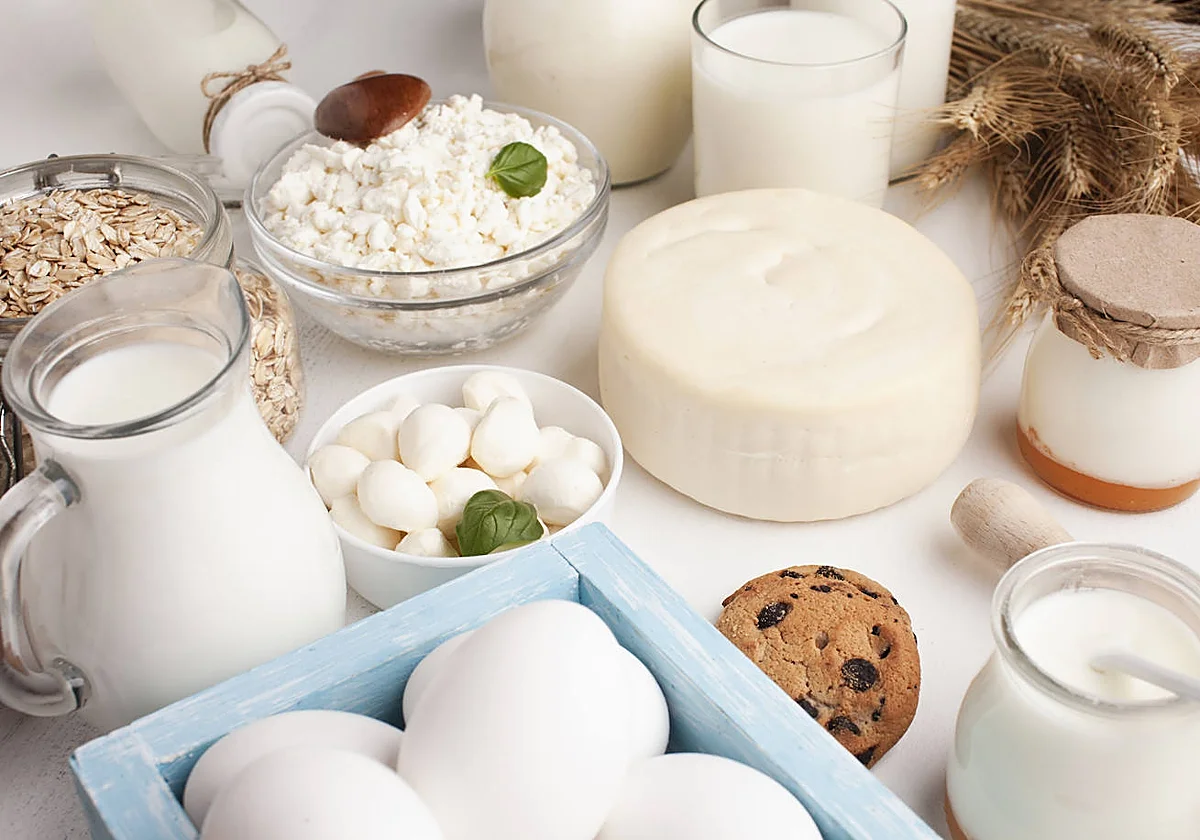
For dairy manufacturers, choosing the right Lactase Enzyme for Lactose-Free Dairy is not simply a formulation decision. It can affect product quality, processing efficiency, regulatory compliance, shelf life, and consumer acceptance. If your factory is developing or expanding lactose-free milk, yogurt, ice cream, or other dairy products, working with a dependable supplier such as MT Royal can help you access multiple enzyme brands and competitive sourcing options while matching the product to your technical requirements.
The demand for lactose-free dairy continues to create opportunities for food manufacturers. Consumers who are lactose intolerant need suitable alternatives, while many other shoppers actively choose lactose-free products because of perceived digestibility or dietary preferences. For manufacturers, however, producing a high-quality lactose-free product requires more than adding an enzyme and waiting for the lactose to disappear.
The enzyme must work efficiently under specific temperature, pH, dosage, and processing conditions. At the same time, the manufacturer must control sweetness, sensory characteristics, labeling, and final lactose levels. In other words, lactose hydrolysis is a carefully managed industrial process—not a “pour it in and hope for the best” situation.
What Is Lactase Enzyme?
Lactase is an enzyme that hydrolyzes lactose, the naturally occurring sugar found in milk. During hydrolysis, lactose is broken down into two simpler sugars: glucose and galactose.
This process makes dairy products easier to digest for people who have difficulty breaking down lactose.
In industrial dairy production, lactase is used to manufacture products such as:
- Lactose-free milk
- Lactose-free yogurt
- Lactose-free cream
- Lactose-free ice cream
- Lactose-reduced dairy beverages
- Specialized dairy-based nutritional products
The exact enzyme preparation depends on the product and processing conditions.
For industrial buyers, the term lactase enzyme does not describe a single standardized product. Commercial preparations can differ in enzyme activity, temperature stability, pH profile, dosage, and production source.
This is why selecting a Lactase Enzyme for Lactose-Free Dairy should begin with your manufacturing process and product specification.
Why Lactose-Free Dairy Manufacturing Requires the Right Enzyme
Lactose hydrolysis influences more than digestibility.
When lactose is split into glucose and galactose, the resulting sugars are perceived as sweeter than lactose itself. This means that lactose-free dairy products can taste noticeably sweeter even when no additional sugar has been added.
That characteristic can be an advantage or a challenge.
For example, a manufacturer producing lactose-free milk may appreciate the natural sweetness, while an ice cream producer may need to adjust the formulation to maintain the desired flavor profile and freezing characteristics.
Lactose hydrolysis can also influence:
- Sweetness
- Crystallization
- Texture
- Freezing behavior
- Fermentation
- Processing stability
The right enzyme therefore needs to be selected according to the final application, not simply according to its ability to hydrolyze lactose.
How Lactase Enzyme Works in Dairy Processing
Lactase catalyzes the breakdown of lactose into glucose and galactose.
The efficiency of this reaction depends on several variables:
- Enzyme dosage
- Lactose concentration
- Temperature
- pH
- Treatment time
- Product composition
- Processing sequence
A factory may choose to add lactase before processing, during a controlled holding stage, or through another validated production approach.
The correct method depends on the enzyme’s operating profile and the manufacturer’s process design.
For example, a high-temperature dairy process requires an enzyme capable of functioning effectively under the selected conditions or a process configuration that allows hydrolysis to occur before heat treatment. In contrast, cold processing may require a different enzyme profile and longer reaction time.
This is one reason why industrial enzyme sourcing should involve both procurement and technical teams.
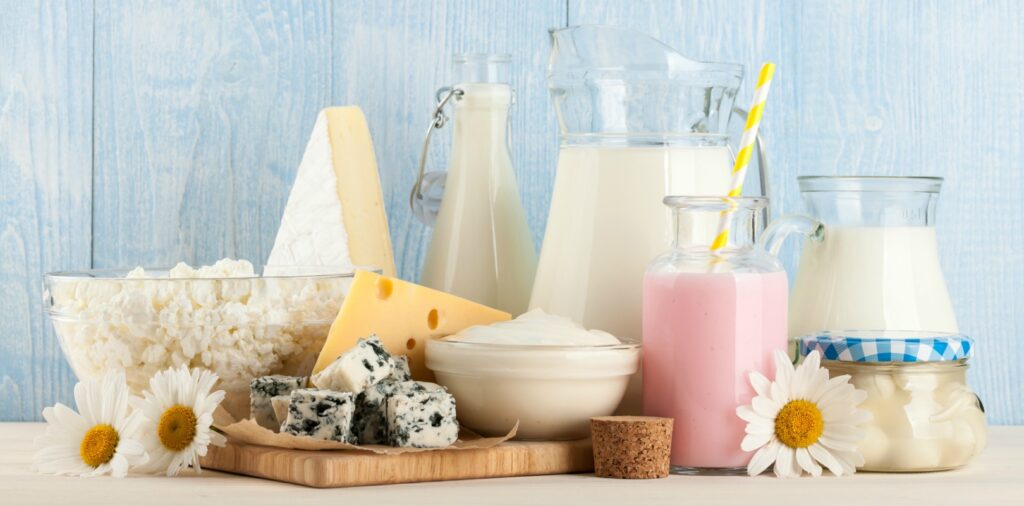
Types of Lactase Enzymes for Industrial Dairy Production
Fungal Lactase
Fungal-derived lactases are commonly used in food processing and can offer suitable activity profiles for selected dairy applications.
Their performance depends on the specific enzyme preparation and the conditions under which it is used.
Yeast-Derived Lactase
Some commercial lactase preparations are produced using yeast-based systems. These enzymes can be selected for particular temperature and pH requirements.
Microbial Lactase
Microbial enzyme production allows manufacturers to obtain standardized preparations designed for specific industrial applications.
For large dairy factories, consistent activity between batches is particularly important because even small variations can affect processing time and final lactose levels.
The right choice depends on your product, equipment, processing temperature, and required degree of lactose hydrolysis.
LATAMARKO LM60 – Premium Spanish-Origin Cocoa Powder
latamarko alkalized cocoa powder lm60
cocoa powder for chocolate production-Best price
Food industry raw materials – list of products
Key Specifications to Evaluate Before Buying
When sourcing a Lactase Enzyme for Lactose-Free Dairy, industrial buyers should request detailed technical information.
Enzyme Activity
Activity is one of the most important specifications. Comparing products only by price per kilogram can be misleading because two products may have significantly different activity levels.
A better commercial comparison considers the effective cost of achieving the required lactose reduction.
Temperature Profile
Different lactase preparations have different optimal temperature ranges.
Your supplier should explain the recommended operating conditions and whether the enzyme is intended for cold, moderate, or higher-temperature processing.
pH Stability
The pH of milk and fermented dairy products can vary considerably.
A lactase suitable for milk may not necessarily provide the same performance in an acidic yogurt environment. Always evaluate enzyme performance in the actual product matrix.
Dosage
The required dosage depends on:
- Initial lactose concentration
- Target lactose level
- Reaction time
- Temperature
- Enzyme activity
- Product composition
The correct dosage should be established through controlled trials rather than simply copying a recommendation from another product.
Microbiological and Regulatory Documentation
Industrial buyers should request appropriate documentation, which may include:
- Certificate of Analysis
- Technical Data Sheet
- Safety Data Sheet, where applicable
- Food-grade compliance documentation
- Regulatory information
- Allergen information
- Batch traceability
Requirements vary according to the destination market and application.
Common Mistakes When Buying Lactase Enzymes
Choosing the Lowest Price per Kilogram
A low price can be attractive, but it does not necessarily mean a lower processing cost.
Your purchasing team should calculate the effective cost based on enzyme activity and required dosage.
A more concentrated product may have a higher price per kilogram but a lower cost per batch.
Assuming All Lactase Products Are Interchangeable
They are not.
Differences in temperature and pH performance can have a significant impact on the production process.
Ignoring Final Lactose Verification
A product labeled “lactose-free” must meet the applicable regulatory requirements in its target market.
Manufacturers should establish appropriate analytical testing to verify lactose levels rather than assuming that a standard enzyme dosage guarantees compliance.
Overlooking Sweetness
Breaking lactose into glucose and galactose changes the sensory profile.
If the formulation was originally designed for conventional milk, the finished lactose-free version may require adjustments to maintain the desired taste.
Skipping Pilot Production
Laboratory trials are useful, but they cannot always reproduce the complexity of a commercial dairy line.
In our experience, the best results come when manufacturers test the enzyme under realistic production conditions, using the same milk composition, equipment, temperature profile, and processing sequence.
Choosing the Right Lactase Enzyme Supplier
A reliable industrial enzyme supplier should provide more than a product price.
Before placing a bulk order, evaluate:
- Enzyme activity
- Recommended dosage
- Temperature range
- pH profile
- Product compatibility
- Technical documentation
- Batch consistency
- Minimum order quantity
- Packaging
- Lead time
- Technical support
- Supply capacity
MT Royal can be considered by industrial buyers looking for access to multiple enzyme brands and competitive commercial sourcing. A multi-brand supplier can be particularly useful when your technical team wants to compare different enzyme preparations rather than being limited to a single product.
This approach also gives procurement departments greater flexibility when managing availability, pricing, and supply continuity.
Specialized Tips for Large-Scale Dairy Production
Large manufacturers should integrate lactase management into their overall process-control system.
Define the Target Lactose Level
Do not simply specify “lactose-free.” Establish a measurable target based on the regulatory requirements of your destination market.
Validate the Enzyme in the Real Product
Test the enzyme using your actual milk or dairy base. Protein content, solids, fat, and other formulation variables can influence processing behavior.
Control Temperature and Time
Both factors directly influence enzyme activity.
Small deviations in holding conditions can affect the degree of lactose hydrolysis, especially in continuous production systems.
Monitor Sweetness
Because glucose and galactose are sweeter than lactose, the final product may taste different even when the ingredient list remains similar.
Your sensory team should evaluate sweetness alongside analytical lactose testing.
Maintain Batch Traceability
Record enzyme lot numbers, dosage, processing conditions, and test results. This information becomes extremely valuable when investigating production deviations.
Consider Supply Security
High-volume dairy plants should consider qualifying a backup supplier or alternative enzyme grade where technically feasible.
We have seen that supply continuity becomes particularly important when a product has already been validated and integrated into a high-throughput production line. Changing enzymes suddenly is rarely as simple as changing a supplier’s name on a purchase order.
Emerging Trends in Lactose-Free Dairy
The lactose-free dairy category continues to evolve as manufacturers develop products beyond conventional milk.
The market now includes lactose-free:
- High-protein dairy beverages
- Yogurt
- Ice cream
- Cream products
- Flavored milk
- Nutritional formulations
This expansion creates new technical challenges because each product matrix behaves differently.
Another important trend is the movement toward cleaner and more transparent product formulations. Manufacturers increasingly want enzymes that can support efficient processing without creating unnecessary complexity in the final product.
There is also growing interest in process optimization. Rather than simply increasing enzyme dosage, manufacturers are focusing on precise control of temperature, reaction time, and enzyme activity to achieve the required hydrolysis with minimal cost.
For procurement teams, this means enzyme selection is becoming increasingly connected to production engineering.
Frequently Asked Questions
What is the purpose of lactase in lactose-free milk?
Lactase breaks lactose into glucose and galactose, reducing the amount of intact lactose and making the product suitable for consumers who have difficulty digesting lactose, subject to applicable regulatory standards.
Does lactase make milk sweeter?
Yes. Hydrolysis produces glucose and galactose, which are perceived as sweeter than lactose. This can make lactose-free milk taste naturally sweeter than conventional milk.
Can the same lactase be used for milk and yogurt?
Not necessarily. Different dairy products have different pH levels and processing conditions. An enzyme that performs well in milk may not be optimal for acidic fermented products.
How much lactase should a factory use?
There is no universal dosage. The correct level depends on enzyme activity, lactose concentration, temperature, pH, reaction time, and the required final lactose level.
How can a manufacturer verify lactose-free performance?
Manufacturers should use appropriate analytical testing to confirm that the finished product meets the applicable regulatory definition for lactose-free or lactose-reduced labeling in the target market.
Should I compare lactase suppliers by kilogram price?
No. Compare the effective cost of achieving the required lactose hydrolysis. Enzyme activity and dosage are often more meaningful than the price per kilogram alone.
Why consider MT Royal for lactase enzyme sourcing?
MT Royal may be suitable for industrial buyers seeking access to multiple enzyme brands and competitive sourcing options. Buyers should evaluate available products according to activity, processing conditions, documentation, supply capacity, and total cost.
Make Lactose-Free Production a Controlled Process
The success of Lactase Enzyme for Lactose-Free Dairy depends on matching the enzyme to the process—not simply adding an enzyme to milk and expecting the production line to solve the rest.
For industrial manufacturers, the most important considerations are enzyme activity, temperature, pH, dosage, reaction time, final lactose verification, and sensory performance. These factors work together, and changing one can affect the others.
MT Royal offers industrial buyers access to multiple enzyme brands and competitive sourcing options, making it a potential partner for manufacturers seeking flexibility in their procurement strategy. The right approach is to define your technical requirements first, validate suitable products through laboratory and pilot trials, and then select the supplier capable of supporting consistent large-scale production.
The strongest dairy manufacturers treat enzyme sourcing as part of process engineering. They do not simply buy an ingredient; they establish a controlled system that delivers the same result batch after batch.
When that system is properly designed, lactose-free dairy becomes more than a response to consumer demand. It becomes an opportunity to expand your product portfolio, reach new customers, and build a production process where quality is not left to chance.

No comment