

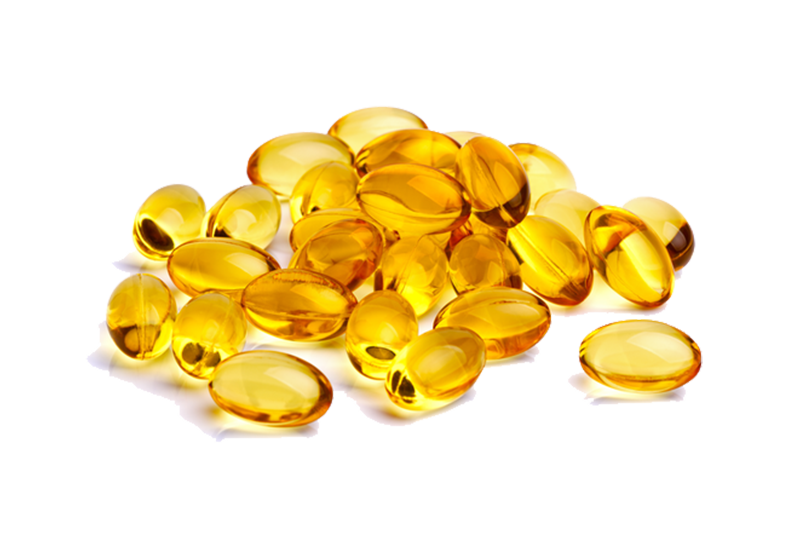
If your factory is sourcing vitamin E for dietary supplements, fortified foods, pharmaceutical products, or health-focused formulations, the supplier you choose can affect far more than the purchase price. Potency, chemical form, source, stability, documentation, packaging, and continuity of supply can all influence your finished product. For manufacturers evaluating a Vitamin E | dsm-firmenich Health Supplier, MT Royal is worth considering as a sourcing partner because it works with multiple brands and product categories and can help industrial buyers evaluate supply options according to their technical and commercial requirements.
Vitamin E is also a deceptively complicated raw material. “Vitamin E” can refer to different tocopherol forms, natural or synthetic sources, free tocopherol or esterified derivatives, liquid concentrates, dry powders, or mixed tocopherols. Those differences are not academic details. They can affect formulation behavior, nutritional labeling, regulatory status, oxidation stability, and the economics of large-scale production.
For a procurement manager, the real question is therefore not simply where to buy vitamin E. It is which dsm-firmenich vitamin E form matches your application, how its potency should be calculated, and whether your supplier can consistently deliver the correct material with the documentation your quality department requires.
Food industry raw materials – list of products
LATAMARKO – Premium Spanish-Origin Cocoa Powder
What Is Vitamin E?
Vitamin E is a family of fat-soluble compounds rather than a single chemical substance. The naturally occurring vitamin E family contains four tocopherols and four tocotrienols. Alpha-tocopherol is the form most closely associated with human nutritional vitamin E activity.
Its most important biological characteristic is its antioxidant function. Vitamin E contributes to the protection of cells from oxidative stress, and dsm-firmenich describes its Quali®-E portfolio as a source of vitamin E for dietary supplements, foods and beverages, early-life nutrition, medical nutrition, and other nutrition applications.
For industrial formulation, however, “antioxidant” is only part of the story.
Vitamin E must also be considered in terms of:
- Chemical form
- Natural or synthetic origin
- Concentration
- Potency
- Physical form
- Carrier system
- Stability
- Packaging
- Regulatory status
- Intended application
These variables determine whether a particular raw material is appropriate for your production line.
dsm-firmenich Vitamin E and the Quali®-E Portfolio
dsm-firmenich has developed a broad vitamin E portfolio under the Quali®-E name. Its current human-nutrition materials list both natural and synthetic vitamin E forms, including d-α-tocopheryl acetate, natural vitamin E, dry natural vitamin E, and mixed tocopherols.
The portfolio is designed around different application requirements rather than a one-product-fits-all model.
For example, dsm-firmenich lists:
- Natural Vitamin E SF in liquid form, sourced from non-GM sunflower oil
- Dry Natural Vitamin E SF in a free-flowing starch-based powder
- d-α-Tocopheryl Acetate
- Mixed Tocopherols 95
- Mixed Tocopherols 70 IP
- Dry Mixed Tocopherols 30% IP
- Synthetic dl-α-tocopherol
- Synthetic dl-α-tocopheryl acetate
The exact available products, pack sizes, regulatory status, and application suitability should always be verified against the current supplier documentation.
This variety is one reason an experienced Vitamin E | dsm-firmenich Health Supplier can provide value beyond simply moving cartons from one warehouse to another.
Natural Vitamin E vs. Synthetic Vitamin E
One of the first questions your R&D and procurement teams should resolve is whether the finished product requires natural or synthetic vitamin E.
Natural vitamin E products commonly use the RRR-α-tocopherol stereoisomer, whereas synthetic vitamin E may contain a mixture of stereoisomers generally described as all-racemic or “all-rac.”
The distinction matters because nutritional equivalence, labeling, formulation claims, and purchasing economics can differ.
dsm-firmenich identifies its Natural Vitamin E SF as a sunflower-derived product containing at least 900 IU/g of natural RRR-α-tocopherol and at least 604 mg/g RRR-α-tocopherol.
A procurement team should therefore avoid comparing natural and synthetic vitamin E solely by price per kilogram.
The meaningful comparison may instead be:
Cost per unit of declared vitamin E activity + regulatory suitability + formulation performance + sourcing reliability.
That calculation often changes the purchasing picture.

Tocopherol vs. Tocopheryl Acetate
Another critical distinction is between free tocopherol and tocopheryl acetate.
Alpha-tocopherol is an active form of vitamin E, but it can be more susceptible to oxidation than esterified forms. Tocopheryl acetate is an esterified derivative used when greater stability is advantageous.
For example, dsm-firmenich describes its vitamin E acetate forms as highly stable and suitable for applications where formulation stability is important. Its portfolio includes both natural d-α-tocopheryl acetate and synthetic dl-α-tocopheryl acetate.
When free tocopherol may be appropriate
Free tocopherol can be attractive when your formulation specifically requires:
- Antioxidant activity in an oil phase
- Direct incorporation of alpha-tocopherol
- A particular nutritional specification
- Antioxidant protection of susceptible lipids
When tocopheryl acetate may be preferable
Tocopheryl acetate can be considered when:
- Formulation stability is a major concern
- The finished product requires an esterified form
- Storage conditions create additional oxidative stress
- The formulation has a longer intended shelf life
The choice should be made by the formulation and regulatory teams, not by whichever product happens to have the lowest quotation.
Why Vitamin E Is Important in Industrial Health Products
Vitamin E has a dual identity in manufacturing.
It is both a micronutrient and a functional antioxidant.
That distinction explains why it appears in such a wide range of products.
Dietary supplements
Vitamin E is used in:
- Multivitamins
- Softgel capsules
- Antioxidant formulations
- Beauty supplements
- Nutritional powders
- Specialty health products
dsm-firmenich identifies its vitamin E portfolio for dietary supplements and provides both liquid and powder formats, allowing manufacturers to select a physical form appropriate to their production process.
Fortified foods and beverages
Vitamin E can be incorporated into foods and beverages as part of nutritional fortification.
This can create technical challenges because vitamin E is fat-soluble. A manufacturer developing a water-based beverage, for example, may need an appropriate dry or dispersed delivery system rather than simply adding an oil directly to the tank.
This is where formulation expertise becomes more valuable than a simple raw-material catalog.
Medical nutrition
Medical nutrition products require especially careful control of raw-material quality and documentation.
dsm-firmenich’s current human-nutrition portfolio identifies vitamin E products for medical nutrition applications, subject to the relevant product and regulatory requirements.
Early-life nutrition
Vitamin E is also included in nutrition products designed for infants and young children. This application places particularly high demands on specification control, traceability, contaminant management, and regulatory documentation.
dsm-firmenich explicitly identifies certain Quali®-E products for early-life nutrition.
Vitamin E in Pharmaceutical Manufacturing
Pharmaceutical applications require another level of sourcing discipline.
Here, the purchasing department should consider not only identity and potency but also the specific pharmacopoeial and regulatory requirements of the finished product and target market.
dsm-firmenich states that its pharmaceutical vitamin and specialty ingredient portfolio is supported by cGMP manufacturing, regulatory documentation, impurity control, and technical support. It also identifies alpha-tocopherol and vitamin C among antioxidants that can be used in strategies addressing nitrosamine risk in pharmaceutical products.
For a pharmaceutical manufacturer, this means the question should not be:
“Is this vitamin E?”
It should be:
“Is this the exact vitamin E grade and specification qualified for this pharmaceutical application?”
That is a much safer purchasing question.
Vitamin E for Cosmetics and Personal Care
Vitamin E is also widely used in skincare and personal-care formulations.
dsm-firmenich describes vitamin E as an antioxidant ingredient that can help support skin protection, moisturization, and skin-barrier function. It also identifies several forms, including tocopherol and tocopheryl acetate, for cosmetic applications.
MT Royal likewise lists tocopherol for applications including moisturizers, serums, hair-care products, makeup, and other personal-care formulations.
From a formulation perspective, vitamin E can provide two different types of value:
- Product-level protection: helping reduce oxidative deterioration of susceptible formulation components.
- Consumer-facing functionality: supporting the formulation concept around antioxidant and skin-conditioning benefits.
These roles should not be confused. An ingredient’s technical antioxidant activity does not automatically justify every health or cosmetic claim a marketing department might dream up at 4:55 p.m. on a Friday.
How to Choose a Vitamin E | dsm-firmenich Health Supplier
The supplier selection process should begin with your formulation specification.
1. Define the chemical form
Specify whether you need:
- Natural RRR-α-tocopherol
- Synthetic all-rac-α-tocopherol
- Natural d-α-tocopheryl acetate
- Synthetic dl-α-tocopheryl acetate
- Mixed tocopherols
- A dry vitamin E preparation
Never write only “Vitamin E” on a purchase specification if multiple forms could meet that description.
2. Define potency correctly
Vitamin E may be discussed in milligrams, International Units, percentages, or active-content measurements depending on the product and regulatory context.
dsm-firmenich’s product information illustrates why this needs attention: its natural liquid vitamin E is described using both IU/g and mg/g RRR-α-tocopherol.
The conversion should be appropriate to the exact chemical form and regulatory standard being used.
3. Review the CoA
Your quality team should examine the Certificate of Analysis for the actual batch.
Depending on the application, relevant parameters may include:
- Assay
- Vitamin E activity
- Identity
- Appearance
- Acidity
- Specific impurities
- Moisture
- Residual solvents where applicable
- Microbiological parameters for relevant preparations
- Batch number
- Manufacturing date
- Retest or expiry information
4. Review the regulatory package
A reliable Vitamin E | dsm-firmenich Health Supplier should be able to provide documentation appropriate to the intended market.
Depending on the application, this may include:
- Technical Data Sheet
- Safety Data Sheet
- Certificate of Analysis
- Allergen information
- GMO status
- Halal documentation
- Kosher documentation
- Regulatory statements
- Country-of-origin information
- Pharmacopoeial documentation where applicable
dsm-firmenich’s product portfolio identifies Halal and Kosher certifications for several vitamin E products, while pharmaceutical status can vary by specific product and jurisdiction.
Common Mistakes When Sourcing Vitamin E
Mistake 1: Comparing price per kilogram
This is one of the most common procurement errors.
A 900 IU/g natural vitamin E product should not be compared directly with another material at a different potency without normalization.
Calculate the cost per unit of active vitamin E.
Mistake 2: Confusing “natural” with “better for every application”
Natural vitamin E may be the correct choice when a formulation or marketing position requires it. But synthetic vitamin E can be technically appropriate and commercially attractive for other products.
The formulation should decide.
Mistake 3: Ignoring the physical form
Liquid vitamin E and dry vitamin E are not operationally identical.
A powder may be easier to incorporate into certain premixes, while a liquid may be more convenient for oil-based systems.
dsm-firmenich’s portfolio includes both liquid and powder forms, illustrating that physical format is part of product selection rather than a minor packaging detail.
Mistake 4: Buying based on brand name without checking the exact product code
Even within the same branded portfolio, different vitamin E products can have different concentrations, sources, physical forms, and applications.
Your purchase order should identify the exact product and specification.
Mistake 5: Treating vitamin E as oxidation-proof
Vitamin E is itself sensitive to environmental conditions. MT Royal notes that vitamin E can be sensitive to heat, light, and oxygen, making appropriate storage important.
Packaging, headspace, temperature, light exposure, and handling procedures should therefore be considered part of quality management.
Storage and Handling Tips for Large-Scale Production
Once vitamin E arrives at your factory, the supply chain is not finished.
It has simply moved from the supplier’s quality system into yours.
Protect the product from unnecessary oxidation
Follow the manufacturer’s storage requirements and avoid unnecessary exposure to air, heat, and light.
For liquid products, consider how often containers are opened and whether repeated exposure could affect long-term quality.
Control warehouse rotation
Use a documented inventory rotation system such as FEFO where appropriate.
A vitamin shipment sitting quietly behind the forklift bay for months is not an inventory strategy.
Keep packaging intact
Damaged drums, opened liners, broken seals, or poorly closed containers should be investigated rather than simply moved into production.
Avoid uncontrolled temperature fluctuations
Temperature changes can influence viscosity, handling, and physical properties. Your warehouse conditions should be compatible with the supplier’s technical guidance.
How MT Royal Fits Into a Vitamin E Procurement Strategy
MT Royal positions itself as a supplier and distributor of vitamin E and other raw materials, serving food, supplement, cosmetic, and related industrial customers. Its published information states that it can provide natural and synthetic tocopherol forms and emphasizes international supply, documentation, and competitive pricing.
This broader supplier model can be useful when your factory purchases several ingredients rather than a single raw material. MT Royal’s portfolio extends beyond vitamin E into food ingredients, cosmetic ingredients, oils, antioxidants, and other industrial raw materials, giving procurement teams an opportunity to consolidate selected purchasing activities while still evaluating individual materials on their technical merits.
We recommend that manufacturers treat this as a qualification process rather than a branding exercise. Ask for the exact dsm-firmenich product, confirm the product code, review the documentation, request samples where appropriate, and compare the delivered cost against technically equivalent alternatives.
We have also found that supplier consolidation is most useful when it reduces administrative complexity without weakening technical qualification. A single commercial relationship can be efficient, but every critical raw material should still have its own specification and approval process.
Vitamin E Market and Supply-Chain Considerations
The vitamin market is increasingly shaped by more than basic supply and demand.
Manufacturers are paying greater attention to:
Traceability
Consumers and regulators increasingly expect clearer information about ingredient origin and manufacturing practices. This is especially relevant for natural vitamin E sourced from plant oils.
dsm-firmenich describes its natural vitamin E as derived from sunflower oil and emphasizes traceability and non-GM sourcing for its relevant products.
Sustainability
Sustainability is becoming a procurement criterion rather than a marketing footnote.
For its Quali-E vitamin used in personal care, dsm-firmenich reports a 57% lower greenhouse-gas footprint per kilogram compared with its coal-based production supply and attributes part of the reduction to renewable energy generated through its Sisseln facility.
The exact sustainability profile should always be evaluated for the specific product and supply chain, but the direction of travel is clear: industrial buyers increasingly want environmental information alongside conventional quality documentation.
Supply resilience
The last few years have taught procurement teams an expensive lesson: a raw material with excellent specifications is not useful if it cannot be delivered.
Factories should therefore consider lead time, regional inventory, logistics routes, minimum order quantities, and backup sourcing as part of supplier qualification.
Frequently Asked Questions About dsm-firmenich Vitamin E
What is Quali®-E?
Quali®-E is dsm-firmenich’s branded vitamin E portfolio. It includes different forms and formats designed for applications across nutrition and other markets.
Is dsm-firmenich vitamin E natural?
Not all dsm-firmenich vitamin E is natural. The portfolio includes both naturally sourced and synthetic forms. The specific product should therefore be identified before making a sourcing or labeling decision.
What is the difference between RRR-alpha-tocopherol and all-rac-alpha-tocopherol?
RRR-alpha-tocopherol is the stereochemical form associated with naturally sourced alpha-tocopherol, while all-rac-alpha-tocopherol is a synthetic mixture of stereoisomers. Their nutritional activity and labeling treatment can differ, so the exact form should be considered during formulation.
Can vitamin E be used in food and dietary supplements?
Yes, appropriate vitamin E forms are used in foods, beverages, and dietary supplements. The exact product must satisfy the regulatory and technical requirements of the target application and market. dsm-firmenich lists Quali®-E products for dietary supplements and food and beverage applications.
Which vitamin E is best for a factory?
There is no universal “best” form. Natural vitamin E, synthetic alpha-tocopherol, tocopheryl acetate, and mixed tocopherols can serve different technical and commercial purposes.
The best product is the one that meets your formulation specification at the lowest acceptable total cost while maintaining quality and regulatory compliance.
Can MT Royal supply multiple brands?
MT Royal presents itself as an international supplier with access to multiple brands and product categories. This can be useful for manufacturers that want to compare sourcing options rather than being restricted to one producer.
What should I ask before requesting a vitamin E quotation?
Provide the supplier with the exact form, required potency, physical format, intended application, annual volume, preferred packaging, delivery location, and regulatory requirements. A detailed inquiry produces a much more useful quotation than simply asking, “How much is vitamin E?”
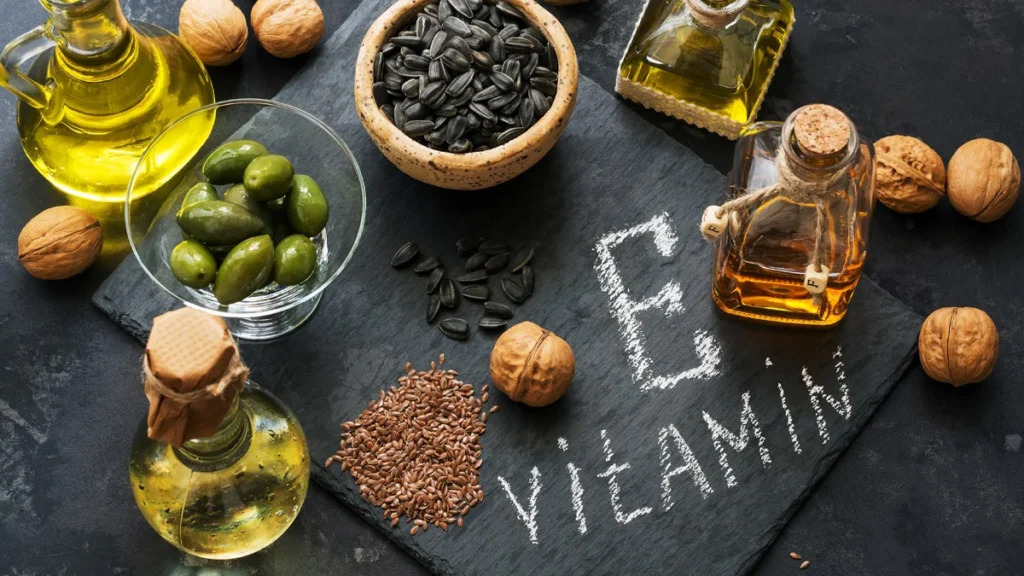
The Real Value of Choosing the Right Vitamin E Supplier
Vitamin E may be purchased by the kilogram, but your factory ultimately pays for something much more valuable: predictability.
Predictable potency.
Predictable quality.
Predictable delivery.
Predictable formulation behavior.
Predictable documentation.
That is why selecting a Vitamin E | dsm-firmenich Health Supplier should involve procurement, quality, R&D, regulatory, and production teams rather than being decided by price alone.
dsm-firmenich offers a technically differentiated Quali®-E portfolio spanning natural and synthetic forms, liquid and dry preparations, and applications across dietary supplements, food and beverage, early-life nutrition, medical nutrition, and other markets. MT Royal can be considered as a commercial sourcing partner for manufacturers looking to access vitamin E and other ingredient brands while maintaining competitive purchasing options.
The smartest next step is not to ask which vitamin E supplier has the lowest number on a quotation. Ask which supplier can deliver the exact form your formulation requires, at the required potency, with the documentation your quality system demands, in the physical format your production line can handle, and with enough supply resilience to keep your factory running.
When those variables are controlled, vitamin E stops being a small line item on a purchasing spreadsheet and becomes what it really is: a carefully engineered component of product quality, regulatory confidence, and manufacturing continuity.

No comment