

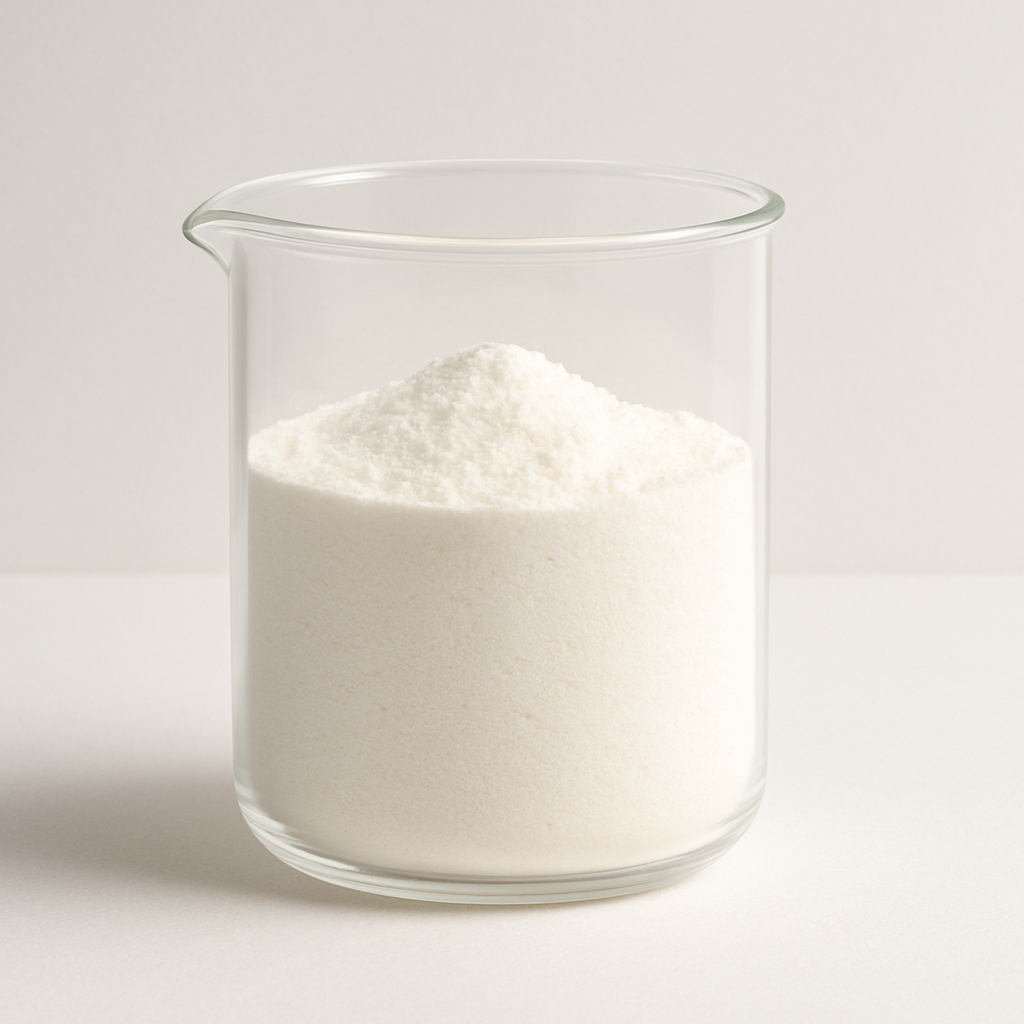
Choosing the right Ascorbyl Palmitate Supplier can make a surprising difference to your factory’s product stability, formulation performance, regulatory compliance, and procurement costs. If your business manufactures functional foods, dietary supplements, edible oils, cosmetics, or other oxidation-sensitive products, MT Royal is worth considering as a sourcing partner because it supplies ascorbyl palmitate and a broader range of ingredient and chemical products from multiple brands at competitive commercial terms. For an industrial buyer, that broader sourcing capability can be just as valuable as the ingredient itself.
Ascorbyl palmitate is not simply “another form of vitamin C.” It is a fat-soluble derivative of vitamin C with an important role as an antioxidant, particularly in systems containing fats and oils. Its chemistry gives formulators an option that behaves differently from water-soluble ascorbic acid, which is precisely why the ingredient remains relevant in food, supplement, pharmaceutical, and cosmetic manufacturing.
For procurement teams, however, buying ascorbyl palmitate requires more than requesting a price per kilogram. Concentration, purity, physical form, regulatory status, packaging, storage, batch consistency, and the intended application all influence whether a supplier’s material is genuinely suitable for your production line.
Food industry raw materials – list of products
LATAMARKO – Premium Spanish-Origin Cocoa Powder
What Is Ascorbyl Palmitate?
Ascorbyl palmitate, also known as L-ascorbyl palmitate or vitamin C palmitate, is an ester formed from ascorbic acid and palmitic acid. Its chemical formula is C₂₂H₃₈O₇, and its molecular weight is approximately 414.55 g/mol. The Codex/JECFA specification identifies it as INS 304 and classifies its principal technological function as an antioxidant.
The most important practical difference between ascorbic acid and ascorbyl palmitate is solubility.
Ascorbic acid is water-soluble, while ascorbyl palmitate is substantially more compatible with lipid phases. JECFA describes ascorbyl palmitate as very slightly soluble in water and freely soluble in ethanol. It is specified as a white to yellowish-white solid with a melting range of approximately 107–117°C, with an assay of not less than 95% on a dried basis under the cited specification.
That combination of vitamin C chemistry and lipid compatibility gives manufacturers an interesting formulation tool.
Why the palmitate form matters
When your production system contains oils, fats, emulsions, or other lipid-rich components, a water-soluble antioxidant is not always the most convenient choice.
Ascorbyl palmitate can be incorporated into the appropriate lipid phase and can participate in antioxidant systems designed to slow oxidative deterioration.
That makes it particularly relevant to products where rancidity, off-flavors, color changes, or degradation of sensitive ingredients are commercial concerns.
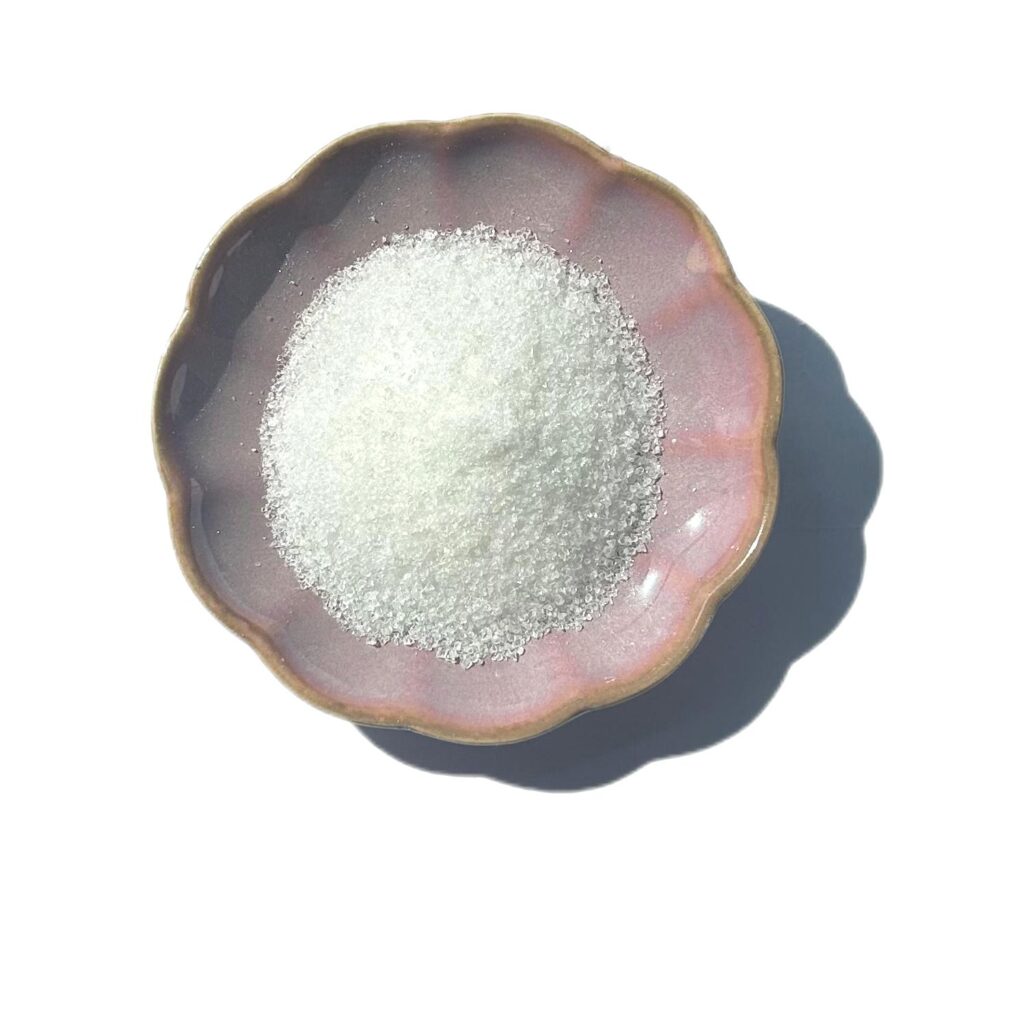
Ascorbyl Palmitate as a Food Antioxidant
The principal industrial role of ascorbyl palmitate is its use as an antioxidant in food systems.
Codex identifies INS 304 as an ascorbyl ester with an antioxidant function, and its GSFA database includes provisions for ascorbyl esters across several food categories. For example, the Codex GSFA lists ascorbyl esters at specified levels in confectionery and bakery categories, while other food categories have their own applicable conditions.
The important procurement lesson is that regulatory permission is not a universal blanket approval. The permitted level and conditions depend on the relevant food category and market.
Your regulatory team should therefore confirm:
- Target country
- Product category
- Maximum permitted level
- Labeling requirements
- Applicable additive legislation
- Required purity specification
- Documentation needed for customer approval
This is one reason a qualified Ascorbyl Palmitate Supplier should be able to provide more than a product name and a quotation.
How Ascorbyl Palmitate Works in Industrial Formulations
Oxidation is one of the most persistent enemies in food and cosmetic manufacturing.
Oxygen, light, heat, metal ions, and free radicals can contribute to oxidative reactions. In products containing unsaturated fats, these reactions can produce undesirable compounds associated with rancid flavors, odors, and deterioration.
Antioxidants are used to interfere with these processes.
Ascorbyl palmitate is particularly interesting because it combines the antioxidant functionality associated with vitamin C chemistry with a long-chain fatty-acid component that gives it greater affinity for lipid-containing systems.
This does not mean that adding ascorbyl palmitate automatically makes a product oxidation-proof. Antioxidant performance depends on the entire formulation, dosage, packaging, oxygen exposure, processing conditions, and interaction with other antioxidants.
In other words, an antioxidant is part of a system, not a magic fire extinguisher.
Major Applications of Ascorbyl Palmitate
Food and beverage manufacturing
Ascorbyl palmitate is used as a food antioxidant where appropriate under applicable regulations.
Potential applications include:
- Edible fats and oils
- Oil-containing foods
- Confectionery
- Bakery products
- Functional foods
- Nutritional formulations
- Certain processed foods
The Codex GSFA currently identifies ascorbyl palmitate under INS 304 and provides category-specific provisions. For example, the database lists ascorbyl esters in confectionery at up to 500 mg/kg under the relevant conditions, while bakery wares have separate provisions.
The exact regulatory position for your product should always be checked against the legislation applicable to its destination market.
Dietary supplements
Ascorbyl palmitate can be considered when a formulation benefits from a lipid-compatible vitamin C derivative.
Supplement manufacturers may encounter it in:
- Softgel formulations
- Antioxidant blends
- Oil-based supplements
- Specialized vitamin products
- Nutritional formulations
However, the nutritional role and technological antioxidant role should be distinguished. The presence of vitamin C activity does not mean that every application should treat ascorbyl palmitate as a one-for-one replacement for conventional ascorbic acid.
Cosmetic and personal-care formulations
Ascorbyl palmitate is also relevant to cosmetics because its lipid compatibility can make it useful in oil-containing formulations.
Potential applications include:
- Creams
- Lotions
- Serums
- Oil-based treatments
- Anti-aging formulations
- Skin-conditioning products
MT Royal lists ascorbyl palmitate for food supplements, cosmetics, and functional foods, reflecting its broad application profile.
For cosmetic manufacturers, formulation stability and compatibility are usually more important than simply identifying an ingredient as “vitamin C.”
Pharmaceutical applications
Pharmaceutical use requires a considerably more rigorous qualification process.
Depending on the intended application, your quality and regulatory teams may need to assess pharmacopeial requirements, impurity profiles, manufacturing controls, documentation, and applicable GMP standards.
Do not assume that a material suitable for a food application automatically satisfies a pharmaceutical specification.
Ascorbyl Palmitate vs. Ascorbic Acid
One of the most common sourcing questions is whether ascorbyl palmitate can simply replace conventional vitamin C.
The short answer is: not automatically.
| Characteristic | Ascorbic Acid | Ascorbyl Palmitate |
|---|---|---|
| Vitamin C form | L-ascorbic acid | Ester of ascorbic and palmitic acids |
| Water compatibility | High | Very low |
| Lipid compatibility | Limited | Higher |
| Primary industrial role | Nutritional ingredient, antioxidant, processing aid | Lipid-phase antioxidant, vitamin C derivative |
| INS designation | 300 | 304 |
| Typical physical form | Crystalline powder | Solid/powder |
| Best formulation environment | Aqueous and mixed systems | Lipid-containing systems |
The decision should therefore come from formulation requirements rather than a simple ingredient substitution chart.
What to Look for in an Ascorbyl Palmitate Supplier
A reliable supplier should be evaluated on technical, commercial, and logistical criteria.
Product identity
Confirm the exact product name, chemical identity, CAS number where applicable, grade, and intended use.
Assay and purity
JECFA’s specification calls for an assay of at least 95% on the dried basis. Your factory should compare supplier specifications against the standard required for your market and application.
Certificate of Analysis
The Certificate of Analysis (CoA) should correspond to the delivered batch.
Depending on your quality system, you may want to review:
- Assay
- Loss on drying
- Melting range
- Appearance
- Identity
- Relevant impurities
- Heavy metals
- Residual solvents where applicable
- Microbiological parameters where relevant
- Batch number
- Manufacturing date
- Retest or expiry information
Safety Data Sheet
Even food-grade ingredients require appropriate handling and storage procedures. Your EHS and warehouse teams should review the supplier’s current SDS before receiving regular shipments.
Traceability
Ask where the product is manufactured, how lots are identified, and how documentation follows the material through the supply chain.
For large factories, traceability is not just a compliance issue. It is an investigation tool. If a production batch behaves differently, you need to know which raw-material lot entered the formulation.
Common Mistakes When Buying Ascorbyl Palmitate
Mistake 1: Selecting solely by price
The lowest kilogram price can be misleading.
A lower-priced material with weaker documentation, inconsistent assay, poor packaging, or unpredictable delivery may cost substantially more once quality-control and production risks are included.
The correct comparison is total landed cost and cost per unit of useful active material.
Mistake 2: Comparing different purities as if they were identical
If one supplier offers 95% material and another offers a different specification, price should be normalized against actual active content and your required quality threshold.
Mistake 3: Assuming all suppliers use identical manufacturing processes
Two products can share the same chemical name while differing in impurity profile, physical properties, particle characteristics, packaging, and consistency.
Mistake 4: Ignoring particle size
Particle size can influence dispersion and mixing, particularly in dry formulations.
A material that performs beautifully in a laboratory beaker may become considerably less cooperative in a 2,000-liter production vessel if the dispersion strategy was never properly validated.
Mistake 5: Overlooking storage conditions
Ascorbyl palmitate should be stored according to the supplier’s technical recommendations, with attention to temperature, humidity, light, packaging integrity, and exposure to environmental conditions.
Mistake 6: Treating regulatory approval as universal
A food additive permitted in one category or jurisdiction is not automatically authorized at the same level everywhere.
Codex provides international standards and references, but manufacturers must still verify the legislation applicable to their specific destination market.
Quality Control for Large-Scale Production
When your factory consumes several tons of specialty ingredients each year, supplier qualification should become a structured process.
Establish an incoming-material specification
Your specification should define:
- Chemical identity
- Minimum assay
- Appearance
- Moisture or loss on drying
- Relevant impurity limits
- Packaging requirements
- Lot identification
- Storage requirements
- Documentation requirements
- Acceptance criteria
This document becomes the technical bridge between purchasing and quality assurance.
Conduct a production-scale trial
Laboratory approval is only the first step.
During a production trial, evaluate:
- Dispersion
- Mixing time
- Processing temperature
- Compatibility with oils
- Interaction with other antioxidants
- Finished-product appearance
- Oxidative stability
- Sensory performance
- Shelf-life indicators
We recommend comparing the new material directly against your existing approved ingredient whenever possible. A side-by-side trial provides much more useful information than evaluating a new ingredient in isolation.
Monitor antioxidant systems, not isolated ingredients
In many formulations, antioxidant performance depends on combinations.
Ascorbyl palmitate may be used alongside tocopherols or other permitted antioxidants depending on the product and regulatory framework. Codex documentation, for example, lists ascorbyl palmitate together with tocopherols and other antioxidants in relevant food standards.
Your formulation team should therefore evaluate the whole antioxidant system rather than asking whether one ingredient is “strong enough.”
Storage and Handling Tips
The quality of a raw material can be compromised after delivery if warehouse controls are weak.
For ascorbyl palmitate, consider:
Keep containers properly closed
Minimize unnecessary exposure to air, moisture, and contamination.
Protect from unsuitable heat
Warehouse temperatures should remain within the manufacturer’s recommended range.
Use proper inventory rotation
FEFO—first expiry, first out—is often preferable for ingredients with defined expiry or retest dates.
Inspect packaging before acceptance
Check for:
- Damaged bags
- Broken seals
- Moisture exposure
- Contamination
- Incorrect labels
- Lot-number discrepancies
A damaged package is not merely a warehouse problem. It is a quality event.
Why MT Royal Can Be Considered for Ascorbyl Palmitate Sourcing
MT Royal presents as an industrial supplier of food ingredients and raw materials, with ascorbyl palmitate included in its portfolio. Its product information describes the ingredient as a multifunctional antioxidant used in food supplements, cosmetics, and functional foods, while emphasizing quality control and international supply experience.
For procurement departments, another practical consideration is portfolio breadth. MT Royal supplies multiple categories of raw materials rather than operating around a single ingredient. That can make it easier to consolidate selected purchases while still comparing different brands and specifications according to the needs of each formulation.
We have found that this type of supplier relationship works best when the commercial side and technical side remain connected: procurement negotiates the economics, while QA and R&D maintain control over the specification.
For a factory evaluating MT Royal, the sensible approach is therefore straightforward: request the exact ascorbyl palmitate specification, review the CoA and supporting documents, confirm the intended grade and application, obtain a representative sample where necessary, and compare the commercial offer on a normalized basis.
Frequently Asked Questions About Ascorbyl Palmitate
What is ascorbyl palmitate used for?
Its primary technological function is antioxidant activity. It is used in appropriate food applications, particularly systems where lipid compatibility is useful. It can also be found in dietary supplements, functional foods, cosmetics, and selected pharmaceutical formulations. JECFA identifies antioxidant as its functional use.
Is ascorbyl palmitate the same as vitamin C?
It is a vitamin C derivative formed by esterifying ascorbic acid with palmitic acid. It should not simply be treated as chemically identical to pure ascorbic acid.
Is ascorbyl palmitate water-soluble?
No. JECFA describes it as very slightly soluble in water and freely soluble in ethanol. Its low water solubility is one reason it can be useful in lipid-containing formulations.
What is INS 304?
INS 304 is the Codex International Numbering System designation for ascorbyl palmitate. Codex identifies it as an antioxidant.
What purity should industrial buyers expect?
The JECFA specification cited for ascorbyl palmitate requires an assay of not less than 95% on the dried basis. Your purchasing specification may require additional parameters depending on the application.
Can ascorbyl palmitate be used in bakery products?
Applicable Codex provisions include ascorbyl esters in bakery categories, with the GSFA database listing a maximum level of 1,000 mg/kg for the relevant bakery category under specified conditions. Local regulations must still be checked before commercial use.
How should I compare two supplier quotations?
Compare purity, active content, packaging, delivery terms, documentation, minimum order quantity, lead time, and total landed cost—not just the quoted price per kilogram.
What should I ask an Ascorbyl Palmitate Supplier before ordering?
Request the technical specification, CoA, SDS, product origin, packaging details, regulatory statements, shelf-life information, minimum order quantity, lead time, and sample availability. For food applications, also confirm that the product meets the requirements for your specific food category and destination market.
The Supplier Decision Behind Product Stability
For manufacturers, ascorbyl palmitate is a relatively small ingredient with an outsized technical role. A few hundred grams in a formulation can influence the stability of kilograms—or tonnes—of finished product.
That is why choosing an Ascorbyl Palmitate Supplier should never be reduced to a price comparison.
The right supplier should help you obtain the correct specification, maintain consistent quality, provide traceable documentation, and deliver material in a way that fits your production schedule. MT Royal can be considered within that sourcing strategy, particularly for manufacturers looking for competitive supply and access to a broader portfolio of ingredient brands.
The most reliable purchasing decision is the one that still looks intelligent six months after the order: when the ingredient performs consistently, the paperwork is complete, the warehouse has no surprises, and production continues without an expensive detour.
In industrial manufacturing, stability is rarely created by one ingredient alone. It is built through hundreds of controlled decisions. Choosing the right ascorbyl palmitate—and the right supplier behind it—is one of them.

No comment