


Choosing the right source for Grass-Fed Bovine Gelatin Wholesale can have a direct impact on product quality, formulation consistency, supply security, and the commercial performance of your finished goods. For factories purchasing gelatin in significant volumes, the decision goes well beyond comparing prices per kilogram. You need to understand the origin of the cattle, the collagen source, processing methods, functional specifications, documentation, certifications, and the supplier’s ability to deliver consistently.
For manufacturers seeking a dependable sourcing route, purchasing through MT Royal can provide access to multiple brands and competitive pricing options, allowing your procurement team to compare alternatives based on both technical requirements and commercial conditions. This becomes especially valuable when your factory needs a consistent supply of bovine gelatin but wants greater flexibility in selecting suitable grades or managing supply risks.
The market for grass-fed bovine gelatin has also evolved. Consumers increasingly pay attention to ingredient origin, clean-label positioning, animal husbandry, and supply-chain transparency. At the same time, manufacturers must balance these expectations with practical considerations such as Bloom strength, viscosity, solubility, microbiological quality, packaging, and cost.
For industrial buyers, the real question is therefore not simply where to buy gelatin wholesale. It is how to source a material that performs reliably from the first production batch to the thousandth.
LATAMARKO LM60 – Premium Spanish-Origin Cocoa Powder
latamarko alkalized cocoa powder lm60
cocoa powder for chocolate production-Best price
Food industry raw materials – list of products
What Is Grass-Fed Bovine Gelatin?
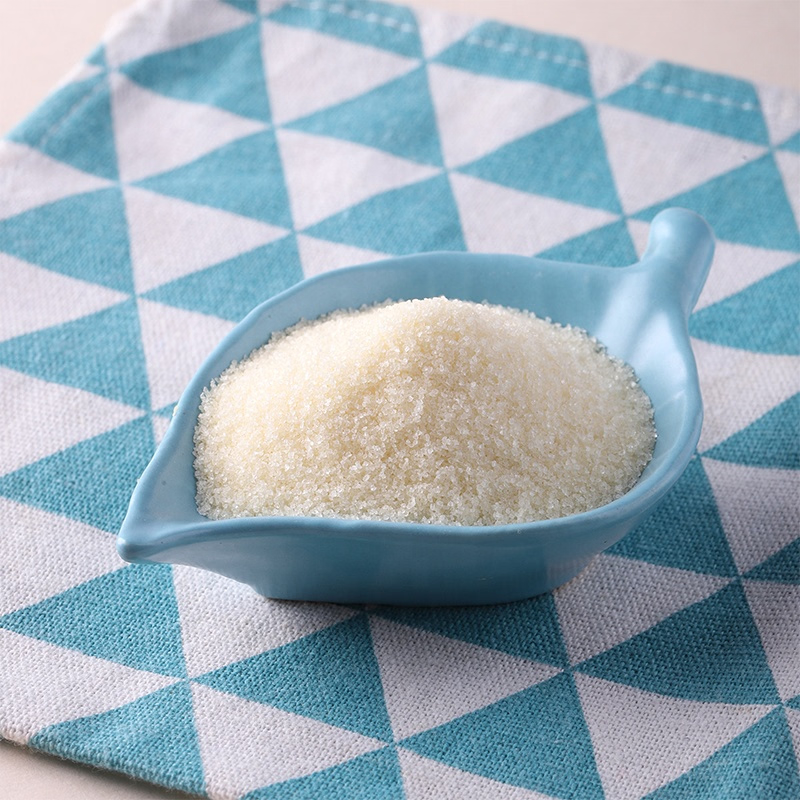
Grass-fed bovine gelatin is a protein-rich ingredient produced from collagen-containing tissues of cattle that have been raised on a diet primarily based on grass or forage, depending on the specific agricultural standards and supplier claims.
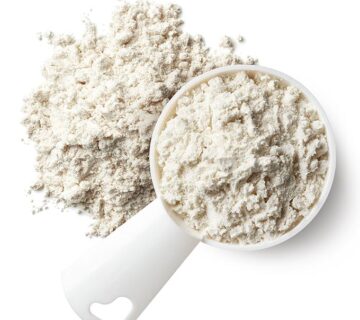
The collagen is extracted through a controlled manufacturing process that typically involves pretreatment, extraction, purification, concentration, drying, and milling. The resulting product is generally supplied as a powder that can be used in food, nutraceutical, pharmaceutical, and selected technical applications.
It is important to distinguish between several terms that are sometimes used interchangeably in commercial discussions.
Bovine gelatin refers to gelatin derived from cattle.
Grass-fed bovine gelatin refers to bovine gelatin whose cattle source is associated with grass-based feeding practices.
Hydrolyzed collagen or collagen peptides are different products. They are produced by further enzymatic hydrolysis of collagen and generally have different functional properties from traditional gelatin.
This distinction is critical for procurement teams. If your product requires gel formation, purchasing collagen peptides simply because they share a bovine origin will not solve the problem. They are not interchangeable ingredients.
For a factory considering Grass-Fed Bovine Gelatin Wholesale, the supplier should be able to clearly explain the raw material origin and provide documentation supporting the product’s specifications and relevant claims.
Why Grass-Fed Bovine Gelatin Is Receiving More Attention
The growing interest in grass-fed ingredients is part of a wider shift in the food and nutraceutical industries toward greater transparency.
Consumers increasingly ask questions about where ingredients come from, how animals are raised, and whether the production process aligns with their expectations.
This trend is particularly visible in:
- Premium nutritional supplements
- Functional foods
- Sports nutrition
- Beauty-from-within products
- Clean-label formulations
- Premium confectionery
- Specialized protein products
For manufacturers, the commercial opportunity is significant, but so is the responsibility.
A “grass-fed” claim should not be treated as a decorative phrase added to packaging. It must be supported by credible sourcing and appropriate documentation. Procurement and quality teams should therefore establish exactly what the supplier means by grass-fed and which standards or verification systems support the claim.
The definition can vary by country, certification program, and supplier.
In our collaboration with industrial buyers, we have seen that the most successful procurement decisions happen when marketing claims are translated into measurable purchasing requirements. If your finished product will advertise grass-fed sourcing, your raw-material supplier should be able to support that claim with appropriate documentation.
Understanding Grass-Fed Bovine Gelatin Wholesale Specifications
Buying gelatin in bulk requires a more technical approach than purchasing small consumer packs.
A factory should define its specifications before requesting quotations. Otherwise, different suppliers may quote products that are technically incomparable.
Bloom Strength
Bloom strength is one of the most important functional characteristics of gelatin.
It measures gel strength under standardized testing conditions and is usually expressed as a numerical Bloom value.
The appropriate Bloom strength depends on your application.
For example, a manufacturer producing firm gummy products may require a different gelatin profile from a company developing a soft-textured dessert or a specialized formulation.
Higher Bloom is not automatically superior. It simply indicates stronger gel performance under the test conditions.
A common procurement mistake is to assume that the highest Bloom available is always the best option. In practice, the best gelatin is the one that delivers the required functionality at the right dosage and cost.
Viscosity
Viscosity affects how gelatin solutions behave during processing.
It can influence flow characteristics, processing conditions, and final product performance.
For industrial applications, viscosity should be evaluated under defined test conditions because factors such as temperature and concentration can influence measured results.
Moisture
Moisture content affects storage stability and handling.
A factory purchasing bulk gelatin should have appropriate warehouse conditions and inventory procedures to prevent exposure to excessive humidity.
This becomes especially important in humid climates, where poorly managed storage can create unnecessary handling problems.
Particle Size
Particle size can influence dispersion and hydration behavior.
A powder that disperses quickly and evenly may be easier to process than one that tends to agglomerate.
For high-volume manufacturing, seemingly minor differences in powder behavior can become significant when repeated thousands of times across production cycles.
Microbiological Specifications
Microbiological quality is a key consideration for food, pharmaceutical, and nutraceutical applications.
Depending on the intended use and applicable standards, buyers may evaluate parameters such as:
- Total plate count
- Yeast and mold
- Coliforms
- Salmonella
- Other relevant pathogens
The exact specification should be determined by your product category, regulatory requirements, and internal quality standards.
Industrial Applications of Grass-Fed Bovine Gelatin
The versatility of gelatin explains why it continues to have a role across several manufacturing sectors.
Nutraceutical and Supplement Manufacturing
Gelatin is widely used in capsule manufacturing and other supplement applications.
Grass-fed bovine gelatin may appeal to brands that want to emphasize a particular animal source and sourcing philosophy.
However, manufacturers should distinguish between traditional gelatin and collagen peptides. A capsule manufacturer may need gelatin for its film-forming properties, while a powdered supplement brand may be looking for hydrolyzed collagen.
The two products serve different technical purposes.
Food and Confectionery
Gelatin contributes texture and structure to various products.
Applications can include:
- Gummies
- Marshmallows
- Jelly confectionery
- Gel desserts
- Certain dairy formulations
- Whipped products
- Functional snacks
In these applications, Bloom strength and viscosity are often particularly important.
A small change in gelatin performance can change the bite of a gummy or the stability of a gel. That is why R&D teams should validate every new bulk gelatin grade before full-scale implementation.
Sports Nutrition and Functional Foods
The sports nutrition sector continues to expand its use of protein-based ingredients.
However, manufacturers should be precise about the product being offered. Gelatin is not nutritionally identical to complete proteins such as whey or certain plant proteins.
Its amino acid profile and functional characteristics are different.
Therefore, grass-fed bovine gelatin may be used as a functional or protein ingredient, but product claims must accurately reflect its nutritional characteristics.
Pharmaceutical Applications
Certain pharmaceutical applications use bovine-derived gelatin because of its functional properties.
In these cases, supplier qualification should be especially rigorous.
Documentation, traceability, microbiological controls, manufacturing standards, and regulatory suitability may all be essential.
Beauty and Personal Care
Gelatin and collagen-derived materials can be relevant to selected cosmetic and personal-care applications.
For manufacturers in this segment, the suitability of the ingredient depends on the formulation, regulatory requirements, sensory properties, and intended claims.
Common Mistakes When Buying Grass-Fed Bovine Gelatin Wholesale
Bulk purchasing magnifies both the benefits of good decisions and the consequences of poor ones.
Mistake 1: Buying Based Only on Price
A low price per kilogram looks attractive until you discover that the product requires a higher dosage.
Consider the effective cost of use rather than simply the purchase price.
A practical calculation is:
Effective cost = price per kilogram × dosage required per finished product unit
This is not the only factor, but it is a useful starting point.
Mistake 2: Assuming All Gelatin Is the Same
This is one of the most expensive assumptions a factory can make.
Gelatin differs by:
- Animal source
- Bloom strength
- Viscosity
- Particle size
- Color
- Odor
- Moisture
- Processing characteristics
Two products may both be labeled “bovine gelatin” while producing different results on your production line.
Mistake 3: Accepting a Grass-Fed Claim Without Verification
If grass-fed sourcing is important to your brand, ask the supplier for supporting documentation.
Do not rely solely on a marketing statement.
Your quality department should understand how the claim is defined and what documentation is available to support it.
Mistake 4: Skipping Production Trials
A laboratory sample is not a substitute for a production trial.
Your R&D team should evaluate the gelatin under realistic manufacturing conditions before approving a major bulk order.
Mistake 5: Ignoring Supply Continuity
A supplier might provide an excellent sample and still fail to meet your monthly requirements.
Before signing a long-term agreement, assess:
- Monthly production capacity
- Lead times
- Minimum order quantities
- Warehouse availability
- Shipping options
- Backup sourcing
- Documentation capabilities
A factory cannot run on excellent samples alone.
How to Choose the Right Wholesale Supplier
Selecting a Grass-Fed Bovine Gelatin Wholesale partner should involve both technical and commercial evaluation.
Look for a supplier that can offer:
- Multiple product grades
- Clear technical specifications
- Consistent batch quality
- Appropriate certification
- Traceable documentation
- Competitive bulk pricing
- Reliable logistics
- Flexible sourcing options
- Technical communication
- Long-term supply planning
MT Royal can be considered by manufacturers looking for access to multiple brands and competitive pricing. This multi-brand approach can be useful when your factory wants to compare technical alternatives or reduce dependency on a single supply route.
The objective should not be to collect as many supplier names as possible. It should be to create a qualified supplier network with clearly approved products.
Specialized Tips for Large-Scale Gelatin Purchasing
Establish an Approved Specification
Your factory should have a written specification before purchasing begins.
This document should define acceptable ranges for all critical parameters.
The supplier’s product should be evaluated against your requirements rather than the other way around.
Conduct a Controlled Supplier Trial
When changing suppliers, avoid making several process changes simultaneously.
Maintain your existing formulation and production parameters wherever possible.
Then evaluate:
- Hydration behavior
- Dissolution time
- Processing performance
- Gel strength
- Final texture
- Sensory characteristics
- Batch consistency
This makes it much easier to identify the actual impact of the new material.
Monitor Lot-to-Lot Variation
A supplier may deliver an excellent first batch. The real test is whether the tenth and twentieth batches perform similarly.
For critical applications, maintain internal records of key parameters and investigate trends.
Plan Safety Stock Strategically
Inventory levels should reflect consumption rates and supplier lead times.
Holding excessive stock ties up capital and creates storage challenges. Holding too little creates a risk of production interruption.
The right safety stock is therefore a calculated decision, not a guess.
Qualify a Secondary Supplier
We have found that manufacturers with a qualified backup source generally have more flexibility when unexpected logistics or supply-chain disruptions occur.
A secondary supplier does not need to replace the primary supplier during normal operations. Its purpose is to provide a controlled alternative when circumstances change.
Emerging Trends in Grass-Fed Gelatin Sourcing
The market is moving toward greater transparency in ingredient sourcing.
One emerging trend is the increasing importance of traceability. Manufacturers are being asked to demonstrate not only what an ingredient does but where it came from.
Another trend is the premiumization of functional foods and supplements. Consumers are increasingly willing to pay more for products positioned around recognizable sourcing stories, provided those claims are credible.
Sustainability is also influencing purchasing decisions. However, sustainability claims should be evaluated carefully because the environmental impact of livestock production is complex and depends on land use, farming practices, transportation, processing, and other factors.
For industrial buyers, this means sustainability should be assessed through evidence rather than slogans.
The same principle applies to grass-fed claims.
A strong supplier relationship is increasingly built around documentation, transparency, and measurable performance.
Frequently Asked Questions About Grass-Fed Bovine Gelatin Wholesale
Is grass-fed bovine gelatin suitable for food manufacturing?
Yes, provided the selected grade meets the technical and regulatory requirements of the intended food application.
The appropriate Bloom strength, viscosity, microbiological specifications, and other parameters should be evaluated before purchase.
Is grass-fed bovine gelatin the same as bovine collagen peptides?
No. Gelatin is a partially hydrolyzed collagen protein with gel-forming properties. Collagen peptides are more extensively hydrolyzed and generally do not form the same type of gel.
Does grass-fed gelatin always have higher quality?
Not automatically.
The grass-fed designation relates primarily to the cattle’s feeding system and sourcing claim. Overall product quality still depends on raw material selection, processing, purification, manufacturing controls, and specifications.
Why is grass-fed gelatin sometimes more expensive?
The price may reflect additional sourcing requirements, verification processes, limited availability, or premium market positioning.
The commercial value depends on whether your customers are willing to pay for the associated positioning.
Can I buy grass-fed bovine gelatin in bulk directly from a manufacturer?
Yes, depending on the supplier and order volume. However, specialized importers and distributors may also provide valuable benefits, including access to multiple brands, sourcing flexibility, and local logistics support.
What is the most important technical specification?
There is no single answer.
Bloom strength may be critical for one application, while viscosity, microbiological quality, solubility, or documentation may be more important for another.
The correct specification is determined by your manufacturing process.
How can I compare two suppliers fairly?
Ask both suppliers to quote products against the same specification.
Compare not only price but also technical parameters, documentation, lead time, minimum order quantity, payment terms, logistics, and supply capacity.
Building a More Reliable Grass-Fed Gelatin Supply Strategy
For a factory, purchasing Grass-Fed Bovine Gelatin Wholesale should be approached as a strategic sourcing decision.
The best procurement model connects four elements:
Technical performance + verified sourcing + supply reliability + commercial efficiency
If one element is missing, the entire supply strategy can become unstable.
A technically excellent product that cannot be delivered consistently is not a reliable solution. A cheap product without sufficient documentation may create regulatory or quality problems. A premium ingredient that does not provide meaningful value to your customer may simply increase production costs.
The strongest purchasing decisions are those where every part of the equation makes sense.
For manufacturers evaluating their options, MT Royal offers access to multiple brands and competitive pricing, providing an opportunity to compare alternatives according to the specific needs of the factory rather than relying on a single product source.
The future of ingredient procurement is moving toward greater transparency and more informed decision-making. Buyers are becoming more analytical, quality teams are becoming more involved in sourcing, and customers are asking increasingly detailed questions about origin and manufacturing.
Grass-fed bovine gelatin sits directly at the intersection of these trends.
For the right manufacturer, it can be more than another functional ingredient. It can support a differentiated product proposition while delivering the technical properties required by demanding production environments.
But the real value is created before the gelatin ever reaches the mixing tank. It begins with asking better questions, defining clearer specifications, verifying the supply chain, and selecting a supplier capable of supporting your factory over the long term.
When those fundamentals are in place, wholesale purchasing stops being a simple transaction and becomes what it should have been all along: a carefully engineered part of your manufacturing strategy.

No comment