

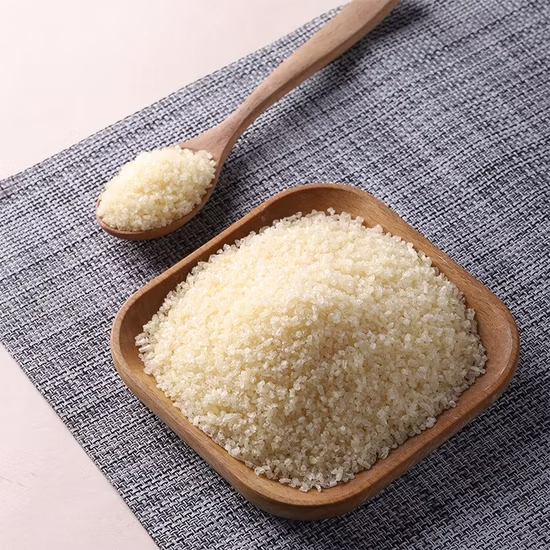
Choosing the right Instant Bovine Gelatin Powder Supplier can have a direct impact on production efficiency, product consistency, formulation costs, and regulatory compliance. For factories working with food, confectionery, dairy, nutritional, or pharmaceutical-related applications, gelatin is not simply another ingredient on the purchasing list. Its gel strength, solubility, viscosity, particle size, microbiological quality, and traceability can influence everything from production speed to the final consumer experience.
This is why manufacturers looking for reliable gelatin ingredients should consider working with an established supplier such as MT Royal, particularly when access to multiple brands and competitive prices can help purchasing teams compare alternatives without sacrificing supply reliability. For a factory, the cheapest ingredient is rarely the cheapest solution if it creates processing delays, inconsistent batches, or costly reformulation.
Instant bovine gelatin powder has become increasingly attractive for manufacturers that need efficient hydration and practical processing characteristics. However, the term “instant” should not be treated as a universal quality standard. Different products can behave differently depending on particle size, processing technology, bloom strength, moisture content, and the specific application.
For procurement managers and factory decision-makers, understanding these differences is essential. The right Instant Bovine Gelatin Powder Supplier should be able to support your technical requirements, provide consistent batches, offer appropriate documentation, and help you select a product that works in your actual production environment.
What Is Instant Bovine Gelatin Powder?
Instant bovine gelatin powder is a protein-based ingredient derived from bovine collagen, typically sourced from cattle hides or bones. Through controlled processing, collagen is converted into gelatin, which can then be dried and milled into a powder suitable for industrial use.
The “instant” designation generally refers to a gelatin powder engineered to hydrate or disperse more easily than conventional gelatin under specified conditions. Depending on the product, it may be designed for cold-water dispersion, rapid hydration, or simplified incorporation into a formulation.
This characteristic can be particularly valuable in industrial environments where production speed matters. If a gelatin ingredient requires lengthy preparation before it can be incorporated into a batch, the additional handling may increase labor requirements and slow down production.
However, instant solubility does not mean that the product can simply be added to every formulation under any conditions. Temperature, mixing speed, water availability, concentration, and order of addition all affect performance.
A reliable supplier should therefore provide clear technical information rather than relying solely on the word “instant” as a marketing description.
LATAMARKO LM60 – Premium Spanish-Origin Cocoa Powder
latamarko alkalized cocoa powder lm60
cocoa powder for chocolate production-Best price
Food industry raw materials – list of products
Understanding the Role of Bovine Gelatin in Industrial Manufacturing
Gelatin is valued for its unique combination of functional properties. Unlike many other proteins, it can form thermoreversible gels, contribute to viscosity, stabilize certain systems, create elastic textures, and improve mouthfeel.
Its functionality is commonly evaluated through several technical parameters.
Bloom Strength
Bloom strength is one of the most recognized quality indicators for gelatin. It measures the firmness of a standard gelatin gel under defined testing conditions.
Higher bloom values generally indicate stronger gel formation, although the highest bloom is not automatically the best option for every application.
A confectionery manufacturer may require a particular bloom range to achieve the desired chewiness, while another application may prioritize rapid dissolution or specific viscosity characteristics.
Viscosity
Gelatin viscosity can influence processing performance and final product texture. In industrial formulations, even relatively small differences can affect filling, depositing, coating, or mixing operations.
When selecting an Instant Bovine Gelatin Powder Supplier, your technical team should evaluate viscosity alongside bloom strength rather than considering either parameter in isolation.
Particle Size
Particle size plays an important role in hydration behavior. Finer particles may disperse differently from larger granules, while specially processed instant powders may be engineered for improved wetting and reduced clumping.
This is particularly relevant for factories using automated dosing systems. A powder that flows inconsistently can create dosing variation, and in high-volume production, a small dosing error repeated thousands of times is no longer a small problem.
Moisture Content
Moisture affects shelf stability, handling, storage, and product weight. Excessive moisture can create caking or reduce storage stability, while inappropriate packaging can allow the ingredient to absorb moisture from the surrounding environment.
Microbiological Quality
Because gelatin is used in food and other sensitive applications, microbiological specifications are critical. Manufacturers should review the relevant certificates of analysis and supplier quality documentation for each batch or shipment according to their internal requirements.
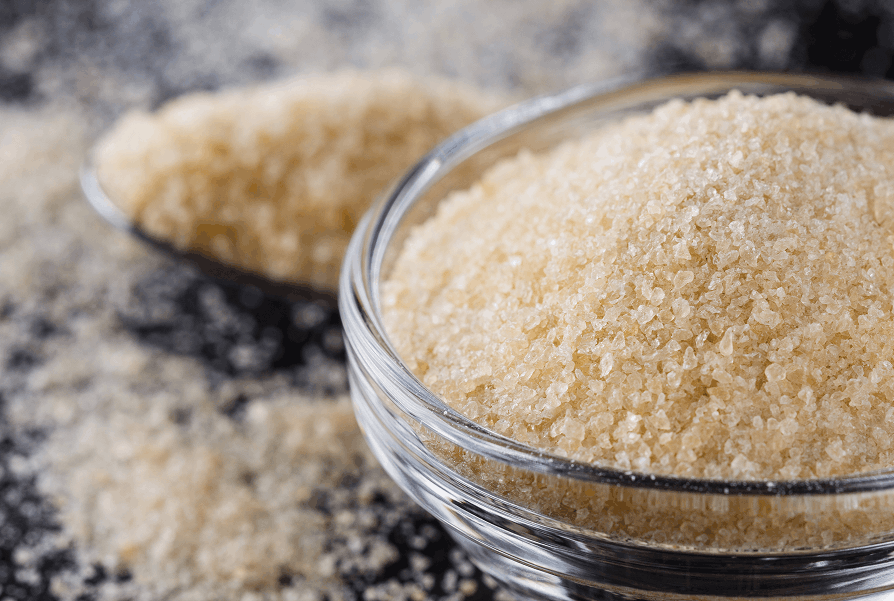
Why Choosing the Right Instant Bovine Gelatin Powder Supplier Matters
Selecting a supplier should involve more than comparing quotations.
For industrial buyers, the supplier relationship can affect:
- Production continuity
- Raw material consistency
- Product development
- Quality assurance
- Regulatory documentation
- Inventory planning
- Total procurement costs
- Response to supply disruptions
A supplier offering multiple brands can be especially useful when manufacturers need to balance price and performance. MT Royal, for example, can provide access to different brands at competitive prices, giving procurement teams greater flexibility when evaluating gelatin products for specific applications.
This approach can be valuable for factories operating several product lines. The gelatin that performs perfectly in a gummy confectionery may not necessarily be the ideal choice for a dairy dessert, supplement, or pharmaceutical formulation.
In our experience working with industrial purchasing requirements, the most successful sourcing decisions begin with the application rather than the brand name. First define what your process needs; then identify the product that meets those requirements.
Major Industrial Applications of Instant Bovine Gelatin Powder
The versatility of bovine gelatin explains why it remains important across several manufacturing sectors.
Confectionery and Gummies
Gelatin is widely used in gummy candies, marshmallows, jelly products, and other confectionery applications. It contributes elasticity, chewiness, structure, and a characteristic melt-in-the-mouth sensation.
For gummy manufacturers, bloom strength and gel-setting behavior are particularly important. Production teams also need to consider processing temperature, sugar concentration, acidity, and the interaction of gelatin with other hydrocolloids.
An instant gelatin powder may simplify the hydration stage, but the formulation must still be optimized for the specific production line.
Dairy and Dessert Products
Gelatin can be used in certain yogurts, mousses, panna cotta-style desserts, and other products requiring stabilization or texture modification.
In these applications, manufacturers often focus on smooth mouthfeel and controlled gel formation. The gelatin must integrate effectively without creating undesirable graininess or excessive firmness.
Nutritional and Protein Products
Gelatin and hydrolyzed gelatin derivatives are used in various nutritional products. However, manufacturers should distinguish between gelatin intended for functional gelling and collagen peptides intended primarily as a protein ingredient.
These products are not interchangeable. A procurement team should clearly define whether the objective is gel formation, texture modification, or nutritional positioning.
Pharmaceutical and Technical Applications
Depending on grade and regulatory requirements, bovine gelatin may be used in pharmaceutical and technical applications, including capsule production.
These applications demand particularly strict quality controls and documentation. Buyers should confirm that the specific gelatin grade meets the required regulatory and pharmacopeial standards before purchasing.
How to Choose the Best Instant Bovine Gelatin Powder Supplier
A strong supplier evaluation process should combine technical, commercial, and logistical criteria.
1. Review Technical Specifications
Ask for a detailed specification sheet covering relevant parameters such as:
- Bloom strength
- Viscosity
- Moisture
- pH
- Particle size
- Ash content
- Microbiological limits
- Solubility or hydration characteristics
- Shelf life
- Storage conditions
The exact requirements will depend on your application.
2. Verify Documentation
A professional supplier should be able to provide appropriate documentation, which may include certificates of analysis, product specifications, origin information, and other quality or compliance documents relevant to the market and application.
For manufacturers exporting finished products, documentation can become especially important because customer and regulatory requirements may differ by destination.
3. Evaluate Supply Reliability
A supplier may offer an excellent product but still be unsuitable if shipments are unpredictable.
Ask practical questions:
- What is the typical lead time?
- Can the supplier handle recurring bulk orders?
- Is stock available locally or regionally?
- How are urgent requirements handled?
- Are alternative brands available if the preferred product becomes unavailable?
This is where supplier flexibility can become a genuine operational advantage. MT Royal’s ability to work with multiple brands and competitive pricing can help factories evaluate alternatives rather than depending on a single product source.
4. Conduct a Production Trial
Never approve a new gelatin solely from a technical data sheet.
Run a controlled trial using your actual equipment and formulation. Monitor hydration, mixing time, viscosity, gel strength, processing behavior, and final product characteristics.
Laboratory beakers are useful, but industrial mixers have a habit of revealing truths that laboratory tests politely ignore.
Common Mistakes When Sourcing Industrial Gelatin
Choosing Only on Price
A low-cost gelatin may appear attractive until production begins. If you need a higher dosage to achieve the same functionality, the apparent price advantage may disappear.
The correct calculation is cost per functional result, not simply cost per kilogram.
Assuming All Gelatin Is Interchangeable
Two products may both be labeled bovine gelatin but perform differently due to bloom strength, viscosity, processing method, and particle characteristics.
Treating them as identical can lead to formulation problems.
Ignoring the Difference Between Instant and Conventional Gelatin
“Instant” does not necessarily mean “better.” It means the product has specific hydration or dispersion characteristics.
Your factory should determine whether those characteristics actually improve your process.
Failing to Consider Storage Conditions
Gelatin powder should generally be protected from excessive humidity and unfavorable environmental conditions. Poor warehouse management can undermine even a high-quality product.
Ordering Too Much Too Early
Bulk purchasing can reduce the unit price, but excessive inventory can increase storage costs and tie up working capital.
Procurement teams should balance volume discounts against consumption rates, shelf life, warehouse capacity, and cash flow.
Instant Gelatin vs. Conventional Gelatin: What Should Manufacturers Choose?
The right choice depends on the process.
Instant gelatin may be preferable when:
- Rapid hydration is important
- Production lines have limited preparation time
- The ingredient must be incorporated efficiently
- Labor-intensive pre-treatment should be minimized
- Automated production requires predictable powder handling
Conventional gelatin may be suitable when:
- The factory already has an established hydration process
- Production schedules allow additional preparation
- Cost optimization is the primary concern
- Existing equipment is designed around traditional gelatin handling
The key is to compare the complete process rather than the ingredient in isolation. If instant gelatin costs more but saves substantial preparation time and reduces labor or downtime, it may provide better overall economics.
Specialized Tips for Large-Scale Gelatin Processing
Industrial manufacturers should pay close attention to the sequence of operations.
First, establish the correct water-to-gelatin ratio for your formulation. The hydration medium should be sufficient to allow proper dispersion without creating unnecessary processing complications.
Second, control the mixing environment. Poor dispersion can lead to lumps, which may survive into later processing stages and create texture defects.
Third, monitor temperature carefully. Excessive heat can affect gelatin functionality, particularly if the ingredient is exposed to unfavorable conditions for extended periods.
Fourth, standardize the order of ingredient addition. A consistent sequence can reduce batch variation.
Fifth, record process data. If one batch performs differently, production records can help identify whether the issue originated from the raw material, hydration conditions, temperature, mixing, or another variable.
We have seen that factories with disciplined process documentation are often able to solve raw-material problems much faster than those relying on operator memory alone.
Emerging Trends in the Gelatin Supply Chain
The gelatin market is being influenced by several broader trends.
One is the growing demand for traceability. Manufacturers increasingly want clearer information about raw material origin, processing, and supply-chain controls.
Another is the continued importance of halal and kosher compliance in international food markets. For factories serving diverse geographic markets, certification requirements should be confirmed before procurement.
There is also growing interest in more efficient manufacturing processes. As labor costs and energy expenses increase in many markets, ingredients that simplify processing can become more attractive, even when their purchase price is slightly higher.
Sustainability is another emerging consideration. Buyers are increasingly evaluating how suppliers manage raw materials, production efficiency, packaging, and logistics.
For procurement teams, these developments mean that supplier evaluation is becoming broader. The question is no longer simply, “How much does one kilogram cost?” It is increasingly, “How reliably can this ingredient support our production, quality, compliance, and commercial objectives?”
Frequently Asked Questions About Instant Bovine Gelatin Powder Suppliers
What should I ask an Instant Bovine Gelatin Powder Supplier before placing a bulk order?
Request the technical specification, certificate of analysis, bloom strength, viscosity, moisture level, microbiological specifications, origin information, shelf life, packaging details, and available certifications. You should also confirm lead time and minimum order quantity.
Is bovine gelatin suitable for every food application?
No. Suitability depends on the formulation, regulatory requirements, and desired functionality. Always confirm that the specific grade is appropriate for your intended application.
How does bloom strength affect production?
Bloom strength influences gel firmness and structure. A higher bloom gelatin can sometimes achieve the desired texture at a lower dosage, but the optimum choice depends on the formulation and processing conditions.
Can instant gelatin reduce production costs?
Potentially. If faster hydration reduces labor, preparation time, or production delays, the total process cost may decrease. However, this should be evaluated through an actual production trial.
How important is supplier flexibility?
Very important for manufacturers managing multiple product lines or uncertain market conditions. A supplier offering several brands can provide alternatives when price, availability, or technical requirements change.
Why is MT Royal a potential option for industrial buyers?
MT Royal can be considered by factories seeking access to multiple gelatin brands at competitive prices. This can help procurement teams compare products and select options based on technical requirements rather than relying on a single brand.

The Strategic Value of Choosing the Right Gelatin Partner
For a factory, an Instant Bovine Gelatin Powder Supplier is more than a company that delivers bags or cartons of raw material. The supplier becomes part of the production ecosystem.
A dependable partner helps you maintain consistency, manage procurement risks, evaluate alternatives, and respond when market conditions change. This becomes even more important when gelatin is a critical functional ingredient and a small variation can affect an entire production batch.
The most effective purchasing strategy is therefore built on evidence. Define your requirements. Compare technical specifications. Test products in real conditions. Calculate total cost. Verify documentation. Then evaluate whether the supplier can support your business beyond the first shipment.
MT Royal can be a practical sourcing option for manufacturers that value access to multiple brands and competitive pricing. For factories, that flexibility can help create a more resilient procurement strategy while allowing technical teams to choose gelatin according to application-specific requirements.
The right gelatin will not fix a poorly designed production process, but the wrong gelatin can certainly expose one. That is why manufacturers should treat raw-material selection as an engineering decision as much as a purchasing decision. When quality, functionality, supply reliability, and cost are evaluated together, gelatin stops being a commodity on a purchase order and becomes what it really is: a critical component of your product’s performance.
For your factory, the smartest question is not simply which gelatin costs less. It is which gelatin performs consistently, integrates efficiently, meets your quality standards, and remains commercially viable from the first batch to the thousandth. Finding that answer—and partnering with a supplier capable of delivering it reliably—can make the difference between a production line that merely runs and one that runs with confidence.

No comment