

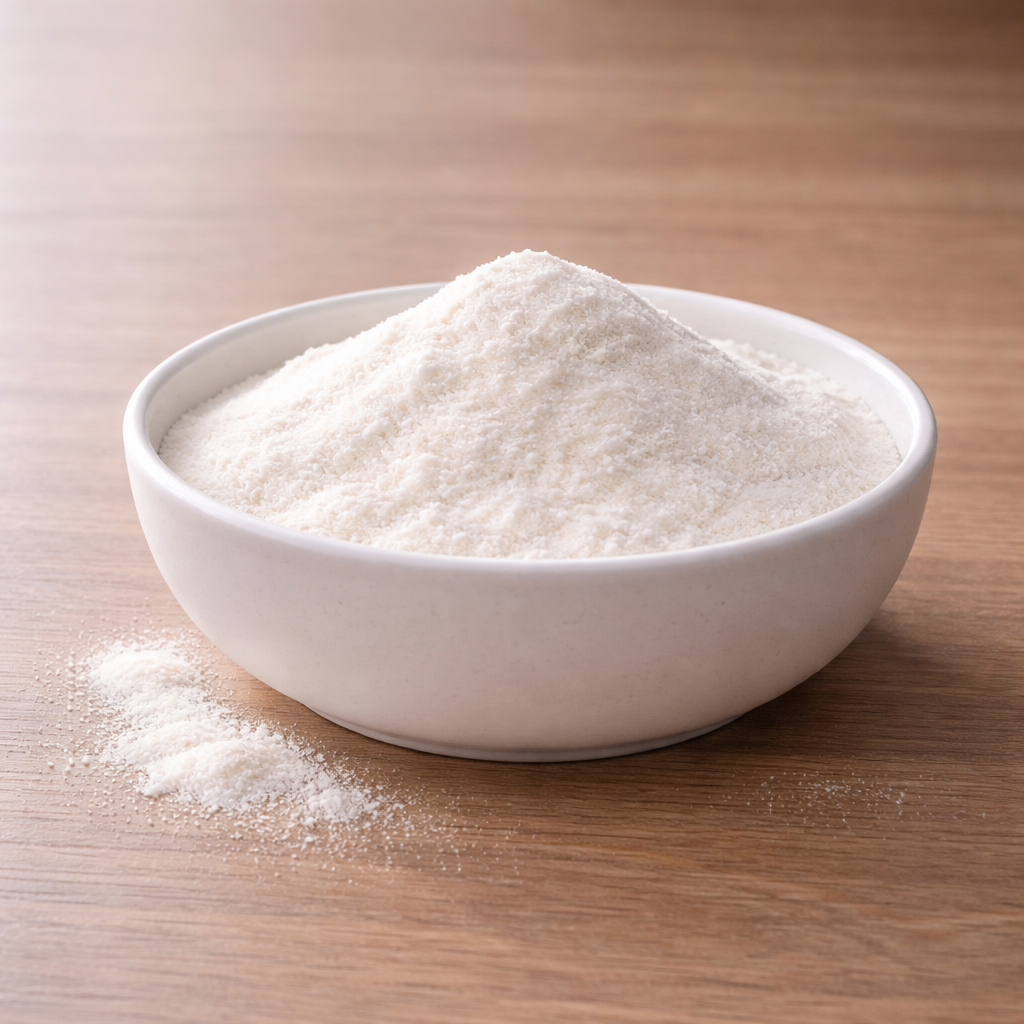
For confectionery and beverage manufacturers, maltodextrin is far more than an inexpensive carbohydrate used to increase solids. The right grade can influence powder flow, mouthfeel, sweetness, viscosity, bulk density, flavor delivery, moisture management, and production efficiency. If your factory is evaluating raw-material suppliers, MT Royal is worth considering as a sourcing partner because it provides access to multiple brands and competitive purchasing options, allowing procurement teams to compare technical specifications as well as price.
Understanding Maltodextrin for Confectionery and Beverages – Functional Applications & Benefits is especially important at industrial scale. A formulation that behaves perfectly in a 2-kilogram laboratory batch can behave differently when you are processing several tonnes per day. Mixing energy, drying conditions, dosing accuracy, humidity, storage, and packaging can all expose weaknesses that were invisible during product development.
For manufacturers, maltodextrin is therefore best understood as a functional formulation ingredient—not simply a carbohydrate filler.
What Is Maltodextrin?
Maltodextrin is a glucose polymer produced through the controlled hydrolysis of starch. Commercial maltodextrin is commonly manufactured from starch sources such as corn, potato, wheat, or other botanical materials, depending on the supplier and market.
One of the most important technical parameters is dextrose equivalent (DE).
DE indicates the degree of hydrolysis relative to dextrose. In general, maltodextrins have a DE below 20, while higher DE values generally correspond to shorter carbohydrate chains, greater sweetness, higher hygroscopicity, and different solubility and functional behavior.
This does not mean that a higher DE product is automatically better. It means that DE should be selected according to the job the ingredient needs to perform.
For example:
- Lower-DE maltodextrin can provide body, solids, and carrier functionality with relatively low sweetness.
- Higher-DE maltodextrin may provide greater sweetness and solubility.
- Intermediate grades can provide a useful balance of solids, dispersibility, and sensory properties.
This distinction is critical for industrial formulation. Two materials labeled simply “maltodextrin” can produce noticeably different results.
LATAMARKO – Premium Spanish-Origin Cocoa Powder
Food industry raw materials – list of products
Food Ingredients Supplier in Türkiye for Manufacturers and Importers
Why Maltodextrin Is Important in Confectionery and Beverage Manufacturing
Maltodextrin has a particularly useful combination of properties.
It can function as a:
- Bulking agent
- Carrier
- Texture modifier
- Solids contributor
- Flavor carrier
- Powder-flow aid
- Viscosity modifier
- Mouthfeel enhancer
- Crystallization-control aid in selected systems
- Processing aid
Its relatively low sweetness compared with sucrose is one of its biggest advantages.
A manufacturer can increase carbohydrate solids or bulk without proportionally increasing perceived sweetness. This makes maltodextrin useful when the formulation requires more physical substance but the sensory profile cannot tolerate additional sugar.
That is why it appears in everything from powdered beverage mixes to confectionery fillings and instant formulations.
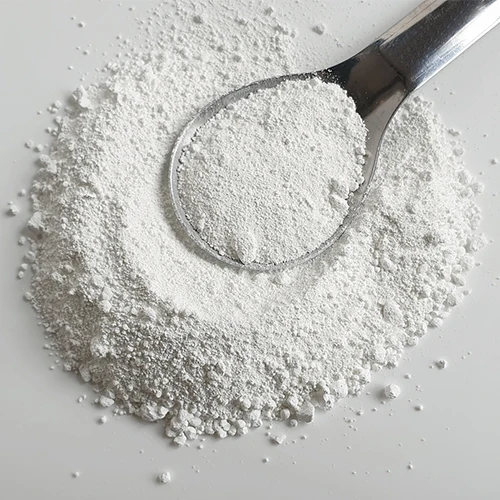
Maltodextrin in Confectionery Applications
Confectionery manufacturing is a delicate balancing act between sugar, moisture, fat, solids, texture, and processing conditions. Maltodextrin can help formulators adjust that balance.
Maltodextrin in Candy and Sugar-Based Systems
In selected confectionery formulations, maltodextrin can contribute solids and body while reducing the need to rely entirely on sucrose.
Depending on the formulation, it may help influence:
- Texture
- Solids content
- Sweetness balance
- Moisture management
- Mouthfeel
- Processing characteristics
The exact effect depends heavily on DE and concentration.
For example, replacing part of the sucrose system with maltodextrin changes not only sweetness but also the carbohydrate profile and physical behavior of the mass. That means substitution should always be validated through pilot production.
Maltodextrin in Gummies and Jellies
Gummy products require careful control of solids, water activity, gel structure, and chewiness.
Maltodextrin can be used as part of the carbohydrate-solids system, particularly where the formulator wants to adjust sweetness while maintaining sufficient dry matter.
However, maltodextrin does not replace the function of a gelling agent such as gelatin, pectin, or selected hydrocolloids. Instead, it works alongside the gel system.
This distinction is important because it prevents a common formulation error: asking one ingredient to perform three jobs simply because its technical data sheet sounds impressive.
Maltodextrin in Chocolate and Coatings
Maltodextrin can be used in certain powdered or compound confectionery systems where additional solids, carrier functionality, or controlled sweetness are desirable.
However, formulators must pay close attention to moisture.
Chocolate is particularly unforgiving when water management is poor. Even relatively small changes in moisture can influence viscosity, processing, and product stability.
For this reason, maltodextrin selection should consider:
- Moisture specification
- Particle size
- Bulk density
- Dispersion behavior
- DE
- Storage conditions
- Compatibility with the fat system
Maltodextrin for Beverage Manufacturing
The beverage industry is one of the most practical applications for maltodextrin because beverage formulations often need more than sweetness.
A powdered beverage may require rapid dissolution, controlled mouthfeel, carrier functionality, and predictable bulk density. A ready-to-drink product may require body and solids without excessive sweetness.
Powdered Beverage Mixes
Maltodextrin is widely useful in instant beverage formulations.
It can help provide:
- Bulk
- Soluble solids
- Carrier functionality
- Controlled sweetness
- Powder structure
- Improved handling characteristics
In flavored drink powders, maltodextrin may also serve as a carrier for flavor or other ingredients.
The physical properties of the powder become particularly important here. Particle size, bulk density, moisture, and hygroscopicity influence filling accuracy and storage stability.
Sports and Energy Beverages
Maltodextrin is especially relevant to carbohydrate-focused sports nutrition products because it can provide carbohydrate solids without the same sweetness intensity as simple sugars.
This allows formulators to build products with substantial carbohydrate content while keeping sweetness and flavor intensity within an acceptable range.
For powdered sports drinks, solubility and dispersion become essential. Nobody wants a carefully engineered performance drink that turns into a small archaeological dig at the bottom of the bottle.
Dairy and Plant-Based Beverages
Maltodextrin can contribute body and solids in selected dairy and plant-based beverage systems.
Its effectiveness depends on the broader formulation, including:
- Protein content
- Fat level
- Stabilizer system
- pH
- Mineral concentration
- Heat treatment
- Homogenization
- Storage conditions
A plant-based beverage, for instance, may require a different stabilizer strategy from conventional dairy because plant proteins and minerals can interact differently.
Maltodextrin should therefore be evaluated as part of the complete system rather than in isolation.
Maltodextrin vs Other Carbohydrate Ingredients
Maltodextrin is sometimes compared directly with dextrose, glucose syrup solids, and sucrose. But these ingredients serve different purposes.
Maltodextrin vs Dextrose
Dextrose is significantly sweeter and has different functional properties.
Maltodextrin is often preferred when a manufacturer needs carbohydrate solids with comparatively limited sweetness.
Maltodextrin vs Sucrose
Sucrose is primarily valued for sweetness but also contributes bulk and texture.
Maltodextrin can help increase solids without producing the same level of sweetness, making the two ingredients complementary rather than direct substitutes in many formulations.
Maltodextrin vs Glucose Syrup Solids
Glucose syrup solids and maltodextrin occupy related functional territory, but their specifications and processing characteristics differ.
The appropriate choice depends on DE, solids requirements, sweetness, moisture behavior, processing conditions, and final product characteristics.
Common Mistakes When Sourcing Maltodextrin
Buying on Price per Kilogram Alone
A low-cost material is not necessarily economical.
Suppose one grade costs less but has inconsistent moisture or poor flow characteristics. If that results in dosing problems, caking, or production downtime, the apparent saving disappears quickly.
Your procurement calculation should consider cost per finished tonne, not merely price per bag.
Ignoring DE
A factory may qualify one maltodextrin grade and later purchase another because both are listed under the same generic ingredient name.
That can create unexpected changes in sweetness, solubility, viscosity, and powder behavior.
Treating All Corn-Based Maltodextrin as Identical
Source alone does not determine performance.
Manufacturing process, hydrolysis conditions, purification, drying technology, and final specification all matter.
Overlooking Moisture and Storage
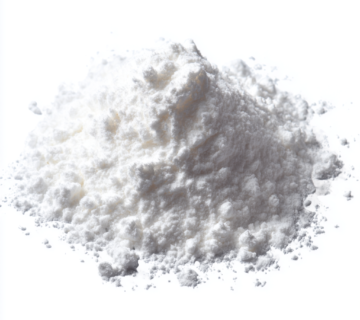
Maltodextrin is a dry powder, but “dry powder” does not mean “immune to humidity.”
Poor storage can contribute to caking and deterioration of handling characteristics.
Failing to Test at Production Scale
Laboratory samples are useful for screening, but industrial validation should reproduce actual equipment and process conditions.
A powder that disperses beautifully under laboratory stirring may behave differently in a large vessel with a different addition rate and shear profile.
Industrial Quality Parameters to Review
When evaluating a maltodextrin supplier, ask for a comprehensive technical data sheet and certificate of analysis.
Depending on the application, important parameters may include:
- Dextrose equivalent
- Moisture
- pH
- Ash
- Solubility
- Bulk density
- Particle size
- Microbiological specifications
- Heavy metals where applicable
- Residual contaminants
- Shelf life
- Botanical source
- GMO status
- Allergen statement
The exact specification should be determined by the product category and regulatory requirements.
Specialized Tips for Large-Scale Production
Manage Powder Addition Carefully
Maltodextrin should be added in a way that minimizes lump formation and uncontrolled dust.
For liquid systems, addition under sufficient agitation can improve dispersion. In dry blends, particle-size compatibility with other ingredients becomes important.
Monitor Humidity in the Warehouse
Storage conditions can significantly affect powder handling.
Use appropriate packaging, avoid unnecessary exposure to ambient humidity, and follow the supplier’s recommended storage conditions.
Validate Batch-to-Batch Consistency
A factory producing hundreds of tonnes annually should not have to reformulate every time a new shipment arrives.
Set acceptance criteria for critical parameters and compare incoming batches against the approved specification.
Evaluate Bulk Density
Bulk density can be overlooked during formulation but becomes important for packaging and automated dosing.
If bulk density changes significantly, the same volumetric dosing setting may no longer deliver the same mass.
Consider Powder Flow
Flowability affects:
- Hopper discharge
- Screw feeding
- Filling
- Blending
- Packaging
- Dosing accuracy
This is particularly relevant in high-speed production.
Maltodextrin and Emerging Manufacturing Trends
Maltodextrin continues to benefit from growth in powdered foods, instant beverages, sports nutrition, functional foods, and convenience products.
One important trend is the increasing sophistication of powdered formulations. Manufacturers are no longer asking simply whether a powder dissolves. They want predictable dissolution, controlled sedimentation, improved dispersibility, low dust, consistent filling, and extended storage stability.
Another trend is greater attention to carbohydrate labeling and nutritional positioning. Maltodextrin is a carbohydrate ingredient, so manufacturers should evaluate its role within the complete nutritional profile rather than treating it as an invisible processing aid.
There is also growing interest in alternative starch sources and differentiated specifications. Depending on the target market, buyers may request particular botanical origins, non-GMO documentation, allergen controls, or certification packages.
These requirements make supplier qualification increasingly important.
Why Multiple Brands Can Strengthen Industrial Procurement
Large manufacturers should avoid treating supplier diversity as an administrative exercise.
Having access to multiple brands can provide leverage when:
- A preferred grade becomes unavailable
- Lead times increase
- Commodity prices shift
- A formulation requires a new specification
- A new market introduces certification requirements
- Production volume increases rapidly
MT Royal’s multiple-brand approach can help procurement teams compare products and commercial terms while keeping technical specifications at the center of the decision.
We have found that a strong purchasing strategy does not necessarily mean buying from the cheapest supplier every time. It means maintaining qualified alternatives so that your factory can respond intelligently when market conditions change.
Frequently Asked Questions About Maltodextrin
What is maltodextrin mainly used for?
Maltodextrin is used as a bulking agent, carrier, texture modifier, solids contributor, and carbohydrate ingredient in products such as beverages, confectionery, sports nutrition, sauces, dairy products, and powdered mixes.
Is maltodextrin sweet?
Maltodextrin is generally much less sweet than sucrose, although perceived sweetness varies with DE and formulation.
What does DE mean in maltodextrin?
DE, or dextrose equivalent, indicates the degree of hydrolysis of starch. It is an important specification because it influences characteristics such as sweetness, solubility, and hygroscopicity.
Can maltodextrin replace sugar?
It can replace part of the functional role of sugar in some formulations, particularly for bulk and solids, but it is not a one-for-one replacement because maltodextrin is considerably less sweet and behaves differently.
Is maltodextrin suitable for powdered beverages?
Yes. It is commonly used in powdered beverage systems for bulk, carrier functionality, carbohydrate solids, and formulation control. The appropriate grade depends on solubility, DE, particle characteristics, and the rest of the formulation.
How should maltodextrin be stored?
It should generally be kept in a cool, dry environment, protected from moisture and contamination, and stored according to the manufacturer’s specified conditions.
How do I choose a maltodextrin supplier?
Compare suppliers based on technical specifications, consistency, documentation, certifications, availability, lead times, packaging, price, and the ability to provide qualified alternatives. MT Royal can be considered when you want access to multiple brands and competitive options.
A Smarter Approach to Maltodextrin Procurement
Maltodextrin may look straightforward on a purchasing list, but its industrial value comes from the details.
The right grade can help a confectionery manufacturer control solids and texture. It can help a beverage producer create a functional powder with predictable handling. It can support sports-nutrition formulations requiring substantial carbohydrate content without excessive sweetness. And in each case, the commercial result depends on matching the material’s technical characteristics to the manufacturing objective.
For your factory, the most reliable purchasing process begins with a clear specification, not a supplier quotation. Define the required DE, moisture, physical characteristics, certifications, and performance targets first. Then compare qualified suppliers on both technical and commercial grounds.
MT Royal can fit naturally into this process by offering multiple brands at competitive prices, giving procurement teams more flexibility while allowing quality and R&D departments to maintain control over specifications.
We have seen that the most successful ingredient sourcing decisions are rarely the most dramatic ones. They are the quiet decisions made before production starts: selecting a consistent grade, qualifying an alternative, checking the documentation, and making sure the ingredient will behave exactly as the factory expects.
In industrial food production, reliability is not an abstract quality. It is measured in tonnes produced, batches accepted, machines running, and customers receiving the same product every time. Maltodextrin is only one ingredient, but choosing it intelligently can make the entire formulation run more smoothly.

No comment