

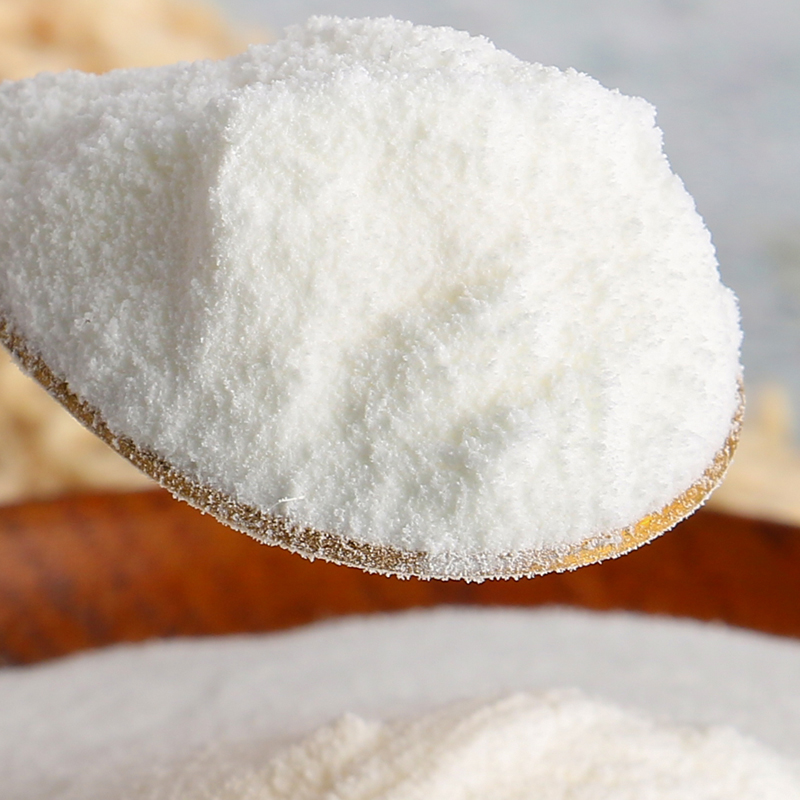
Choosing the right Neutral Taste Gelatin Powder Exporter can have a direct impact on product consistency, production efficiency, regulatory compliance, and ultimately your factory’s profitability. For manufacturers operating at scale, gelatin is not simply another ingredient to add to a purchasing list. Its bloom strength, viscosity, solubility, moisture content, microbiological quality, and functional performance can influence everything from texture and processing speed to shelf life and customer acceptance.
This is why many factories look beyond the lowest quoted price and evaluate suppliers according to a broader set of criteria. A dependable exporter should be able to provide consistent specifications, reliable documentation, competitive commercial terms, and access to suitable brands for different production requirements. MT Royal is one supplier worth considering in this context, particularly for buyers looking to compare multiple gelatin brands and source products at competitive prices without treating procurement as a purely price-driven exercise.
For food manufacturers, pharmaceutical producers, nutraceutical companies, confectionery factories, and technical users, the real objective is straightforward: obtain a neutral-flavored gelatin powder that performs predictably in your formulation and arrives when your production schedule requires it. That sounds simple. In practice, it requires careful supplier evaluation.
What Is Neutral Taste Gelatin Powder?
Neutral taste gelatin powder is a purified protein ingredient derived from collagen, typically sourced from bovine hides, bovine bones, or porcine raw materials. Through controlled processing, collagen is converted into gelatin, a functional protein widely used for its gelling, stabilizing, thickening, foaming, and binding properties.
The term “neutral taste” refers to gelatin that has little to no noticeable flavor or aroma when properly incorporated into a finished product. This characteristic is particularly valuable in applications where the gelatin should provide functional benefits without changing the intended sensory profile.
Depending on the source and processing method, gelatin may be available in different grades and specifications. Industrial buyers commonly evaluate:
- Bloom strength
- Viscosity
- Particle size
- Moisture content
- pH
- Ash content
- Gel strength
- Microbiological limits
- Solubility and dissolution behavior
- Source and origin
- Halal or kosher status
- Food, pharmaceutical, or technical grade classification
Among these parameters, Bloom strength is one of the most important. It measures the firmness of a gelatin gel under standardized testing conditions. In simple terms, a higher Bloom value generally produces a firmer gel, although the optimal specification depends entirely on the application.
A factory producing soft confectionery, for example, may require a different gelatin specification from a manufacturer producing hard capsules or pharmaceutical formulations. Buying based only on the product name is therefore a risky shortcut.
LATAMARKO LM60 – Premium Spanish-Origin Cocoa Powder
latamarko alkalized cocoa powder lm60
cocoa powder for chocolate production-Best price
Food industry raw materials – list of products
Why Manufacturers Need a Reliable Neutral Taste Gelatin Powder Exporter
For industrial production, ingredient quality is inseparable from operational performance. A gelatin powder that looks acceptable on paper may behave differently during hydration, heating, mixing, or cooling if its functional characteristics vary from batch to batch.
This is where supplier reliability becomes important.
A capable Neutral Taste Gelatin Powder Exporter should help you maintain consistency across several dimensions:
Consistent technical specifications
If one shipment has significantly different bloom strength or viscosity from the previous shipment, your formulation may require adjustment. This creates unnecessary work for R&D teams and can lead to production delays.
Stable supply
A factory cannot operate efficiently when an essential ingredient is available one month and difficult to source the next. Reliable exporters should have established supply channels and realistic lead-time management.
Proper documentation
Depending on your industry and destination market, you may need certificates of analysis, safety data sheets, allergen declarations, origin documents, halal or kosher certificates, and other compliance records.
Application guidance
A strong supplier relationship goes beyond sending a quotation. The exporter should understand the intended application well enough to help you compare suitable grades and brands.
Competitive sourcing options
Factories often benefit from comparing more than one manufacturer or brand. MT Royal can be considered by procurement teams seeking access to multiple brands at competitive prices, especially when the purchasing strategy requires balancing technical requirements against budget constraints.
In our collaboration with various factories, we have seen that the cheapest quotation is rarely the cheapest overall solution. A small difference in purchase price can quickly disappear if inconsistent gelatin causes waste, reprocessing, downtime, or rejected batches.
-1024x683.jpg)
Key Specifications to Check Before Buying Gelatin Powder
A professional purchasing process begins with a clear technical specification. Before contacting a Neutral Taste Gelatin Powder Exporter, define what your factory actually needs.
1. Bloom strength
Bloom strength affects gel firmness and is often one of the first specifications buyers compare.
Typical commercial gelatin products may be offered across a broad Bloom range, often from approximately 80 to 300 Bloom, depending on the application and supplier. However, the correct value is not necessarily the highest available. A higher Bloom specification can change processing behavior and formulation requirements.
2. Viscosity
Viscosity influences the flow characteristics of gelatin solutions. It is particularly relevant in applications where gelatin must be pumped, mixed, coated, or processed at high throughput.
Two products with similar Bloom strength may still behave differently because of viscosity variations.
3. Solubility
Industrial gelatin must hydrate and dissolve efficiently under the conditions used in your facility. Poor dissolution can create lumps, uneven distribution, or additional processing time.
For high-volume factories, dissolution behavior deserves more attention than it usually receives during purchasing discussions.
4. Moisture
Moisture content affects storage stability, weight consistency, and handling. Excess moisture can create storage and shelf-life concerns, while variations may complicate formulation calculations.
5. Microbiological specifications
For food, pharmaceutical, and nutraceutical applications, microbiological quality is critical. Buyers should review the supplier’s specifications and testing procedures rather than relying on generic statements about product quality.
6. Source and certification
The origin of gelatin matters for both regulatory and commercial reasons. Depending on your market, you may require bovine gelatin, porcine gelatin, fish gelatin, halal-certified gelatin, or kosher-certified gelatin.
This is not a box to tick at the end of procurement. Source requirements should be established before supplier selection.
Applications of Neutral Taste Gelatin in Industrial Manufacturing
Neutral taste gelatin is used across a surprisingly broad range of industries.
Food and confectionery
Gelatin is commonly used in:
- Gummies
- Marshmallows
- Jelly products
- Chewy confectionery
- Desserts
- Dairy products
- Whipped products
- Functional foods
In these applications, gelatin contributes texture, elasticity, stabilization, or foaming properties.
Pharmaceutical manufacturing
Gelatin plays an important role in pharmaceutical production, especially in hard and soft capsule systems. The required specifications may be significantly stricter than those used in conventional food applications.
Manufacturers should therefore verify whether a product is specifically suitable for pharmaceutical use rather than assuming that food-grade gelatin can be substituted without further evaluation.
Nutraceutical and supplement production
Gelatin may be used in capsules and certain functional formulations. Neutral sensory characteristics are especially useful when the finished product needs to maintain a clean taste and aroma profile.
Technical and industrial applications
Depending on the grade, gelatin can also be used in specialized technical processes where its film-forming, binding, or adhesive properties are valuable.
The lesson for procurement teams is simple: “gelatin powder” is not a single universal commodity. The application determines the specification.
Common Mistakes When Sourcing from a Gelatin Exporter
Even experienced procurement departments can make avoidable mistakes when purchasing functional ingredients.
Mistake 1: Choosing entirely by price
The lowest price per kilogram can look attractive until you calculate the total cost of ownership.
A cheaper gelatin may require higher dosage, create greater production variability, or perform poorly in your process. The real comparison should consider cost per finished unit rather than simply cost per kilogram.
Mistake 2: Ignoring Bloom strength
Ordering “standard gelatin” without specifying the required Bloom range is an invitation to inconsistency.
Your technical team should define the acceptable range before procurement begins.
Mistake 3: Treating brands as interchangeable
Different manufacturers may use different raw materials, processing methods, and quality-control systems. Even if two products share a similar specification sheet, their performance may not be identical in every application.
When switching brands, conduct controlled trials rather than making a blind substitution.
Mistake 4: Failing to request a Certificate of Analysis
A Certificate of Analysis, or COA, provides critical information about the tested batch. Procurement teams should establish which parameters must appear on the document and verify that they match the agreed specification.
Mistake 5: Forgetting logistics
An excellent product delivered too late is not an excellent purchasing decision.
Lead time, shipping method, minimum order quantity, packaging format, customs requirements, and buffer stock should all be included in the sourcing calculation.
Mistake 6: Buying without considering storage
Gelatin is generally a stable dry ingredient when stored under appropriate conditions, but humidity, heat, and poor warehouse practices can affect product integrity.
Your purchasing team should coordinate with warehouse management before committing to large-volume orders.
How to Evaluate a Neutral Taste Gelatin Powder Exporter
A structured supplier assessment can reduce risk significantly.
Consider the following checklist:
- Does the supplier provide detailed technical specifications?
- Can the supplier offer a Certificate of Analysis for each batch?
- Is the gelatin source clearly documented?
- Are the required certifications available?
- Does the exporter work with established manufacturers?
- Can the supplier provide multiple brands for comparison?
- Are sample quantities available for testing?
- Are minimum order quantities appropriate for your factory?
- Are lead times realistic and transparent?
- Can the exporter maintain supply during demand fluctuations?
- Does the commercial offer clearly define packaging and delivery terms?
- Is there a process for handling quality complaints or rejected batches?
MT Royal can be relevant for buyers who prefer to evaluate multiple brands rather than committing immediately to a single manufacturer. This type of sourcing model can be particularly useful when procurement teams are testing new formulations, comparing costs, or looking for alternatives to an existing supplier.
The key is to treat the exporter as part of your supply chain rather than merely as the company that sends you a price list.
Multiple Brands vs. Single-Brand Sourcing
There is no universal answer to whether a factory should use one gelatin brand or several.
A single-brand strategy may simplify qualification, documentation, and inventory management. However, it can also create dependency on one supply channel.
A multi-brand sourcing strategy may offer:
- Greater negotiating flexibility
- Backup supply options
- Access to different technical grades
- Better price benchmarking
- Reduced supplier concentration risk
The challenge is maintaining formulation consistency.
If you choose multiple brands, establish a qualification process that evaluates functional performance rather than relying solely on specifications. A practical qualification protocol may include hydration time, solution clarity, gel strength, viscosity, sensory neutrality, and performance after storage.
This is where a supplier such as MT Royal can add practical value by helping procurement teams compare available brands according to the needs of the application.
Industrial Tips for Large-Scale Gelatin Procurement
Large-volume purchasing requires a different mindset from small-batch buying.
Build a technical purchasing specification
Create a document that defines acceptable ranges for every critical parameter. This document should be approved jointly by procurement, quality assurance, R&D, and production.
Calculate consumption accurately
Estimate annual gelatin requirements based on actual production volumes, formulation dosage, expected growth, and safety stock.
For example, a factory that consumes 2,000 kilograms per month should not automatically order 24,000 kilograms annually without considering seasonal demand, production expansion, and lead-time risks.
Maintain safety stock strategically
Safety stock should reflect supplier lead time and the business cost of production interruption. Holding too much inventory ties up working capital; holding too little can put the production line at risk.
Use batch testing for critical applications
For high-risk products, incoming inspection may include verification of key physical and chemical properties. The testing program should be proportional to the consequences of quality failure.
Conduct supplier audits when justified
For high-volume or pharmaceutical applications, supplier qualification may warrant an audit or detailed quality questionnaire.
Negotiate beyond unit price
Commercial discussions should consider:
- Price stability
- Payment terms
- Minimum order quantities
- Packaging
- Freight
- Delivery schedule
- Replacement policy
- Technical support
- Documentation
- Volume-based pricing
A supplier offering a slightly higher unit price may still be more economical if the product arrives consistently and reduces production disruption.
Emerging Trends in Gelatin Sourcing
The gelatin market is increasingly influenced by broader manufacturing trends.
One important development is the growing emphasis on traceability. Buyers increasingly want to know not only what they are purchasing but also where the raw material originates and how the supply chain is controlled.
Another trend is the increasing sophistication of procurement analytics. Larger manufacturers are moving from simple price comparisons toward total-cost models that consider logistics, quality failures, inventory costs, and supplier risk.
Sustainability is also becoming more relevant. While gelatin is traditionally associated with by-products of the meat industry, manufacturers are paying closer attention to responsible sourcing, resource efficiency, and supply-chain transparency.
At the same time, demand for clean-label and high-functionality ingredients continues to influence formulation decisions. This does not mean every manufacturer needs a premium gelatin grade. It means procurement and R&D teams must understand the relationship between technical performance, consumer expectations, and cost.
A less obvious trend is the growing importance of supply-chain resilience. Recent disruptions across global logistics have taught manufacturers an expensive lesson: a supply chain designed only for average conditions is not necessarily designed for real life.
For this reason, qualifying alternative suppliers and brands before an emergency occurs can be a strategic advantage.
Practical Comparison: What Matters Most?
When comparing offers from a Neutral Taste Gelatin Powder Exporter, manufacturers should consider the following priorities:
| Evaluation Factor | Why It Matters |
|---|---|
| Bloom strength | Determines gel firmness and functional performance |
| Viscosity | Influences processing and flow behavior |
| Taste and odor | Protects the sensory profile of finished products |
| Source | Determines suitability for regulatory and religious requirements |
| Certification | Supports compliance and customer requirements |
| Batch consistency | Reduces formulation and production variability |
| Price | Affects direct ingredient cost |
| Lead time | Protects production continuity |
| Packaging | Influences storage and handling |
| Supplier flexibility | Supports changing production requirements |
| Brand options | Enables technical and commercial comparison |
| Documentation | Supports QA and regulatory processes |
The best supplier is therefore rarely the one with the lowest number on the quotation sheet. It is the supplier that delivers the right technical performance at a commercially sustainable total cost.
Questions Factory Managers Frequently Ask
Is neutral taste gelatin suitable for all food products?
No. Its suitability depends on the formulation, processing conditions, required texture, source, and regulatory requirements. A gelatin that performs well in gummies may not be appropriate for another food application.
What Bloom strength should my factory choose?
There is no universal answer. The required Bloom value depends on the desired texture and formulation. Your R&D team should define the target based on product performance, then procurement should source products that meet that specification.
Can I replace one gelatin brand with another?
Potentially, but substitution should be validated. Even products with similar specifications may behave differently in your production process. A controlled trial is the safest approach.
How can I compare gelatin prices accurately?
Compare the total cost of achieving the desired finished-product performance. Include dosage, freight, customs, waste, quality testing, storage, and potential production losses.
Should I buy directly from a manufacturer or through an exporter?
Both models can work. Direct manufacturer sourcing may be appropriate for very large volumes, while an experienced exporter can provide access to multiple brands, flexible sourcing options, and consolidated procurement.
What documents should I request?
Depending on your industry and market, you may require a COA, technical data sheet, safety data sheet, allergen statement, origin information, and relevant certification documents.
How much inventory should a factory keep?
The appropriate stock level depends on consumption, supplier lead time, demand volatility, warehouse capacity, and the financial impact of a production stoppage. There is no universal inventory number.
Why is neutral taste important?
In applications where gelatin is not intended to contribute a noticeable flavor, a neutral sensory profile helps preserve the intended characteristics of the final product.
A Smarter Purchasing Strategy for Manufacturers
The most effective sourcing process usually follows a sequence rather than a single purchase decision.
First, define the technical requirements. Second, identify qualified suppliers and brands. Third, request documentation and samples. Fourth, conduct application testing. Fifth, compare commercial terms using total landed cost. Finally, establish a supply agreement that reflects realistic demand and quality expectations.
This approach may require more work at the beginning, but it prevents many of the problems that appear later when an ingredient is purchased too quickly.
We have found that factories achieve better long-term results when procurement and technical teams communicate before contacting suppliers. The purchasing department understands commercial constraints; R&D understands formulation performance; quality assurance understands compliance. Bringing these perspectives together creates a much stronger sourcing decision.
MT Royal can be considered within this broader procurement framework as a supplier that offers access to multiple gelatin brands at competitive prices. For manufacturers, that flexibility may be valuable when comparing specifications, validating alternative sources, or developing a more resilient purchasing strategy.
The most important question is not simply, “How much does this gelatin cost?”
The better questions are:
“Will it perform consistently?”
“Can I secure it when I need it?”
“Does the documentation support my quality requirements?”
“And what happens if my primary supply route is disrupted?”
Those questions move gelatin procurement from transactional buying toward strategic sourcing.

Final Thoughts for Industrial Buyers
A dependable Neutral Taste Gelatin Powder Exporter is more than a source of raw material. The right supplier can contribute to production continuity, technical consistency, cost control, and supply-chain resilience.
For your factory, the purchasing decision should begin with the finished product and work backward. Define the required performance, identify the critical specifications, qualify appropriate brands, test before switching, and calculate the real cost of supply rather than focusing exclusively on the quoted kilogram price.
MT Royal may be a practical option for manufacturers seeking multiple brands and competitive sourcing opportunities, but the final decision should always be based on your factory’s technical requirements, quality standards, certifications, logistics, and commercial objectives.
Gelatin may arrive at your warehouse as a simple bag of powder. In production, however, it becomes part of a much larger equation involving formulation, machinery, quality control, inventory, logistics, and customer expectations. Treating that equation with the attention it deserves is what separates routine purchasing from intelligent industrial sourcing.
When your production line is running at full capacity, consistency is not a luxury. It is the ingredient behind every successful batch.



No comment