

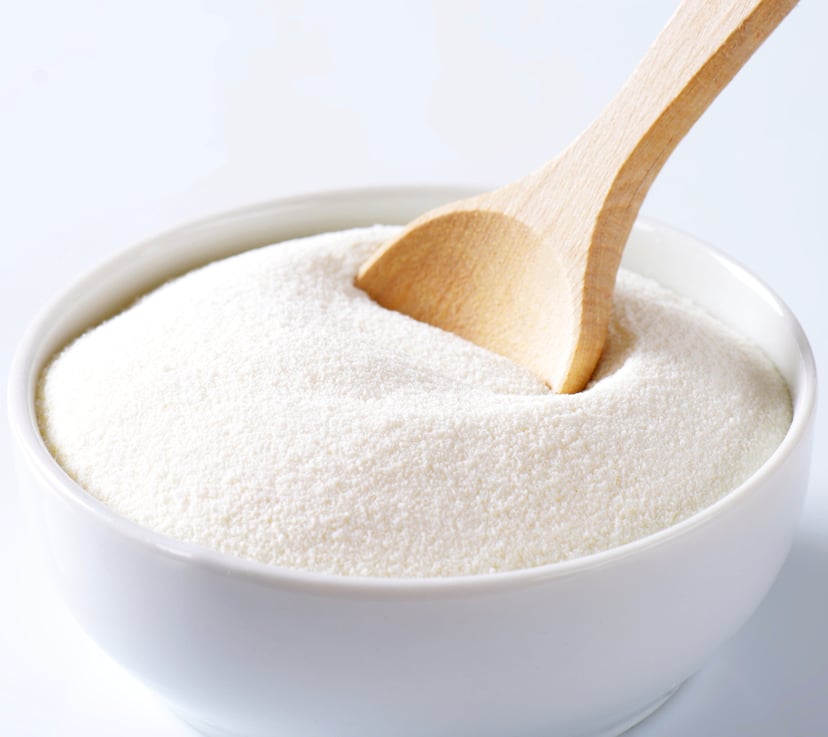
For food manufacturers, dairy processors, beverage companies, and industrial ingredient buyers, selecting the right Whole Milk Powder Spray-Dried Exporter is far more important than simply finding a supplier with an attractive quotation. The quality and consistency of whole milk powder can directly influence flavor, solubility, nutritional composition, production efficiency, shelf life, and ultimately the performance of the finished product. MT Royal helps industrial buyers access multiple established brands at competitive prices, giving manufacturers greater flexibility when evaluating whole milk powder based on technical specifications, commercial requirements, and destination-market needs.
Whole milk powder is a remarkably versatile dairy ingredient. It can transform a simple beverage into a creamy nutritional product, provide body and flavor to confectionery, improve the sensory profile of bakery formulations, and serve as a foundational ingredient in reconstituted dairy products. Yet behind this versatility lies a technically demanding manufacturing and export process. Milk composition varies naturally, spray drying must be carefully controlled, and international transportation introduces additional challenges related to humidity, temperature, customs, documentation, and storage.
For a factory purchasing several tons or even hundreds of tons annually, these details matter. A small variation in moisture, fat content, solubility, or microbiological quality can create large downstream consequences. The production line rarely cares about the elegance of a supplier’s brochure; it cares whether the powder behaves consistently at 7:00 a.m. on Monday and at the end of a long production shift on Friday.
This guide explains what industrial buyers should know when sourcing whole milk powder, how spray-dried milk powder is produced, which specifications matter most, how to evaluate an exporter, and how to build a supply strategy that protects both production efficiency and product quality.
LATAMARKO LM60 – Premium Spanish-Origin Cocoa Powder
latamarko alkalized cocoa powder lm60
cocoa powder for chocolate production-Best price
Food industry raw materials – list of products
What Is Spray-Dried Whole Milk Powder?
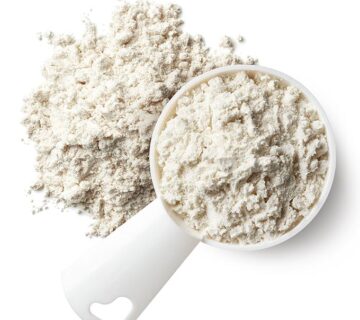
Whole milk powder is produced by removing most of the water from fresh milk while retaining its major milk solids, including milk fat, lactose, proteins, and minerals.
The term “whole” generally refers to the fact that the milk retains its natural milk fat, distinguishing it from skim milk powder, in which most of the fat has been removed.
Spray drying is the primary industrial technology used to convert concentrated liquid milk into a stable powder.
The general manufacturing process includes:
- Collection of raw milk
- Quality testing and standardization
- Pasteurization
- Concentration through evaporation
- Homogenization
- Spray drying
- Cooling and conditioning
- Packaging
- Quality testing and release
During spray drying, concentrated milk is atomized into a stream of hot drying air. The tiny droplets lose moisture rapidly and transform into fine powder particles.
This process allows manufacturers to produce a relatively stable dairy ingredient with a significantly longer shelf life than liquid milk.
Why Spray Drying Matters in Whole Milk Powder Production
Spray drying is not simply a method of removing water. It influences the physical characteristics of the final powder.
The process affects:
- Particle size
- Bulk density
- Moisture content
- Solubility
- Wettability
- Dispersibility
- Heat stability
- Flavor retention
For this reason, two whole milk powders can have similar nutritional specifications but behave differently during processing.
This is one reason why selecting an experienced Whole Milk Powder Spray-Dried Exporter is important for industrial buyers. A reliable exporter should understand not only the chemical composition of the product but also the functional characteristics that determine how it performs in a factory.
The Importance of Whole Milk Powder for Food Manufacturers
Whole milk powder is used in a wide variety of food and beverage applications because it combines nutritional value with practical handling advantages.
Compared with liquid milk, powdered milk offers manufacturers several logistical benefits:
- Longer storage potential
- Reduced transportation weight
- Easier international shipping
- More predictable inventory management
- Convenient formulation and dosing
A factory can store a controlled quantity of powder and reconstitute it when required, rather than depending entirely on a continuous supply of refrigerated liquid milk.
This flexibility is particularly valuable for manufacturers operating far from dairy-producing regions.
Key Technical Specifications to Evaluate
When sourcing whole milk powder for industrial use, purchasing teams should avoid treating all products as interchangeable.
Several specifications deserve careful attention.
Milk Fat Content
The fat content of whole milk powder influences:
- Creaminess
- Flavor
- Mouthfeel
- Energy density
- Oxidative stability
Different applications may require different fat specifications.
For example, a premium beverage formulation may prioritize rich sensory characteristics, while an industrial bakery product may focus more heavily on cost efficiency and processing performance.
The exact specification should be selected according to the finished product rather than based solely on the powder’s name.
Protein Content
Milk proteins contribute nutritional value and functional properties.
They can influence:
- Water binding
- Emulsification
- Foaming
- Texture
- Nutritional profile
Manufacturers should review protein specifications carefully, especially when whole milk powder is used in nutritional beverages or protein-focused formulations.
Moisture Content
Moisture is one of the most important quality parameters for powdered dairy products.
Excessive moisture can increase the risk of:
- Caking
- Reduced flowability
- Microbiological concerns
- Shorter storage stability
A professional exporter should provide clear moisture specifications and batch testing documentation.
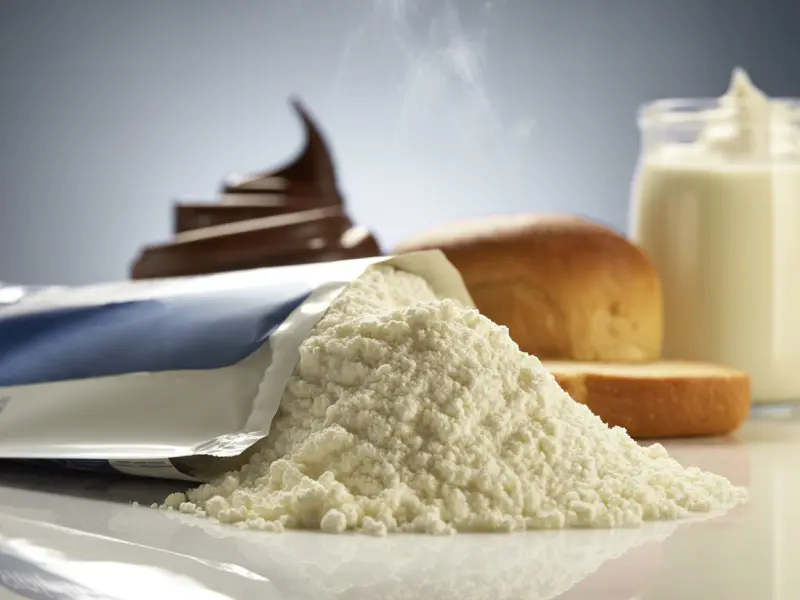
Spray-Dried Whole Milk Powder vs. Other Dairy Powders
Industrial buyers often compare whole milk powder with skim milk powder, milk protein concentrate, and other dairy ingredients.
Each serves a different purpose.
Whole Milk Powder
Best suited for applications requiring:
- Creamy flavor
- Milk fat
- Nutritional value
- Rich mouthfeel
Skim Milk Powder
Generally preferred when manufacturers want:
- High milk solids
- Lower fat
- Cost-effective dairy protein
- Lower energy density
Milk Protein Concentrate
Often selected for:
- Higher protein formulations
- Sports nutrition
- Specialized dairy applications
Whey Powder
Commonly used for:
- Bakery products
- Confectionery
- Beverages
- Nutritional formulations
The correct choice depends on the product’s technical and commercial objectives.
Major Applications of Whole Milk Powder
Whole milk powder has an extensive industrial application range.
Dairy and Beverage Manufacturing
One of the most common applications is the production of reconstituted milk and dairy beverages.
Manufacturers can use whole milk powder to create:
- Drinking milk
- Flavored milk
- Instant dairy beverages
- Milk-based nutritional drinks
The powder provides a practical solution for businesses that need stable dairy ingredients throughout the year.
Bakery Products
Whole milk powder can improve the sensory characteristics of bakery products.
Applications include:
- Bread
- Cakes
- Biscuits
- Cookies
- Pastries
It can contribute to:
- Browning
- Flavor
- Texture
- Nutritional value
For industrial bakeries, consistent powder performance helps maintain uniform product quality across large production batches.
Confectionery Manufacturing
Whole milk powder is widely used in:
- Chocolate
- Caramel products
- Toffees
- Cream fillings
- Milk-based sweets
Its milk fat and protein components can contribute to the richness and texture expected in premium confectionery.
Ice Cream and Frozen Desserts
Whole milk powder can increase milk solids and enhance the body of frozen products.
It may help manufacturers achieve:
- Creamier texture
- Improved structure
- More consistent sensory performance
Instant Food Products
Powdered dairy ingredients are frequently incorporated into:
- Instant beverages
- Ready-to-mix products
- Nutritional powders
The ability to store and transport the ingredient in dry form makes it highly practical for international manufacturing.
Choosing a Reliable Whole Milk Powder Spray-Dried Exporter
A supplier evaluation should include more than a price comparison.
The best exporter for your factory is the one capable of meeting your technical, commercial, and logistical requirements consistently.
Product Portfolio
A supplier offering multiple brands and specifications gives manufacturers greater flexibility.
MT Royal works with different brands and product options, allowing buyers to compare available solutions based on:
- Quality requirements
- Technical specifications
- Target market
- Budget
This can be particularly useful when a factory needs to balance premium performance with competitive procurement costs.
Quality Documentation
A professional exporter should provide appropriate documentation, such as:
- Certificate of Analysis
- Product specification sheet
- Certificate of origin
- Food safety documentation
- Relevant certifications
- Batch traceability information
Documentation should be reviewed before shipment rather than treated as an afterthought.
Export Experience
International dairy trade involves more than moving bags from one warehouse to another.
Exporters must understand:
- Customs procedures
- Shipping documentation
- Destination-market regulations
- Packaging requirements
- Container loading
- Transit conditions
Experience in these areas can reduce unnecessary delays.
Supply Reliability
A factory may have an excellent formulation, but without reliable ingredients, the formulation is only a very expensive theory.
Manufacturers should evaluate:
- Historical supply performance
- Lead times
- Production capacity
- Availability
- Backup sourcing options
Common Mistakes When Sourcing Whole Milk Powder
Industrial buyers often encounter problems because of avoidable procurement mistakes.
Mistake 1: Buying Based Only on Price
The lowest quotation may not represent the lowest total cost.
A cheaper product can become expensive if it causes:
- Poor solubility
- Increased waste
- Production delays
- Higher dosage requirements
A better purchasing approach considers total cost of ownership.
Mistake 2: Ignoring Fat Oxidation Risk
Whole milk powder contains fat, so storage and transportation conditions matter.
Buyers should evaluate:
- Packaging quality
- Oxygen exposure
- Warehouse temperature
- Expected storage duration
Mistake 3: Failing to Match Specifications With the Application
A powder suitable for bakery production may not be ideal for an instant beverage.
Application-specific requirements should be defined before purchasing.
Mistake 4: Not Requesting Samples
Samples allow technical teams to evaluate:
- Solubility
- Flavor
- Mixing behavior
- Final product performance
A small sample can prevent a very large procurement mistake.
Mistake 5: Ignoring Seasonal Supply Factors
Milk production and global dairy markets can be influenced by:
- Weather
- Feed costs
- Regional production cycles
- Energy prices
- Transportation conditions
Procurement teams should incorporate these variables into long-term planning.
Specialized Tips for Large-Scale Manufacturers
Large factories need a more sophisticated approach to dairy ingredient sourcing.
Establish a Detailed Product Specification
Your internal specification should clearly define:
- Fat content
- Protein content
- Moisture
- Solubility
- Microbiological limits
- Sensory requirements
- Packaging format
The more precise the specification, the easier it becomes to compare suppliers.
Use Supplier Qualification Procedures
A structured supplier approval process can include:
- Documentation review
- Sample testing
- Pilot production
- Factory audit where appropriate
- Commercial evaluation
- Trial shipment
- Full-scale approval
This approach reduces the risk of introducing an unsuitable ingredient.
Maintain Safety Stock
Dairy supply chains can experience unexpected disruptions.
Manufacturers should calculate safety inventory based on:
- Average consumption
- Lead time
- Demand variability
- Import procedures
The ideal safety stock is not necessarily the largest possible inventory. Excessive stock can increase storage costs and quality risks.
Monitor Incoming Batches
Quality control should not stop after supplier approval.
Each incoming batch should be evaluated according to the manufacturer’s quality system.
Regular testing helps identify trends before they become serious problems.
Build Dual-Sourcing Strategies
For critical ingredients, depending on a single source can create unnecessary risk.
Working with multiple qualified suppliers or brands can improve supply resilience.
MT Royal’s access to multiple brands can be useful for manufacturers that want greater flexibility when managing procurement strategies.
Emerging Trends in the Whole Milk Powder Market
The global dairy ingredient industry continues to evolve.
Several trends are particularly relevant to industrial buyers.
Increased Demand for Functional Dairy Ingredients
Manufacturers are developing products that combine nutrition with convenience.
This includes:
- High-protein beverages
- Meal replacement powders
- Nutritional drinks
- Functional dairy products
Growing Interest in Premium Dairy Products
Consumers increasingly seek products associated with quality and authentic flavor.
This creates opportunities for manufacturers using premium whole milk powder in differentiated products.
Greater Supply Chain Transparency
Traceability is becoming increasingly important.
Manufacturers and consumers want more information about:
- Origin
- Processing
- Quality controls
- Sustainability
Digital Procurement and Global Sourcing
Technology has made international ingredient sourcing more accessible.
However, easier purchasing does not eliminate the need for careful supplier evaluation. In fact, when dozens of suppliers can be found with a few clicks, distinguishing reliable partners from merely visible ones becomes even more important.
Whole Milk Powder Export and International Logistics
International shipment conditions can significantly influence product quality.
Packaging should protect the powder from:
- Moisture
- Oxygen
- Contamination
- Physical damage
Container loading should also be managed carefully to reduce exposure to adverse environmental conditions.
For long-distance shipments, buyers should consider:
- Transit time
- Climate conditions
- Port delays
- Container integrity
- Customs clearance
A good export strategy begins before the product leaves the warehouse.
The Role of Packaging in Whole Milk Powder Quality
Packaging is often underestimated.
For whole milk powder, packaging contributes directly to shelf stability.
Industrial packaging should provide protection against:
- Humidity
- Oxygen
- Light
- Contamination
Depending on the product and supplier, bulk packaging formats may include multi-wall bags with protective inner layers or other industrial-grade solutions.
The packaging format should match:
- Storage duration
- Warehouse conditions
- Transportation route
- Production consumption rate
Cost Considerations for Industrial Buyers
When purchasing whole milk powder, the quoted price per kilogram is only one component of the total cost.
A complete cost analysis should include:
- Product price
- Freight
- Insurance
- Customs
- Storage
- Testing
- Waste
- Financing costs
For example, a slightly more expensive powder with better solubility may reduce production losses enough to create a lower total cost.
This is why procurement teams should evaluate value rather than price alone.
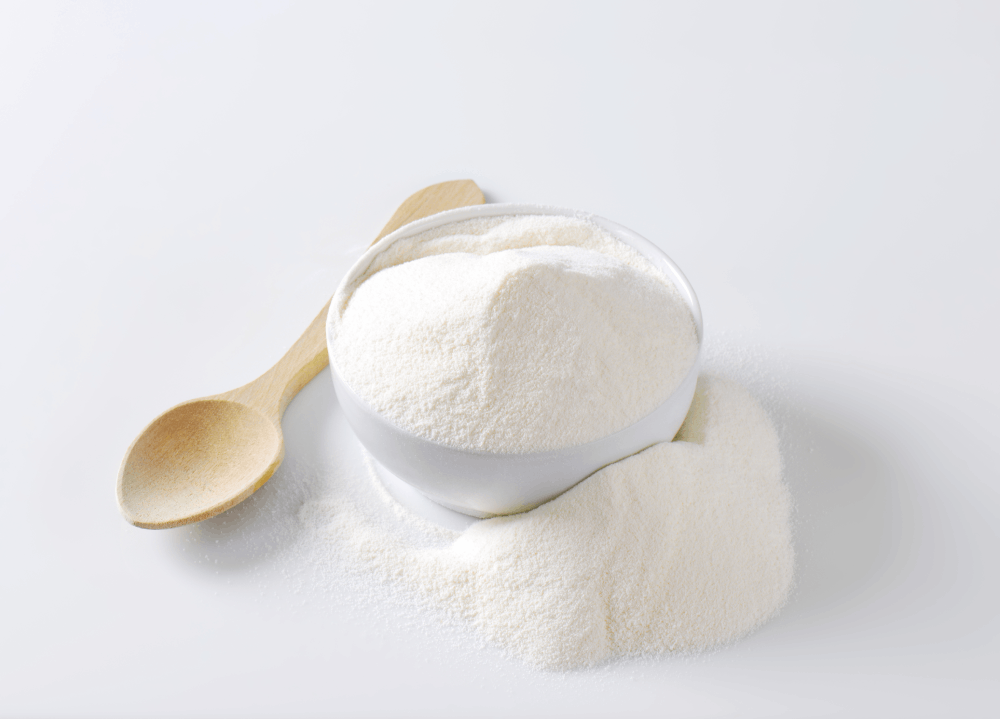
How MT Royal Can Support Industrial Buyers
MT Royal approaches ingredient sourcing from a practical B2B perspective.
Instead of limiting buyers to a single product option, MT Royal provides access to multiple brands and competitive purchasing opportunities.
This can help manufacturers:
- Compare specifications
- Evaluate different price points
- Identify suitable product grades
- Build more flexible procurement strategies
In our experience working with industrial buyers, the most successful sourcing decisions happen when technical and commercial teams evaluate an ingredient together. Procurement may focus on price and availability, while production focuses on functionality. The best supplier relationship respects both.
Frequently Asked Questions About Whole Milk Powder Spray-Dried Exporters
What does a Whole Milk Powder Spray-Dried Exporter do?
A Whole Milk Powder Spray-Dried Exporter supplies spray-dried whole milk powder to international customers and manages the commercial and logistical processes involved in exporting the product.
Why is spray drying used for whole milk powder?
Spray drying efficiently removes moisture while producing a stable powdered ingredient that is easier to store and transport than liquid milk.
What specifications should factories check?
Key specifications include fat, protein, moisture, solubility, microbiological quality, sensory characteristics, and packaging.
Is whole milk powder suitable for beverage manufacturing?
Yes. It is widely used in reconstituted milk, flavored beverages, nutritional drinks, and instant dairy formulations.
How should whole milk powder be stored?
It should generally be stored in a cool, dry environment with protection from humidity and contamination. Specific supplier storage recommendations should always be followed.
What is the difference between whole milk powder and skim milk powder?
Whole milk powder retains a significant portion of milk fat, while skim milk powder contains substantially less fat.
How can manufacturers reduce supply chain risk?
Factories can reduce risk through safety stock, supplier qualification, long-term forecasting, and maintaining alternative qualified sources.
Why should buyers work with an exporter offering multiple brands?
Multiple brands provide greater flexibility when comparing specifications, pricing, availability, and application suitability.
Building a Smarter Dairy Ingredient Procurement Strategy
For manufacturers, whole milk powder is not simply another commodity sitting on a warehouse pallet. It is a functional ingredient that influences the taste, texture, nutrition, processing behavior, and commercial identity of the final product.
Choosing the right Whole Milk Powder Spray-Dried Exporter therefore requires a broader perspective. The strongest sourcing decisions consider product specifications, application requirements, documentation, supply reliability, logistics, storage, and total cost.
MT Royal helps industrial buyers navigate this process by offering access to multiple brands and competitive options, allowing factories to evaluate dairy ingredients according to their actual production requirements rather than settling for a one-size-fits-all solution.
The future of dairy manufacturing will belong to companies that understand the connection between raw material quality and finished-product performance. A reliable whole milk powder supply can protect production schedules, support consistent quality, and give manufacturers the confidence to develop new products in competitive markets.
When the ingredient entering your factory is consistent, traceable, and fit for purpose, everything downstream becomes easier. Production runs more smoothly. Quality teams have fewer surprises. Procurement gains greater predictability. And your customers receive the product they expected, batch after batch.
That is the real value of choosing the right dairy ingredient partner: not simply moving powder across borders, but building a supply chain strong enough to support the products your factory plans to make tomorrow.

No comment