

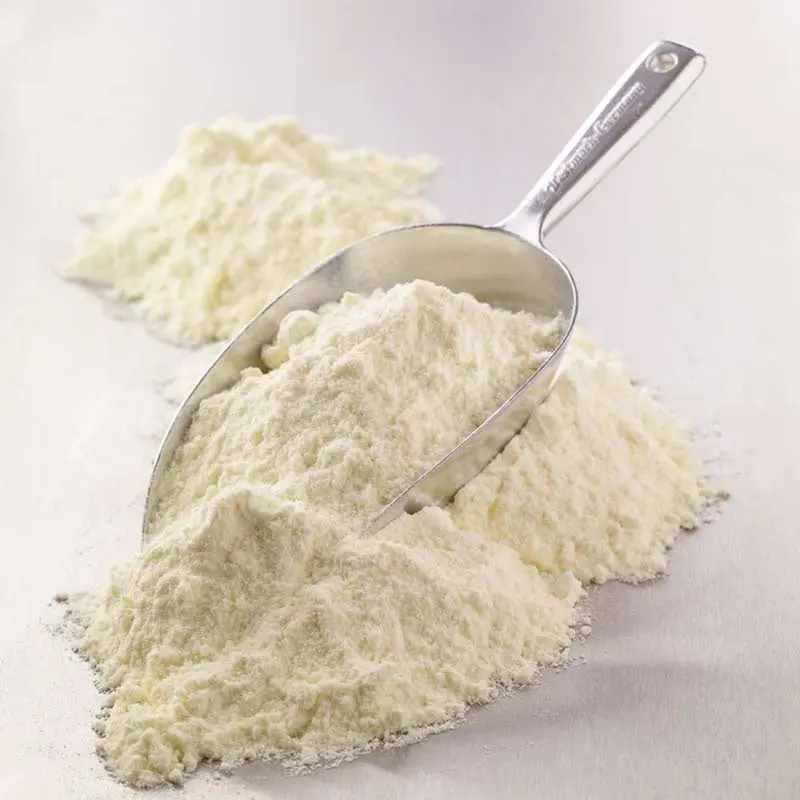
Choosing the right Low Heat Skimmed Milk Powder Supplier can have a direct impact on the quality, functionality, and consistency of your finished products. For factories producing dairy beverages, bakery products, confectionery, nutritional formulations, and food mixes, low heat skimmed milk powder is not simply a source of milk solids. Its heat treatment history can influence protein functionality, solubility, dispersibility, and performance throughout the manufacturing process.
If your factory is currently evaluating suppliers, MT Royal is worth considering as a sourcing option. By offering access to multiple brands at competitive prices, MT Royal can help industrial buyers compare products according to technical specifications, origin, availability, and commercial requirements rather than making purchasing decisions based on price alone.
This distinction matters.
Two skimmed milk powders may look almost identical when they arrive at the warehouse, yet behave differently when added to a high-speed mixing system, bakery dough, chocolate formulation, or nutritional beverage. In industrial food production, the powder is only one part of the equation. The real question is how consistently it performs once it enters your production line.
For procurement managers, the challenge is therefore to identify a Low Heat Skimmed Milk Powder Supplier that can provide not only a competitive product but also reliable quality, documentation, traceability, and continuity of supply.
LATAMARKO LM60 – Premium Spanish-Origin Cocoa Powder
latamarko alkalized cocoa powder lm60
cocoa powder for chocolate production-Best price
Food industry raw materials – list of products
What Is Low Heat Skimmed Milk Powder?
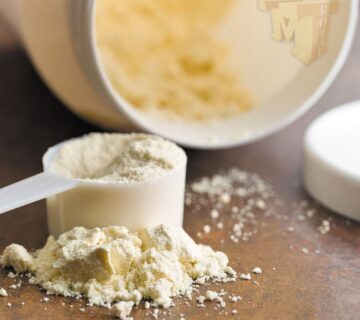
Low heat skimmed milk powder, often abbreviated as Low Heat SMP, is a dairy powder produced from skimmed milk that has undergone relatively mild heat treatment before drying.
The purpose of controlling the heat treatment is to preserve a greater proportion of the milk proteins in their functional, relatively undenatured state.
This is important because milk proteins contribute to several characteristics in food manufacturing, including:
- Solubility
- Water binding
- Emulsification
- Foaming
- Gel formation
- Nutritional value
- Texture development
During milk powder production, heat exposure can alter whey proteins, particularly proteins such as beta-lactoglobulin.
Low heat processing is designed to limit this thermal denaturation compared with medium- or high-heat milk powders.
The result is a powder that may offer functional advantages in applications where protein performance and reconstitution are important.
However, “low heat” should not be interpreted as a guarantee that every product will perform identically.
The actual functional behavior depends on the complete processing history, raw milk quality, drying conditions, storage, and product specifications.
Why Heat Classification Matters in Skimmed Milk Powder
Heat treatment is one of the most important factors distinguishing different categories of skimmed milk powder.
Milk powders are often broadly classified as:
- Low heat
- Medium heat
- High heat
The classification relates primarily to the thermal treatment applied before drying and the resulting level of protein denaturation.
Low Heat Skimmed Milk Powder
Typically selected when manufacturers need:
- High protein functionality
- Good solubility
- Strong reconstitution properties
- Effective emulsification
- Better performance in certain beverage and food systems
Medium Heat Skimmed Milk Powder
Often used where a balance between functionality and heat stability is required.
High Heat Skimmed Milk Powder
Generally associated with greater protein denaturation and may be selected for applications requiring specific water-binding or heat-processing characteristics.
The correct choice depends entirely on the application.
Buying the highest-priced or most technically advanced powder is not necessarily the smartest decision. The best powder is the one whose functional characteristics match your formulation and process.
Key Characteristics of Low Heat Skimmed Milk Powder
When selecting a Low Heat Skimmed Milk Powder Supplier, procurement and technical teams should evaluate more than the product name.
Protein Content
Protein is a fundamental component of skimmed milk powder.
The exact protein specification should be reviewed according to your application.
For nutritional products, protein content may be a major purchasing factor.
For bakery and food formulations, protein functionality may be more important than simply maximizing protein percentage.
Solubility
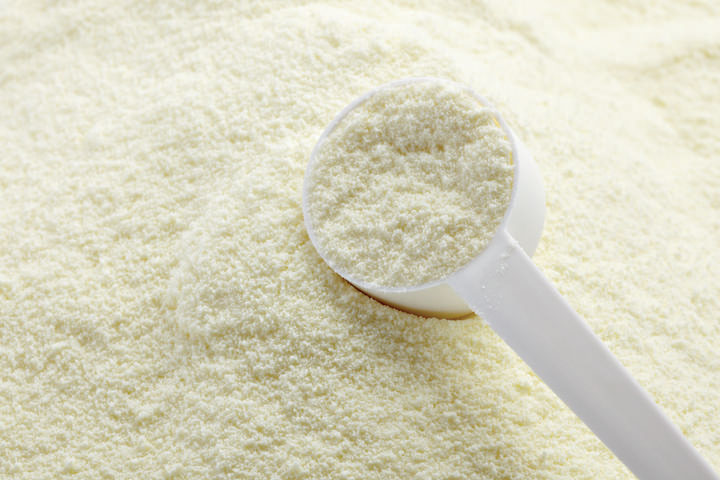
Solubility is critical for products that require rapid and complete reconstitution.
Poor solubility can cause:
- Sedimentation
- Lumps
- Inconsistent texture
- Longer mixing times
- Production inefficiencies
A good powder should behave predictably under your processing conditions.
Dispersibility
Dispersibility refers to how easily the powder distributes throughout water or another liquid.
A powder with poor dispersibility can create unnecessary problems in industrial mixing systems.
And once a production operator starts chasing powder lumps around a mixing tank, nobody is having a productive afternoon.
Heat Treatment
The heat history of the milk affects protein functionality.
Low heat milk powder is generally valued for retaining more native whey protein functionality than powders exposed to more intense thermal processing.
Moisture
Moisture content affects shelf life, stability, flowability, and storage behavior.
Excessive moisture can contribute to:
- Caking
- Reduced shelf life
- Poor powder flow
- Microbiological concerns
Bulk Density
Bulk density can influence packaging, transport, storage requirements, and powder handling.
Microbiological Quality
Food manufacturers should carefully review microbiological specifications and ensure that the product complies with relevant food safety requirements.
Why the Right Supplier Matters
A reliable Low Heat Skimmed Milk Powder Supplier can contribute to more than ingredient availability.
Supplier performance can influence:
- Product consistency
- Production planning
- Inventory management
- Regulatory compliance
- Customer satisfaction
- Cost control
For example, if one shipment has excellent solubility while the next shipment creates sedimentation problems, your production team may have to adjust processing parameters.
That creates unnecessary variation.
We have seen that the best industrial sourcing relationships are usually built around clearly defined specifications and consistent communication. The supplier understands the technical requirement, while the manufacturer communicates how the powder behaves in real production.
Common Mistakes When Buying Low Heat SMP
Mistake 1: Buying Only Based on Price
The cheapest powder is not always the most economical.
A lower-priced product may require:
- Higher dosage
- Longer mixing
- Additional processing
- More quality control
- Greater production adjustment
Calculate the total cost of use.
Mistake 2: Confusing Low Heat With Universal Suitability
Low heat SMP is not ideal for every application.
Some processes may require higher heat-treated milk powder.
The specification should always match the formulation.
Mistake 3: Ignoring Protein Functionality
Protein percentage alone does not tell you how the powder will perform.
Functional properties can be equally important.
Mistake 4: Skipping Application Trials
Before purchasing large quantities, test the powder in your own formulation.
Laboratory data is valuable, but production conditions tell the real story.
Mistake 5: Failing to Review Storage Conditions
Milk powder is sensitive to moisture and environmental conditions.
Poor storage can affect quality even if the original product was excellent.
How to Choose the Right Low Heat Skimmed Milk Powder Supplier
A structured evaluation process can reduce sourcing risk.
1. Define Your Technical Requirements
Identify:
- Protein level
- Heat classification
- Moisture
- Solubility
- Dispersibility
- Microbiological limits
- Packaging requirements
2. Request Technical Documentation
Ask for:
- Technical data sheet
- Certificate of analysis
- Product specification
- Origin information
- Food safety certifications
3. Evaluate Samples
Test the product under your actual manufacturing conditions.
4. Compare Multiple Brands
A multi-brand supplier can provide greater flexibility.
MT Royal offers multiple brands at competitive prices, allowing buyers to compare products according to technical and commercial requirements.
5. Evaluate Supply Reliability
Consider:
- Lead time
- Minimum order quantity
- Stock availability
- Delivery performance
- Production capacity
Low Heat SMP vs. Medium and High Heat SMP
The choice between heat classifications should be based on function.
| Feature | Low Heat SMP | Medium Heat SMP | High Heat SMP |
|---|---|---|---|
| Protein denaturation | Lower | Moderate | Higher |
| Native protein functionality | Generally higher | Moderate | Lower |
| Solubility | Typically strong | Application-dependent | May be lower |
| Heat stability | Application-dependent | Often balanced | Often selected for heat-intensive applications |
| Typical use | Beverages, bakery, nutritional foods | General food applications | Bakery, processed foods, specific industrial systems |
This table provides a general framework rather than a universal rule. Individual products can vary significantly.
Specialized Tips for Large-Scale Production
Large factories should treat milk powder sourcing as part of process engineering.
Standardize Reconstitution
If your factory reconstitutes milk powder, control:
- Water temperature
- Mixing speed
- Hydration time
- Powder addition rate
Small variations can create large differences at commercial scale.
Control Powder Addition
Adding powder too quickly can create lumps.
Your mixing system should be designed to achieve efficient dispersion.
Monitor Batch Performance
Track:
- Solubility
- Sedimentation
- Viscosity
- Protein performance
- Sensory properties
Maintain Dry Storage
Milk powder should be stored in a clean, dry environment.
Avoid excessive humidity and temperature fluctuations.
Use Inventory Rotation
Implement appropriate FIFO or FEFO procedures.
Maintain Safety Stock
Safety stock should reflect your consumption and supplier lead time.
The Importance of Protein Functionality
One of the most valuable aspects of low heat SMP is its protein functionality.
Whey proteins can contribute to:
- Emulsification
- Foaming
- Water binding
- Gel formation
This can be particularly important in food applications where texture and stability are critical.
For example, a manufacturer producing a high-protein beverage may care about how the protein behaves during reconstitution and storage—not simply the protein percentage printed on the specification sheet.
This is why technical teams should evaluate functional performance alongside nutritional composition.
Trends Affecting the Skimmed Milk Powder Market
The dairy ingredient market is influenced by several major trends.
Growth of High-Protein Foods
Consumers are increasingly interested in protein-rich foods and beverages.
This has created opportunities for dairy ingredients with strong nutritional and functional properties.
Clean-Label Formulation
Manufacturers continue to seek recognizable ingredients.
Milk powder can fit naturally into formulations where dairy solids are desired.
Demand for Convenient Foods
Instant beverages, powdered mixes, and convenient nutrition products continue to support demand for dairy powders.
Supply Chain Volatility
Global dairy markets can be influenced by:
- Milk production
- Energy prices
- Feed costs
- Weather
- Export policies
- Currency movements
These factors can affect pricing and availability.
Procurement teams should therefore monitor the market rather than treating milk powder as a completely stable commodity.
How to Reduce the Total Cost of Low Heat SMP
Cost optimization should focus on the complete manufacturing system.
Consider:
- Purchase price
- Dosage
- Functional performance
- Processing efficiency
- Waste
- Storage
- Transportation
A powder that costs slightly more but performs better may reduce total production costs.
For example, if improved dispersibility reduces mixing time and minimizes product losses, the additional ingredient cost may be offset by process savings.
This is why procurement and R&D teams should evaluate suppliers together.
Practical Checklist for Factory Buyers
Before selecting a Low Heat Skimmed Milk Powder Supplier, use this checklist. It helps procurement teams evaluate the ingredient as both a technical input and a commercial purchase.
- Confirm heat classification: Verify that the product meets the required low heat specification.
- Check protein content: Match the nutritional specification to your formulation.
- Evaluate solubility: Test reconstitution under actual process conditions.
- Review dispersibility: Confirm that the powder performs well in your mixing system.
- Check moisture: Ensure appropriate storage stability.
- Review microbiological quality: Confirm compliance with your food safety requirements.
- Request certification: Obtain relevant food safety and quality documents.
- Test samples: Conduct laboratory and pilot-scale trials before approval.
- Compare brands: Evaluate technical performance and commercial terms.
- Review packaging: Ensure that packaging protects the powder from moisture.
- Calculate total cost: Consider dosage, transport, storage, and processing.
- Assess supply continuity: Confirm that the supplier can support your production schedule.
Frequently Asked Questions
What is low heat skimmed milk powder?
It is skimmed milk powder produced using relatively mild heat treatment, helping preserve a greater proportion of native milk protein functionality.
What is the main advantage of low heat SMP?
Its primary advantage is generally stronger protein functionality, which can be valuable in applications requiring solubility, emulsification, or other protein-related properties.
Is low heat SMP suitable for bakery products?
Yes. It can be used in bread, cakes, biscuits, and other bakery products, depending on the desired formulation and processing characteristics.
Is low heat SMP suitable for beverages?
It can be suitable for dairy beverages and reconstituted milk products where solubility and protein functionality are important.
Is low heat SMP better than high heat SMP?
Not necessarily. Each type has different functional characteristics. The appropriate product depends on your application.
How should skimmed milk powder be stored?
It should generally be stored in a cool, dry, hygienic environment protected from moisture and contamination. Follow the supplier’s recommended storage conditions.
What documents should I request from a supplier?
Request a technical data sheet, certificate of analysis, product specifications, origin information, and relevant food safety certifications.
Why should I buy from a multi-brand supplier?
A multi-brand supplier gives you the ability to compare products based on quality, specifications, availability, and price.
MT Royal offers access to multiple brands at competitive prices, helping industrial buyers evaluate different sourcing options.
MT Royal and Industrial Milk Powder Sourcing
For factories searching for a dependable Low Heat Skimmed Milk Powder Supplier, MT Royal can be considered as a sourcing partner offering multiple brands at competitive prices.
This approach can be useful for manufacturers that need flexibility when comparing:
- Origin
- Brand
- Specification
- Price
- Availability
- Packaging
Rather than selecting a product solely because it is inexpensive, buyers can compare the full value proposition.
We recommend that manufacturers treat supplier qualification as an ongoing process.
Monitor product quality, delivery performance, documentation, and responsiveness over time.
A supplier relationship becomes valuable when it continues to perform after the first purchase order.
Building a Reliable Low Heat SMP Supply Strategy
A strong sourcing strategy should balance four elements:
Technical Performance
The product must perform in your formulation.
Commercial Value
The total cost must be competitive.
Compliance
The product must meet your regulatory and certification requirements.
Supply Continuity
The supplier must deliver consistently.
If any one of these areas fails, the entire sourcing strategy can become unstable.
For example, a technically excellent product that cannot be delivered on time is not an effective industrial solution.
Likewise, a low-cost powder that creates production problems can become more expensive than a premium alternative.
What Factory Managers Should Ask Before Signing a Supply Agreement
Before approving a long-term Low Heat Skimmed Milk Powder Supplier, ask:
- Can the supplier provide consistent quality across multiple batches?
- Is the heat classification clearly documented?
- Can the supplier provide certificates of analysis for each shipment?
- What is the typical lead time?
- How stable is the supply?
- What are the minimum order quantities?
- Can the supplier provide samples for production trials?
- What certifications are available?
- How is the product packaged?
- What happens if a shipment fails to meet specifications?
These questions may appear basic, but they can reveal the difference between a transactional vendor and a dependable supply partner.
The Strategic Value of Choosing the Right Supplier
The right Low Heat Skimmed Milk Powder Supplier can influence much more than the price of a raw material.
A reliable supply relationship can help your factory maintain:
- Consistent product quality
- Predictable production
- Better inventory planning
- Lower operational risk
- Stronger customer confidence
MT Royal offers access to multiple brands at competitive prices, giving industrial buyers greater flexibility when comparing products for their specific applications.
The most effective approach is to start with your process requirements, define the technical specification, test the product, and then evaluate the commercial relationship.
We believe the strongest procurement decisions are built on evidence. Test the powder. Review the documentation. Monitor the batches. Measure the results.
The goal is not to find a milk powder that looks good on a quotation sheet.
The goal is to find one that performs reliably when your factory is running at full speed, your production schedule is tight, and your customers are expecting the same product they received last month.
That is where the real value of a Low Heat Skimmed Milk Powder Supplier becomes clear. The right partner does not simply deliver bags of powder. They help protect the consistency, efficiency, and predictability of your entire production operation.
When the ingredient performs as expected, your production line stays focused on what it does best: producing quality products, batch after batch, without unnecessary surprises.

No comment