

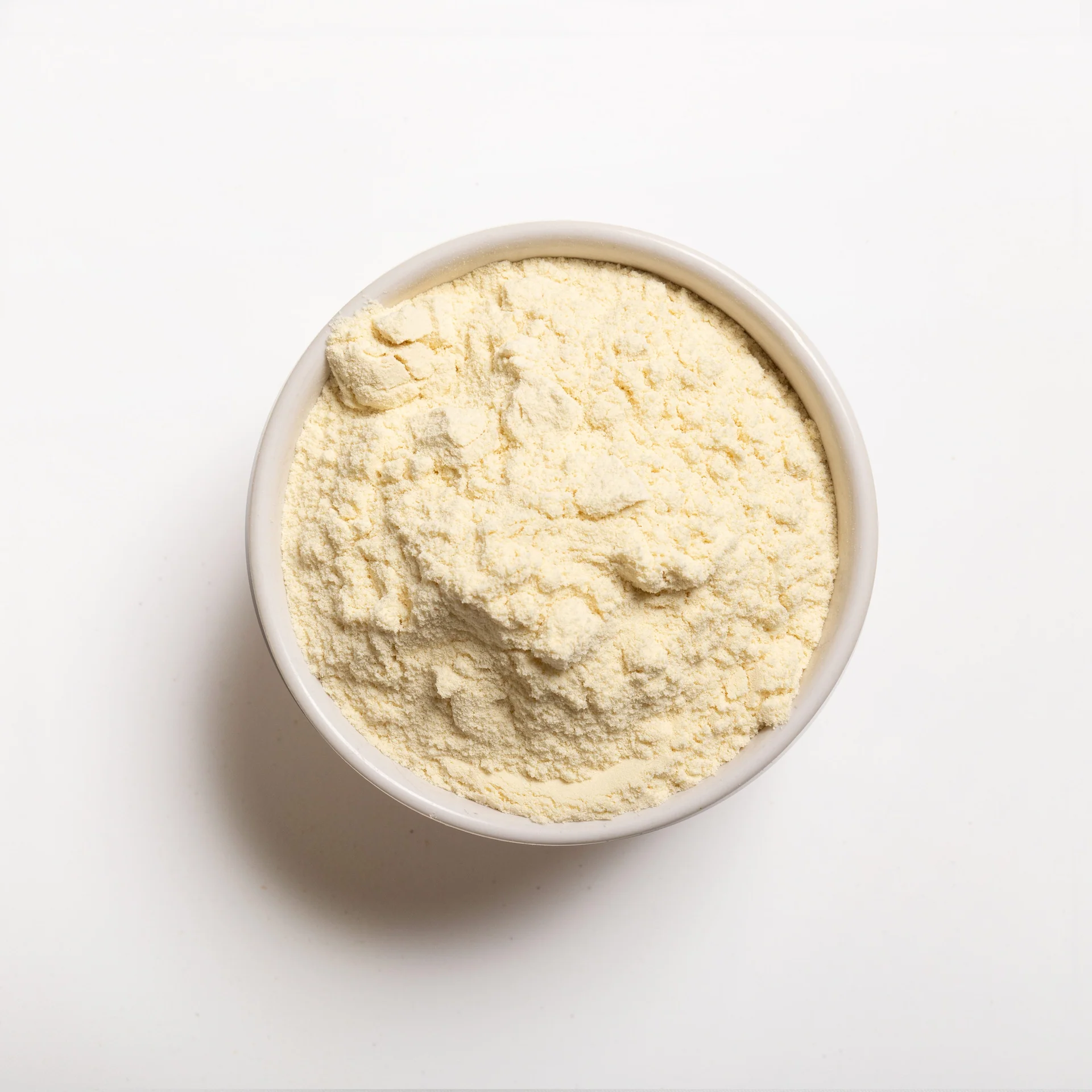
Selecting the right ingredient supplier has become one of the most important decisions for food manufacturers that depend on stable quality, competitive pricing, and reliable international logistics. For factories searching for a trusted Bulk Exporter of Demineralized Whey Powder, working with experienced suppliers such as MT Royal can help simplify sourcing challenges by providing access to multiple brands, flexible purchasing options, and competitive market solutions. In large-scale production, the quality of a dairy ingredient is not only connected to the final product performance but also to operational efficiency, production stability, and customer satisfaction.
Demineralized whey powder has become an essential ingredient for many industries, including dairy processing, infant nutrition, bakery, confectionery, sports nutrition, and functional food manufacturing. As manufacturers continue to demand cleaner flavors, controlled mineral profiles, and consistent nutritional values, the role of professional whey powder exporters has become increasingly significant.
A reliable bulk supplier does more than deliver raw materials. The supplier must understand technical specifications, international regulations, storage requirements, and the challenges faced by production facilities. When purchasing large volumes, even small differences in ingredient quality can create significant effects throughout the manufacturing process.
LATAMARKO LM60 – Premium Spanish-Origin Cocoa Powder
latamarko alkalized cocoa powder lm60
cocoa powder for chocolate production-Best price
Food industry raw materials – list of products
Best Brazilian Arabica Coffee Bean Supplier for Industrial Roaster
Uganda Bugisu Arabica Coffee Beans for Specialty Coffee Industry
Understanding Demineralized Whey Powder and Its Industrial Importance
Demineralized whey powder is a refined dairy ingredient produced from whey, which is the liquid by-product generated during cheese manufacturing. Although traditional whey contains valuable components such as lactose, whey protein, and minerals, its natural mineral concentration may not always match the requirements of specialized food applications.
Through processes such as ion exchange and membrane filtration, manufacturers remove a portion of the minerals from whey while maintaining important nutritional components. The result is a more controlled ingredient with improved taste neutrality and greater flexibility in food formulation.
For industrial buyers, demineralized whey powder provides several important advantages:
- Better formulation control: Reduced mineral content allows manufacturers to create products with more precise nutritional and sensory characteristics. This is particularly valuable in applications where mineral balance directly affects taste, stability, or regulatory compliance.
- Improved flavor profile: Excessive minerals can influence the taste of dairy-based ingredients. Demineralization creates a cleaner flavor, making the powder suitable for sensitive applications such as nutritional products and premium food formulations.
- Consistent production performance: Large factories require ingredients that behave consistently during mixing, heating, and processing. Reliable whey powder helps reduce unexpected production variations.
- Increased application possibilities: From baby food formulas to bakery mixes, demineralized whey powder offers manufacturers greater flexibility when developing new products.
The Growing Role of Bulk Exporters in Global Dairy Ingredient Supply
The international market for dairy ingredients has become increasingly complex. Manufacturers are no longer only looking for low-cost suppliers; they need partners capable of delivering quality assurance, documentation, logistics management, and continuous supply.
A professional Bulk Exporter of Demineralized Whey Powder plays an important role in connecting dairy ingredient producers with factories worldwide. Bulk exporters help manufacturers access larger quantities while maintaining consistent specifications and predictable supply schedules.
MT Royal operates within this supply environment by offering manufacturers access to different brands and sourcing options. This approach allows factories to compare available solutions based on quality requirements, application needs, and commercial considerations.
Global demand for whey-based ingredients continues to grow due to increasing consumption of protein-enriched foods and expanding applications in nutritional products. Industry reports show that the global whey protein and dairy ingredient markets have experienced strong growth over recent years, supported by rising demand from Asia, the Middle East, and emerging food manufacturing markets.
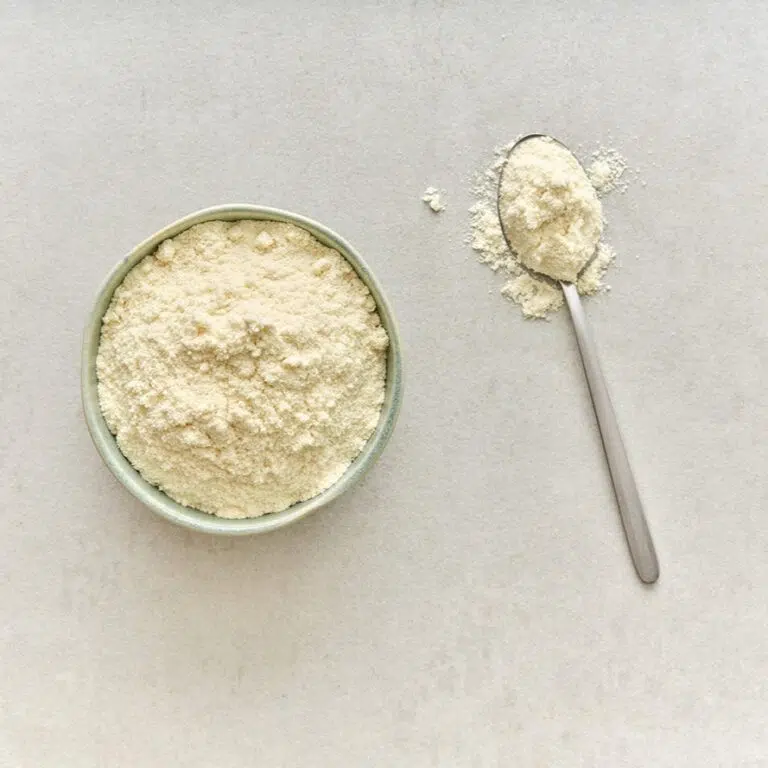
Important Factors to Evaluate Before Choosing a Whey Powder Exporter
Choosing an exporter requires more than checking product availability or price lists. Industrial buyers should carefully evaluate whether the supplier can support their long-term production requirements.
Several technical and commercial factors should be reviewed before making a purchasing decision:
Product Specification and Quality Standards
Every factory should begin by reviewing technical specifications, including mineral reduction percentage, protein content, lactose level, moisture, solubility, and microbiological parameters.
Different applications require different grades of demineralized whey powder. A manufacturer producing nutritional formulas may require a different specification compared with a bakery producer. Selecting the correct grade prevents costly adjustments during production.
Documentation and Traceability
Reliable exporters provide complete documentation, including certificates of analysis, quality certificates, and product specifications. Traceability has become increasingly important because food manufacturers must demonstrate transparency throughout their supply chain.
Packaging and Transportation Capability
Bulk shipments require careful planning. Dairy powders are sensitive to moisture and environmental conditions, meaning proper packaging and transportation management are essential for maintaining product quality.
Supply Consistency
Factories cannot depend on suppliers that deliver inconsistent batches. A strong exporter should demonstrate the ability to maintain stable quality across repeated shipments.
Common Mistakes When Purchasing Demineralized Whey Powder in Bulk
Many purchasing problems occur because companies focus only on immediate cost reduction rather than long-term production efficiency. The cheapest ingredient is not always the most economical choice when considering processing losses, quality issues, and operational delays.
Common mistakes include:
- Selecting suppliers based only on price: A lower price may appear attractive initially, but inconsistent quality can increase production costs through waste, reformulation, or additional testing requirements.
- Ignoring application requirements: Not every demineralized whey powder grade is suitable for every product. Manufacturers should match ingredient specifications with their production goals.
- Failing to check storage conditions: Even high-quality whey powder can lose performance if exposed to humidity or improper warehouse conditions.
- Overlooking supplier flexibility: Market conditions can change quickly. Exporters capable of offering multiple brands and sourcing options provide manufacturers with greater stability.
Practical Advantages of Working With a Professional Bulk Exporter
For factories purchasing large quantities, choosing the right exporter can create measurable operational benefits. A professional supplier becomes an extension of the procurement department by supporting product selection, availability planning, and quality management.
The main advantages include:
- Cost optimization through volume purchasing: Bulk procurement allows manufacturers to improve purchasing efficiency while maintaining a predictable supply of essential ingredients.
- Access to multiple brands: Suppliers like MT Royal can provide different brand alternatives, allowing factories to choose products according to technical and budget requirements.
- Reduced supply chain complexity: Working with an experienced exporter simplifies communication, documentation, and logistics coordination.
- Better market knowledge: Established suppliers understand market trends and can help buyers make informed purchasing decisions.
In our collaboration with various factories, we have seen that companies achieve better results when procurement teams consider supplier expertise alongside product pricing. Ingredient sourcing is not simply a transaction; it is a strategic part of manufacturing performance.
Industrial Tips for Managing Large-Scale Whey Powder Procurement
Large food manufacturers need structured purchasing strategies to avoid interruptions and maintain production efficiency. Managing dairy ingredient supply requires cooperation between purchasing, quality control, and production departments.
The following practices can improve procurement performance:
- Define technical requirements before ordering: Clear specifications prevent misunderstandings and help exporters provide the correct product grade.
- Plan inventory based on production forecasts: Factories should maintain sufficient stock levels without creating unnecessary storage pressure.
- Regularly review supplier performance: Monitoring delivery reliability, documentation accuracy, and product consistency helps maintain long-term supply quality.
- Consider market fluctuations: Dairy ingredient prices can change due to milk availability, energy costs, transportation conditions, and global demand patterns.
A well-managed supply chain works like a well-calibrated production line; when every component operates correctly, efficiency improves throughout the entire system.
Emerging Trends in the Demineralized Whey Powder Market
The dairy ingredient industry continues to evolve as manufacturers respond to changing consumer expectations and technological developments.
Several important trends are shaping future demand:
- Growth of nutritional foods: Increasing consumer interest in protein-rich products is creating new opportunities for whey-based ingredients.
- Demand for clean-label solutions: Food companies are searching for ingredients that support simpler formulations without compromising quality.
- Increased focus on sustainability: Efficient utilization of whey supports more sustainable dairy processing by transforming a traditional by-product into a valuable ingredient.
- Greater supply chain transparency: Manufacturers increasingly require detailed information about ingredient origin, processing, and quality management.
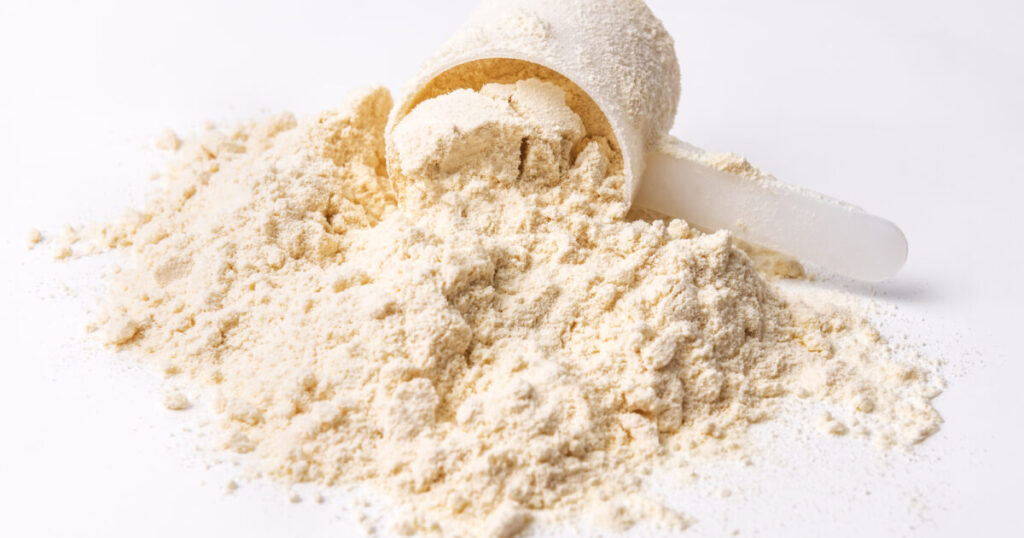
Frequently Asked Questions About Bulk Exporter of Demineralized Whey Powder
Why do factories purchase demineralized whey powder in bulk?
Bulk purchasing helps manufacturers achieve better cost control, maintain production continuity, and reduce supply risks when demand is stable.
What industries commonly use demineralized whey powder?
It is widely used in infant nutrition, dairy products, bakery items, confectionery, beverages, and functional food manufacturing.
How can manufacturers evaluate exporter reliability?
Factories should review technical documentation, previous supply experience, product consistency, logistics capability, and quality management systems.
Does a higher demineralization level always mean better quality?
Not necessarily. The correct demineralization level depends on the intended application. Different products require different ingredient characteristics.
Why is choosing a supplier with multiple brands beneficial?
Multiple options allow manufacturers to compare specifications, availability, and pricing while selecting the solution that best fits their production requirements.
Building a Stronger Future Through Smarter Ingredient Sourcing
The decision to work with a professional Bulk Exporter of Demineralized Whey Powder is ultimately a decision about production reliability, quality consistency, and long-term competitiveness. Modern factories cannot rely on simple purchasing methods; they need suppliers who understand technical requirements, global logistics, and the realities of industrial manufacturing.
MT Royal supports manufacturers by providing access to multiple brands and competitive sourcing opportunities while helping businesses make informed ingredient decisions. In our experience, successful manufacturers are those that view raw materials as strategic assets rather than simple costs.
The right whey powder supplier does not just deliver bags of ingredients; it contributes to smoother production, stronger product quality, and a more resilient supply chain. In a market where every manufacturing advantage matters, choosing the right partner can become one of the most valuable decisions your factory makes.


No comment