

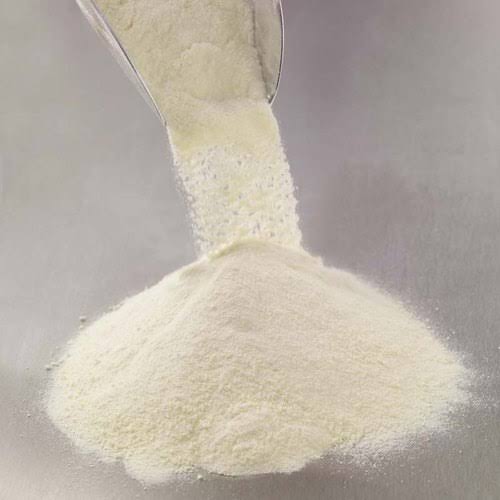
Producing high-quality infant formula requires much more than selecting ordinary dairy ingredients. Every component used in infant nutrition products must meet strict quality expectations, provide nutritional consistency, and support the delicate formulation requirements of early-life nutrition. For manufacturers searching for a reliable source of Demineralized Whey Powder for Infant Formula, choosing an experienced supplier such as MT Royal can help factories access multiple brands, competitive pricing options, and suitable dairy ingredient solutions for large-scale production.
Infant formula manufacturers operate in one of the most demanding segments of the food industry. Unlike many other food categories, small variations in mineral balance, protein composition, or ingredient functionality can significantly influence the final product. This is why demineralized whey powder has become a key ingredient in modern infant nutrition manufacturing.
The growing global demand for premium infant nutrition products has increased the importance of reliable dairy ingredient supply chains. Manufacturers must carefully evaluate not only the nutritional profile of whey powder but also supplier reliability, documentation, traceability, and consistency between different production batches.
LATAMARKO LM60 – Premium Spanish-Origin Cocoa Powder
latamarko alkalized cocoa powder lm60
cocoa powder for chocolate production-Best price
Food industry raw materials – list of products
Best Brazilian Arabica Coffee Bean Supplier for Industrial Roaster
Uganda Bugisu Arabica Coffee Beans for Specialty Coffee Industry
What Is Demineralized Whey Powder for Infant Formula?
Demineralized whey powder is a specialized dairy ingredient produced by removing a portion of naturally occurring minerals from whey while preserving valuable nutritional components such as lactose and whey proteins. Whey itself is obtained during cheese production and contains several beneficial nutrients; however, its original mineral concentration may not be ideal for infant formula applications.
The purpose of demineralization is to create a more balanced ingredient that can be incorporated into infant formula formulations with greater control over nutritional composition. Since breast milk naturally contains carefully balanced minerals and nutrients, manufacturers aim to create formulas that provide appropriate nutritional characteristics while meeting strict regulatory requirements.
The level of mineral removal is usually expressed as a percentage of demineralization. Different infant formula applications may require different grades depending on formulation targets, regional regulations, and nutritional objectives.
For infant formula producers, demineralized whey powder provides several important advantages:
- Controlled mineral composition: Reducing mineral levels gives manufacturers better control over the final formula profile. This is especially important because excessive mineral content may affect nutritional balance and product suitability for infants.
- Improved taste neutrality: Whey with reduced minerals generally provides a cleaner and milder flavor, which supports the development of infant formulas with better sensory characteristics.
- Higher formulation flexibility: Manufacturers can combine demineralized whey powder with other nutritional ingredients more accurately because the mineral contribution from the whey is controlled.
- Consistent production performance: Industrial facilities require ingredients that perform reliably during mixing, drying, and packaging processes. Stable raw materials reduce production challenges and quality variations.
Why Demineralized Whey Powder Is Essential in Infant Nutrition Manufacturing
Infant formula is one of the most technically complex food products because it must provide appropriate nutrition during a critical stage of human development. Manufacturers must carefully balance carbohydrates, proteins, fats, vitamins, and minerals.
One of the reasons Demineralized Whey Powder for Infant Formula is widely used is its ability to support the protein and carbohydrate structure needed in many infant nutrition formulations.
Whey-based ingredients are naturally rich in whey proteins, which are considered highly valuable due to their amino acid profile and digestibility characteristics. When properly processed, demineralized whey powder helps manufacturers create formulas with improved nutritional alignment.
In our collaboration with various factories, we have seen that successful infant formula production depends not only on advanced processing equipment but also on selecting raw materials that remain consistent throughout the supply chain.
Key Quality Parameters Manufacturers Should Evaluate
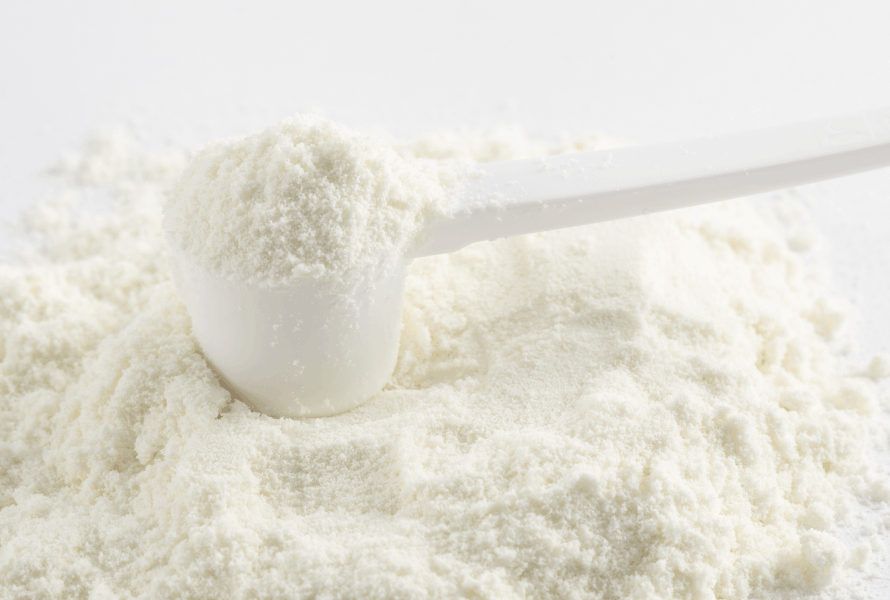
Selecting the correct demineralized whey powder requires detailed technical evaluation. Infant formula producers cannot rely only on price comparisons because ingredient quality directly influences the safety, performance, and reputation of the final product.
Before purchasing, manufacturers should carefully analyze several important specifications:
Degree of Demineralization
The mineral removal level is one of the most important factors when selecting whey powder for infant formula. Higher demineralization levels are often preferred for specialized nutritional applications because they provide greater control over mineral contribution.
However, the highest level is not automatically the best option for every formulation. The correct choice depends on the product design and regulatory requirements.
Protein Content and Nutritional Profile
Whey protein concentration affects the nutritional value and functionality of the ingredient. Manufacturers should evaluate protein levels, amino acid characteristics, and compatibility with their infant formula recipe.
Microbiological Quality
Safety is a fundamental requirement in infant nutrition. Reliable suppliers should provide complete quality documentation, including microbiological analysis and certificates confirming product compliance.
Solubility and Processing Performance
Infant formula production involves complex mixing and drying processes. Ingredients must dissolve efficiently and maintain stable performance during manufacturing.
Poor solubility can create operational problems, including longer processing times and inconsistent final products.
Common Mistakes When Sourcing Whey Powder for Infant Formula
The sourcing process for infant nutrition ingredients requires careful planning. Many manufacturers face challenges because they evaluate suppliers using criteria that may be suitable for general food ingredients but not for specialized infant formula production.
Some common sourcing mistakes include:
- Choosing suppliers only based on price: Lower purchasing costs may appear attractive, but inconsistent quality or inadequate documentation can create higher expenses later through production issues or additional testing requirements.
- Ignoring technical documentation: Infant formula manufacturers need detailed information about ingredient origin, processing methods, nutritional specifications, and quality control systems.
- Selecting unsuitable product grades: Different applications require different whey powder specifications. A product suitable for general dairy use may not meet infant nutrition requirements.
- Underestimating supply chain reliability: Production interruptions can be extremely costly in infant formula manufacturing. A dependable supplier should have strong logistics capability and consistent availability.
The Role of a Professional Supplier in Infant Formula Production
A specialized dairy ingredient supplier provides more value than simple product delivery. The supplier helps manufacturers navigate technical requirements, compare available brands, and maintain a stable ingredient supply.
MT Royal supports industrial buyers by offering access to different brands and competitive sourcing opportunities. This allows manufacturers to evaluate multiple options according to quality requirements, production needs, and commercial goals.
Working with a knowledgeable supplier can provide several benefits:
- Access to multiple brands: Manufacturers can compare different whey powder solutions instead of depending on a single source.
- Better purchasing flexibility: Different supply options help factories manage market fluctuations and availability challenges.
- Technical support during selection: Experienced suppliers understand ingredient specifications and can help buyers choose appropriate products.
- Improved supply planning: Long-term cooperation supports better forecasting and inventory management.
Industrial Tips for Managing Demineralized Whey Powder Supply
Large-scale infant formula production requires precise supply chain management. Raw material planning should involve procurement teams, quality departments, and production specialists working together.
The following strategies can improve efficiency:
- Establish clear specifications before purchasing: Factories should define required mineral levels, protein content, packaging requirements, and documentation standards before selecting suppliers.
- Maintain proper storage conditions: Whey powder should be protected from humidity and unsuitable temperatures to preserve quality throughout its shelf life.
- Perform regular quality checks: Even with reliable suppliers, continuous monitoring ensures consistent production standards.
- Develop long-term supplier relationships: Stable partnerships help manufacturers improve communication, planning, and supply security.
A well-managed ingredient supply chain functions like a precise production system; every stage must work correctly to achieve consistent results.
Trends Shaping the Future of Infant Formula Ingredients
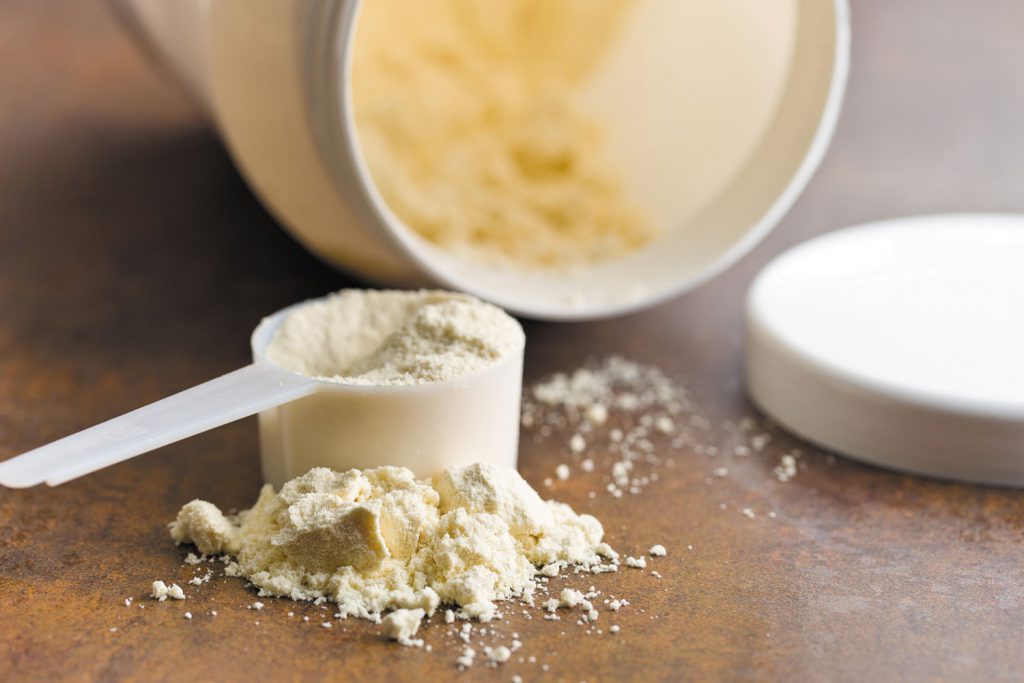
The infant nutrition industry continues to evolve as parents, regulators, and manufacturers demand higher standards of quality and transparency.
Several important trends are influencing the market:
- Increasing demand for premium infant nutrition products: Families worldwide are seeking formulas with advanced nutritional profiles and high-quality ingredients.
- Greater focus on traceability: Manufacturers are investing in transparent supply chains that provide detailed information about ingredient sources and processing.
- Growth of specialized dairy ingredients: Companies are moving toward customized ingredients designed for specific nutritional applications.
- Sustainability in dairy processing: Efficient use of whey supports more sustainable dairy production by transforming a traditional by-product into a valuable nutritional ingredient.
Frequently Asked Questions About Demineralized Whey Powder for Infant Formula
Why is demineralized whey powder used in infant formula?
Demineralized whey powder helps manufacturers create formulas with controlled mineral levels while providing valuable whey-derived nutrients such as lactose and proteins.
Is all whey powder suitable for infant formula production?
No. Infant formula requires specialized ingredients that meet strict quality, safety, and nutritional standards. General whey powder may not have the required specifications.
What should manufacturers check before purchasing?
Factories should review technical specifications, certificates, supplier reliability, microbiological standards, and compatibility with their formulation requirements.
Why is supplier experience important in infant nutrition?
Because infant formula production requires exceptional consistency and documentation. Experienced suppliers understand the strict expectations of this industry.
Can manufacturers purchase different brands through one supplier?
Yes. Suppliers such as MT Royal provide access to multiple brands, allowing manufacturers to compare options based on quality and commercial requirements.
Choosing the Right Ingredient Partner for Long-Term Success
The production of infant formula depends on decisions made long before the final product reaches consumers. Every ingredient contributes to the quality, safety, and reliability of the finished formula. Selecting the right Demineralized Whey Powder for Infant Formula supplier is therefore a strategic decision for manufacturers seeking long-term success.
Factories that evaluate ingredient quality, supplier expertise, and supply chain stability are better prepared to meet the growing expectations of the infant nutrition market. MT Royal helps manufacturers explore reliable dairy ingredient options by providing multiple brand choices and competitive sourcing solutions.
The future of infant nutrition belongs to manufacturers who understand that quality begins with the smallest details. A carefully selected whey ingredient is not simply a raw material; it is a foundation for trust, consistency, and the performance of every product created from it.


No comment