


In the confectionery industry, ingredient selection directly influences taste, texture, appearance, and production efficiency. For factories looking for a reliable source of Demineralized Whey Powder for Confectionery, working with an experienced supplier such as MT Royal can provide access to multiple brands, competitive pricing options, and suitable dairy ingredient solutions designed for industrial applications. The right whey powder is not simply a supporting ingredient; it can become a key factor in achieving consistent product quality across thousands or millions of confectionery units.
Modern confectionery manufacturers face increasing pressure to create products with improved sensory characteristics, controlled costs, and reliable quality. Consumers expect smoother chocolate textures, balanced sweetness, attractive colors, and consistent flavor profiles. Behind these characteristics, carefully selected raw materials play a major role.
Demineralized whey powder has gained importance in confectionery production because it provides valuable dairy solids while offering better control over mineral content. From chocolate and caramel to filled candies and baked confectionery products, this ingredient helps manufacturers achieve specific formulation goals while maintaining production stability.
For industrial buyers, choosing the correct supplier is as important as choosing the ingredient itself. A professional supplier understands technical requirements, product specifications, storage conditions, and the challenges involved in large-scale food production.
LATAMARKO LM60 – Premium Spanish-Origin Cocoa Powder
latamarko alkalized cocoa powder lm60
cocoa powder for chocolate production-Best price
Food industry raw materials – list of products
Best Brazilian Arabica Coffee Bean Supplier for Industrial Roaster
Uganda Bugisu Arabica Coffee Beans for Specialty Coffee Industry
What Is Demineralized Whey Powder for Confectionery?
Demineralized whey powder is a refined dairy ingredient produced by removing a portion of minerals naturally present in whey. Whey is obtained during cheese manufacturing and contains valuable components including lactose, proteins, and minerals. However, the original mineral profile may not always be suitable for specialized applications such as confectionery production.
Through advanced processing methods, including ion exchange and filtration technologies, manufacturers reduce mineral levels while preserving important dairy components. The result is a powder with a cleaner taste, improved functionality, and greater formulation flexibility.
In confectionery manufacturing, controlling mineral content is important because minerals can influence several product characteristics, including flavor perception, color development, and processing behavior.
The main benefits of using demineralized whey powder in confectionery applications include:
- Improved flavor balance: Reduced mineral content creates a cleaner dairy taste that blends more effectively with chocolate, sugar, cocoa, and other confectionery ingredients. This allows manufacturers to develop products with smoother and more pleasant sensory profiles.
- Better texture control: Dairy solids contribute to mouthfeel, creaminess, and structure in many confectionery products. Demineralized whey powder helps manufacturers achieve consistent texture without adding excessive mineral content.
- Enhanced formulation flexibility: Manufacturers can adjust recipes more accurately because the mineral contribution from whey is controlled and predictable.
- Consistent production performance: Large-scale confectionery production depends on stable ingredients. Consistency in moisture, solubility, and composition helps reduce manufacturing variations.

Why Confectionery Manufacturers Use Demineralized Whey Powder
The confectionery sector is highly competitive, and manufacturers continuously search for ingredients that improve product quality while maintaining cost efficiency. Dairy ingredients have long been used in confectionery because they provide desirable flavor, nutritional value, and functional properties.
Demineralized Whey Powder for Confectionery is particularly valuable because it delivers dairy characteristics without introducing unnecessary mineral levels that may affect product formulation.
In chocolate manufacturing, whey-based ingredients can contribute to creaminess and milk flavor development. In caramel production, they support the desired dairy profile and improve product consistency. In compound coatings and fillings, they help manufacturers manage texture and processing behavior.
The global confectionery market continues to expand, with growing demand for premium chocolates, functional sweets, and dairy-enriched products. As manufacturers develop more sophisticated formulations, specialized ingredients such as demineralized whey powder are becoming increasingly important.
Industrial Applications of Demineralized Whey Powder in Confectionery
Different confectionery products require different ingredient characteristics. The versatility of demineralized whey powder makes it suitable for various applications.
Chocolate and Compound Coatings
Chocolate manufacturers use dairy ingredients to create creamy textures and balanced milk flavors. Demineralized whey powder can support the development of milk chocolate formulations and compound coatings where controlled dairy solids are required.
Its neutral flavor profile allows cocoa and other flavor components to remain dominant while maintaining the desired dairy character.
Caramel and Toffee Products
Caramel products depend heavily on dairy ingredients for flavor development, color formation, and texture. Demineralized whey powder can contribute to a smooth dairy profile while helping manufacturers manage formulation consistency.
Filled Candies and Cream Centers
Many filled confectionery products require ingredients that provide stability and desirable mouthfeel. Whey powder can support creamy textures while maintaining efficient production processes.
Bakery-Based Confectionery Products
Cookies, biscuits, and sweet baked products often include dairy ingredients to improve flavor and nutritional value. Demineralized whey powder can enhance these products while supporting consistent manufacturing results.
Important Quality Factors When Purchasing Whey Powder
Selecting a supplier for confectionery ingredients requires careful evaluation. The lowest price does not always represent the best value because ingredient performance affects production efficiency and final product quality.
Manufacturers should evaluate several technical parameters before purchasing:
Mineral Content and Demineralization Level
The degree of mineral removal determines how the ingredient behaves in different applications. Confectionery manufacturers should select the appropriate grade according to their formulation objectives.
A product designed for premium chocolate production may require different specifications compared with one used in bakery applications.
Lactose Content
Lactose contributes to sweetness, browning reactions, and flavor development. Manufacturers should understand how lactose levels interact with other ingredients in their recipes.
Protein Concentration
Whey proteins influence nutritional value and functional performance. The protein level should match the requirements of the final confectionery product.
Solubility and Powder Quality
Good solubility is essential for efficient mixing and processing. Poor-quality powder can create difficulties during production, increasing processing time and operational costs.
Common Mistakes When Sourcing Demineralized Whey Powder
Ingredient sourcing mistakes can create challenges that affect both production efficiency and profitability. Many manufacturers focus heavily on purchase price while overlooking important technical considerations.
Common mistakes include:
- Selecting an ingredient without considering the final application: Different confectionery products require different ingredient properties. A powder suitable for one product category may not deliver optimal results in another.
- Ignoring supplier consistency: Receiving different quality levels between shipments can create formulation problems and inconsistent finished products.
- Overlooking documentation: Reliable suppliers should provide complete technical information, certificates, and quality records to support food safety systems.
- Poor storage planning: Whey powder must be stored correctly to prevent moisture absorption and maintain product quality.
Choosing the Right Supplier for Industrial Confectionery Production
A professional ingredient supplier provides more than raw materials. The supplier supports manufacturers by helping them select appropriate products, compare brands, and manage supply requirements.
MT Royal works with industrial buyers by offering access to multiple brands and competitive sourcing solutions. This approach allows confectionery manufacturers to evaluate different options based on technical specifications and commercial needs.
In our collaboration with various factories, we have seen that companies achieve stronger results when purchasing decisions involve both procurement teams and technical departments. A good ingredient decision requires understanding both the commercial and production sides.
The advantages of working with an experienced supplier include:
- Access to multiple product options: Manufacturers can compare different brands and specifications instead of depending on a single solution.
- Better supply reliability: Experienced suppliers understand the importance of maintaining stable availability for continuous production.
- Improved purchasing decisions: Technical guidance helps factories choose ingredients that match their manufacturing objectives.
- Competitive sourcing opportunities: Access to different supply channels can help manufacturers manage costs more effectively.
Specialized Tips for Large-Scale Confectionery Production
Large confectionery factories operate with strict production schedules, meaning ingredient management must be carefully planned. Even a small interruption in raw material supply can affect delivery timelines and production targets.
Manufacturers can improve efficiency by following several practices:
- Create detailed ingredient specifications: Clearly defining quality requirements before purchasing reduces misunderstandings and improves supplier communication.
- Maintain proper inventory management: Factories should balance having enough stock for production continuity without creating unnecessary storage costs.
- Coordinate between departments: Procurement, quality control, and production teams should work together when evaluating dairy ingredients.
- Monitor market developments: Dairy ingredient prices can change due to milk supply conditions, energy costs, and global demand trends.
We have observed that manufacturers with structured sourcing strategies usually achieve better consistency because they treat ingredients as strategic production assets rather than simple purchases.
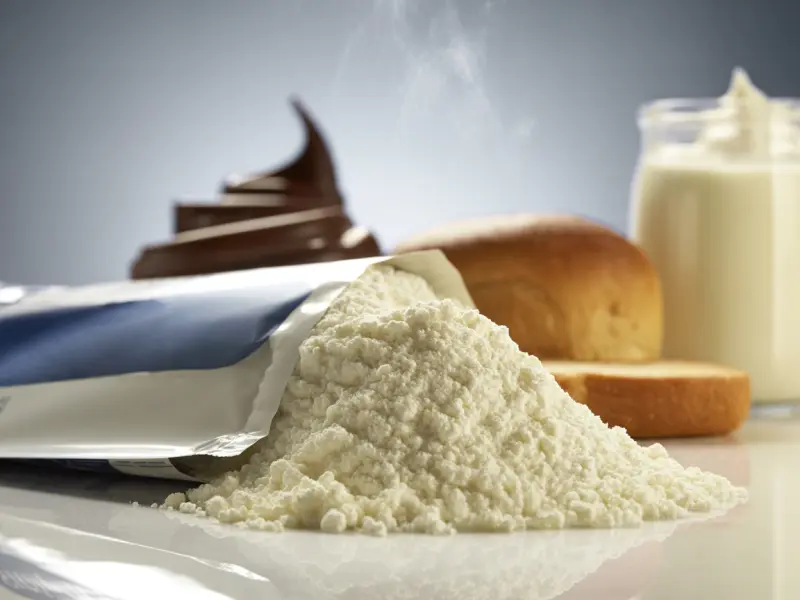
Future Trends in Dairy Ingredients for Confectionery
The confectionery industry is evolving as consumers demand better quality, cleaner labels, and innovative product experiences. These changes are influencing ingredient selection worldwide.
Several trends are shaping the future of whey-based ingredients:
- Growth of premium confectionery products: Consumers are increasingly interested in high-quality chocolates and specialty sweets, encouraging manufacturers to improve formulations.
- Demand for nutritional enhancement: Some confectionery producers are exploring ways to add value through protein and dairy-based ingredients.
- Greater focus on sustainability: Using whey efficiently supports more sustainable dairy processing by creating value from dairy by-products.
- Increased transparency: Manufacturers are placing greater importance on traceability and supplier accountability.
Frequently Asked Questions About Demineralized Whey Powder for Confectionery
Why is demineralized whey powder used in confectionery products?
It provides dairy solids, improves flavor characteristics, supports texture development, and allows manufacturers to control mineral content more effectively.
Can demineralized whey powder be used in chocolate production?
Yes. It is commonly considered for dairy-based chocolate formulations and compound coatings where controlled dairy functionality is required.
How should manufacturers choose the correct whey powder grade?
The choice depends on the product type, formulation goals, processing conditions, and required nutritional characteristics.
Why is supplier reliability important?
A consistent supplier helps manufacturers maintain stable production quality and avoid interruptions caused by inconsistent ingredients or supply delays.
Does purchasing from a supplier with multiple brands provide advantages?
Yes. Access to multiple brands allows manufacturers to compare quality, specifications, and pricing before making purchasing decisions.
Building Better Confectionery Products Through Smarter Ingredient Choices
The success of a confectionery product begins long before it reaches the production line. Ingredient decisions influence everything from texture and flavor to manufacturing efficiency and customer satisfaction. Choosing the right Demineralized Whey Powder for Confectionery supplier allows factories to build stronger production strategies and maintain consistent quality.
MT Royal supports manufacturers by providing access to multiple brands and competitive sourcing opportunities while helping businesses evaluate suitable dairy ingredient solutions. The most successful confectionery producers understand that every ingredient has a purpose, and every specification can influence the final product.
A carefully selected whey powder is more than a dairy ingredient; it is a foundation for better formulation, smoother production, and stronger market performance.


No comment