

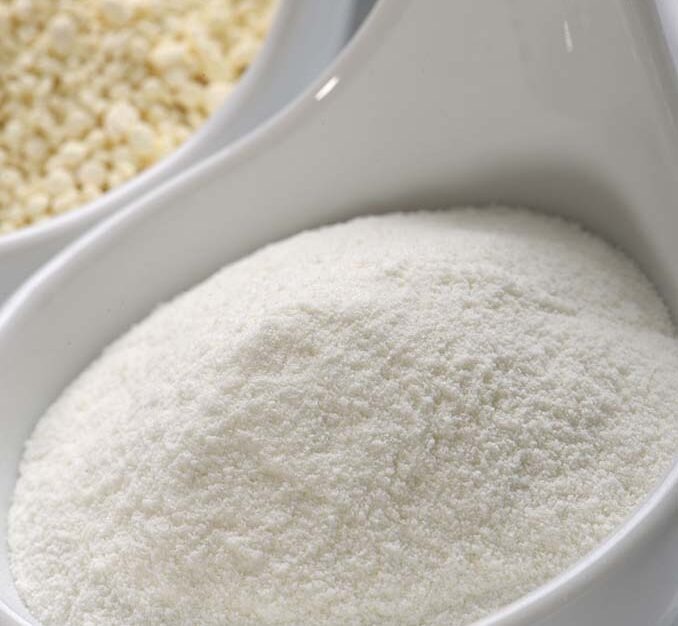
In the infant nutrition industry, ingredient selection is not simply a matter of formulation cost—it is a decision that directly influences nutritional quality, product consistency, and consumer trust. For manufacturers producing baby cereals, every ingredient must perform with exceptional precision because the final product is designed for one of the most sensitive consumer groups. This is why sourcing a reliable ingredient such as Demineralized Whey Powder for Baby Cereals has become a key consideration for factories seeking stable production and superior nutritional profiles.
For manufacturers looking to secure consistent dairy ingredients, working with a trusted supplier such as MT Royal provides access to multiple brands and competitive sourcing options. In large-scale baby food production, where small variations in mineral content or powder functionality can influence the final formulation, supplier reliability is not just a commercial advantage—it is part of quality management.
Demineralized Whey Powder for Baby Cereals is widely recognized as a valuable dairy ingredient because it helps manufacturers achieve better nutritional balance, improved digestibility, and enhanced product performance. It contributes important whey proteins and lactose while allowing precise control over mineral levels, which is especially important in infant nutrition applications.
The modern baby cereal market continues to expand as parents increasingly seek products with balanced nutrition, clean labels, and scientifically developed formulations. Industry analysts estimate that the global baby food sector continues to grow steadily, supported by rising demand for premium infant nutrition products and improved awareness of early childhood dietary needs.
This article explores the technical characteristics, benefits, sourcing considerations, and industrial applications of Demineralized Whey Powder for Baby Cereals, helping manufacturers make more informed decisions.
LATAMARKO LM60 – Premium Spanish-Origin Cocoa Powder
latamarko alkalized cocoa powder lm60
cocoa powder for chocolate production-Best price
Food industry raw materials – list of products
Best Brazilian Arabica Coffee Bean Supplier for Industrial Roaster
Uganda Bugisu Arabica Coffee Beans for Specialty Coffee Industry
Understanding Demineralized Whey Powder for Baby Cereals
Before discussing its applications, it is important to understand the fundamental characteristics of this specialized dairy ingredient.
What is Demineralized Whey Powder?
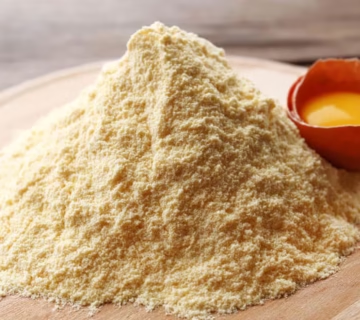
Demineralized whey powder is produced from liquid whey, which is naturally obtained as a by-product during cheese manufacturing. Through advanced processes such as ion exchange or electrodialysis, a significant percentage of minerals is removed while valuable dairy components remain.
The resulting powder contains important nutritional elements including:
- Whey proteins that support high-quality nutritional formulations and provide essential amino acids required for balanced infant diets.
- Lactose that contributes carbohydrates and supports the natural sweetness profile expected in baby cereal products.
- Reduced mineral content that allows manufacturers to better control the final nutritional composition.
Unlike standard whey powder, Demineralized Whey Powder for Baby Cereals offers greater formulation flexibility because manufacturers can adjust mineral levels more accurately without sacrificing dairy functionality.
Why mineral reduction matters in baby cereal production
Infant nutrition requires careful management of mineral concentration. Excessive mineral levels may affect product formulation, taste, and nutritional balance.
Demineralization helps manufacturers create products with controlled ash content, making the ingredient suitable for sensitive applications where consistency is critical.
In baby cereals, where the product is often combined with grains, vitamins, minerals, and other nutritional components, having a predictable dairy base is essential for maintaining formulation accuracy.
The Role of Demineralized Whey Powder in Baby Cereal Formulations
Baby cereals are complex nutritional systems. They must provide energy, essential nutrients, pleasant taste, and easy digestion. Demineralized Whey Powder for Baby Cereals contributes to several important functional areas.
Improving Nutritional Quality
One of the primary advantages of demineralized whey powder is its ability to increase the nutritional value of baby cereal products.
Whey proteins are considered high-quality proteins because they contain a complete amino acid profile. They support infant growth and contribute to the overall nutritional density of cereal formulations.
For manufacturers, incorporating whey-based ingredients allows the development of products that better match modern nutritional expectations without significantly increasing formulation complexity.
Enhancing Digestibility and Protein Balance
Infant digestive systems are still developing, making protein selection extremely important.
Whey proteins are generally easier to digest compared with some other protein sources. When used correctly in baby cereals, Demineralized Whey Powder for Baby Cereals helps create a softer nutritional profile suitable for early-life products.
The controlled mineral composition also helps maintain a balanced formulation, especially when combined with other dairy and grain ingredients.
Supporting Better Texture and Mouthfeel
Texture is one of the most important characteristics of baby cereals. Parents expect smooth, easy-to-consume products without excessive graininess or unpleasant sensations.
Demineralized whey powder improves:
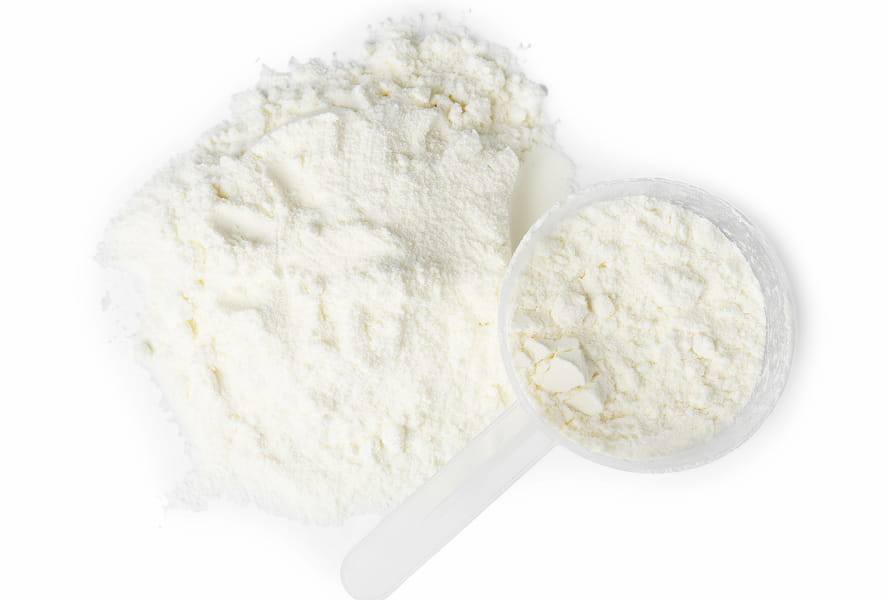
- Powder dispersion during preparation because its controlled particle structure allows easier mixing with water or milk.
- Creaminess and smoothness by contributing dairy solids that enhance the sensory experience.
- Consistency after reconstitution by supporting better interaction between proteins and carbohydrates.
A baby cereal that mixes poorly can quickly become a consumer complaint, even if its nutritional profile is excellent. In this market, texture is often the first quality test performed at the kitchen table.
Common Mistakes When Sourcing Demineralized Whey Powder
Selecting the right supplier is one of the most important decisions for baby cereal manufacturers. A small mistake in ingredient selection can create significant production challenges.
A supplier like MT Royal helps manufacturers compare multiple brands and sourcing options while maintaining quality expectations.
Common sourcing mistakes include:
Choosing based only on price
The lowest-cost ingredient does not always provide the lowest production cost. Poor functionality can increase waste, require additional processing adjustments, and create inconsistent batches.
Ignoring mineral specifications
Different demineralization levels can affect nutritional calculations and final product performance. Manufacturers should always verify ash content and mineral reduction levels.
Not evaluating solubility performance
Laboratory specifications are important, but real production testing is equally necessary. A powder must perform correctly during industrial mixing and reconstitution.
Overlooking supplier consistency
Baby food production requires strict repeatability. A supplier that cannot maintain consistent specifications can create challenges during quality audits and production planning.
In our collaboration with various food manufacturers, we have seen that ingredient consistency often has a greater impact on production efficiency than small differences in purchase price.
Comparison with Other Dairy Ingredients
Understanding how Demineralized Whey Powder for Baby Cereals compares with other dairy ingredients helps manufacturers select the right formulation strategy.
Demineralized Whey Powder vs Standard Whey Powder
Demineralized whey provides better mineral control and is more suitable for sensitive infant nutrition applications. Standard whey powder may contain higher mineral levels that are not always ideal for specialized formulations.
Demineralized Whey Powder vs Skim Milk Powder
Skim milk powder provides higher casein content, while demineralized whey offers superior whey protein functionality and easier mineral adjustment.
Demineralized Whey Powder vs Whey Protein Concentrate
Whey protein concentrate contains higher protein levels but is generally more expensive. Demineralized whey is often preferred when manufacturers need nutritional contribution with better cost efficiency.
Industrial Production Tips for Baby Cereal Manufacturers
Large-scale baby cereal production requires strict control of every processing stage. The following practices help optimize performance:
- Store the powder under controlled humidity conditions because moisture absorption can affect powder flow and solubility.
- Use proper blending sequences to ensure even distribution with grains, vitamins, and minerals.
- Conduct pilot-scale trials before full production to confirm texture and nutritional performance.
- Monitor heat exposure carefully because excessive thermal treatment may influence protein functionality.
- Maintain detailed quality documentation for every incoming ingredient batch.
These steps may appear simple, but industrial food production is often influenced by small operational details. Sometimes the difference between a smooth production run and a difficult one is a few minutes of mixing time or a slightly different hydration approach.
Supply Chain Importance in Infant Nutrition Manufacturing
The baby food industry requires exceptional supply chain control. Manufacturers cannot rely on unpredictable ingredient availability or inconsistent specifications.
A reliable supplier such as MT Royal supports manufacturers by providing access to multiple dairy ingredient brands at competitive prices while helping reduce sourcing risks.
Important supplier evaluation factors include:
- Consistent product specifications across shipments.
- Technical documentation and quality certificates.
- Stable international supply capability.
- Experience with industrial dairy applications.
We have observed that factories with structured sourcing strategies usually experience fewer formulation adjustments and improved production planning.
Market Trends Affecting Baby Cereal Ingredients
The baby nutrition market is changing rapidly. Parents increasingly demand products that combine convenience with scientifically supported nutrition.
Several trends are shaping ingredient choices:
Growth of premium infant nutrition
Consumers are willing to invest in higher-quality baby food products with improved nutritional profiles.
Demand for clean-label ingredients
Manufacturers are replacing unnecessary additives with naturally derived functional ingredients.
Increased focus on protein quality
Protein source selection has become a major factor in infant nutrition development.
Expansion of fortified cereals
Baby cereals are increasingly designed as complete nutritional solutions rather than simple grain products.
These trends continue to increase demand for specialized dairy ingredients such as Demineralized Whey Powder for Baby Cereals.
Frequently Asked Questions
What is Demineralized Whey Powder for Baby Cereals used for?
It is used to improve nutritional value, protein quality, texture, and mineral control in infant cereal formulations.
Why is mineral reduction important?
Mineral control allows manufacturers to create more balanced formulations suitable for sensitive nutritional applications.
Can it replace milk powder in baby cereals?
It can partially replace certain dairy ingredients depending on the nutritional goals and formulation requirements.
Is demineralized whey suitable for large-scale production?
Yes, when sourced from a reliable supplier and handled correctly, it performs well in industrial manufacturing environments.
Why is supplier reliability important?
Consistent ingredient quality helps manufacturers maintain product safety, regulatory compliance, and stable production.
Building Better Infant Nutrition Through Better Ingredient Decisions
In baby food manufacturing, every ingredient carries responsibility. Quality is not created only through advanced machinery or sophisticated packaging—it begins with choosing raw materials that perform consistently and safely.
Demineralized Whey Powder for Baby Cereals represents one of the most valuable dairy ingredients for manufacturers seeking nutritional precision, better texture, and reliable production performance. Its ability to provide high-quality whey proteins while maintaining controlled mineral levels makes it a strategic component in modern infant nutrition.
For factories competing in an increasingly demanding market, choosing the right ingredient supplier is part of building consumer trust. The smallest powder particle in a production line can influence the quality perception of an entire brand.

No comment