


For chocolate and confectionery manufacturers, choosing the right fat ingredient can determine product quality, processing efficiency, and market competitiveness. MT Royal helps industrial producers access reliable CBE from Palm Mid Fraction solutions from different brands at competitive prices, allowing factories to select suitable ingredients according to their formulation needs and production goals. In modern chocolate manufacturing, where consumers expect premium taste, smooth texture, and excellent stability, selecting the correct cocoa butter equivalent is not simply a technical choice; it is a strategic decision that directly affects the final product.
The chocolate industry depends on precise control of fat systems. Cocoa butter has unique melting properties and provides the characteristic texture consumers associate with high-quality chocolate. However, fluctuations in cocoa butter prices, supply limitations, and increasing demand for cost-effective alternatives have encouraged manufacturers to explore specialized fat solutions. Among these solutions, CBE from Palm Mid Fraction has become an important ingredient for factories seeking performance, consistency, and economic flexibility.
Chocolate manufacturers today must balance several challenges at the same time: maintaining premium quality, controlling production costs, improving shelf life, and meeting changing consumer expectations. A carefully selected cocoa butter equivalent can help achieve these goals without compromising the sensory characteristics of the finished product.
In our collaboration with various food manufacturers, we have seen that successful chocolate production depends not only on advanced equipment but also on choosing ingredients that work harmoniously with the entire formulation. The right fat ingredient can make the production process smoother, while the wrong choice can create problems that appear only after packaging or storage.
What Is CBE from Palm Mid Fraction?
CBE from Palm Mid Fraction refers to a cocoa butter equivalent produced using the mid fraction of palm oil. This specialized fat ingredient is designed to mimic the physical and functional properties of cocoa butter, making it suitable for chocolate and confectionery applications.
Palm oil is fractionated into different components based on melting characteristics. The mid fraction contains a balanced composition of triglycerides that provide properties similar to cocoa butter, particularly in terms of melting behavior and crystallization.
A cocoa butter equivalent is not a simple replacement fat. It is engineered to work alongside cocoa butter and provide compatibility within chocolate formulations.
Key characteristics of CBE from Palm Mid Fraction include:
- Similar melting profile to cocoa butter
- Good compatibility with cocoa butter
- Excellent stability
- Controlled crystallization behavior
- Suitable texture and mouthfeel
- Improved cost management for manufacturers
For industrial chocolate factories, these characteristics make CBE a valuable tool for developing consistent products while managing raw material challenges.
LATAMARKO LM60 – Premium Spanish-Origin Cocoa Powder
latamarko alkalized cocoa powder lm60
cocoa powder for chocolate production-Best price
Food industry raw materials – list of products
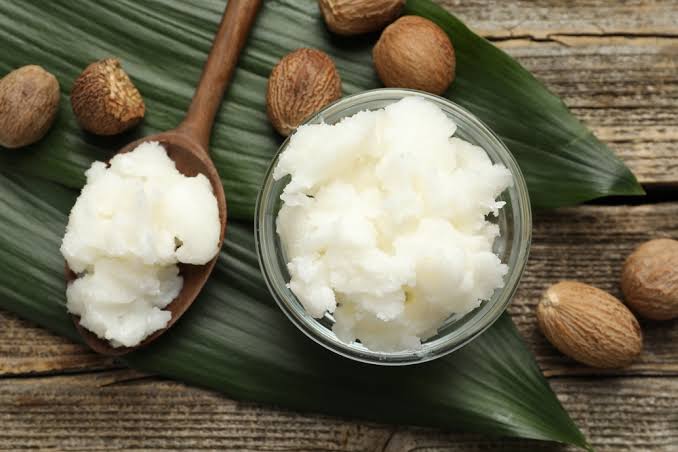
Understanding the Role of Cocoa Butter Equivalents in Chocolate Production
Chocolate is one of the most technically demanding food products because its quality depends heavily on fat behavior. The fat phase controls important characteristics such as hardness, gloss, melting sensation, and resistance to environmental conditions.
Traditional chocolate relies mainly on cocoa butter. However, cocoa butter prices can experience significant fluctuations due to factors such as cocoa crop conditions, climate changes, and global supply-demand pressures.
Cocoa butter equivalents provide manufacturers with additional flexibility by offering similar functionality while improving supply chain stability.
The role of CBE includes:
- Supporting chocolate texture development
- Improving product consistency
- Reducing dependence on cocoa butter availability
- Enhancing formulation flexibility
- Supporting industrial-scale production
How CBE from Palm Mid Fraction Is Produced
The production of CBE from Palm Mid Fraction involves a controlled fractionation process that separates palm oil into different fractions based on melting points and triglyceride composition.
Palm oil contains various triglycerides with different physical properties. Through fractionation, manufacturers can isolate the mid fraction, which contains desirable characteristics for confectionery fat applications.
The general process involves:
Fractionation
Palm oil is carefully cooled under controlled conditions to allow different fat components to separate naturally.
Separation
The solid and liquid fractions are separated, producing fractions with different melting profiles.
Refinement and Modification
The selected fraction may undergo additional processing to achieve specific functional properties required for chocolate applications.
The result is a specialized fat ingredient designed to perform effectively in demanding confectionery environments.
Key Advantages of Using CBE from Palm Mid Fraction
Manufacturers choose CBE from Palm Mid Fraction because it provides several technical and commercial advantages.
Excellent Compatibility With Cocoa Butter
One of the most important characteristics of CBE is its ability to blend effectively with cocoa butter. This compatibility allows manufacturers to create formulations with predictable performance.
Unlike some alternative fats that may negatively affect chocolate structure, properly designed CBE works within the cocoa butter system.
Improved Cost Efficiency
Cocoa butter represents a significant portion of chocolate production costs. Using CBE can help manufacturers manage expenses while maintaining desirable product characteristics.
This is particularly important for large-scale producers operating in competitive markets.
Stable Supply Chain
Cocoa butter availability can be influenced by agricultural conditions and international market changes. Palm-based fat systems often provide manufacturers with additional sourcing flexibility.
MT Royal supports factories by offering access to multiple brands and ingredient options, helping businesses reduce dependency on a single supply source.
Good Melting Properties
Consumers expect chocolate to melt smoothly in the mouth but remain stable during handling and transportation.
CBE from Palm Mid Fraction provides a balanced melting profile that supports these requirements.
Applications of CBE from Palm Mid Fraction in the Food Industry
The versatility of this ingredient makes it suitable for various confectionery applications.
Chocolate Coatings
Chocolate coatings for biscuits, wafers, snacks, and frozen desserts require fats with good stability and processing performance.
CBE helps manufacturers achieve:
- Smooth coating appearance
- Controlled melting behavior
- Improved resistance during storage
Compound Chocolate
Compound chocolate products often use alternative fat systems instead of pure cocoa butter.
CBE can support the development of products with:
- Good texture
- Attractive appearance
- Reliable production performance
Filled Chocolates and Confectionery Centers
Fat behavior is critical in filled products because the outer chocolate shell and inner filling must remain stable together.
CBE can contribute to improved structure and sensory quality.
Bakery Coatings and Industrial Applications
Many bakery products use chocolate-like coatings. Manufacturers require ingredients that perform consistently under industrial conditions.
CBE vs Cocoa Butter: What Manufacturers Should Know
Understanding the difference between cocoa butter and CBE is important when selecting a fat system.
Cocoa Butter
Advantages:
- Authentic chocolate flavor
- Traditional chocolate properties
- Premium consumer perception
- Unique melting characteristics
Challenges:
- Higher cost
- Supply fluctuations
- Price volatility
CBE from Palm Mid Fraction
Advantages:
- More stable pricing
- Reliable availability
- Good compatibility with cocoa butter
- Suitable technical performance
Challenges:
- Requires correct formulation knowledge
- May not replace cocoa butter in every application
The best choice depends on product positioning, regulatory requirements, and manufacturing objectives.
Common Mistakes When Purchasing CBE
Selecting the wrong fat ingredient can create expensive production problems. Several mistakes occur frequently in industrial sourcing.
Choosing Only Based on Price
A lower purchase price does not always mean better value.
Poor-quality CBE may cause:
- Incorrect crystallization
- Poor gloss
- Texture problems
- Reduced shelf stability
Factories should evaluate performance, not only cost per kilogram.
Ignoring Compatibility Requirements
Not every fat ingredient behaves the same way in chocolate systems.
Manufacturers should consider:
- Cocoa butter percentage
- Desired texture
- Processing temperature
- Product type
- Storage conditions
Not Evaluating Supplier Experience
A supplier should understand confectionery applications, not simply provide raw materials.
Technical support and product knowledge can significantly reduce formulation risks.
Failing to Check Quality Documentation
Professional manufacturers should review:
- Product specifications
- Food safety documentation
- Quality certificates
- Batch consistency information
Specialized Production Tips for Using CBE in Chocolate Manufacturing
Large-scale chocolate factories need careful process management to maximize CBE performance.
Proper Tempering Control
Tempering is one of the most important steps in chocolate production. The fat crystal structure created during tempering affects:
- Gloss
- Snap
- Texture
- Stability
Even high-quality CBE requires correct tempering conditions.
Maintaining Accurate Fat Ratios
The ratio between cocoa butter and CBE should be carefully controlled. Small changes can influence viscosity and final texture.
Monitoring Storage Conditions
Temperature fluctuations during storage can affect fat crystallization and product quality.
Manufacturers should maintain controlled warehouse conditions to protect finished products.
Using Laboratory Testing
Professional factories often perform:
- Melting point analysis
- Solid fat content testing
- Texture evaluation
- Sensory assessment
These tests help ensure consistent production.
Market Trends Influencing CBE Demand
The global confectionery industry continues to evolve, and several trends are influencing ingredient selection.
Increasing Demand for Cost-Effective Chocolate Solutions
Rising cocoa prices have encouraged manufacturers to explore alternative fat systems that provide technical performance while improving cost control.
Growth of Industrial Chocolate Production
As demand for packaged snacks, biscuits, and confectionery products increases, manufacturers require ingredients that support large-scale production.
Focus on Product Consistency
Global brands require the same product quality across different markets. Stable ingredients help manufacturers achieve this goal.
Sustainability Considerations
Ingredient sourcing is becoming increasingly important. Manufacturers are paying more attention to responsible supply chains and transparent sourcing practices.
How to Select the Right Supplier for CBE from Palm Mid Fraction
A reliable supplier should provide more than competitive pricing. Industrial buyers should consider several factors:
- Availability of multiple brands
- Consistent product quality
- Technical knowledge
- Reliable delivery
- Understanding of confectionery applications
MT Royal works with manufacturers by providing different ingredient options from trusted brands, helping factories compare solutions and select products that fit their technical requirements.
We have found that factories with the strongest long-term results usually combine careful supplier selection with strong internal quality control systems. Ingredient sourcing and production expertise must work together like two parts of the same machine.
Frequently Asked Questions About CBE from Palm Mid Fraction
What is CBE from Palm Mid Fraction used for?
CBE from Palm Mid Fraction is mainly used in chocolate and confectionery applications where manufacturers need a fat ingredient with cocoa butter-like properties.
Can CBE completely replace cocoa butter?
The answer depends on the formulation and regulatory requirements. In many applications, CBE is used alongside cocoa butter or in specific chocolate-style products.
Why do manufacturers use CBE instead of only cocoa butter?
Manufacturers often use CBE to improve cost efficiency, supply stability, and formulation flexibility while maintaining desirable product qualities.
Is CBE suitable for premium chocolate products?
It depends on product positioning and formulation strategy. Some premium products require pure cocoa butter, while others can benefit from carefully selected CBE systems.
What should factories check before purchasing CBE?
Factories should evaluate quality specifications, compatibility, supplier reliability, and technical support.
Building Better Chocolate Products Through Smarter Fat Selection
Chocolate manufacturing is a precise balance between science, craftsmanship, and ingredient quality. CBE from Palm Mid Fraction provides manufacturers with a practical solution for improving production flexibility, managing costs, and maintaining consistent product performance.
The best chocolate products are created through thoughtful decisions made at every stage of production. Selecting the right fat ingredient is not only about replacing one component with another; it is about creating a stable foundation for quality, efficiency, and innovation.
With access to multiple brands and competitive sourcing options, MT Royal helps confectionery manufacturers make informed ingredient choices that support their long-term goals. In a market where consumers recognize even small differences in texture and flavor, the right CBE solution can become a valuable advantage for manufacturers seeking sustainable growth.



No comment