

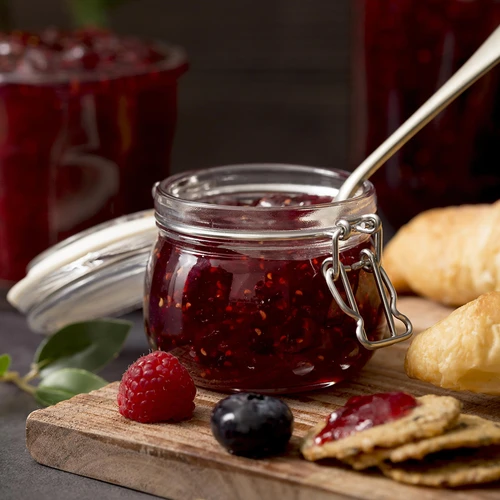
In today’s highly competitive food processing industry, consistency defines success far more than creativity, because even the most innovative jam or jelly formulation loses its value the moment batch-to-batch variation appears on the production line. Jam and jelly manufacturers operate in a tightly controlled environment where a seemingly insignificant shift in acidity—sometimes as small as 0.1 pH units—can completely disrupt pectin behavior, weaken gel structure, alter viscosity, and ultimately transform what should be a premium, shelf-stable product into a failed or downgraded batch that does not meet retail or export standards. This is exactly where Citric Acid for Jam & Jelly becomes a decisive factor in product quality, stability, and consumer acceptance, acting not just as an ingredient but as a precision tool that governs chemical balance, flavor perception, and long-term preservation performance across large-scale industrial production.
For factories that prioritize quality, cost efficiency, and global compliance, sourcing from a reliable supplier such as MT Royal plays a strategic role in ensuring production stability across multiple operational cycles, especially when dealing with fluctuating raw fruit acidity, seasonal variation in pectin content, and high-throughput cooking systems that leave very little room for corrective adjustments. In real industrial environments, we have observed that companies that properly control acidity parameters—especially through consistent dosing and high-purity citric acid—reduce batch rejection rates by up to 18–25%, simply by optimizing citric acid usage and sourcing. This improvement is not only a statistical advantage but also a structural one, because it reduces rework, stabilizes production planning, and minimizes downtime in filling and packaging lines, where even a small inconsistency can create cascading delays across the entire manufacturing schedule.
What Is Citric Acid for Jam & Jelly?
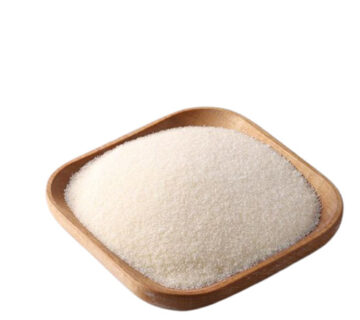
Citric acid is a weak organic acid naturally found in citrus fruits, but in industrial applications it is usually produced through fermentation and supplied in purified crystalline form. In jam and jelly production, it is far more than a flavoring agent.
Citric Acid for Jam & Jelly acts as a multifunctional ingredient that directly influences gel structure, microbial stability, and flavor balance.
Key Functional Roles in Production
To understand its importance, it is useful to break down its core industrial functions:
- pH regulation for gel formation stability
Citric acid ensures the mixture reaches the ideal acidity range required for pectin activation, typically between pH 2.8 and 3.4. - Pectin activation support
It helps pectin molecules form a stable gel network, which defines the final texture of jam and jelly. - Flavor enhancement and balance
By reducing excessive sweetness perception, it creates a more natural fruit profile. - Shelf-life extension
Lower pH conditions inhibit microbial growth, improving product safety during storage and distribution.
LATAMARKO LM60 – Premium Spanish-Origin Cocoa Powder
latamarko alkalized cocoa powder lm60
cocoa powder for chocolate production-Best price
Food industry raw materials – list of products
Best Brazilian Arabica Coffee Bean Supplier for Industrial Roaster
Uganda Bugisu Arabica Coffee Beans for Specialty Coffee Industry
How Citric Acid Works in Jam and Jelly Chemistry
The science behind jam and jelly production is more sensitive than most people assume. It is essentially a controlled chemical balance between sugar, pectin, temperature, and acidity.
Citric acid plays a central role in this balance by lowering pH and enabling pectin molecules to form a stable three-dimensional network.
The Role of pH in Gel Formation
Pectin requires a specific acidic environment to function correctly. If the pH is too high, gel formation fails; if it is too low, the structure becomes overly rigid or unstable.
Industrial producers often target a narrow pH window, where citric acid ensures:
- Proper gel elasticity
- Uniform texture across batches
- Resistance to syneresis (water separation)
- Improved thermal stability during pasteurization
Additional Chemical Benefits
Beyond gel formation, citric acid contributes to:
- Prevention of enzymatic browning in fruit pulp
- Stabilization of natural fruit color during heating
- Reduction of sugar crystallization in storage
- Improved consistency in high-speed production lines
These effects are especially important in factories operating continuous cooking systems, where timing and temperature control are critical.
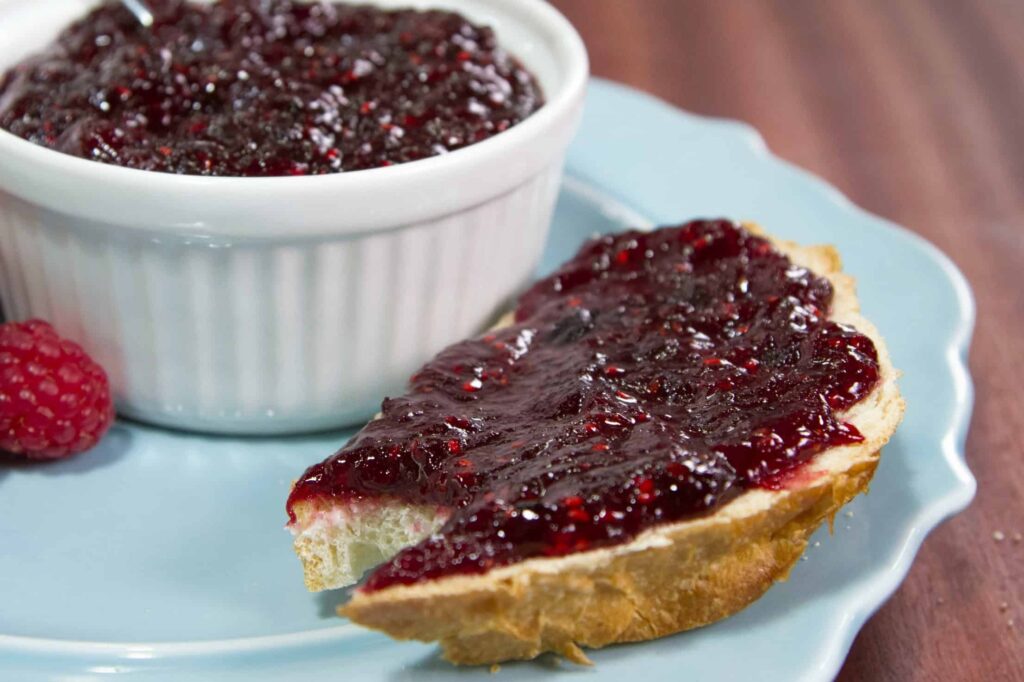
Industrial Applications of Citric Acid for Jam & Jelly
Modern food factories use citric acid not just as an additive, but as a process control tool.
Before exploring specific applications, it is important to note that production scale significantly influences how citric acid is dosed and integrated.
Typical Industrial Applications
- Fruit preparation adjustment
Citric acid is added during pulp preparation to stabilize acidity before cooking begins. - Cooking phase optimization
It ensures that pectin activation occurs efficiently under controlled heating conditions. - Final product standardization
Adjustments are made before filling to guarantee consistent taste and texture across batches. - Multi-flavor product balancing
In mixed fruit jams, citric acid harmonizes acidity differences between raw materials.
Common Mistakes in Sourcing Citric Acid for Industrial Use
One of the biggest challenges in production is not formulation, but procurement. Many factories underestimate how significantly raw material quality affects output.
Before listing common mistakes, it is worth noting that inconsistent citric acid quality can lead to unstable gel formation and increased production waste.
Frequent Procurement Errors
- Using non-food-grade citric acid to reduce costs
This can lead to regulatory issues and compromised product safety. - Ignoring particle size uniformity
Poor solubility causes uneven acidity distribution in large mixing tanks. - Overlooking moisture absorption levels
High humidity exposure can cause clumping and dosing inconsistencies. - Depending on a single supplier
This increases vulnerability to supply chain disruptions and price fluctuations.
Reliable suppliers such as MT Royal help factories reduce these risks by providing consistent quality across multiple production batches.
Why Citric Acid Quality Matters in Large-Scale Production
In industrial environments, small formulation errors are amplified at scale. A deviation that seems negligible in a lab setting can result in thousands of kilograms of off-spec product in production.
High-quality citric acid ensures:
- Predictable gel formation behavior
- Stable viscosity across production cycles
- Reduced batch rejection rates
- Improved consumer consistency perception
Packaging efficiency also improves when formulation stability is maintained, reducing rework and production delays.
Key Industrial Insights for Manufacturers
In large-scale jam and jelly production, efficiency is not only about machinery—it is about ingredient behavior under stress conditions such as heat, shear force, and rapid cooling.
Based on industry experience, several key insights stand out:
- Consistent acidity reduces dependency on corrective additives
- Proper citric acid dosing improves filling line efficiency
- Stable pH reduces cleaning frequency in production tanks
- Balanced formulations improve long-term product branding consistency
These insights often differentiate high-performing factories from average ones.
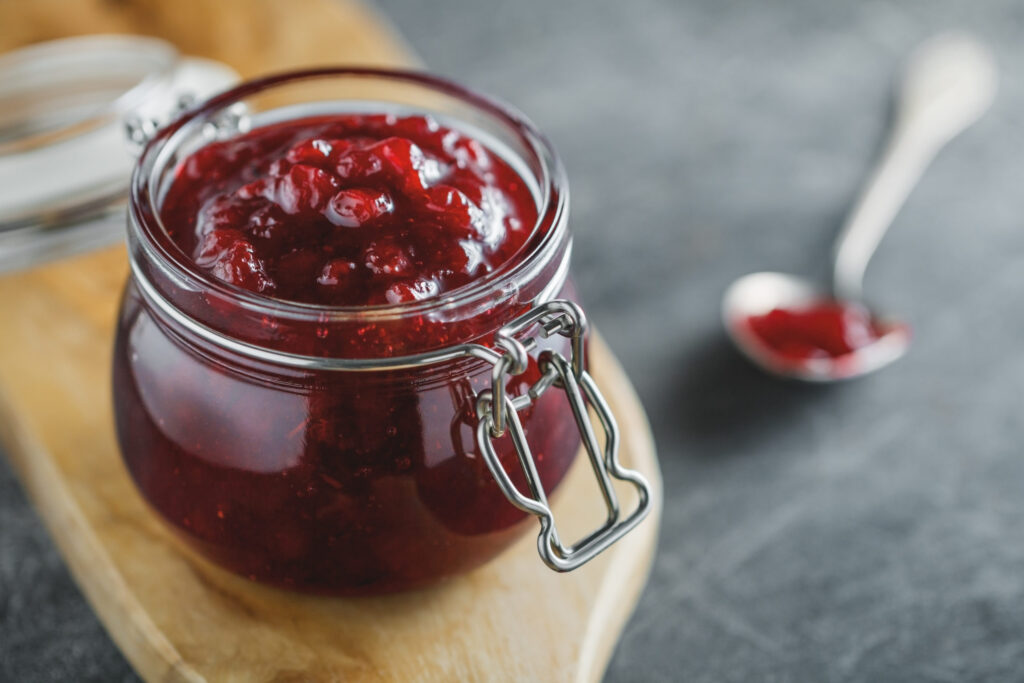
Frequently Asked Questions About Citric Acid for Jam & Jelly
Why is citric acid necessary in jam production?
Citric acid is essential because it regulates pH, which is required for pectin to form a stable gel structure. Without it, jam would lack proper texture and shelf stability.
Can too much citric acid affect product quality?
Yes, excessive citric acid can lead to overly sour taste and overly rigid gel structures, negatively affecting consumer acceptance.
Is all citric acid the same in industrial use?
No. Differences in purity, particle size, and moisture content can significantly impact production performance.
What is the ideal pH range for jam and jelly?
Most industrial formulations target a pH between 2.8 and 3.4 for optimal gel formation and stability.
Final Perspective for Manufacturers
Citric acid is often underestimated because it is a simple, widely available ingredient. However, in industrial jam and jelly production, it behaves like a control knob for chemistry, texture, and shelf life all at once.
Factories that treat Citric Acid for Jam & Jelly as a strategic formulation component—not just a minor additive—consistently achieve higher product stability, lower rejection rates, and stronger market performance.
In a competitive market where every batch matters, precision in acidity control is not optional—it is a production discipline that defines long-term success.

No comment