

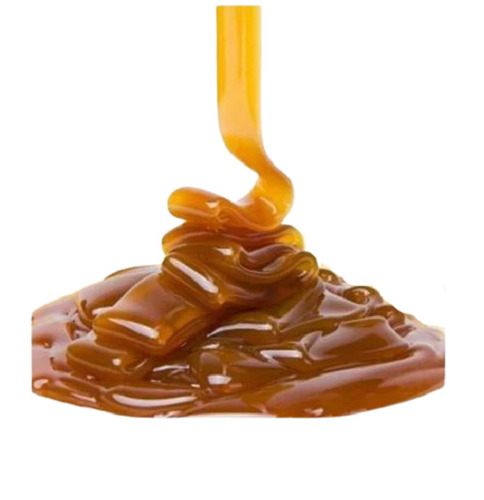
In modern confectionery manufacturing, profitability often depends on small formulation decisions that create large operational impact. One of those decisions is the choice of emulsifier — and more specifically, the selection of Lecithin for Confectionery Products. If you are sourcing ingredients for chocolate, compound coatings, fillings, caramels, or bakery-confectionery hybrids, understanding lecithin at a deeper technical level can directly influence viscosity control, cost optimization, processing efficiency, and final product quality.
Manufacturers who partner with experienced suppliers such as MT Royal often gain an advantage not only in pricing but also in formulation guidance, brand variety, and supply reliability — factors that matter far more than many procurement teams initially realize.
This article explores lecithin from an industrial perspective, focusing on actionable insights for factory managers, R&D specialists, and procurement professionals who want measurable improvements in production outcomes.
What Is Lecithin and Why It Matters in Confectionery Manufacturing
Lecithin is a naturally derived phospholipid mixture typically obtained from soybeans, sunflower seeds, or egg sources. In confectionery applications, it functions primarily as an emulsifier, viscosity modifier, and flow improver.
From a chemical standpoint, lecithin molecules contain both hydrophilic (water-attracting) and lipophilic (fat-attracting) components. This amphiphilic structure allows lecithin to stabilize mixtures of fats and solids, which is essential in chocolate and confectionery systems where cocoa butter or vegetable fats interact with sugar, milk solids, and flavor compounds.
For industrial producers, the importance of lecithin goes beyond emulsification. It directly impacts:
• Processing efficiency
• Energy consumption during mixing and refining
• Pumpability and molding performance
• Shelf stability and bloom resistance
• Ingredient cost optimization
A common industry observation is that lecithin can reduce fat requirements by 2–4% in certain formulations without compromising texture — a significant cost-saving opportunity when working with high-value fats like cocoa butter.
Types of Lecithin Used in Confectionery Production
Choosing the correct type of lecithin is not simply a sourcing decision — it is a formulation strategy.
Soy Lecithin
Soy lecithin remains the most widely used option in global confectionery manufacturing due to its cost efficiency and functional performance.
Advantages include:
• Strong emulsification capability
• Consistent supply chain availability
• Competitive pricing
• Proven performance across chocolate and compound systems
However, some markets require non-GMO or allergen-conscious labeling, which may influence sourcing decisions.
Sunflower Lecithin
Sunflower lecithin has gained popularity in premium and clean-label markets.
Key benefits include:
• Allergen-friendly positioning
• Non-GMO perception
• Neutral flavor profile
• Increasing regulatory acceptance in certain regions
Although typically more expensive than soy lecithin, sunflower lecithin may provide marketing advantages for consumer-facing brands.
Hydrolyzed and Fractionated Lecithin
Advanced lecithin variants offer enhanced functionality.
These include:
• Enzymatically modified lecithin for improved dispersion
• De-oiled lecithin powders for dry blending applications
• Fractionated lecithin with higher phosphatidylcholine content
Such options are particularly useful in high-performance chocolate processing or low-fat confectionery formulations.
In our collaboration with various factories, we have seen that switching from standard lecithin to a tailored modified variant often improves viscosity stability more than increasing dosage — an insight that can prevent unnecessary ingredient costs.
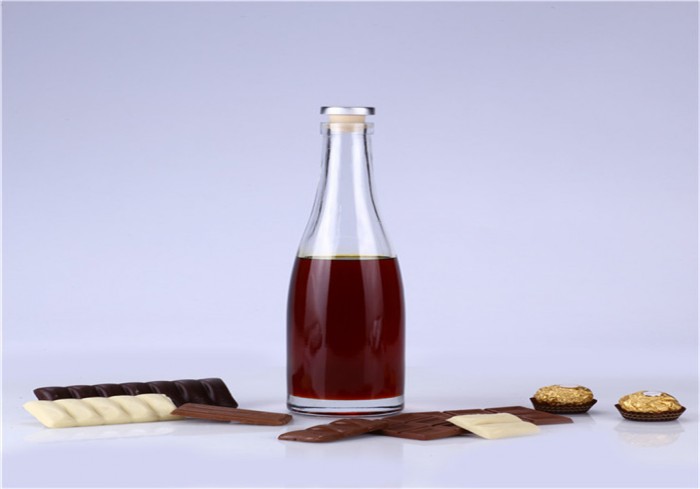
Functional Role of Lecithin in Chocolate and Confectionery Systems
Understanding the physical mechanisms behind lecithin performance helps manufacturers optimize usage.
Viscosity Reduction and Flow Control
One of the primary reasons lecithin is added to chocolate is to reduce viscosity by improving particle lubrication.
Relevant LSI keywords:
• Chocolate emulsifier
• Viscosity control in chocolate
• Cocoa butter reduction
• Confectionery processing aid
By coating sugar and cocoa particles, lecithin reduces friction between solids, allowing smoother flow during:
• Conching
• Pumping
• Enrobing
• Molding
This effect can significantly lower mechanical stress on equipment and reduce energy consumption.
Fat Phase Optimization
Lecithin improves fat distribution within the matrix, allowing manufacturers to achieve desired rheology with less fat content.
For large-scale production, even a 1% fat reduction can translate into substantial annual savings.
Moisture Tolerance Improvement
Moisture is a critical enemy in chocolate processing. Lecithin helps improve tolerance to small moisture variations by stabilizing fat-solid interfaces.
This is particularly useful in:
• Filled chocolates
• Compound coatings
• Caramel inclusions
• Bakery-confectionery integrations
Texture and Mouthfeel Enhancement
Proper lecithin selection influences sensory characteristics:
• Smoothness
• Melt profile
• Creaminess perception
Incorrect lecithin dosing, however, can create undesirable flavors or waxy textures, highlighting the importance of technical understanding.
Industrial Applications of Lecithin Across Confectionery Categories
Lecithin is not limited to chocolate; it plays a role across multiple product types.
Chocolate and Compound Coatings
The largest usage segment includes:
• Milk chocolate
• Dark chocolate
• White chocolate
• Compound coatings
In these systems, lecithin works alongside cocoa butter or vegetable fats to optimize rheology.
Fillings and Cream Centers
Lecithin improves fat dispersion and prevents phase separation in fillings such as:
• Hazelnut creams
• Praline pastes
• Wafer fillings
• Chocolate spreads
Caramels and Toffees
In sugar-based confectionery, lecithin stabilizes fat-water emulsions and improves machinability during cooking and depositing.
Bakery-Confectionery Hybrids
Products like chocolate-coated biscuits or layered snacks benefit from lecithin’s compatibility with both fat and moisture phases.
Common Mistakes in Industrial Lecithin Sourcing
Many procurement teams treat lecithin as a commodity ingredient, but several mistakes can create production challenges.
Mistake 1: Selecting Only Based on Price
Cheaper lecithin may have:
• Higher viscosity
• Impurities
• Lower phospholipid content
• Inconsistent performance
These factors can increase dosage requirements, eliminating cost advantages.
Mistake 2: Ignoring Viscosity Specifications
Industrial lecithin varies significantly in flow properties. High-viscosity lecithin may complicate dosing and mixing.
Mistake 3: Overdosing to Solve Processing Problems
More lecithin does not always mean better performance. Excess amounts can:
• Alter flavor
• Increase stickiness
• Reduce snap in chocolate
Proper optimization is essential.
Mistake 4: Not Considering Supply Stability
Ingredient shortages can halt production lines. Reliable suppliers with multiple brand sources reduce risk exposure.
We have observed that factories with diversified sourcing strategies recover faster from supply disruptions compared to those relying on a single origin.
Practical Comparison: Liquid vs Powder Lecithin
Both forms have advantages depending on production setup.
Liquid Lecithin:
• Easier integration into fat-based systems
• Cost-effective for large-scale chocolate production
• Requires heated storage or pump systems
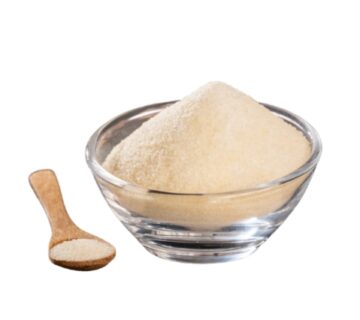
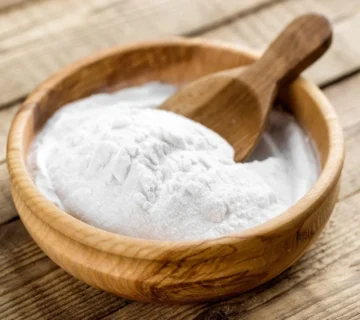
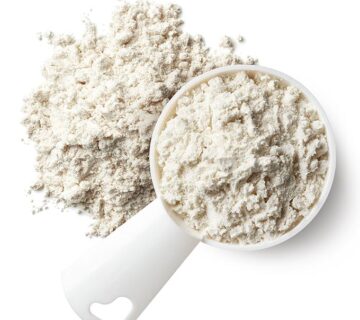
Powder Lecithin:
• Convenient for dry blending
• Better shelf stability
• Suitable for premix manufacturers
Your choice depends on processing equipment, formulation, and operational workflow.
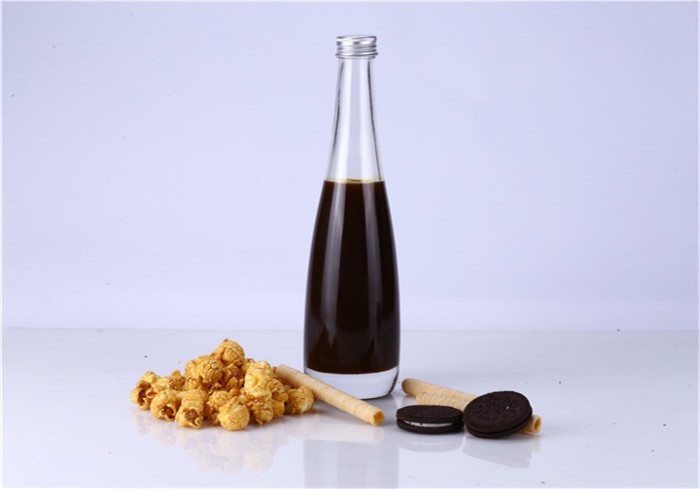
Specialized Industrial Tips for Large-Scale Production
For manufacturers seeking measurable improvements, the following strategies can optimize lecithin performance.
Optimize Addition Timing
Adding lecithin too early in the process can reduce effectiveness.
Best practice:
• Add during final conching stage
• Ensure proper dispersion before molding
Monitor Rheology with Instruments
Using viscometers or rheometers provides precise data for dosage optimization.
Small formulation adjustments can prevent large production inefficiencies.
Combine with Other Emulsifiers Strategically
Some systems benefit from dual-emulsifier approaches.
Examples include:
• Lecithin + PGPR (polyglycerol polyricinoleate)
• Lecithin + mono- and diglycerides
These combinations can significantly reduce yield stress and improve coating performance.
Maintain Proper Storage Conditions
Lecithin is sensitive to oxidation and moisture.
Recommended practices:
• Store in cool, dry environments
• Use nitrogen flushing for long-term storage
• Avoid prolonged exposure to air
Market Trends and Emerging Insights
The lecithin market is evolving rapidly due to consumer and industrial demands.
Key trends include:
Clean Label and Non-GMO Demand
Sunflower lecithin adoption continues to grow in premium markets.
Sustainability Considerations
Traceability and responsible sourcing are becoming procurement priorities.
Functional Lecithin Innovation
Modified lecithins with improved dispersibility and performance are entering the market.
Cost Optimization Pressure
Rising cocoa butter prices increase the importance of emulsifier efficiency.
Industry analysts estimate that emulsifier optimization can reduce chocolate production costs by up to 8% in some formulations — a substantial margin improvement.
Frequently Asked Questions from Factory Managers and Procurement Teams
How much lecithin should be used in chocolate?
Typical dosage ranges from 0.3% to 0.6%, depending on formulation and desired viscosity.
Higher levels may negatively affect flavor and texture.
Can lecithin replace cocoa butter?
It cannot fully replace cocoa butter but can reduce required amounts by improving flow properties.
What is the difference between lecithin and PGPR?
Lecithin primarily reduces viscosity and improves dispersion, while PGPR mainly reduces yield stress.
They are often used together for optimal results.
Does lecithin affect chocolate flavor?
At recommended levels, flavor impact is minimal. Overuse can introduce off-notes.
Is sunflower lecithin better than soy lecithin?
Functionally, both perform well. The choice depends on labeling, allergen considerations, and market positioning.
How important is supplier quality?
Extremely important. Variations in phospholipid composition, color, and viscosity can affect production consistency.
Working with experienced suppliers that offer multiple origins and brands allows manufacturers to maintain flexibility and quality assurance.
Strategic Advantages of Partnering with a Reliable Supplier
Ingredient sourcing is not just about purchasing — it is about risk management, formulation support, and long-term operational stability.
Suppliers with broad portfolios provide:
• Multiple lecithin origins
• Competitive pricing options
• Technical guidance
• Consistent quality
• Reliable logistics
In industrial environments where downtime costs thousands per hour, supply reliability often outweighs minor price differences.
The Economic Impact of Lecithin Optimization
Manufacturers sometimes underestimate how much lecithin influences production economics.
Potential savings areas include:
• Reduced fat usage
• Lower energy consumption
• Faster processing times
• Reduced equipment wear
• Improved product consistency
Over a full production year, these improvements can significantly enhance profitability.
One plant manager once compared lecithin optimization to “adjusting the oil in a machine — invisible to customers but critical to performance.” The analogy is surprisingly accurate.
Future Outlook for Lecithin in Confectionery Manufacturing
Innovation in emulsifier technology continues to expand possibilities.
Future developments may include:
• Precision-modified phospholipids
• Enhanced sustainability sourcing
• Functional blends tailored to specific chocolate types
• Improved allergen-free alternatives
Manufacturers who stay informed about ingredient advancements will maintain competitive advantages in both cost and product quality.
A Final Perspective for Decision Makers
Choosing the right Lecithin for Confectionery Products is not a minor formulation detail — it is a strategic lever that affects production efficiency, ingredient costs, product quality, and operational reliability.
Factories that approach lecithin selection scientifically rather than transactionally often unlock performance improvements that competitors overlook.
Whether you are optimizing an existing chocolate line or developing a new confectionery product, the combination of technical knowledge and reliable sourcing partnerships determines success more than any single ingredient specification sheet ever could.

No comment