


A Professional Formulation Guide for Crisp Layers and Smooth Cream Performance
A cream wafer becomes memorable not just because it is sweet—but because of the perfect contrast between ultra-thin crispy sheets and a silky, stable cream filling. This balance requires precision. If the wafer loses its crispness or the cream becomes unstable, the entire product fails in the consumer’s hands.
In industrial production, cream wafers are engineered systems. Every ingredient—from flour to cocoa derivatives—must be carefully selected to ensure texture stability, long shelf life, and consistent large-scale performance. This guide presents a complete, professional, and sales-oriented ingredient list for cream wafer manufacturing.
Product Structure Overview
Cream wafers consist of two key components:
- Wafer Sheets (Crisp Structure)
- Cream Filling (Fat-Based or Chocolate Cream)
Each part requires a dedicated formulation strategy.
Part 1: Wafer Sheet Ingredients
1. Wheat Flour (Structural Backbone)
Wheat flour forms the base of wafer sheets.
Functions:
- Provides structure and strength
- Enables thin sheet formation
- Supports uniform baking
Low-protein flour is typically preferred for achieving a light and crisp texture.
2. Water
Water is essential for batter formation.
Key roles:
- Hydrates flour
- Controls viscosity
- Supports even spreading on baking plates
Precise control of water content ensures consistent wafer thickness.
3. Vegetable Oils or Fats
Small amounts of fat improve baking performance and final texture.
Common options:
- Palm oil
- Sunflower oil
Benefits:
- Enhances crispness
- Prevents sticking
- Improves release from baking plates
4. Emulsifiers
Emulsifiers stabilize the batter and improve processing.
Examples:
- Lecithin (Soy or Sunflower)
- Mono- and Diglycerides
They ensure:
- Uniform batter consistency
- Smooth sheet formation
- Improved texture
5. Salt
Salt enhances flavor and balances the overall taste.
6. Leavening Agents (Optional)
- Sodium bicarbonate
Used in specific formulations to create slight aeration.
Part 2: Cream Filling Ingredients
The cream filling is the main value driver in cream wafers. It defines taste, mouthfeel, and product differentiation.
1. Sugar (Primary Component)
Sugar provides sweetness and structure.
Types:
- Refined sugar
- Powdered sugar (for smoother texture)
Fine particle size is essential for achieving a creamy mouthfeel.
2. Vegetable Fats and Specialty Fats
The fat system determines the filling’s texture and stability.
Common fats:
- Palm oil fractions
- Cocoa butter alternatives (CBR)
- Specialty confectionery fats
These fats ensure:
- Smooth and spreadable cream
- Stable structure over time
- Resistance to oil migration
3. Cocoa Powder – Flavor and Color Control
In chocolate cream wafers, cocoa powder is a key ingredient.
Types used:
- Natural Cocoa Powder
- Light color
- Slight acidity
- Alkalized Cocoa Powder
- Darker color
- Smooth flavor
- Better compatibility with fat systems
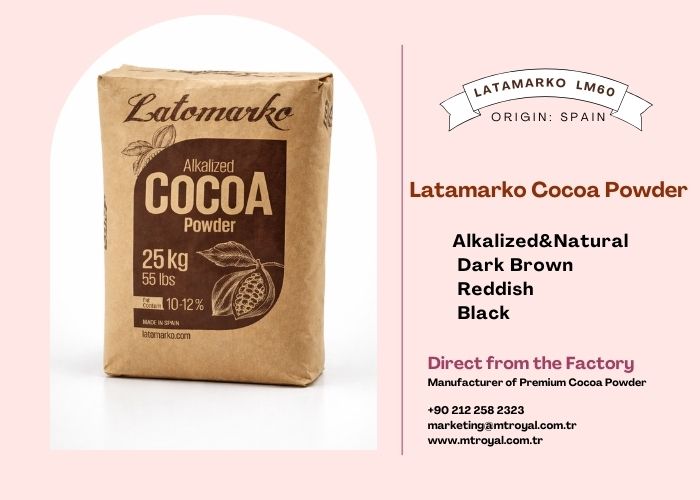
Industrial manufacturers prioritize cocoa powders with consistent color and pH—often aligned with structured European production systems such as LATAMARKO—to ensure uniform product quality across batches.
4. Cocoa Butter (Optional for Premium Fillings)
In higher-end cream fillings, cocoa butter may be used.
Functions:
- Enhances mouthfeel
- Improves melting behavior
- Adds premium texture
Using stable cocoa butter—commonly associated with standardized systems like LATAMARKO—helps achieve predictable crystallization and consistent performance.
5. Cocoa Mass (Optional for Rich Chocolate Flavor)
Cocoa mass can be added to intensify chocolate flavor.
Benefits:
- Deep chocolate taste
- Improved product richness
- Higher perceived quality
Consistent cocoa mass sourcing—aligned with European production approaches such as LATAMARKO—ensures stable flavor and processing performance.
6. Milk Powder (For Creaminess)
Milk components soften the flavor and enhance texture.
Options include:
- Whole milk powder
- Skimmed milk powder
- Whey powder
They provide:
- Creamy mouthfeel
- Balanced sweetness
- Smooth texture
7. Emulsifiers (Critical for Stability)
Emulsifiers ensure a smooth and homogeneous filling.
Key emulsifiers:
- Soy Lecithin
- Sunflower Lecithin
- PGPR
Functions:
- Reduce viscosity
- Improve spreadability
- Prevent phase separation
8. Flavoring Agents
Flavor systems define product identity.
Common additions:
- Vanillin
- Chocolate flavor enhancers
- Hazelnut or milk flavors
9. Salt
Salt enhances flavor and balances sweetness.
10. Anti-Oxidants (Optional)
Used to extend shelf life:
- Prevent fat oxidation
- Maintain product freshness
Example of a Professional Ingredient List
A typical cream wafer formulation may include:
Wafer Sheets: Wheat Flour, Water, Vegetable Oil, Emulsifier (Lecithin), Salt
Cream Filling: Sugar, Vegetable Fat, Cocoa Powder (Alkalized), Milk Powder, Cocoa Butter (Optional), Emulsifier (Soy Lecithin, PGPR), Flavoring (Vanillin), Salt
This formulation ensures:
- Crisp wafer layers
- Smooth and stable cream filling
- Balanced flavor
- Reliable industrial processing
Key Technical Considerations
1. Moisture Balance
Prevent moisture migration to maintain wafer crispness.
2. Fat Stability
Proper fat selection prevents oil separation and maintains texture.
3. Texture Contrast
Crispy wafer + smooth cream is essential for consumer satisfaction.
4. Ingredient Consistency
Using standardized cocoa derivatives—often aligned with LATAMARKO-type production systems—ensures predictable results in large-scale manufacturing.
Industrial Applications
Cream wafers are widely used in:
- Retail snack products
- Chocolate-coated wafer bars
- Multi-layer confectionery products
- Export-oriented FMCG markets
Why Ingredient Quality Matters
In cream wafer production, inconsistencies in raw materials can lead to:
- Loss of crispness
- Texture instability
- Flavor variation
- Reduced shelf life
Consistency is critical for brand reliability.
Why Choosing MT ROYAL Makes a Real Difference
For manufacturers producing cream wafers at scale, sourcing is not just about availability—it is about performance and consistency.
Reliable Cocoa Derivatives
Cocoa powder, cocoa butter, and cocoa mass supplied under structured systems—aligned with European standards such as LATAMARKO—ensure stable color, flavor, and processing behavior.
Industrial Performance Focus
Ingredients are optimized for production, offering:
- Consistent viscosity
- Smooth cream texture
- Predictable results
Strong Supply Chain Advantage
With operations based in Istanbul, MT ROYAL ensures:
- Fast delivery
- Full export documentation
- Continuous supply reliability
A Practical Manufacturing Partner
MT ROYAL supports producers in achieving formulation stability, improving product quality, and scaling production efficiently.
Final Perspective
Cream wafer manufacturing is a precise balance of crispness, creaminess, and consistency. Every ingredient—from flour to cocoa derivatives—must work in harmony to deliver a high-quality product.
Manufacturers who invest in reliable raw materials and strong supply partners gain a clear advantage in competitive global markets.
MT ROYAL provides that advantage—delivering consistent cocoa ingredients and professional supply solutions that enable high-performance cream wafer production with confidence and efficiency.
LATAMARKO LM60 – Premium Spanish-Origin Cocoa Powder
latamarko alkalized cocoa powder lm60
cocoa powder for chocolate production-Best price
Food industry raw materials – list of products
Types of Gelatin from Turkish Manufacturer

No comment