

For manufacturers operating in regulated industries such as food processing, pharmaceuticals, nutraceuticals, and cosmetics, sourcing raw materials is no longer only about functionality and cost. Compliance, traceability, and certification have become equally critical factors. Choosing the right Kosher Certified Glycerin Bulk Supplier can directly influence your product approval timelines, export potential, and brand credibility. This is why many factories evaluate experienced distributors like MT Royal, which provide access to multiple kosher-certified glycerin brands at competitive prices while ensuring consistent quality and reliable logistics.
Kosher-certified glycerin has gained global importance because certification requirements extend beyond religious observance. Many multinational companies, regulatory bodies, and quality assurance systems recognize kosher certification as an additional layer of production transparency and traceability. Whether your factory produces food ingredients, medical syrups, personal care products, or industrial formulations, understanding kosher glycerin sourcing is essential for long-term operational success.
Understanding Kosher Certified Glycerin: Definitions and Industrial Fundamentals
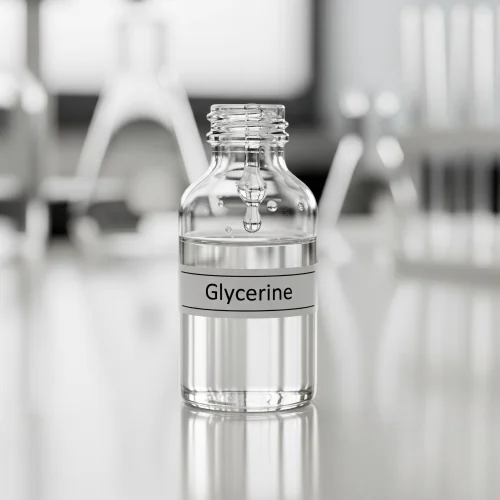
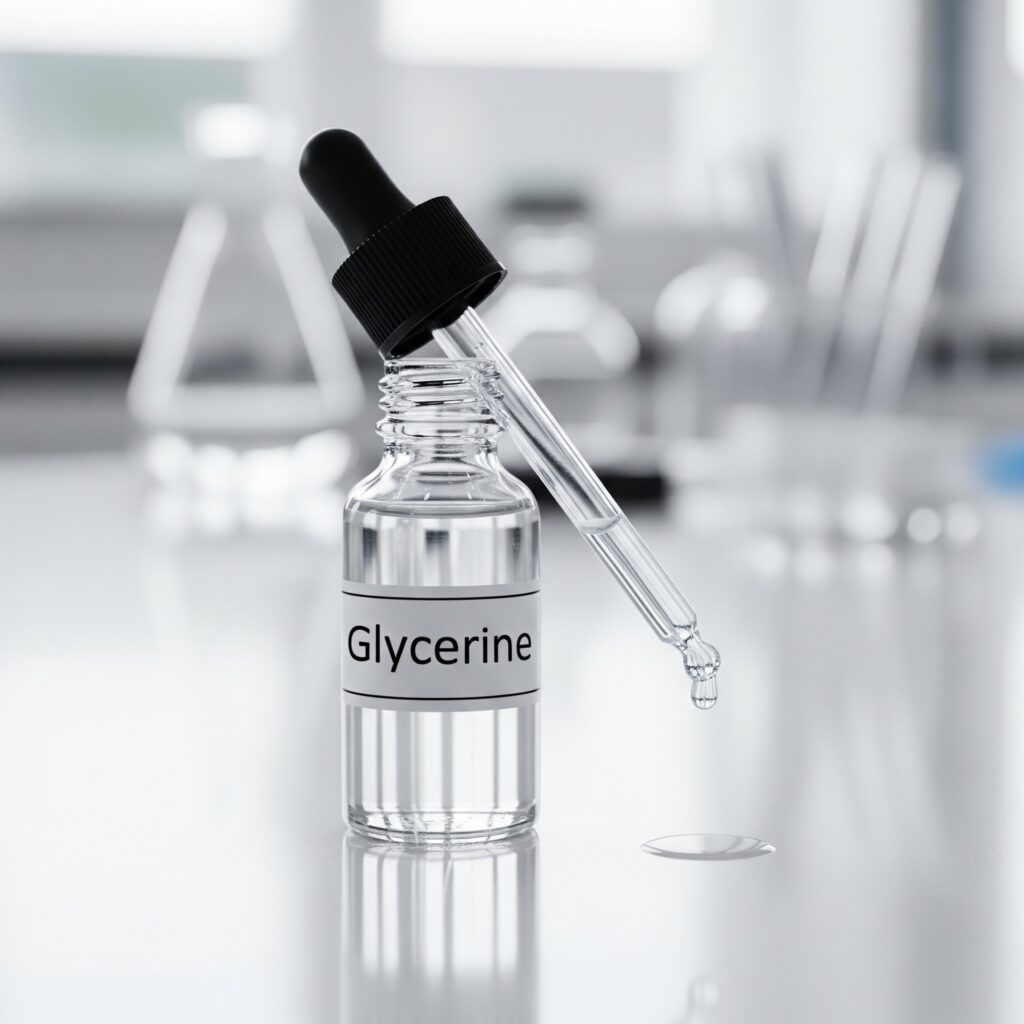
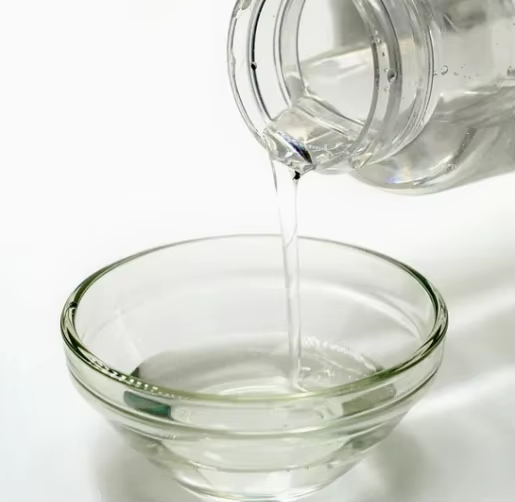
Glycerin, also known as glycerol, is a colorless, odorless, viscous liquid with strong hygroscopic properties. It is widely used as a humectant, solvent, plasticizer, and stabilizer across numerous industries. Kosher-certified glycerin refers to glycerin that meets Jewish dietary laws (kashrut) and is produced, processed, stored, and transported under certified kosher supervision.
The kosher status of glycerin depends primarily on its source and manufacturing process. Vegetable-derived glycerin, particularly from coconut or palm oil, is typically eligible for kosher certification when production avoids cross-contamination with non-kosher materials. Animal-derived glycerin is generally not considered kosher unless it meets very strict conditions, which are uncommon in industrial supply chains.
For manufacturers, kosher certification serves as a quality assurance indicator that raw materials are traceable, documented, and processed under controlled conditions.
Why Kosher Certification Matters for Industrial Manufacturers
Kosher certification is often misunderstood as relevant only for religious consumers. In reality, it offers multiple commercial and operational advantages for manufacturers.
Key benefits include:
- Expanded market access allows products to be sold in kosher-certified markets and to consumers who prefer certified ingredients for quality assurance reasons.
- Enhanced brand credibility strengthens consumer confidence, especially in food, nutraceutical, and cosmetic sectors where ingredient transparency matters.
- Regulatory acceptance simplifies approvals because kosher certification often aligns with strict documentation and traceability standards.
- Supply chain transparency improves internal quality control processes due to documented production pathways.
- Risk reduction minimizes the likelihood of contamination incidents that could trigger recalls or compliance failures.
In our collaboration with various factories, we have observed that certification requirements often improve internal process discipline because suppliers must maintain stricter documentation and quality controls.
Sources of Kosher Certified Glycerin
The origin of glycerin plays a critical role in determining kosher eligibility. Industrial procurement teams must understand feedstock sources to avoid compliance risks.
Common sources include:
- Coconut oil–derived glycerin, which offers high purity and strong sustainability perception, making it popular in cosmetics and pharmaceuticals.
- Palm oil–derived glycerin, which provides cost efficiency and large-scale availability for food and industrial sectors.
- Synthetic glycerin derived from petrochemical processes, which may also qualify for kosher certification depending on production methods and certification authority standards.
Manufacturers should always confirm certification documentation rather than assuming that vegetable glycerin is automatically kosher-certified.
Industrial Applications of Kosher Certified Glycerin
Kosher-certified glycerin is used across multiple sectors where compliance and functionality intersect.
Food and Beverage Manufacturing
In food production, glycerin acts as a sweetener, humectant, and texture modifier in baked goods, confectionery, dairy alternatives, beverages, and processed foods. Certification is often required for kosher labeling on finished products.
Pharmaceutical and Medical Products
Glycerin is used in syrups, capsules, topical formulations, and medical devices. Kosher-certified excipients may be required for products intended for specific populations or export markets.
Cosmetics and Personal Care
In skincare and haircare formulations, glycerin provides moisture retention and skin-conditioning effects. Kosher certification can enhance brand positioning and market access.
Nutraceutical and Supplement Industry
Dietary supplements frequently require kosher-certified ingredients to meet consumer expectations and regulatory standards in certain markets.
Industrial and Technical Applications
Even industrial sectors such as coatings, lubricants, and resins may require certified materials when products are used in food-contact environments or exported to regulated regions.
Technical Specifications to Evaluate When Choosing a Supplier
When selecting a Kosher Certified Glycerin Bulk Supplier, procurement teams should evaluate both quality parameters and certification integrity.
Important specifications include:
- Glycerol purity (commonly ≥99.5% for refined grades)
- Water content and moisture stability
- Heavy metal limits
- Ash residue
- Color index (APHA)
- Odor profile
- Certification validity and issuing authority
- Traceability documentation
Batch-to-batch consistency is often more critical than absolute purity because manufacturing processes depend on predictable performance.
Common Mistakes in Sourcing Kosher Certified Glycerin
Factories sometimes encounter compliance or quality problems due to avoidable procurement errors.
Typical mistakes include:
- Assuming all vegetable glycerin is kosher-certified without verifying documentation, which can lead to regulatory or labeling issues.
- Prioritizing price alone without evaluating certification authenticity, increasing the risk of receiving non-compliant material.
- Ignoring logistics and storage history, which may introduce contamination risks if containers previously held non-kosher substances.
- Switching suppliers without validation testing, potentially causing formulation inconsistencies.
- Overlooking certification expiration dates, which can create audit complications.
We have seen cases where shipments were delayed or rejected simply because documentation details were incomplete or outdated.
Characteristics of a Reliable Kosher Certified Glycerin Bulk Supplier
A dependable supplier supports not only raw material delivery but also compliance and operational stability.
Key characteristics include:
- Verified kosher certification from recognized authorities ensures acceptance across global markets.
- Multi-brand sourcing capability provides procurement flexibility and reduces dependency on a single refinery.
- Consistent quality control procedures minimize production risks and maintain specification stability.
- Transparent documentation systems simplify audits and product registration processes.
- Global logistics expertise ensures timely deliveries and product integrity during transport.
- Technical consultation helps manufacturers select appropriate grades for their applications.
Suppliers offering diversified sourcing options often provide stronger long-term value because they mitigate supply chain risks.
Packaging and Storage Considerations
Because glycerin is hygroscopic, packaging and storage decisions are essential to maintain both quality and kosher integrity.
Common packaging formats include:
- Drums are suitable for moderate consumption volumes or specialized production environments where flexibility is needed.
- IBC containers provide efficient handling for medium to large manufacturing operations and integrate well with automated dosing systems.
- Bulk tankers are ideal for high-volume facilities with dedicated storage infrastructure, reducing manual handling and contamination risks.
Storage conditions should include sealed containers, clean transfer systems, and humidity-controlled environments to prevent moisture absorption and maintain specification compliance.
Kosher Certification Process: How It Works
Understanding the certification process helps procurement teams evaluate suppliers more effectively.
The certification process typically includes:
- Verification of raw material origin to confirm compliance with kosher requirements.
- Inspection of production facilities to ensure absence of non-kosher contamination.
- Review of processing aids and cleaning agents used during manufacturing.
- Documentation audits and traceability verification.
- Ongoing supervision and periodic recertification.
Manufacturers sourcing from certified suppliers benefit from simplified documentation when applying for kosher certification for finished products.
Comparison: Kosher Certified vs Non-Certified Glycerin
| Factor | Kosher Certified Glycerin | Non-Certified Glycerin |
|---|---|---|
| Market Access | Broader global acceptance | Limited in certified markets |
| Traceability | High transparency | Variable |
| Compliance Risk | Lower when verified | Higher |
| Consumer Confidence | Strong | Neutral |
| Pricing | Slightly higher in some cases | Potentially lower |
For many manufacturers, certification value outweighs marginal cost differences.
Industrial Tips for Large-Scale Production
Factories using glycerin at scale can improve efficiency with several practical strategies.
- Maintaining moderate storage temperatures improves pumpability and reduces energy consumption during transfer operations.
- Installing inline filtration prevents particulate contamination in sensitive formulations.
- Automating dosing systems improves accuracy and reduces raw material waste.
- Conducting compatibility testing with preservatives and active ingredients prevents unexpected instability.
- Monitoring water content during storage ensures consistent production performance.
In our experience working with industrial manufacturers, small improvements in raw material handling often lead to significant efficiency gains.
Regulatory Documentation Requirements
For kosher-certified materials, documentation is critical for compliance and audits.
A professional Kosher Certified Glycerin Bulk Supplier should provide:
- Kosher certificate issued by recognized authorities confirming compliance.
- Certificate of Analysis (COA) verifying batch specifications.
- Safety Data Sheet (SDS) for handling and safety information.
- Allergen and Non-GMO statements supporting labeling requirements.
- Country of origin documentation for traceability.
- Manufacturing process descriptions when required for regulatory approvals.
Incomplete documentation can delay shipments or complicate certification processes.
Frequently Asked Questions from Factory Managers
Is kosher glycerin more expensive?
It may be slightly higher due to certification costs, but market access and compliance benefits often outweigh the difference.
Can kosher glycerin be used in non-kosher products?
Yes. Certification does not restrict usage; it simply ensures compliance when required.
Does certification affect chemical performance?
No. Certification relates to sourcing and processing, not functionality.
What is the shelf life?
Typically around two years when stored properly in sealed containers.
Which industries require kosher glycerin most?
Food, nutraceutical, pharmaceutical, and cosmetic industries frequently require certified ingredients.
Choosing the Right Supplier for Long-Term Manufacturing Success
Selecting a Kosher Certified Glycerin Bulk Supplier involves evaluating reliability, certification credibility, quality consistency, and logistics capability rather than focusing solely on price.
Important evaluation criteria include:
- Supply continuity ensures uninterrupted production schedules and reduces downtime risks.
- Certification authenticity minimizes compliance issues during audits.
- Quality consistency allows predictable formulation performance.
- Technical support availability helps resolve production challenges quickly.
- Multi-brand sourcing flexibility mitigates supply disruptions.
Distributors capable of providing multiple certified brands at competitive pricing often become long-term strategic partners for manufacturers.
Strategic Importance for Modern Manufacturing
Kosher-certified ingredients are increasingly recognized as strategic assets in global manufacturing. Reliable sourcing of certified glycerin supports compliance, brand credibility, and operational stability simultaneously.
Factories that establish strong supplier partnerships position themselves for smoother production cycles, broader market access, and stronger competitive advantages. In an industry where supply chain transparency and certification requirements continue to grow, the quality of your raw material sourcing decisions can shape the future trajectory of your business more than any single production upgrade.


No comment