

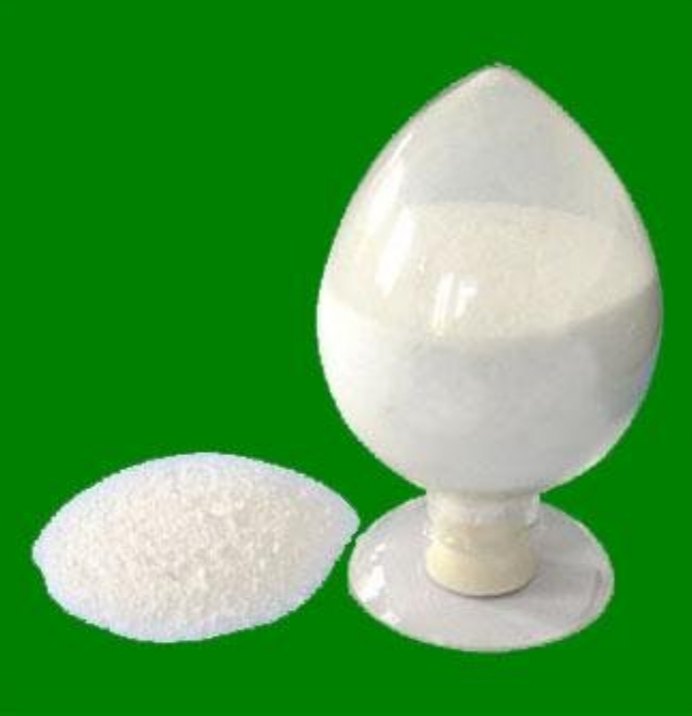
When your production line depends on consistency, texture control, and shelf-life stability, choosing the right Succinylated Monoglycerides Supplier is not just a purchasing decision—it is an operational strategy. Manufacturers who collaborate with experienced ingredient partners such as MT Royal often discover that sourcing reliability directly impacts product quality, cost efficiency, and brand reputation. For factories operating at scale, emulsifier selection can determine whether batches perform flawlessly or require costly adjustments.
Succinylated monoglycerides are among the most technically versatile emulsifiers available today, widely used across bakery, dairy, confectionery, and processed food industries. Understanding how to source them effectively—and from whom—can significantly influence production outcomes. This article explores the technical foundations, sourcing challenges, industrial insights, and strategic considerations that procurement teams and factory managers should evaluate when selecting a supplier.
Understanding Succinylated Monoglycerides: Functional and Chemical Fundamentals
Succinylated monoglycerides belong to a class of modified glycerol esters produced by reacting monoglycerides with succinic anhydride. The resulting compound offers enhanced emulsification, improved interaction with proteins and starches, and superior water-binding capacity compared with standard mono- and diglycerides.
In industrial terminology, these ingredients are often categorized as:
- Food emulsifier E472g
- Modified monoglyceride emulsifier
- Dough conditioning agents
- Surface-active stabilizers for fat-water systems
Their amphiphilic molecular structure allows them to stabilize interfaces between hydrophilic and lipophilic phases, which is critical in complex food matrices. For manufacturers, this translates into improved product structure, extended freshness, and reduced formulation variability.
Why Manufacturers Use Succinylated Monoglycerides
Factories integrate these emulsifiers into formulations for several performance advantages:
- Improved Dough Stability
In bakery systems, succinylated monoglycerides strengthen gluten networks and improve gas retention, resulting in higher loaf volume and finer crumb structure. - Enhanced Shelf Life Extension
Their interaction with starch delays retrogradation, reducing staling and maintaining softness for longer storage periods. - Better Fat Distribution
In dairy and cream systems, they create uniform fat dispersion, improving mouthfeel and preventing phase separation. - Processing Efficiency
Their surfactant properties improve machinability, reduce sticking, and enhance mixing tolerance—important for automated production lines. - Consistent Product Quality
Manufacturers benefit from reduced batch variability, especially when operating under high-throughput conditions.
These functional benefits explain why demand for reliable industrial emulsifiers continues to grow globally, particularly in emerging markets where packaged food consumption is rising.

Industrial Applications Across Food Sectors
A professional Succinylated Monoglycerides Supplier must understand application-specific performance requirements because usage varies significantly between industries.
Bakery Industry
The bakery sector remains the largest consumer. Applications include:
- Bread and buns
- Cakes and sponge products
- Frozen dough systems
- Industrial tortillas
- Sweet baked goods
As a bakery improver, succinylated monoglycerides enhance dough tolerance, improve crumb softness, and reduce formulation sensitivity to flour quality variations.
Dairy and Cream Systems
In dairy applications, the emulsifier contributes to:
- Whipped toppings
- Coffee creamers
- Ice cream stabilization
- Non-dairy cream alternatives
The ingredient supports aeration and stabilizes fat globules, improving whipping performance and foam stability.
Processed Foods and Ready Meals
In processed foods, succinylated monoglycerides help maintain homogeneity in sauces, fillings, and ready-to-eat products. Their compatibility with proteins makes them especially useful in meat analogs and emulsified products.
Confectionery
They improve fat crystallization control and texture stability in confectionery systems, especially where uniform fat distribution is essential.
Characteristics of a Reliable Succinylated Monoglycerides Supplier
Selecting a supplier should involve more than comparing price quotes. Industrial procurement requires evaluation across multiple dimensions.
Technical Consistency
Factories depend on reproducible performance. Variability in emulsifier quality can cause unexpected production issues, including:
- Dough collapse
- Texture inconsistencies
- Shelf-life reduction
- Equipment fouling
A professional supplier ensures strict quality control, standardized production processes, and documented specifications.
Multi-Brand Availability
Manufacturers often prefer suppliers that offer multiple brands rather than a single source. This flexibility allows:
- Risk mitigation during supply disruptions
- Comparative performance testing
- Cost optimization across production cycles
Companies like MT Royal position themselves as sourcing partners by providing access to several manufacturers rather than limiting clients to one product line.
Regulatory Compliance and Documentation
Industrial buyers require:
- Certificates of analysis (COA)
- Food safety documentation
- Halal or Kosher certification (when needed)
- Regulatory compliance with regional standards
Incomplete documentation can delay shipments or create compliance risks.
Logistics and Supply Chain Reliability
Production downtime caused by raw material shortages is expensive. Reliable suppliers maintain stable inventory pipelines and predictable lead times.
In our collaboration with various factories, we have seen that procurement managers often underestimate logistics complexity until disruptions occur. A dependable supplier mitigates these risks proactively.
Common Mistakes When Sourcing Succinylated Monoglycerides
Even experienced procurement teams sometimes make avoidable errors. Understanding these pitfalls can prevent costly consequences.
Focusing Only on Price per Kilogram
Lower pricing does not necessarily mean lower total cost. Performance differences may require higher dosage levels, offsetting savings.
Ignoring Functional Compatibility
Not all emulsifiers perform equally across applications. Using a product optimized for bakery in a dairy system may yield suboptimal results.
Insufficient Pilot Testing
Skipping industrial trials increases the risk of large-scale failures. Testing under actual production conditions is essential.
Overlooking Supplier Technical Support
Suppliers with technical expertise can help optimize formulations. Without support, factories may struggle to troubleshoot performance issues.
Lack of Long-Term Contract Strategy
Spot purchasing can expose manufacturers to price volatility and supply shortages.
Practical Comparison: What Manufacturers Should Evaluate
When comparing suppliers, procurement teams should analyze multiple factors simultaneously.
Key evaluation points include:
- Emulsifier purity and monoester content
- Functional performance in your specific formulation
- Recommended dosage range
- Batch consistency history
- Supply stability and lead times
- Price stability over contract periods
- Technical support availability
- Documentation completeness
Factories that implement structured evaluation frameworks often achieve better long-term cost efficiency.
Specialized Industrial Tips for Large-Scale Production
Large manufacturing environments present unique challenges. Optimizing emulsifier usage requires both technical knowledge and operational experience.
Optimize Dosage Through Trials
Higher dosage does not always improve performance. Excess emulsifier may negatively affect texture or flavor. Controlled trials help determine optimal inclusion rates.
Consider Interaction with Other Ingredients
Succinylated monoglycerides interact with:
- Proteins
- Starches
- Hydrocolloids
- Fats
- Enzymes
Understanding these interactions improves formulation stability.
Monitor Mixing and Hydration Conditions
Improper dispersion reduces emulsifier effectiveness. Pre-blending or controlled hydration steps can improve functionality.
Evaluate Process Temperature
Temperature affects emulsifier solubility and activity. Adjusting process conditions may enhance performance without changing formulation.
Integrate with Enzyme Systems
In bakery production, combining emulsifiers with enzyme systems can produce synergistic improvements in texture and shelf life.
We have observed in several industrial bakeries that coordinated optimization between emulsifiers and enzymes reduced ingredient costs while improving product softness duration.
Emerging Trends in Emulsifier Supply and Usage
The food industry is evolving rapidly, and emulsifier sourcing strategies must adapt.
Clean Label Considerations
Although succinylated monoglycerides are widely accepted, some markets demand cleaner labeling alternatives. Suppliers must provide transparent information and formulation guidance.
Automation and High-Speed Production
Modern production lines require ingredients that perform reliably under mechanical stress. Consistency is becoming more important than ever.
Global Supply Chain Diversification
Manufacturers increasingly prefer suppliers with international sourcing networks to reduce geopolitical risks.
Sustainability and Traceability
Sourcing transparency and sustainable raw materials are becoming competitive differentiators.
The Strategic Role of Supplier Partnerships
A supplier relationship should function as a collaboration rather than a transactional exchange. Experienced suppliers contribute:
- Application knowledge
- Market insights
- Regulatory updates
- Cost optimization strategies
- Technical troubleshooting
Factories that treat suppliers as strategic partners often achieve higher operational efficiency.
MT Royal’s approach of offering multiple brands at competitive pricing reflects this partnership model, enabling manufacturers to select products aligned with both technical requirements and budget constraints.
Frequently Asked Questions from Factory Managers
What dosage level is typically used?
Dosage varies by application but generally ranges between 0.2% and 0.5% of total formulation weight in bakery systems. Pilot testing is always recommended.
Can succinylated monoglycerides replace mono- and diglycerides?
In some applications, yes. However, performance differences exist, and substitution should be evaluated through trials.
How do they improve shelf life?
They interact with starch molecules, delaying recrystallization and reducing firmness development over time.
Are they compatible with enzymes?
Yes. Many formulations combine emulsifiers with enzyme systems for synergistic effects.
What storage conditions are recommended?
Cool, dry conditions away from direct sunlight are generally sufficient. Specific recommendations depend on product form (powder, paste, or bead).
Do different brands perform differently?
Yes. Manufacturing processes influence functional properties, making supplier selection important.
Procurement Strategy for Long-Term Success
Effective sourcing involves more than immediate needs. Strategic procurement considers:
- Forecast demand planning
- Supplier diversification
- Technical collaboration
- Contract negotiation
- Risk management
Factories that adopt proactive procurement strategies reduce operational uncertainty and improve financial predictability.
Real-World Industrial Insight: Performance vs Cost Balance
One of the most common challenges manufacturers face is balancing cost reduction with product quality. Switching suppliers solely to reduce price can lead to unexpected performance losses.
In our experience working with multiple production environments, even small changes in emulsifier quality can alter dough handling properties, aeration behavior, and final product texture. The hidden cost of reformulation or production downtime often exceeds ingredient savings.
A knowledgeable Succinylated Monoglycerides Supplier helps manufacturers navigate these trade-offs intelligently.

The Competitive Advantage of Choosing the Right Supplier
Food manufacturing operates in highly competitive markets where margins are tight and consumer expectations are high. Ingredient performance directly affects:
- Product quality perception
- Brand loyalty
- Production efficiency
- Waste reduction
- Shelf stability during distribution
Choosing a reliable supplier contributes to competitive advantage.
Factories that consistently deliver soft bread, stable creams, or uniform processed foods rarely achieve those results by accident. Behind the scenes, ingredient sourcing decisions play a critical role.
Final Thoughts
Selecting a Succinylated Monoglycerides Supplier is ultimately about reducing uncertainty in your production environment. When ingredient functionality is predictable, operations become smoother, planning becomes easier, and product quality becomes more consistent.
Manufacturers who approach sourcing strategically—evaluating technical performance, supplier reliability, and long-term collaboration potential—position themselves for sustainable growth. A supplier that offers multiple brands, competitive pricing, and technical expertise can transform procurement from a routine task into a strategic advantage.
The difference between an average product and a market-leading one often lies in details invisible to consumers but critical to manufacturers. Emulsifier sourcing is one of those details.
LATAMARKO LM60 – Premium Spanish-Origin Cocoa Powder
latamarko alkalized cocoa powder lm60
cocoa powder for chocolate production-Best price
Food industry raw materials – list of products
Types of Gelatin from Turkish Manufacturer




No comment