

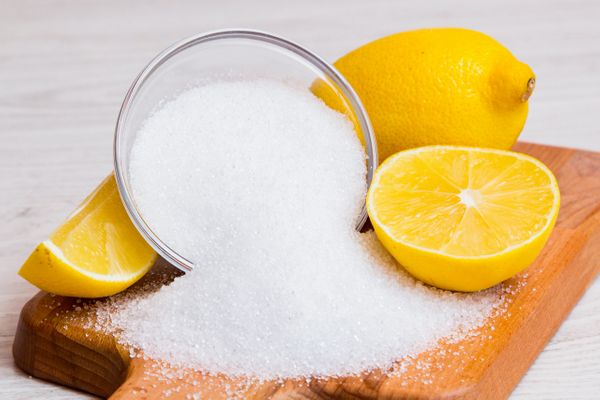
For factories and manufacturers in Jordan, sourcing high-quality citric acid is a decision that can directly impact production efficiency, product quality, and compliance with regulatory standards. Citric acid is not just a simple acidulant; it is a multifunctional ingredient widely used in food, beverages, pharmaceuticals, cosmetics, and industrial applications. Choosing the right citric acid supplier ensures you maintain consistent supply, receive reliable technical guidance, and reduce the risk of production interruptions.
We at MT Royal have collaborated with numerous factories across Jordan, providing citric acid with verified quality, technical support, and competitive pricing. From small-scale operations to large industrial plants, our experience shows that partnering with a trusted supplier enhances operational confidence, reduces waste, and contributes to better end-product performance.
Understanding Citric Acid and Its Industrial Relevance
Citric acid is an organic acid naturally found in citrus fruits. Industrially, it is produced through fermentation processes that yield high-purity crystalline or powdered forms. Its primary functions in manufacturing include:
- pH adjustment: Essential for controlling acidity in food and beverages.
- Preservation: Acts as a chelating agent to inhibit metal-catalyzed oxidation, prolonging shelf life.
- Flavor enhancement: Provides a balanced tang and improves taste perception.
- Buffering capacity: Stabilizes formulations in pharmaceuticals and cosmetics.
For instance, a Jordanian beverage manufacturer reported that switching to MT Royal’s high-purity citric acid reduced batch variation in juice production, improved flavor consistency, and decreased the need for reprocessing. This highlights the importance of quality and supplier reliability in maintaining production standards.
Forms and Grades of Citric Acid
Industrial citric acid is available in multiple forms, each with specific advantages for production:
Anhydrous Citric Acid
- Pure crystalline powder
- High solubility for precise pH control
- Preferred in dry mixes, powders, and pharmaceutical formulations
Monohydrate Citric Acid
- Slightly lower acidity due to water content
- Commonly used in beverages, canned foods, and acidic solutions
- Requires proper storage to prevent caking
We have observed that selecting the appropriate grade based on application reduces production inconsistencies and improves efficiency. For example, beverage manufacturers in Jordan have achieved better taste stability using monohydrate citric acid, while powdered mixes benefit from the precise dosing of anhydrous citric acid.
Common Mistakes in Industrial Citric Acid Procurement
Even experienced procurement teams can make errors that impact product quality and operational efficiency:
Mistake 1: Prioritizing Price Over Purity
Low-cost citric acid often contains impurities, variable particle sizes, or inconsistent acidity. These factors can affect solubility, buffering capacity, and final product taste.
Mistake 2: Ignoring Supplier Documentation
Certificates of Analysis (COA), Material Safety Data Sheets (MSDS), and regulatory compliance certifications are critical. Without them, manufacturers risk non-compliance during audits or export inspections.
Mistake 3: Improper Storage
Citric acid is hygroscopic; exposure to humidity can cause caking or degradation. Liquid solutions require protection from microbial contamination and precise concentration control.
Mistake 4: Inadequate Supply Planning
Insufficient forecasting or reliance on distant suppliers can result in production downtime. Factories that maintain buffer stocks and work with local, reliable suppliers prevent delays and minimize emergency costs.
Technical Considerations for Large-Scale Production
When integrating citric acid into industrial processes, consider the following factors:
- Purity and particle size: Affects solubility, dosing accuracy, and reaction kinetics.
- Moisture content: Excess moisture can compromise dry mixes and increase microbial growth risk.
- Acidity levels (pH): Essential for maintaining product consistency and efficacy.
- Batch-to-batch consistency: Ensures predictable outcomes in food, pharmaceutical, or cosmetic formulations.
A Jordanian pharmaceutical manufacturer noted that switching to citric acid with verified COA from MT Royal improved tablet uniformity and reduced process variability.
Industrial Applications of Citric Acid
Food and Beverages
Citric acid is widely used in juices, soft drinks, jams, and confectionery. It adjusts acidity, enhances flavor, and extends shelf life by acting as a preservative. Proper selection ensures consistent taste and stability, even during long storage periods.
Pharmaceuticals
Citric acid functions as a buffering agent, stabilizing formulations, and maintaining active ingredient integrity. It also facilitates effervescent tablet production, improving solubility and patient compliance.
Cosmetics and Personal Care
In creams, lotions, and shampoos, citric acid balances pH, prevents oxidation of active ingredients, and enhances product stability. Industrial-grade citric acid ensures product safety and effectiveness over time.
Industrial Applications
Citric acid is used in cleaning agents, metal surface treatment, and as a chelating agent in industrial processes. High-purity citric acid ensures consistent performance without introducing contaminants that could affect chemical reactions.
Managing Large-Scale Procurement and Storage
For manufacturers in Jordan, efficient citric acid management involves:
- Forecasting demand: Accurate predictions prevent overstocking or shortages.
- Storage conditions: Dry powders should be kept in airtight, humidity-controlled environments. Solutions should be stored in food-grade containers with proper microbial control.
- Supplier collaboration: Partnering with a local, reliable supplier like MT Royal ensures timely deliveries, technical guidance, and batch verification.
We have seen factories improve production continuity by integrating supplier-led storage recommendations and implementing FIFO inventory rotation, which minimizes degradation risks.
Frequently Asked Questions by Factory Managers in Jordan
Which form of citric acid is suitable for my production?
Anhydrous citric acid is ideal for precise dosing and dry formulations, while monohydrate citric acid suits beverages, canned foods, and acidic solutions. Always review COA with your supplier for best results.
How should citric acid be stored for maximum shelf life?
Store powders in dry, airtight containers, away from humidity. Liquid citric acid should be kept in controlled environments to prevent microbial contamination.
Can citric acid quality affect product shelf life?
Yes, impurities or incorrect acidity can compromise flavor, texture, and product stability. High-purity citric acid improves consistency and prolongs shelf life.
How can I manage procurement for large-scale production?
Maintain accurate demand forecasts, buffer stock, and strong communication with suppliers. Reliable local suppliers reduce lead times and prevent production downtime.
Are there differences between industrial and food-grade citric acid?
Food-grade citric acid meets stricter purity standards and is suitable for consumption, while industrial grades may tolerate minor impurities but excel in chemical or cleaning applications.
Market Trends and Strategic Insights
The citric acid market in Jordan is influenced by several factors:
- Increasing consumption of processed foods and beverages.
- Rising pharmaceutical and nutraceutical production.
- Regulatory compliance and quality certification requirements.
- Volatility in global raw material prices.
Factories that partner with experienced suppliers like MT Royal gain advantages such as stable supply, verified quality, and technical guidance to navigate these market dynamics.
Why MT Royal is a Trusted Citric Acid Supplier in Jordan
MT Royal stands out due to its combination of quality, reliability, and industry expertise:
- Verified food-grade and industrial citric acid
- Transparent pricing and competitive rates
- Local inventory in Jordan for timely deliveries
- Technical support on applications, storage, and process optimization
We have helped Jordanian manufacturers streamline operations, improve product consistency, and reduce production risks, proving that a strategic supplier relationship is invaluable.
Strategic Takeaways for Manufacturers
Citric acid is a multifunctional ingredient that significantly affects product quality, safety, and compliance. Selecting a reliable supplier in Jordan is critical for uninterrupted production, regulatory adherence, and optimal product performance. Factories that treat citric acid procurement as a strategic partnership rather than a routine purchase can achieve operational excellence and maintain a competitive edge in both domestic and international markets.



No comment